

Would you trade reliable heat and faster boils for a few ounces off your pack?
Ultralight backpacking stoves do exactly that: they win on weight and packability but often lose on stability, wind and cold performance, and cooking control.
If you hike solo in warm weather and value speed over elaborate meals, they’re often the right call.
This post lays out the real pros and cons, what to expect from alcohol, solid-fuel, and minimalist canister options, and how to pick the stove that matches your trip.
Ultralight Backpacking Stoves At A Glance: The Verdict
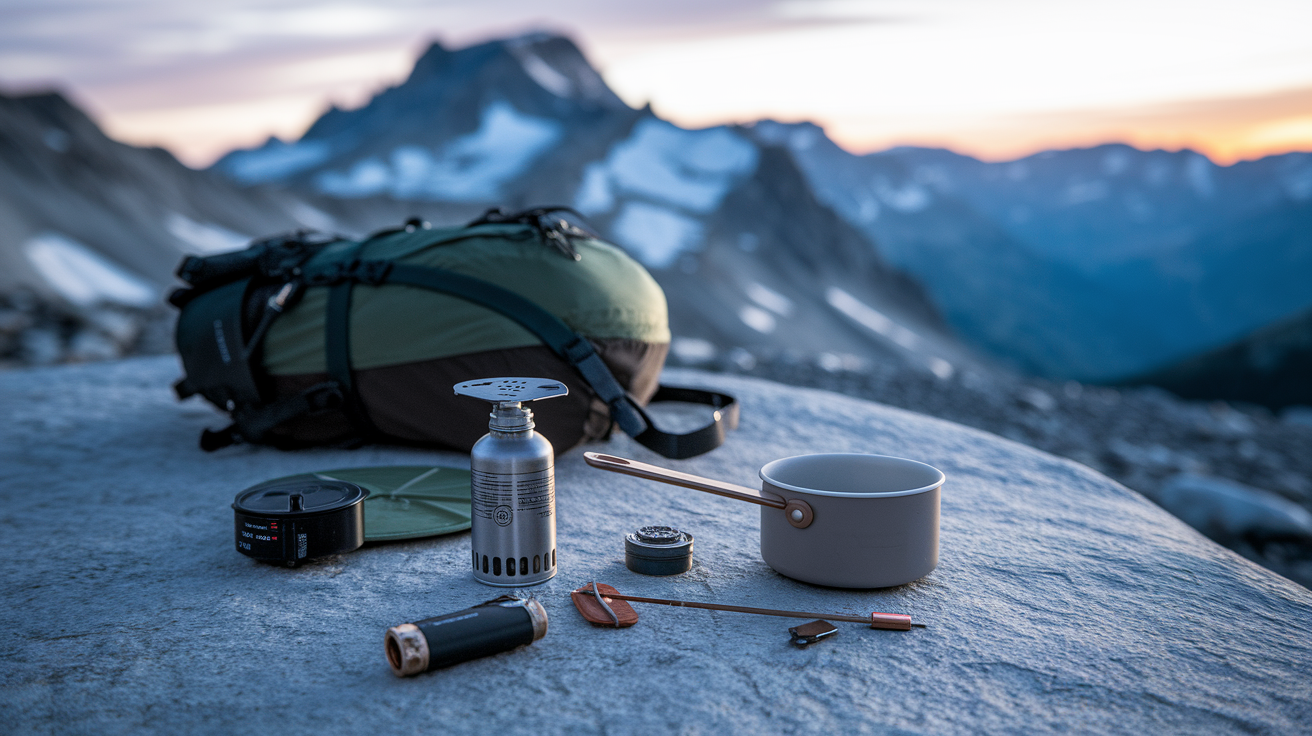
Ultralight stoves win on weight and packability for solo hikers, warm weather trips, and anyone doing short to medium mileage where a hot meal is a bonus, not a survival need. They lose to standard stoves when it comes to stability, wind resistance, cold weather reliability, and cooking anything more complex than boiled water. That’s the trade in a nutshell.
The core tradeoff comes down to grams versus minutes, reliability versus convenience. An alcohol stove might shave several ounces off your pack, but it can add 3 to 5 extra minutes to every boil compared to a canister stove. A solid fuel tablet weighs almost nothing, but it burns for about 12 minutes and only brings around 16 ounces of water to a boil. No more, no less. Canister stoves boil fast, right up until the temperature drops below roughly 20°F. That’s when the gas struggles to vaporize and your “reliable” stove becomes a frustrating one. Every ultralight choice saves weight somewhere and costs you something else: time, control, wind resistance, or cold weather confidence.
Here’s the quick version, before we break down the details:
- Best for solo hikers: alcohol or solid fuel stoves, since fuel amounts are easy to portion for one person
- Best for thru-hikers: minimalist canister heads like the BRS 3000T, balancing weight and speed
- Best for warm climates: any ultralight stove type, since cold isn’t a factor
- Worst for winter: canisters and alcohol stoves, both of which lose performance below freezing
- Worst for groups: alcohol and solid fuel stoves, too slow to feed multiple people efficiently
- Worst for frying or complex meals: heat exchanger systems and most ultralight burners, built for boiling, not cooking
If you’re short on time, that list alone should point you toward the right category. But the reasons behind each of these calls matter, especially if your trip sits somewhere between “quick summer overnighter” and “week long cold weather expedition.” The rest of this guide walks through weight, fuel efficiency, wind and cold performance, and stability, so you can match a stove to your actual trip instead of guessing.
Weight Savings And Packability: The Biggest Pro
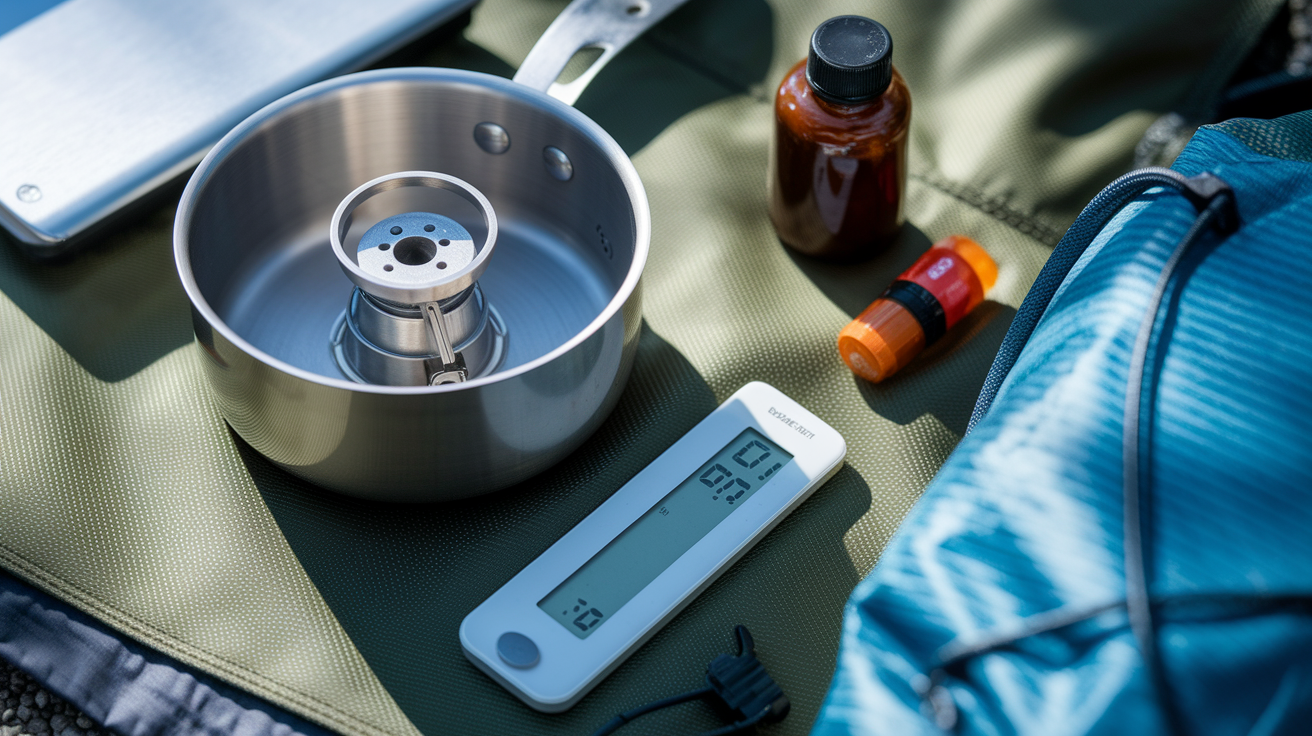
Weight is the reason ultralight stoves exist in the first place, and it’s not just about one item. Every ounce you shave off your stove setup is an ounce you don’t feel on day three, mile twelve, climbing the last hill before camp. Multiply that across a fuel bottle, a pot, a windscreen, and a few days of food, and small savings turn into a noticeably lighter pack.
Alcohol and solid fuel stoves sit at the very bottom of the weight scale. Options like the Trangia Spirit, the Toaks Titanium Siphon, or even a homemade cat food can stove often weigh next to nothing and have zero moving parts to break. ESBIT tablets add almost no weight either, about 0.5 ounces each, and you only pack the number you’ll actually use. Minimalist canister heads land in the middle. The BRS 3000T is famously tiny, often cited as one of the lightest canister stoves available, though you’re still carrying a separate gas canister that adds its own weight. On the heavier end, liquid fuel and integrated heat exchanger systems trade some of that weight savings for stability and speed.
Packability follows the same pattern. Most ultralight stoves fold flat or collapse small enough to nest inside your cook pot, alongside a lighter and maybe a small fuel bottle, keeping your whole cook system in one tidy bundle.
That said, mechanically simple stoves tend to be the most durable, since there’s nothing to jam or wear out. Just know the weight you save here is real, but it’s borrowed from somewhere else in your system. We’ll get into that next.
Fuel Efficiency And Boil Time Performance Compared
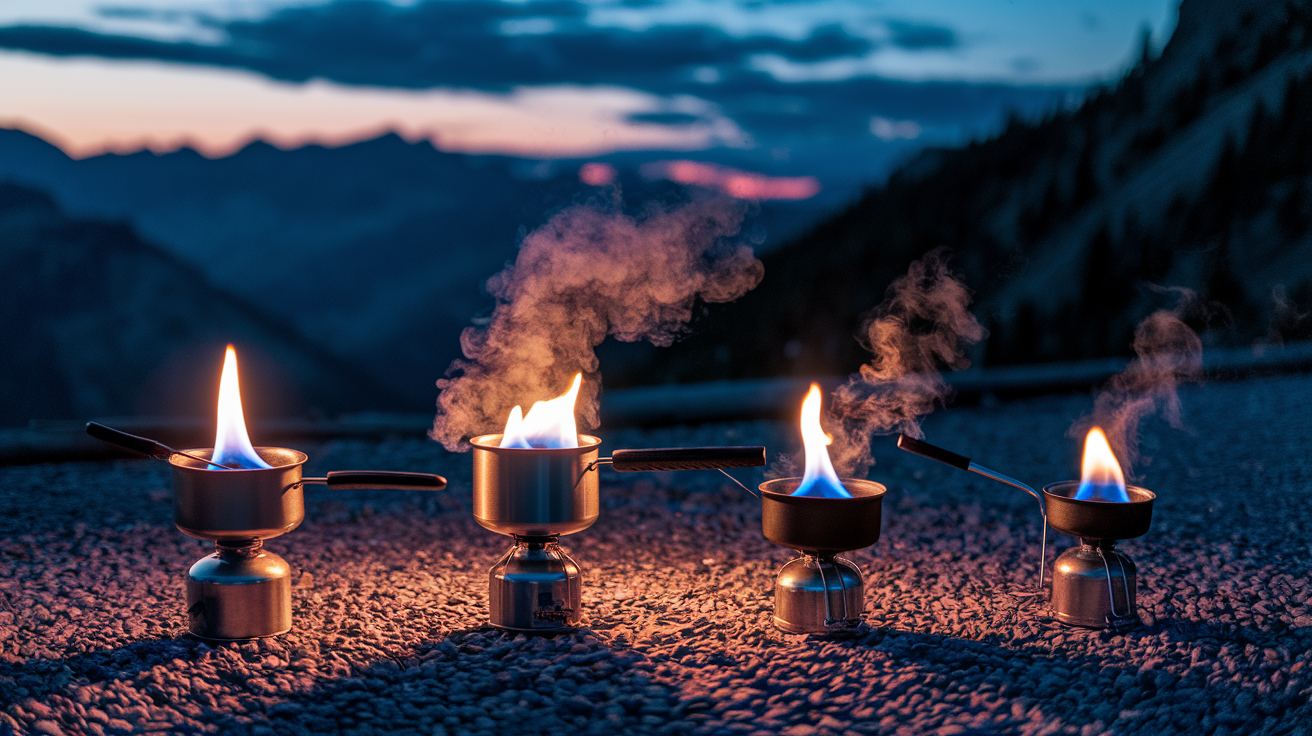
Boil time sounds like a minor detail until you’re standing at camp, hungry, tired, watching a pot of water take ten extra minutes to bubble. Over a multi-day trip, slower boil times add up, both in lost minutes and in extra fuel burned trying to compensate for wind or cold.
| Stove Type | Approx. Boil Time (2 cups) | Fuel Burn Notes |
|---|---|---|
| Canister | 4-5 minutes | Small canister burns roughly 1 hour total, good simmer control |
| Heat-Exchanger (integrated) | 2-3 minutes | Fastest and most fuel efficient of the canister systems, best in wind |
| Alcohol | 7-10 minutes | A DIY setup once boiled 12oz of water in about 4 minutes using 1oz of fuel, but that’s a best case scenario, not the norm |
| Solid-Fuel / ESBIT | Around 12 minutes (full tablet burn) | One 0.5oz tablet boils about 16oz of water, predictable but slow |
Heat exchanger systems like the Jetboil MicroMo or MSR WindBurner win this comparison outright when the goal is just getting water hot fast. Their enclosed burner design traps heat more efficiently, which is why they beat standard canister stoves on both speed and fuel use. The catch is they’re built almost exclusively for boiling. Try to fry an egg or simmer a sauce, and you’ll quickly hit their limits.
Alcohol and solid fuel stoves sit at the other end. They’re slower by a wide margin and more fuel hungry per boil, but they’re
Final Words
Ultralight stoves win on weight and packability for solo, warm-weather, short-to-medium trips, but they lose to standard stoves on stability, wind resistance, cold performance, and cooking versatility. If you move fast and carry little, they often make sense; if you need group meals or winter reliability, look heavier.
It’s a simple tradeoff: grams saved versus minutes added and some reliability lost in bad weather. This post lays out boil times, wind issues, and use-cases so you can weigh ultralight backpacking stoves pros and cons and pick the right stove for your trip.
FAQ
Q: What is the best stove for ultralight backpacking or the best ultra-lightweight hiking stove?
A: The best stove for ultralight backpacking is a minimalist canister-head for balance of weight, speed, and reliability, or an alcohol/ESBIT stove if you want the absolute lightest kit and accept slower, wind-sensitive cooking.
Q: Which backpacking stove lasts the longest?
A: The backpacking stove that lasts the longest is a liquid-fuel (white gas/multi-fuel) model — it’s rugged, serviceable, and repairable in the field; quality stainless canister stoves also endure but are harder to fix.
Q: What is the best fuel for a backpacking stove?
A: The best fuel for a backpacking stove depends on conditions: isobutane-propane canisters for fast, convenient boils in warm weather; white gas for cold/high-altitude reliability; alcohol or ESBIT for ultralight simplicity.