

Think you can just show up and snag a campsite? Not always.
Reservation-free camping means either first-come campgrounds with some services, or dispersed sites with no water, toilets, or trash, and mistaking one for the other can ruin a trip.
This checklist is for first-timers who want a simple, decision-ready packing plan.
It shows what to bring for shelter, food, water, safety, and backups, plus the checks to do before you go.
Follow it and you’ll arrive prepared, not scrambling.
Pack These Items Before Heading Out
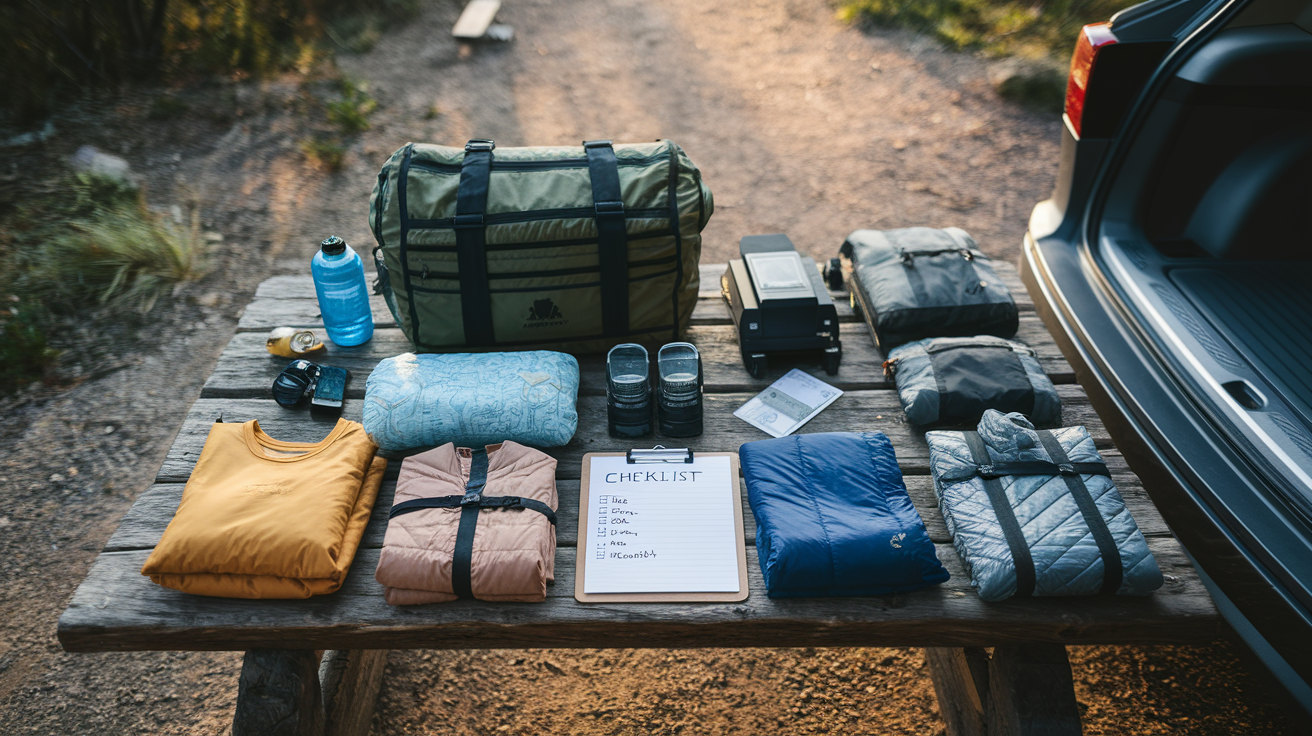
Reservation-free camping usually means one of two things: a first-come, first-served campground, or dispersed camping on public land. They’re not the same, and mixing up the requirements can leave you stuck.
First-come campgrounds have designated sites and often include a toilet, fire ring, picnic table, or potable water, though a spot is never guaranteed just because you showed up. Dispersed camping typically has none of that. No marked site, no treated water, no toilets, no rubbish collection. Before you build your gear list for reservation-free trips, check the facilities and rules for your exact destination rather than assuming both styles work the same way.
Use this camping checklist for beginners as your master packing list. It’s organized by category so you can move through it fast and check off items as you load the car.
Shelter and sleep
- [ ] Tent (sized to your group, ideally party size plus 2)
- [ ] Footprint (ground cloth for under the tent)
- [ ] Sleeping bag rated for the expected low
- [ ] Insulated sleeping pad (R-value 3+ for 3-season trips)
- [ ] Tent stakes (plus 3-6 spares)
- [ ] Guylines
- [ ] Tarp (roughly 8 x 10 feet)
Cooking and food storage
- [ ] Camp stove
- [ ] Fuel (compatible canisters or liquid fuel)
- [ ] Cookware (pot, pan, or both)
- [ ] Eating utensils
- [ ] Planned meals for each day
- [ ] Extra food (1 to 2 backup meals, snacks)
- [ ] Bear-resistant storage where required
Water
- [ ] 1 gallon per person, per day
- [ ] Additional reserve water
- [ ] Water containers
- [ ] Primary treatment system (filter, pump, or purifier)
- [ ] Backup treatment (chemical tablets or a second filter)
Clothing and weather protection
- [ ] Insulating layers
- [ ] Spare socks
- [ ] Sturdy, weather-appropriate footwear
- [ ] Sun protection (hat, sunscreen, sunglasses)
- [ ] Rain gear
Safety and lighting
- [ ] First-aid kit
- [ ] Headlamp
- [ ] Spare batteries
- [ ] Emergency blanket or shelter
- [ ] Fire-safety equipment (as required by local rules)
Navigation and communication
- [ ] Offline maps downloaded to your phone
- [ ] Paper map (where appropriate)
- [ ] Compass
- [ ] Charged phone or satellite communicator
- [ ] Backup power source
Sanitation and waste
- [ ] Toiletries
- [ ] Toilet paper
- [ ] Hand sanitizer
- [ ] Waste bags
- [ ] Trowel (where burying human waste is legal)
Tools, repairs, and low-impact camping
- [ ] Multitool
- [ ] Tent and sleeping-pad patch kit
- [ ] Cord or duct tape
- [ ] Rubbish bags
- [ ] Leave No Trace supplies (as needed for your site)
Before leaving
- [ ] Verify land-use rules and stay limits
- [ ] Check current fire restrictions
- [ ] Review the weather forecast
- [ ] Confirm road and vehicle-access conditions
- [ ] Plan to arrive before dark
- [ ] Determine whether a permit is required, even without a reservation
If the first site is full
Here’s the part first-timers often skip, and it’s the one that saves a trip. Have a plan before you’re standing at a full lot with the sun going down.
- [ ] Identify 2 to 3 legal backup sites before departure
- [ ] Download offline maps for every option
- [ ] Carry extra water and food
- [ ] Head to a legal alternative rather than creating a new site or parking illegally
Shelter And Sleeping Gear For Reservation-Free Camping
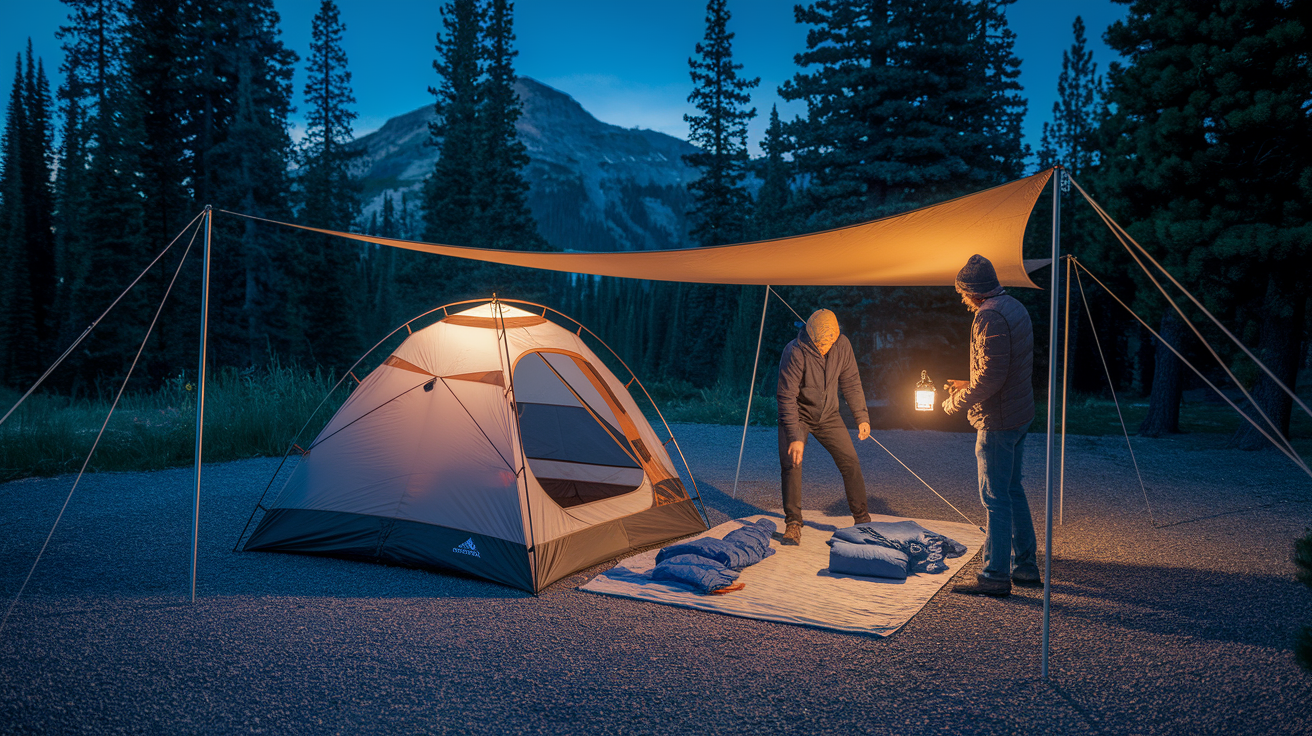
Shelter needs shift depending on which kind of reservation-free spot you land on. A first-come campground may have a leveled, prepared tent pad ready to go. Dispersed camping puts that job on you. You’ll need to find a legal, previously used, durable surface with decent drainage and nothing overhead that could fall, like a dead branch or a loose rock.
Once you’ve got a spot, think through tent size and weather protection. A good rule of thumb for reservation-free trips is party size plus 2, so two campers should look at a 4-person tent. That extra room holds gear, wet boots, and a dog without anyone feeling boxed in. A footprint protects the tent floor from rocks and moisture, and an 8 x 10-foot tarp comes in handy as extra rain cover or a dry space to sit outside the tent. Tents in this category typically run $100 to $400, but weather resistance, ventilation, packed size, and how fast you can set it up matter more than sheer capacity.
Your sleeping bag should be rated at least 10°F (6°C) colder than the coldest night you expect. Bags run cooler than their rating suggests once you factor in wind, ground chill, and how tired you are, so don’t cut it close. Pair that with a sleeping pad rated R value 3 or higher for normal 3 season conditions. If you’re camping on frozen or frosty ground, bump that up or stack a foam pad underneath your inflatable one for extra insulation.
Set the tent up at home before you go. Check the poles, zippers, seams, and guylines for wear. Pack 3 to 6 extra stakes and a small repair kit with patches for both the tent and the sleeping pad. Inflate the pad once at home to confirm it holds air. None of this takes long, and it means the first time you test your gear isn’t in the dark at a dispersed site an hour from the nearest hardware store.
Cooking, Food Storage, And Meal Planning Essentials
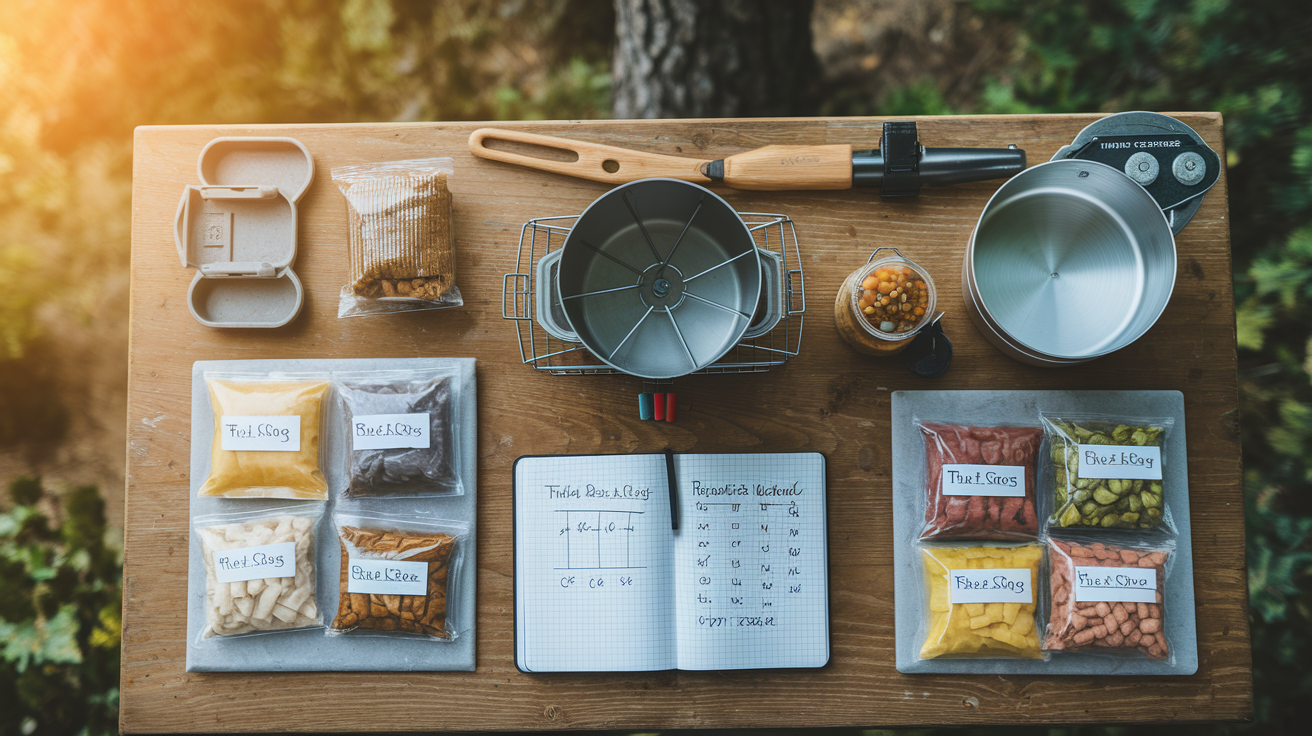
Start your food plan with simple math. Number of campers times number of days, then add 1 to 2 extra
Final Words
You’ve got a compact, printable packing list that separates first-come campgrounds from dispersed sites and groups gear into shelter, cooking, water, clothing, safety, navigation, sanitation, and repair items.
Use the Before leaving and If the first site is full checks to plan backups: confirm water and permits, test your tent and stove at home, and download offline maps. Carry extra water and fuel when possible.
Treat this reservation-free camping checklist for first-timers as your quick pre-trip routine: do the prep, pick legal backups, and enjoy a safer, more relaxed trip.
FAQ
Q: What is the 3-3-3 rule for camping?
A: The 3-3-3 rule for camping is a survival guideline: 3 minutes without breathable air, 3 hours without shelter in extreme conditions, 3 days without water, and 3 weeks without food.
Q: What are the must-haves for my first camping trip?
A: The must-haves for a first camping trip are shelter and sleep gear, water and treatment, cooking basics, layered clothing, a first-aid kit, lighting/navigation, and food plus a simple repair kit.
Q: What is the 200 rule for camping?
A: The 200 rule for camping means keeping camps, toilets, fires, and food storage at least 200 feet (about 60 meters) from water, trails, and other campsites to protect water and wildlife.
Q: What are the seven C’s of camping?
A: The seven C’s of camping are a planning checklist: Clothing, Cover (shelter), Cooking, Containers (water), Comforts (sleep system), Care (first aid), and Communication/navigation.