

Have you ever wondered if nature's own gifts could keep our wild world strong for future generations? Our Earth offers shelter and resources much like a well-set up tent, but overuse can wear it down. In this post, we're chatting about how combining gentle care for our land and water with smart planning can keep nature healthy. We'll share some ideas on how a thoughtful approach today can build lasting, vibrant systems for tomorrow.
Defining Sustainable Conservation for Integrated Resource Management
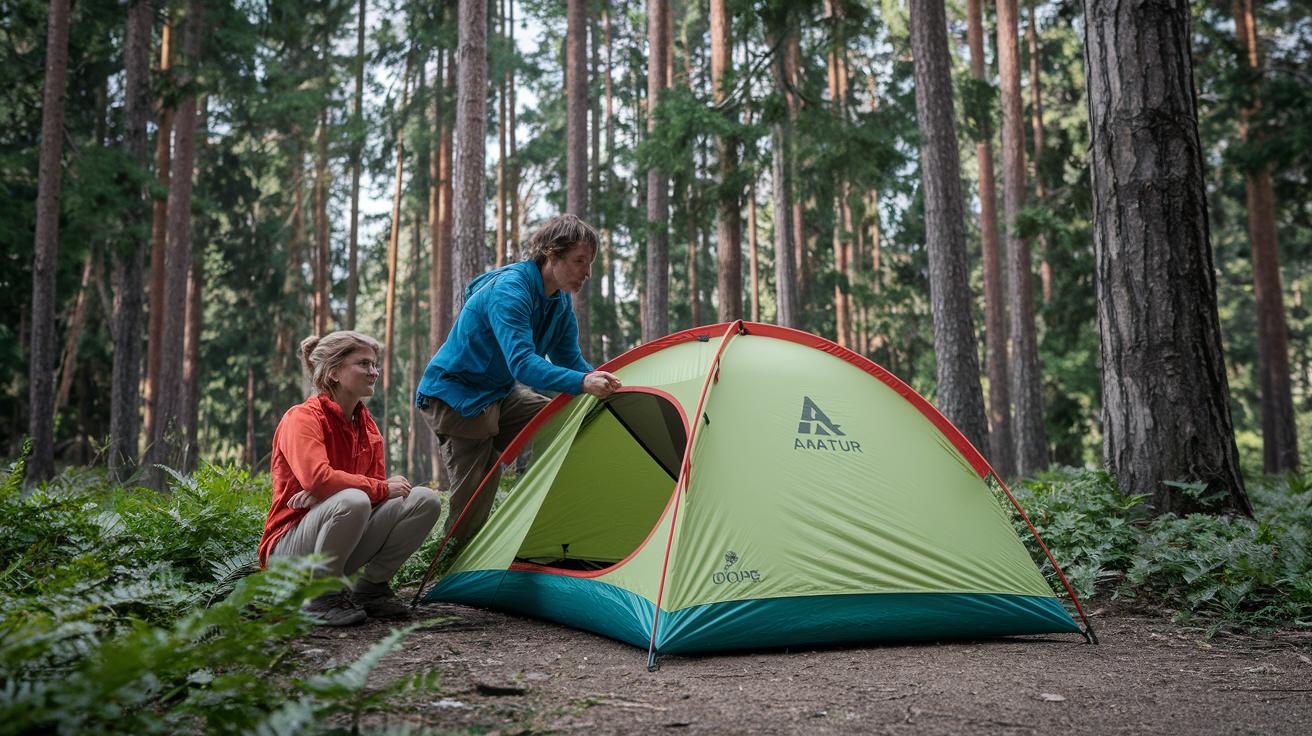
Sustainable conservation is all about caring for our natural world so it stays healthy today and for future adventurers. It started with the Brundtland Commission back in 1987, which reminded us that we should meet our needs now without making it tougher for the next generation. Picture setting up a tent that not only shelters you in a sudden downpour but also stands firm for a friend on the trail. That’s the heart of sustainable conservation.
Conservation means taking care of what we have right now, while sustainability is about making sure our resources keep on giving for years to come. Think about deforestation, cutting down trees so fast that it makes up about 12% of global greenhouse gas emissions. That loss messes with our air to breathe and the water we drink. It’s like a campfire that needs time to build up again; sustainability means giving nature the time it needs to renew itself.
When we blend conservation with sustainability, we build a system where caring for nature and meeting our needs walk side by side. By mixing smart conservation with forward-thinking practices, communities can manage today’s demands while planning for a greener future. Integrated resource management is like packing a balanced backpack, one part sets up safety rules for nature, and the other part holds practical steps to cut down emissions and use land and water wisely. Curious to learn more? Check out “What is Sustainable Development” at https://blackandburlap.com?p=252.
Eco-Friendly Strategies in Sustainable Conservation
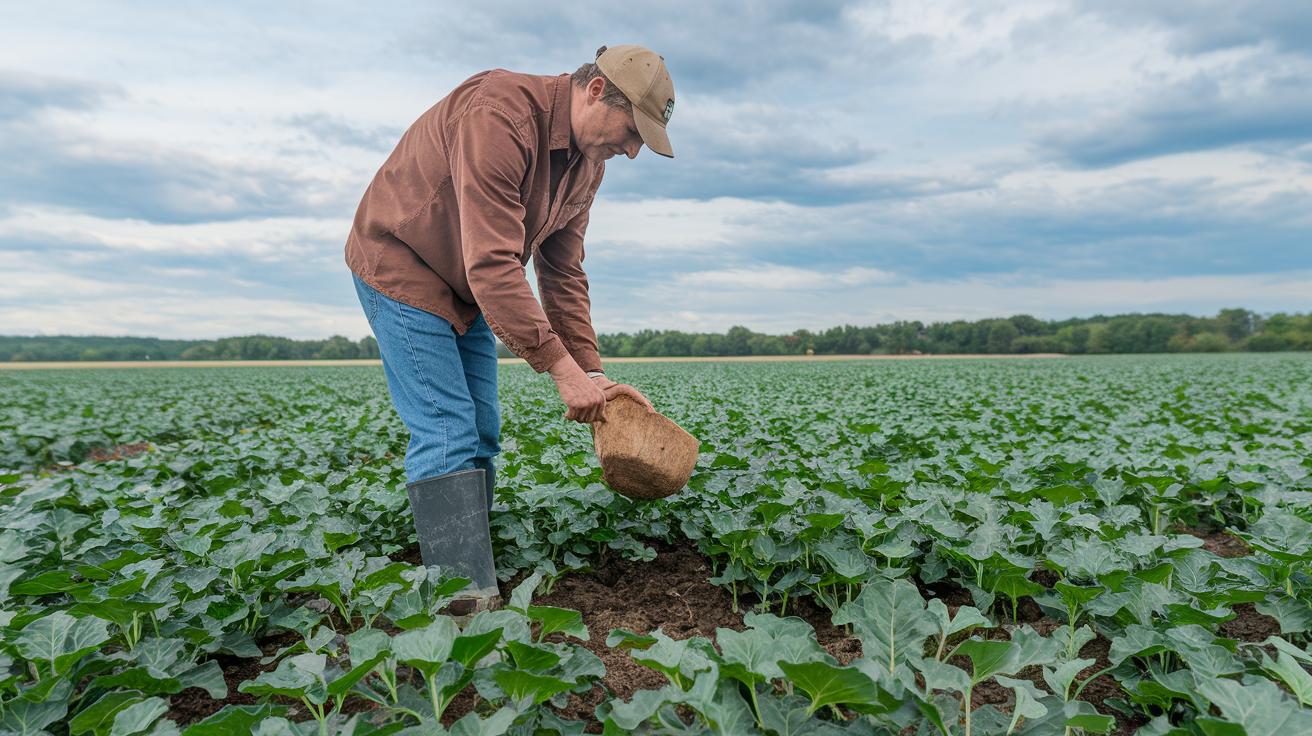
Our journey toward a healthier planet starts with simple, nature-loving actions. It’s all about rethinking how we care for our land, water, and air. By managing our natural resources wisely, we can cut down on waste, reduce carbon emissions, and help nature find its balance again. Think about the fresh scent of rain on the forest floor or fields cared for with tenderness, those are the real rewards of treating the earth right.
Conserving our surroundings means mixing modern ideas with time-tested ways. For instance, using cover crops (plants grown to protect the soil) and gentle tilling boosts the soil's health, while also trapping carbon and supporting steady food production. Using smart irrigation systems and understanding how water moves in our watersheds saves every precious drop. And by embracing a waste-reducing, circular economy, we keep our land cleaner. In short, it’s about working together with nature, each step making our world a little kinder.
Here are some practical ways to put these strategies into action:
- Planting new trees and blending forests with farmlands
- Adopting conservation tillage to keep soil strong
- Using water-saving techniques like drip irrigation and studying local watersheds
- Practicing low-impact, organic farming methods
- Cutting down on waste with a circular-economy approach
- Switching to renewable tools like biochar and solar-powered pumps
Each of these ideas builds a clear roadmap for eco-friendly living. They help us use our natural resources wisely while keeping waste low and nature vibrant. Curious about more details? Check out Sustainable Practices.
Sustainable Conservation: Thriving Natural Development
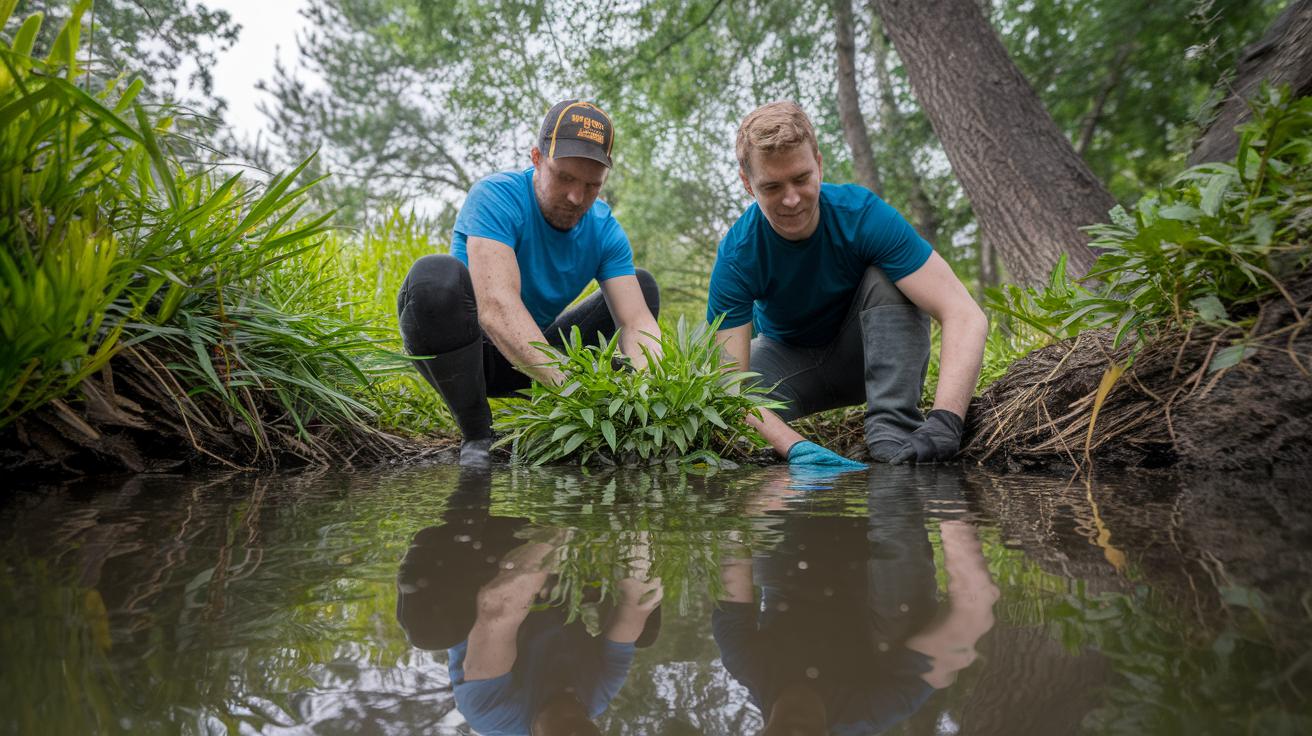
Real-world examples show that mixing hands-on work with smart planning can really boost our environment’s strength and health. These projects prove that working with nature isn’t just a big idea, it’s a series of down-to-earth steps that help people and wildlife thrive side by side.
Accelerating Restoration
In the Lagunitas Creek Watershed, teams are busy cleaning up water and welcoming back native species. They focus on getting rid of harmful runoff and planting native species along the creek's edge. By 2024, reports showed clear benefits, with cleaner water and a noticeable comeback of fish and birds. Imagine the gentle sound of water bubbling over smooth rocks as nature comes back to life.
Solutions in Our Soil
Farmers in pistachio orchards have started using new soil care methods that improve how water soaks into the ground. By adding the right nutrients and cutting back on heavy tilling, the soil keeps more moisture, giving plants a better chance to grow. Picture that fresh, earthy smell after a good rain, with the soil quietly nourishing the roots. These practices not only help the crops but also lower the carbon footprint, a win for both nature and farming.
Water for the Future
In California’s Central Valley, experts are refining water use with detailed modeling and stream-gauge tweaks. These small adjustments help track water flow so that every drop is valued, much like fine-tuning an old guitar. Such changes make sure farms, neighborhoods, and wild lands all get the water they need.
Bringing It All Together
These projects show how blending practical fieldwork with thoughtful planning makes a real difference. Whether it’s restoring a creek, nourishing the soil, or protecting water resources, every effort counts. It’s a reminder that sustainable conservation can meet our needs today while honoring nature’s promise for tomorrow.
Policy Frameworks and Funding Models for Sustainable Conservation
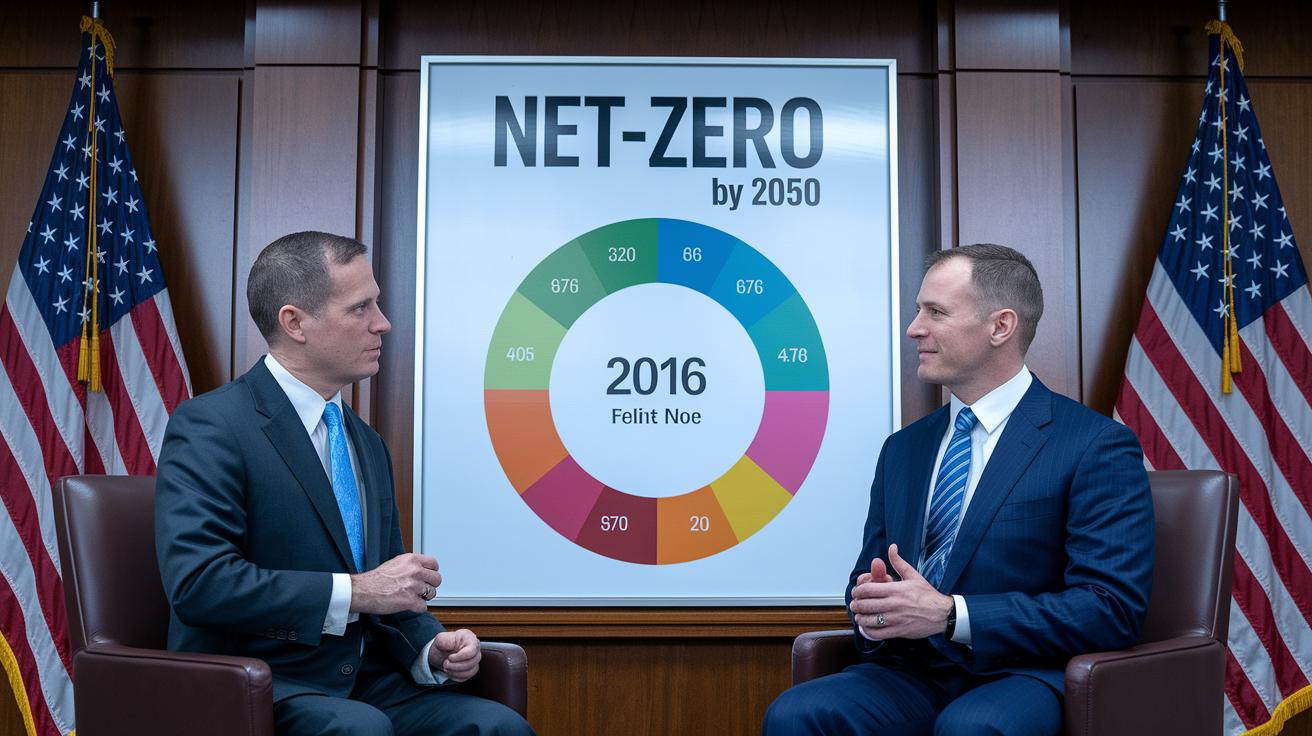
Ever wonder how our world started taking care of nature the way we do now? It all began with the 1987 Brundtland Commission report. That report set the stage for ideas focused on protecting nature and using our resources wisely. Since then, leaders have crafted plans that meet our current needs without using up what future generations will need. Today, state and federal efforts even aim for big goals like net-zero by 2050, guiding us all toward better care for our environment.
Money plays a big role in these green plans. Support comes in different ways, like corporate gifts, donor funds, and ongoing donations. These funds help pay for long-term projects and back awards like the Leopold Conservation Award. Winners like Hat Creek Grown, Iron Horse Vineyards, and Stemple Creek Ranch show how smart funding can lead to great conservation work.
Policy isn’t just about making rules, it shapes real changes on the ground. By adding goals like net-zero into the mix and backing projects with steady funds, we’re building a culture where protecting nature and keeping our economy strong go hand in hand. In the end, government plans, private efforts, and community actions all work together to create a greener, more sustainable future.
Community Engagement and Education in Sustainable Conservation
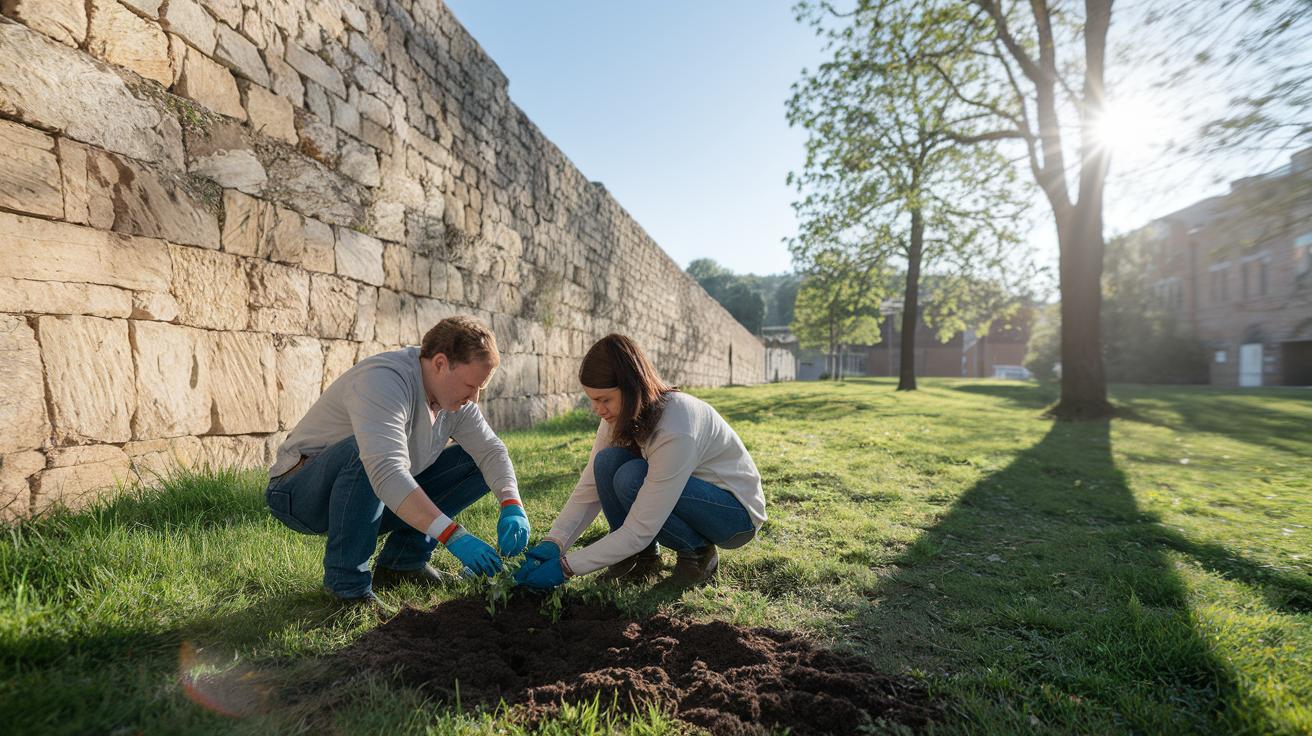
Community-led projects bring us together to look after our natural world. Local workshops, hands-on courses, and neighbor-run events turn conservation into something fun and easy to join in on. They give us a chance to learn useful skills while connecting deeply with the places we call home.
Volunteer and Training Programs
Imagine spending a relaxed afternoon learning how to care for historic sites and local nature, with friendly experts guiding you along the way. The SCT Skills Craft Training Workshop and Conservation School curriculum offer real-life practice in preserving our heritage. It’s like joining a tight-knit group that values both the past and the land around us.
Partnerships and Grants
Ever thought about getting a little extra help with your conservation dreams? Programs such as the British Council x Royal Commission’s AlUla Grant link up motivated individuals with funding and the right tools. For the 2025 group, this means a solid boost of resources and support to handle environmental challenges and take care of our shared spaces.
Outreach and Learning Resources
Bright ideas spread fast these days. Webinars, newsletters, and engaging YouTube videos share hands-on conservation tips with everyone. Notes from field trips at places like Gosport Alleyways and The Slaughterhouse bring local history to life, showing us how nature care works in the real world. Together, these efforts spark the passion and skills needed for lasting environmental care.
Technology and Innovation Driving Sustainable Conservation
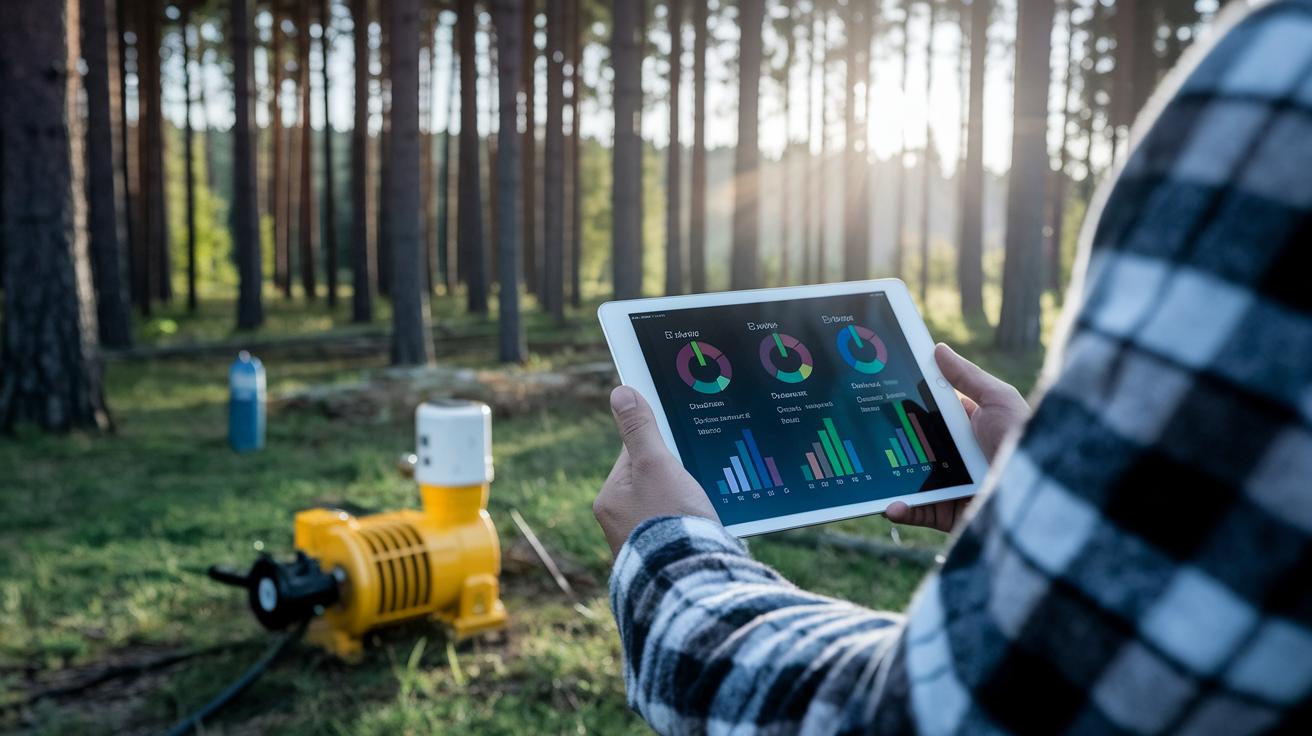
New technology is changing the way we keep an eye on nature. We now use smart tools like data dashboards and platforms that help balance out carbon emissions. With clear numbers, teams can plan steps to reduce harm, much like a forester choosing a safe path through the woods. Plus, these modern devices let us feel the true pulse of the environment.
Innovative gear is really boosting conservation efforts. Tools like water modeling (think of it as drawing a map of water flow) and field sensors help teams watch water use and catch small shifts in streams. Renewable fixes like solar-powered pumps and special soil treatments help us use nature’s gifts wisely. In truth, these gadgets turn complex data into simple actions for a greener outcome.
Looking ahead, there are exciting eco trends on the horizon. Businesses now blend smart supply-chain tools with eco-friendly material choices to manage resources better. Energy-saving technologies continue to grow, making water, energy, and farming more efficient. These advances show a future where technology and nature work hand in hand, guiding us toward a more sustainable and vibrant earth.
Measuring Impact in Sustainable Conservation
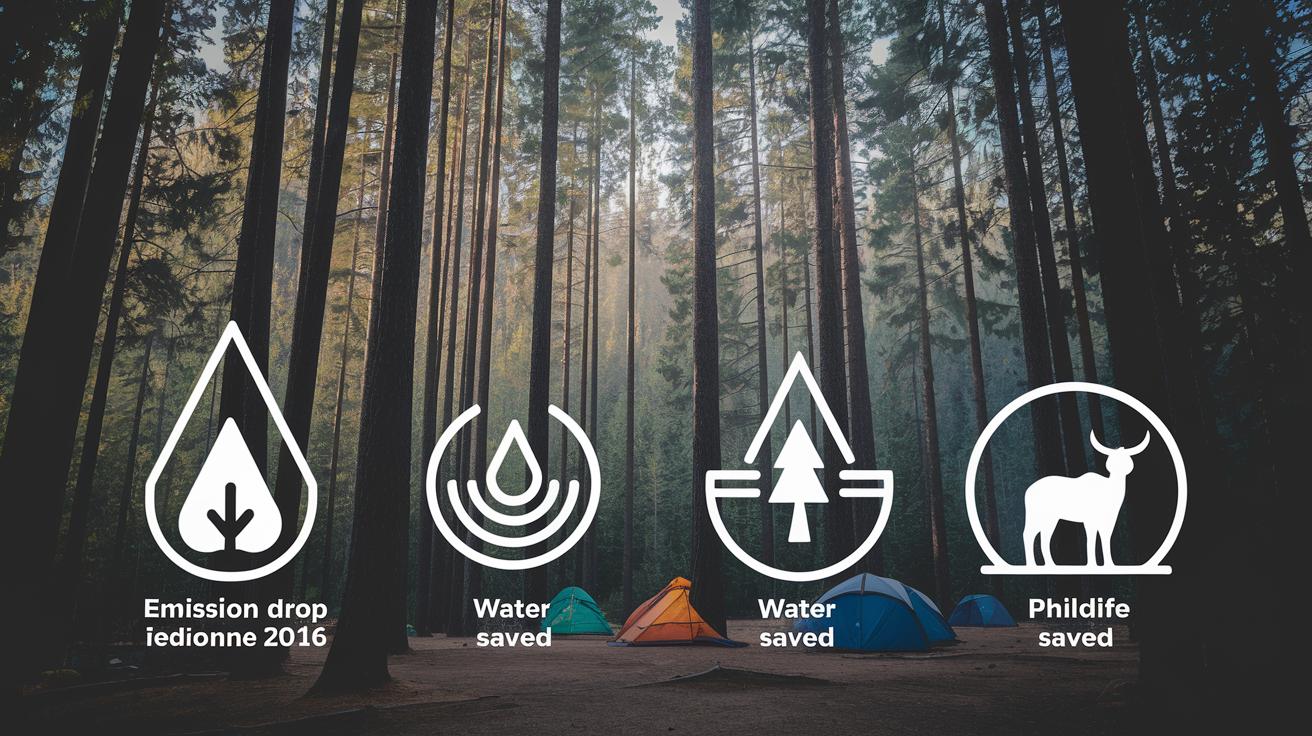
We keep a close eye on our work, tracking clear numbers that show our progress. It's like checking your campsite log to see how much water you saved or counting the trees that keep the forest safe. We measure things such as the drop in harmful gases, reforested land, and water conserved. Every single number tells us that our efforts are making nature a bit stronger.
We also pay attention to the little wonders of nature. For example, we count the changes in wildlife and aim to hit a net-zero year. When we put together reports, just like the notes from our 2024 Annual Report, those numbers become a trusty map that shows improvements in cleaning the air and water, all thanks to smart resource care.
| Metric | Description | Example Value |
|---|---|---|
| GHG reduction (%) | Percentage decrease in greenhouse gas emissions | 15% |
| Acres reforested | Land area restored through tree planting | 500 acres |
| Water saved (gallons) | Gallons of water conserved through improved practices | 200,000 gallons |
| Biodiversity index change | Improvement in species diversity measured through an index | Increase of 10 points |
| Net-zero target year | Year by which carbon emissions are planned to reach zero | 2050 |
These numbers help us see the whole picture. We reduce harmful gases and bring nature back into balance, one careful step at a time. And each metric lights up the path ahead, guiding us towards even better ways to care for the great outdoors.
Final Words
in the action, we touched on core ideas like how clean resource management meets today’s needs.
We talked through key eco-friendly methods, real-life examples, supportive policies, community education, and modern tech that brings our plans to life.
These sections show how a balance of careful planning and everyday practices can lead to strong, long-term progress.
When we work together using sustainable conservation ideas, our outings become richer and safer, every step forward feels like a win for nature.
FAQ
What is meant by sustainable conservation?
The question “what is meant by sustainable conservation” means using practices that protect natural resources today while making sure they remain available for future generations.
Why is sustainable conservation important?
The question “why is sustainable conservation important” means sustainable conservation keeps our environment and local economies healthy, ensuring that natural resources are available both now and later.
What is the difference between conservation and sustainability?
The question about the difference means that conservation focuses on protecting what exists now, while sustainability means using resources in a way that keeps them available over time.
What is sustainable conservation of natural resources?
The question “what is sustainable conservation of natural resources” means applying careful, eco-friendly practices to manage and use nature’s resources without compromising their long-term availability.
Where can I find information on sustainable conservation organizations, jobs, and contact details?
The question “where can I find information on sustainable conservation organizations, jobs, and contact details” means checking official websites, LinkedIn profiles, and industry publications for details on job openings, board members, governing permits, and executive information.