

Have you ever wondered if Mother Nature might be our best electrician? When we use wind, sunlight, flowing water, the earth’s heat, and even organic materials, it’s like dipping into a natural store of clean power. These simple ways let us power our lives without extra smoke darkening the air.
In this guide, I'll share five easy renewable energy ideas that can keep your home running smoothly. Imagine setting up your energy the same way you’d arrange a campsite: step by step, simple and clear. Ready to see how nature's own tools can light up your world and reduce our impact? Let's dive in.
5 renewable resources examples: Bright eco tips
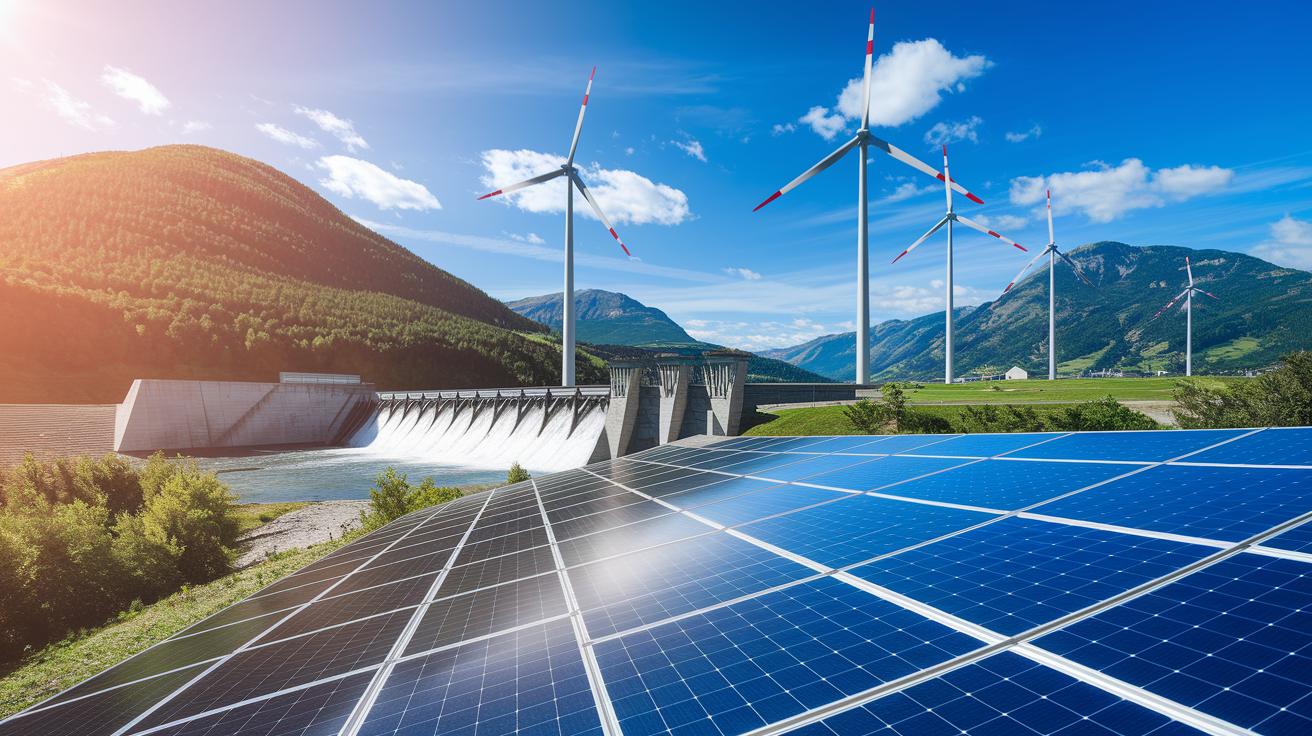
Renewable energy is nature’s gift, drawing power from sunlight, wind, water, Earth’s heat, and even organic materials. It’s like using nature’s pantry to cook up clean power with no extra carbon smog. Imagine setting up a campfire using only the best natural ingredients – that’s what renewable energy is all about.
Take solar power, for example. Special panels catch the sun’s rays to spark electricity, just like a reflective mirror. Wind power works by having turbines capture the breeze, turning gusts into energy. Then there’s hydropower, where the push of water, from mighty dams to a simple stream, spins a turbine to create power. Geothermal energy taps into the earth’s natural heat, using warm water or steam to set machines in motion. And biomass takes everyday waste, like wood chips or crop leftovers, and turns it into energy, kind of like transforming kitchen scraps into a hearty stew.
These nature-powered methods lower carbon emissions and build a more sustainable way to keep our lights on. They use resources that nature keeps renewing – a huge win for cutting our impact on the environment. By mixing these smart solutions, we can run our homes and businesses in a way that feels respectful and in tune with the world around us. It’s like paving a trail with both short-term comfort and long-term promise, guiding us toward a cleaner, more steady energy future.
Solar Energy Examples in Renewable Resources
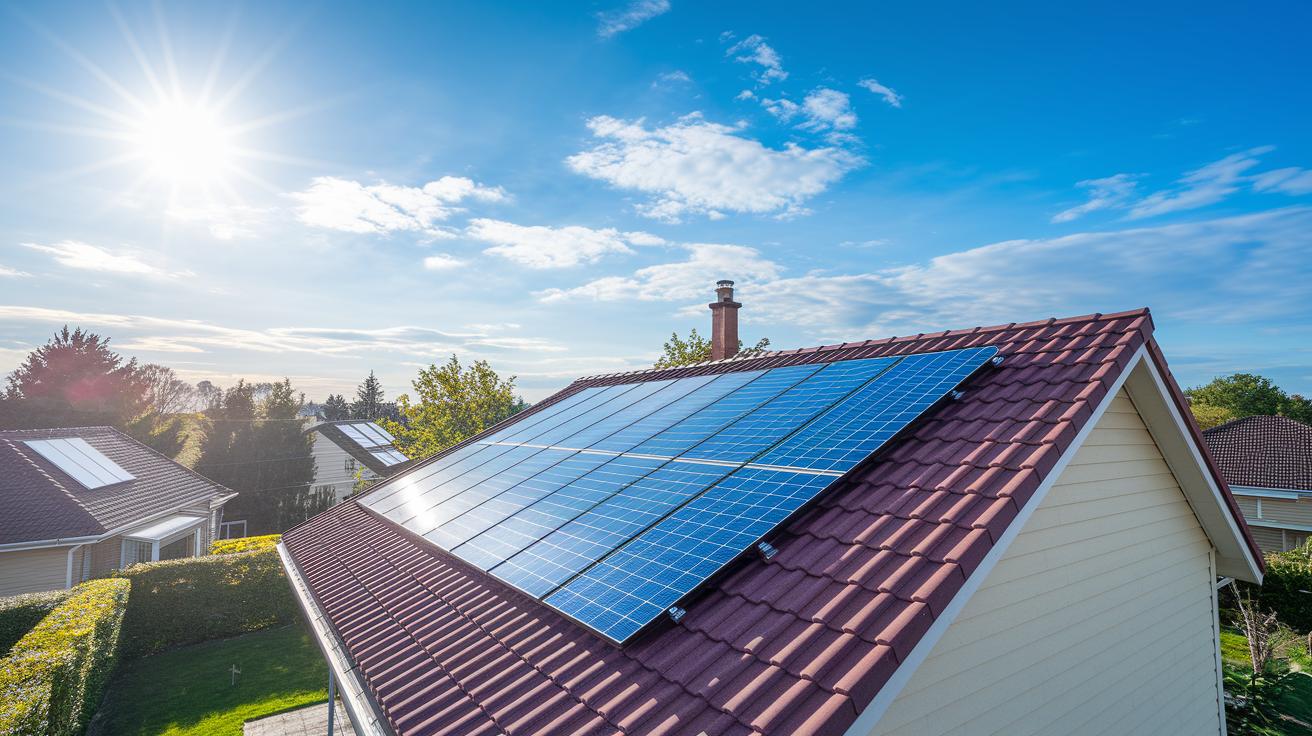
Solar panels work by catching the sun’s light using special cells (photovoltaic cells, basically little energy converters) that transform sunlight into electricity, heat, or even warm water. Imagine your roof dressed in panels, soaking up sunlight just like a flower in a bright meadow. These panels tap into an almost endless energy source, which can help lower your electricity bills over time and even make you eligible for rebates or tax credits. Home systems are small, quiet, and fit right into neighborhoods, while huge solar farms spread out over open fields power entire communities. Ever thought about a modest setup making a real difference in your energy costs? It’s like scoring an eco win right at home.
On a bigger scale, commercial solar installations follow the same basic idea, but they use sturdier gear to meet larger energy needs. They bundle lots of panels together, sometimes with tracking systems that follow the sun’s journey across the sky to capture more light. Still, solar energy has its challenges. The initial cost can be steep, and you need plenty of sun and space, cloudy days can slow things down. So while solar power is a smart, eco-friendly choice, its performance can sometimes vary with the weather and setup.
Wind Power Examples Among Renewable Resources
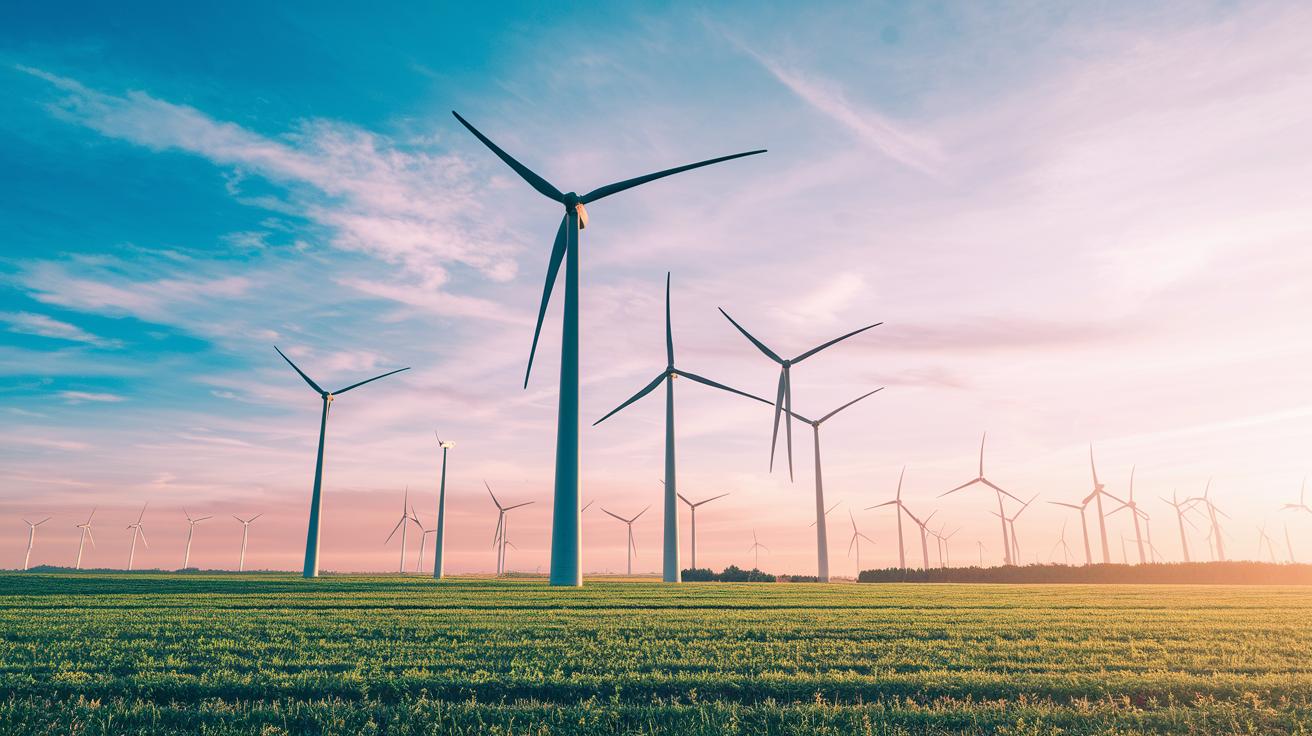
Wind turbines catch the breeze and turn it into energy, much like a giant pinwheel spinning in a bright field. Imagine a mix of turbines scattered across an open space, some small and some towering high, almost like nature's own windmills. Did you know one large turbine can power nearly 1,400 homes on a blustery day? It’s pretty amazing how each spin lights up homes without puffing out any carbon, and even creates local jobs in building and maintaining them. Each turn is a bit like adding a log to a warming campfire.
But, there are a few bumps on this trail. Many turbines are set up in far-off spots rich with strong winds, yet moving their energy to busy towns can cost extra. Sometimes, the noise of whirring blades and the sight of towering machines against the sky might bother nearby folks. Even wildlife, like birds and bats, can come too close and risk injury from the fast-moving blades. That’s why developers put a lot of thought into picking the right spots and designs, making sure to catch the wind’s power while keeping the community and nature safe.
Hydropower Examples in Renewable Resources
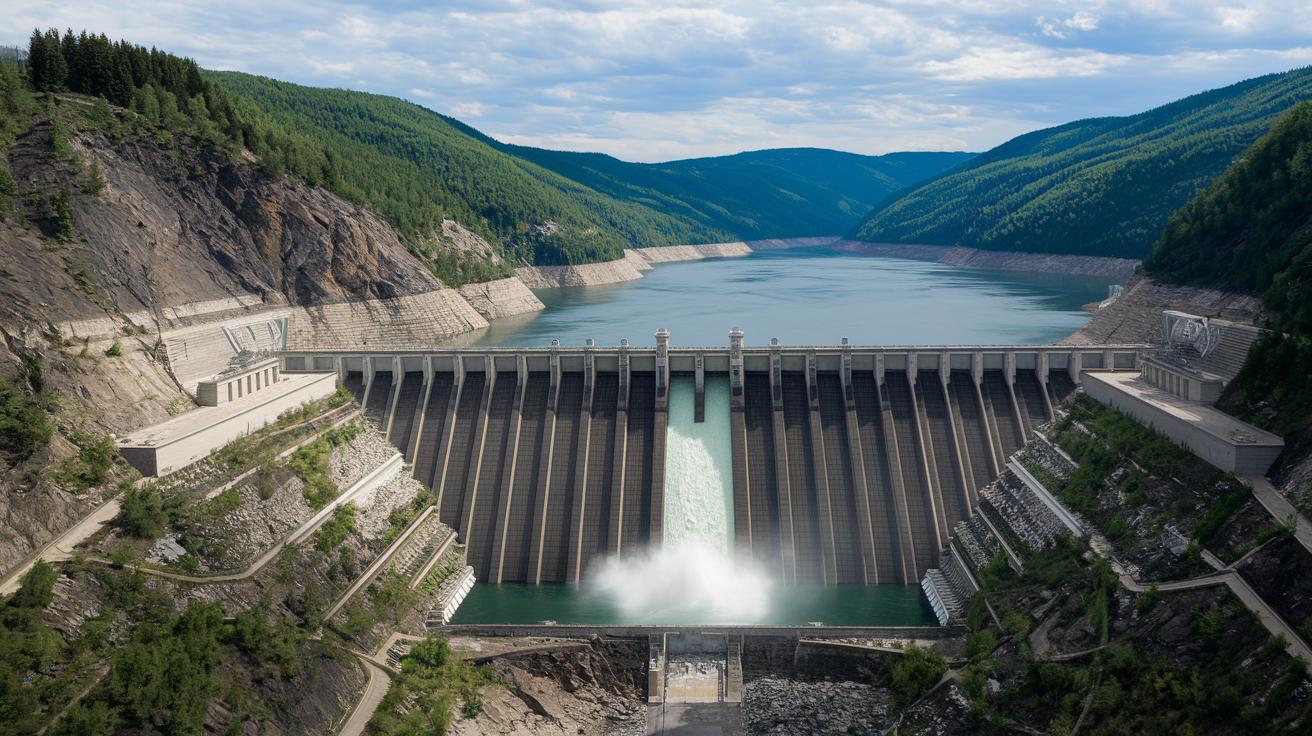
Hydropower turns the energy of moving water into electricity, kind of like a water wheel that spins as water flows past. Some systems are huge, like big reservoir dams that store water for steady power, while others are smaller run-of-river setups that use the natural flow of streams. There are even tidal projects that capture the ocean's natural push and pull. Imagine a massive dam holding back a lake versus a little hydro project by a bubbling creek, each one uses water’s movement to light up our homes and businesses with clean energy and almost no air pollution.
But, like any adventure, hydropower has its bumps. Large dam projects can change river habitats and mess with fish paths, and sometimes extra fossil fuels are needed to pump water when nature slows down. Smaller setups tend to be gentler on the land, though they might not work as steadily on dry or gloomy days. In short, hydropower gives us a strong, low-emission energy option while asking us to take care of our rivers and streams.
Geothermal and Biomass Examples of Renewable Resources
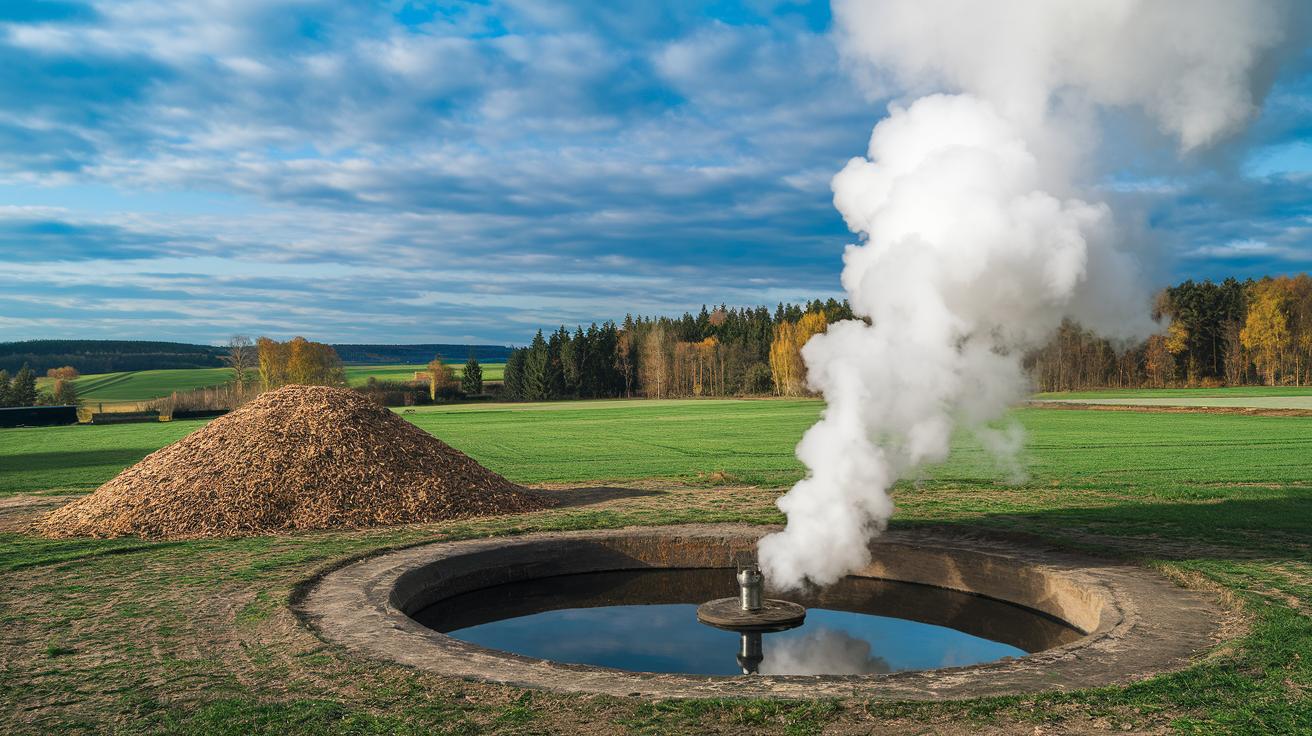
Geothermal energy is like a secret treasure hidden beneath our feet. It uses warm steam or hot water from underground to spin turbines, much like a campfire’s steady glow fuels evening stories. Imagine a quiet garden of heat bubbling away under the earth; that’s what powers homes almost every day, rain or shine. It takes up little room and offers reliable power, though the start-up can be a bit pricey and, in some spots, might even cause tiny tremors.
Biomass energy works in a similar, down-to-earth way by turning everyday organic leftovers, like wood chips, crop bits, or even landfill methane, into heat or electricity. Think of it as using nature's own scraps to keep your camp stove burning on a crisp night. While burning biomass releases a bit of carbon dioxide, nature balances it out as plants grow back in a cycle as dependable as the changing seasons. Experts are still refining this method, like perfecting a trail mix recipe, to one day fully replace fossil fuels.
Innovative Examples of Renewable Resources: Ocean Energy and Hydrogen
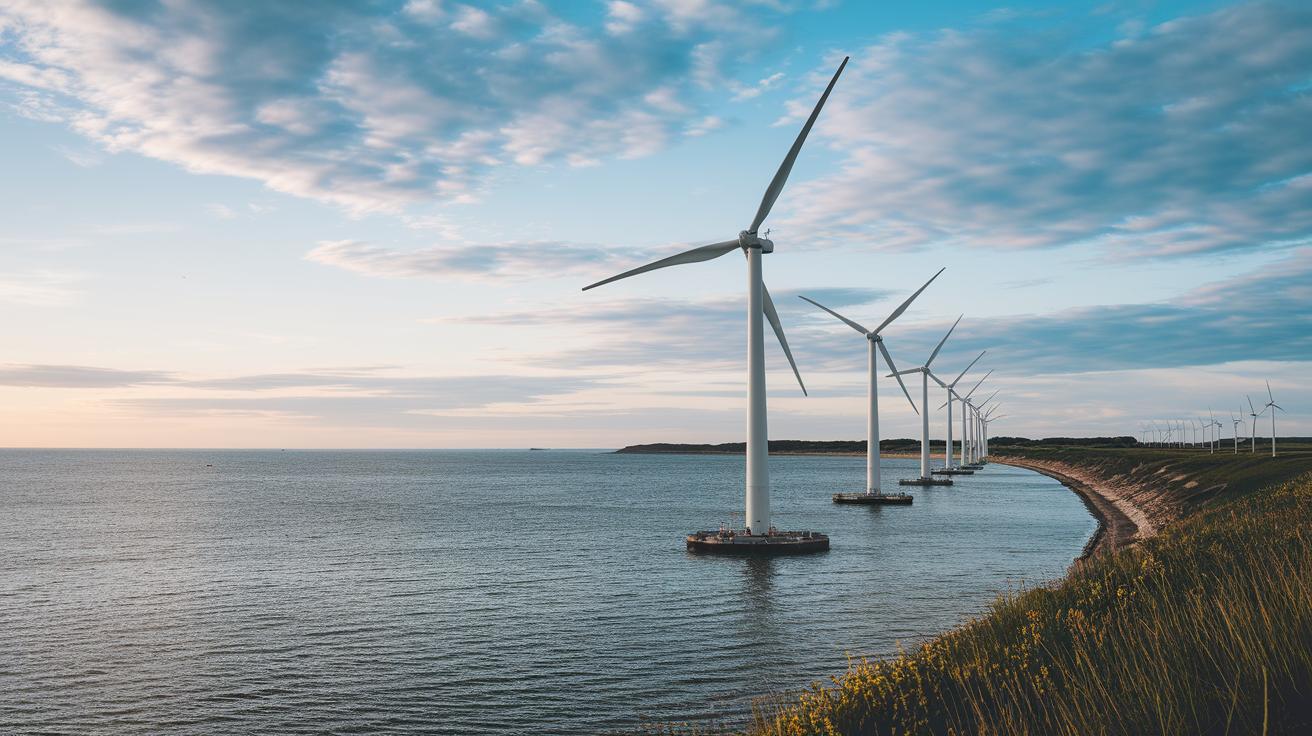
Ocean energy taps into nature’s steady rhythm of tides and rolling waves to create power. Picture large devices set up by the coast, riding the natural ups and downs of the sea to turn that motion into energy. Some experts say this method could produce as much as 2,640 TWh per year, enough to power nearly 94,000 U.S. homes with just 1 TWh. Systems like tidal barrages (dams built in tidal areas) and wave converters are designed for coastal use, but they must be carefully placed to protect marine life. It’s like setting up a weather vane in front of a reliable ocean breeze, letting nature’s timing do the heavy lifting for our energy needs.
Green hydrogen offers another exciting option. It’s made by splitting water into hydrogen and oxygen using a process called electrolysis. This hydrogen can power cells in everything from small gadgets to big vehicles, and the only byproduct is water vapor. The process is clean, but it does need a lot of energy to get started. Building the right facilities takes careful planning and a good supply of resources. Together, these advances in ocean energy and hydrogen show how we can team up with nature to create fresh, sustainable power.
Comparing Renewable Resources Examples vs Non-Renewable Sources
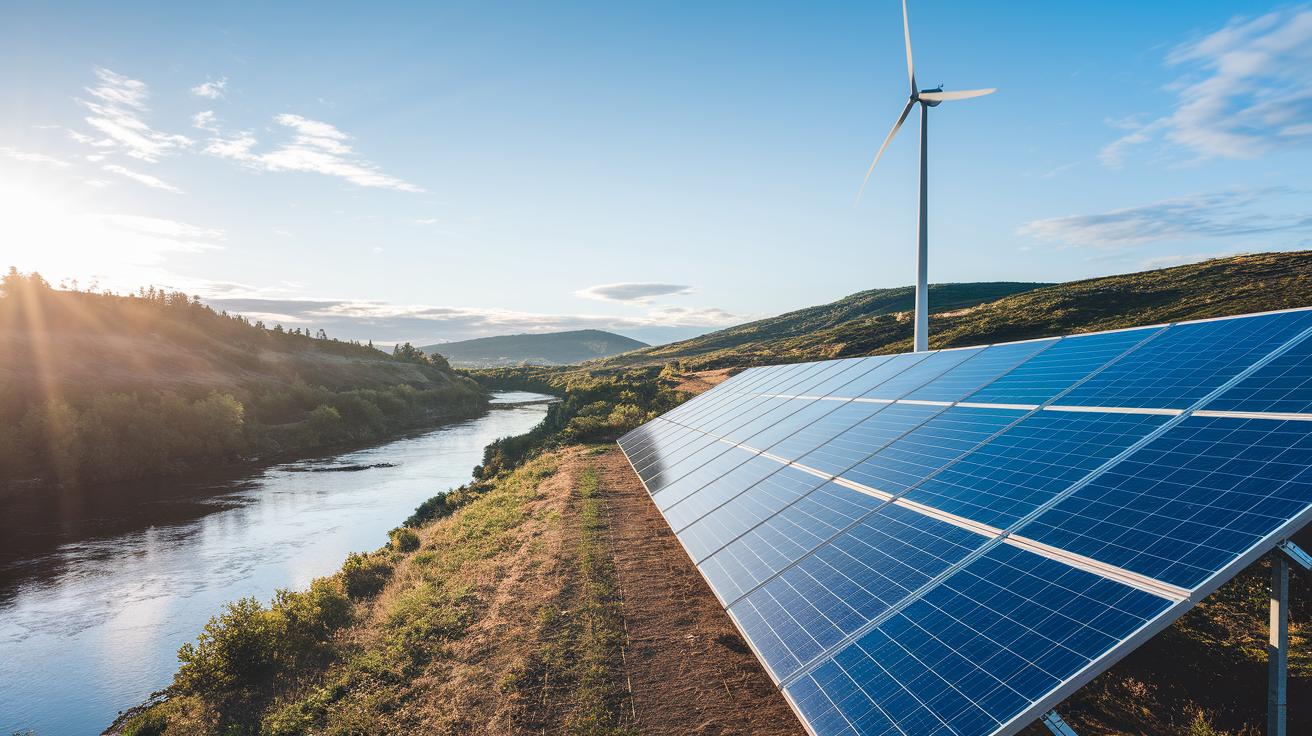
Renewable energy really stands apart from old-school fossil fuels because it hardly produces any CO₂. You know, it taps into nature’s own power, sunlight, wind, and flowing water, which get renewed almost like clockwork. Think of it as a clean trail in the wild, offering a smoother journey than the bumpy roads of coal and oil.
Sure, setting up solar panels, wind turbines, or hydropower may cost a bit more at the start. But over time, you save on upkeep and enjoy a healthier environment. It’s a bit like investing in a trail that might be rough in spots at first but leads to beautiful vistas down the road, all while supporting local jobs and cutting back on air pollution.
In contrast, fossil fuels depend on resources that run out and pump out heavy carbon emissions. Even with low upfront costs, you end up paying later in environmental cleanup and scarcity issues. But bright minds are forging new paths. Today, projects mix wind and solar power, use green hydrogen (a clean fuel alternative), and build small, local power grids. These innovative approaches blend the best of renewable sources to craft smart energy systems for a greener future.
| Resource | CO₂ Emissions | Replenishment Rate | Typical Use |
|---|---|---|---|
| Solar | Minimal to zero | Continuous (sunlight) | Residential & Commercial Power |
| Wind | Minimal to zero | Continuous (wind flow) | Utility Scale & Local Generation |
| Hydropower | Minimal to zero | Variable (water cycle) | Large Dams & Run-of-River Setups |
| Coal | High | Finite (mined resource) | Electricity Generation |
Final Words
In the action, our guide took you through how nature's power comes to life. We broke down how solar, wind, hydropower, geothermal, and biomass step in to produce clean energy. The post also shared energy transition models and renewable resources examples that help compare modern energy methods with the old ways. Each example painted a clear picture of how turning natural forces into electricity can power our lives sustainably. Keep exploring, stay curious, and step forward with the spirit of nature lighting your way.
FAQ
What are non renewable resource examples?
The non renewable resource examples include oil, natural gas, coal, uranium, and propane. They come from sources that do not replenish quickly and eventually run out.
What are 10 examples of renewable resources?
The examples of 10 renewable resources include solar, wind, hydropower, geothermal, biomass, tidal power, wave energy, green hydrogen, biofuels, and rainwater harvesting, each naturally replenished.
What are renewable energy examples and their benefits?
The renewable energy examples feature solar, wind, hydropower, geothermal, and biomass. They help cut emissions, lower long-term costs, and provide a steady supply using nature’s regular offerings.
What are the advantages of renewable energy?
The advantages of renewable energy include clean power generation, fewer harmful emissions, and long-term savings, while using energy sources that nature continuously replenishes.
What are common examples of renewable and non-renewable resources?
The renewable resources include solar, wind, and biomass, while non renewable sources include oil, coal, and natural gas. Renewables naturally replenish, unlike the fossil fuels which are finite.
What are 5 common renewable resources?
The five common renewable resources are solar, wind, hydropower, geothermal, and biomass. Each relies on nature’s regular input, providing sustainable energy without depleting the source.
What are the 7 main sources of renewable energy?
The seven main sources of renewable energy include solar, wind, hydropower, geothermal, biomass, tidal, and wave power. They each use natural forces to produce cleaner electricity.
What are 20 examples of renewable resources for class 8?
The 20 examples for class 8 include solar, wind, hydropower, geothermal, biomass, tidal power, wave energy, green hydrogen, biofuels, rainwater harvesting, and more, showcasing a broad range provided by nature.