

Ever feel like your pack is already weighing you down before you step onto the trail? Picture setting up your load like you would arrange a neat campsite, placing every item just right to ease the strain. This guide walks you through a simple way to pack your backpack so everything stays balanced, almost like stacking smooth stones along a clear path. Ready to shed extra weight and hit the trail with clear, easy steps? Let’s dive in and make your journey a little more comfortable.
Step-by-Step Packing Fundamentals for a Backpacking Backpack
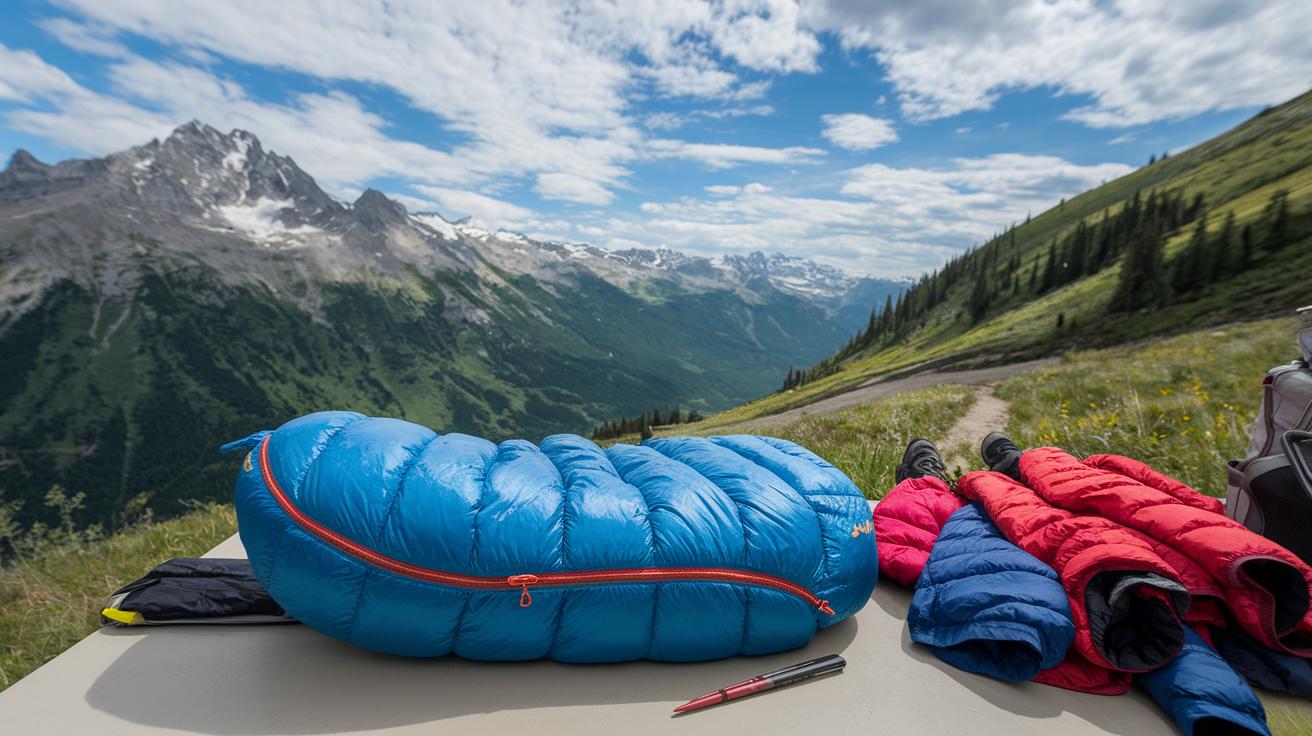
Before you set off, spread out all your gear on a flat surface. Take a good look at each piece and ask yourself, “Do I really need this?” Sometimes you end up with extra items, like having two similar jackets when one would do the trick.
- First, lay out every bit of gear. Check each item and decide if it’s necessary. I remember once laying out my tent, stove, food, and extra jackets, then realizing I was carrying duplicate items.
- Next, use your compressed sleeping bag as the foundation of your pack. Think of it as your base camp, it goes right at the bottom for extra protection and stability.
- Pack in layers: start by placing lightweight items at the bottom to create a solid base, similar to setting up a trail marker.
- Then, load heavier items in the center, snug against your back. This helps ease the strain on your shoulders, like finding the perfect balance on a rocky ledge.
- For things you might need while on the move, rain cover, snacks, or a map, place them in the top “brain” compartment so they’re always within reach.
- Keep the compression straps loose while you’re packing. Let your gear settle naturally before you pull everything tight, like waiting for the right moment on the trail.
- Finally, tuck small essentials into the pockets of your hip belt or lid. And a quick tip: avoid strapping heavy or bulky gear to the outside to keep your pack balanced.
Follow these simple steps, and you’ll end up with a pack that feels comfortable and ready for your next outdoor adventure. Isn’t it satisfying when everything is set, just like a clear trail under the morning sun?
Essential Gear Checklist for Packing a Backpacking Backpack
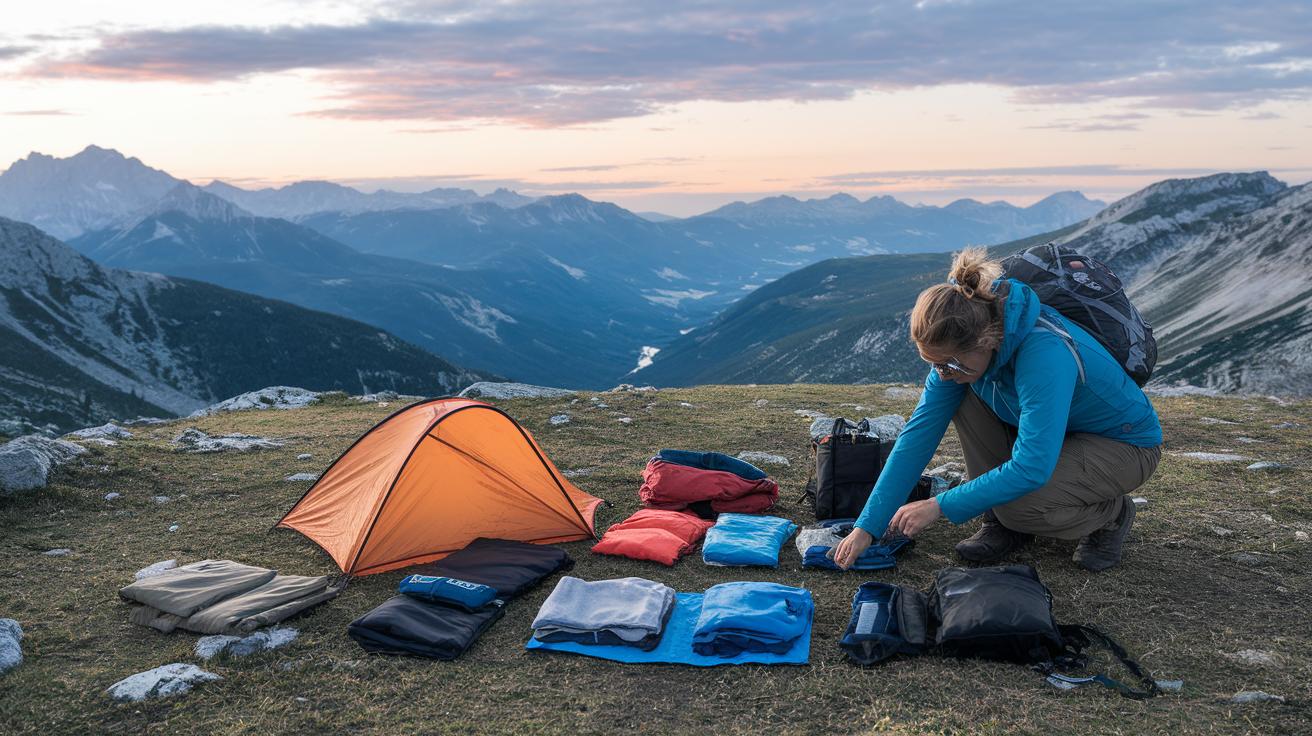
Start by spreading out all your gear and food on a flat surface. Take a good look at each piece and ask yourself if it’s really needed. This step helps you cut out duplicates and extra items that only add weight. Sort your gear by its use so you can easily see what you have and what doesn’t quite fit. It’s like choosing the perfect trail essentials before your adventure, each item has to earn its spot.
- Shelter (tent, footprint)
- Sleep system (sleeping bag, pad)
- Cooking (stove, fuel, cookware)
- Clothing (base layers, insulating layers, rain shell)
- Navigation (map, compass, GPS)
- Hydration and water treatment
- First aid kit
- Food
Once you’ve sorted your items into these eight groups, take another look at each pile and remove anything extra. This careful check helps lighten your load and keeps only the really important tools with you. By focusing on what works best for your trip instead of extra weight, you set yourself up for a smoother, more enjoyable adventure.
Optimizing Weight Distribution in Your Backpacking Backpack

A balanced pack makes your day on the trail much easier. Think of it like setting up a cozy campfire, each piece of gear has its place. Heavy items belong close to your back, lighter stuff forms a sturdy base at the bottom, and the items you need quickly sit right on top. Try shifting things around and tweaking your straps on different trails. It’s a bit like testing out new boots on a rocky path.
- Tuck in heavy gear like food, your stove, and a water filter (a simple tool to clean water) right in the middle of your pack, pressed against your back. Picture it as pushing your supplies snugly against your spine.
- Let your sleeping bag and extra clothing settle at the bottom, making a firm, cushioned base.
- Keep your rain gear, snacks, or headlamp in the top compartment so you can grab them fast if the weather changes.
- Adjust the shoulder straps and tighten the hip belt so the weight shifts to your hips, easing the load on your upper body.
- Start with compression straps loose while packing, then snug them down once your gear is in place to lock everything in.
These tips mix solid packing basics with a few balancing tweaks. They help keep your pack steady on uneven trails and give you that custom fit every time you head out.
Space-Saving Methods for Your Backpacking Backpack
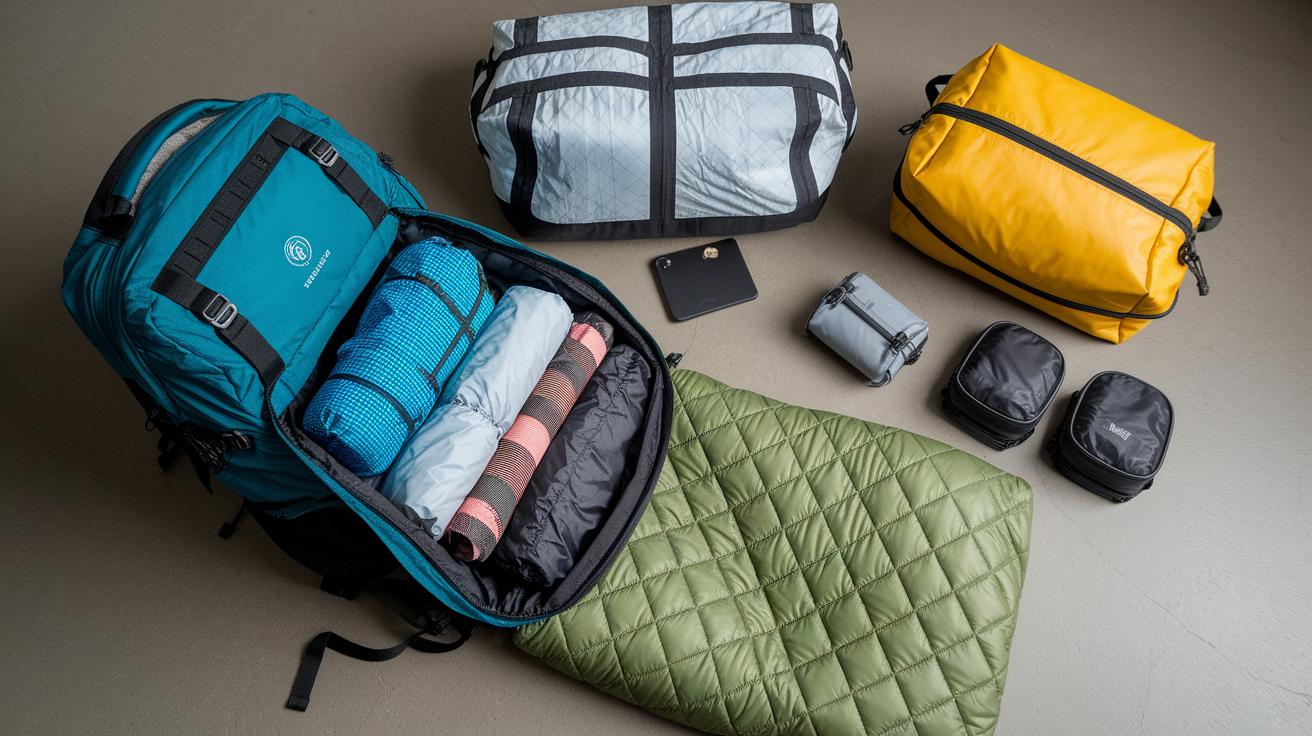
Packing your backpack can feel like putting together a fun puzzle. Start by laying your well-compressed sleeping bag at the bottom. It saves space and gives your pack some cushioning. Neat folds and smart organization can free up extra room that might be wasted otherwise.
Tuck those bulky clothing layers into compression sacks so they take up less room. Then, roll your clothes in packing cubes to help reduce wrinkles and fill any empty spots. You might even use small dry bags or modular organizers for your electronics, toiletries, and snacks. And if you like a lighter load, check out an ultralight backpacking list for more tips.
- Place your sleeping bag at the base and keep it well compressed.
- Use compression sacks for bulky items like extra clothing and your sleep system.
- Roll garments in packing cubes to reduce wrinkles and fill gaps.
- Use modular organizers or small dry bags for electronics, toiletries, and snacks.
External Attachment and Compartmentalization Methods for Backpacking Backpacks
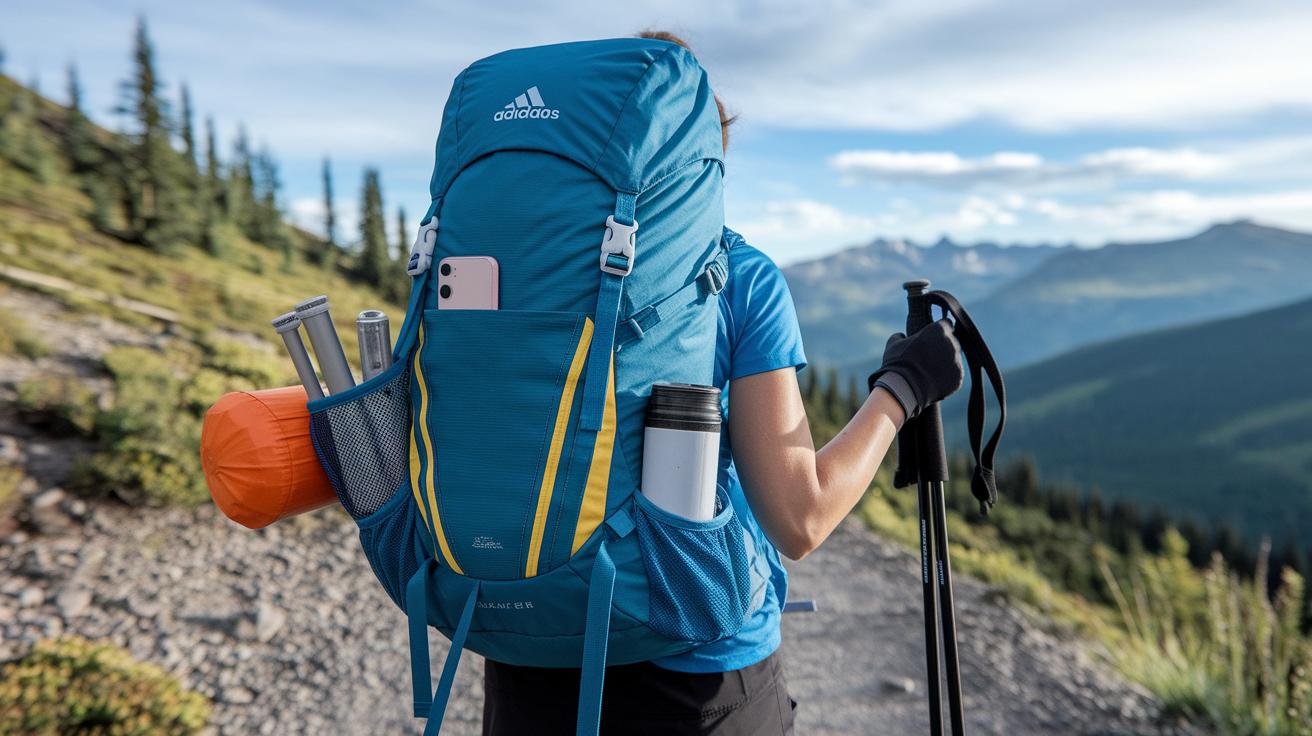
When you're out exploring nature, using your backpack's external pockets can be a real game-changer. It’s like having an extra hand to grab what you need without slowing you down on the trail. Stick to lighter gear on the outside and keep the heavier items safe inside your pack’s built-in pockets.
- Keep heavy or bulky items inside your pack so they don't throw off your balance.
- Leave the compression straps loose while packing, then tighten them only once every piece is stowed.
- Use the lid pocket for small, quick-grab items such as your phone, sunscreen, or headlamp.
- Only attach lightweight gear externally, like trekking poles, an inflatable sleeping pad, or a foam sit pad.
- Organize your hip-belt pockets with everyday essentials like maps and snacks that you need at hand while moving.
- Save the external attachment points for gear that adds convenience without shifting your pack’s center of gravity.
These tips help keep your pack stable and easy to access, letting you focus on enjoying your adventure every step of the way.
Troubleshooting Common Packing Mistakes in a Backpacking Backpack

A well-balanced pack can be the difference between a smooth hike and feeling off every step of the way. Even a small packing mistake can throw your whole adventure out of whack. Here are a few common slip-ups and some down-to-earth fixes:
-
Overstuffing side pockets or the bottom compartments with heavy gear.
Instead, only put lightweight items there so your pack stays balanced, like keeping your center of gravity steady as you climb a rocky trail. -
Using hydration reservoirs for long, multi-day trips.
For shorter hikes, try water bottles instead. This makes packing a bit simpler and cuts down on extra bulk, leaving your pack feeling lighter. -
Ignoring those early hints of discomfort while on the trail.
If your pack starts to feel off, take a moment to stop and adjust the load. It’s like retying a loose tent stake when the wind picks up. -
Leaving empty gaps inside your pack.
Fill those spaces with extra clothing or soft items so nothing shifts around as you move, sort of like tucking in your essentials to keep them safe.
Always give your pack one final test run before you head out to catch any last-minute issues.
Final Words
In the action, we walked through setting up a smart gear layout, managing weight distribution, and saving space with thoughtful folding and compression. We also covered best ways to use pockets and straps while sidestepping common mistakes.
Each section built on practical steps that feel like real, on-trail know-how. The outline gave clear steps you can try on your next trek. Embrace these tips when learning how to pack a backpacking backpack, you’ll be set for a safe, memorable outing.
FAQ
How do I pack a backpacking backpack for a multi-day trip (3-4 days)?
Packing a backpacking pack for a multi-day trip means sorting gear by weight and purpose. Lay items out, use the compressed sleeping bag as a foundation, and keep heavy loads near your back for comfort.
How do I pack a backpack for travel, overnight use, or as a beginner following forum advice?
Packing a backpack for travel or overnight means starting with a complete gear list and using a layered approach. Place heavy items against your back and store fast-access items in outer pockets for ease on the trail.
How do I properly pack a backpacking backpack?
Properly packing a backpack means following a structured system: lay out all gear, build your base with a compressed sleeping bag, layer items from heavy near your spine to light at the bottom, and secure extras in top pockets.
What is the 20% rule for backpacking?
The 20% rule in backpacking means that your food should weigh around 20% of your total pack weight. It helps keep your load balanced and eases shoulder strain on long hikes.
What are the big 4 in backpacking?
The big 4 in backpacking means you should prioritize shelter, the sleep system, cooking gear, and clothing. These four areas cover the basics for staying covered, fed, comfortable, and safe on trails.
What are the 10 essentials when backpacking?
The 10 essentials when backpacking means carrying items such as a map, compass, sun protection, extra clothing, first aid kit, headlamp, fire-starting tool, repair kit, food, and water; these items keep you prepared and safe.