

Ever wonder if your guide really knows the wild as well as an old friend? A good guide is like that trusty pair of boots that carry you every step of the way.
In this chat, I'll share the key things to look for: solid safety measures, hands-on skills, and real-life experience on those hidden trails. I’ll even toss in a few tips to help you match your own interests with a guide who truly gets it.
Ready to set out with a bit more confidence?
Choosing an Adventure Guide: Comprehensive Criteria Checklist
Start by taking a moment to think about what you love. Are you craving a quiet fishing day or the thrill of rock climbing (a challenging climb on steep rock faces)? Think about your fitness and the adventure you’re after, and find a guide who really specializes in that area. For instance, imagine setting off on a trip where your guide shows you a hidden canyon, you know it all starts with clear plans.
Next, have a look at your guide’s credentials. You want someone with real training, like wilderness first aid and specific skills for the activity you’re planning. Knowing your guide has earned proper certifications helps you relax and trust they’ll steer you safely through local trails and any unexpected moments.
Then, consider their time in the field. A guide with lots of experience will have faced local weather quirks, tricky terrain, and familiar customs. It’s like having a friend who’s explored every corner of the area. Their firsthand experience can really set your mind at ease.
Safety is a must. Be sure to ask about their safety practices, including what first-aid gear they pack and their rescue plans. You want to be confident that everything meets the right emergency standards before venturing out.
Take a good look at pricing, too. Check exactly what each trip covers. Does it include gear, permits, or meals? Compare the costs and see if there are hidden fees waiting around the corner like unexpected obstacles on a trail.
Before you decide, read through what past adventurers have shared. Reviews and testimonials can offer a lot of insight. Even if most comments are glowing, keep an eye out for any repeated concerns.
| Tip | What to Do |
|---|---|
| Trip Type & Fitness | Match your interests and fitness with the guide’s specialty |
| Credentials | Look for proper certifications like wilderness first aid |
| Local Knowledge | Choose a guide who really knows the area and its quirks |
| Safety | Confirm that safety protocols and emergency plans are in place |
| Pricing | Review what’s included to avoid any surprise fees |
| Reviews | Check feedback from past clients to spot common trends |
Matching Adventure Guide to Your Trip Type & Fitness Level
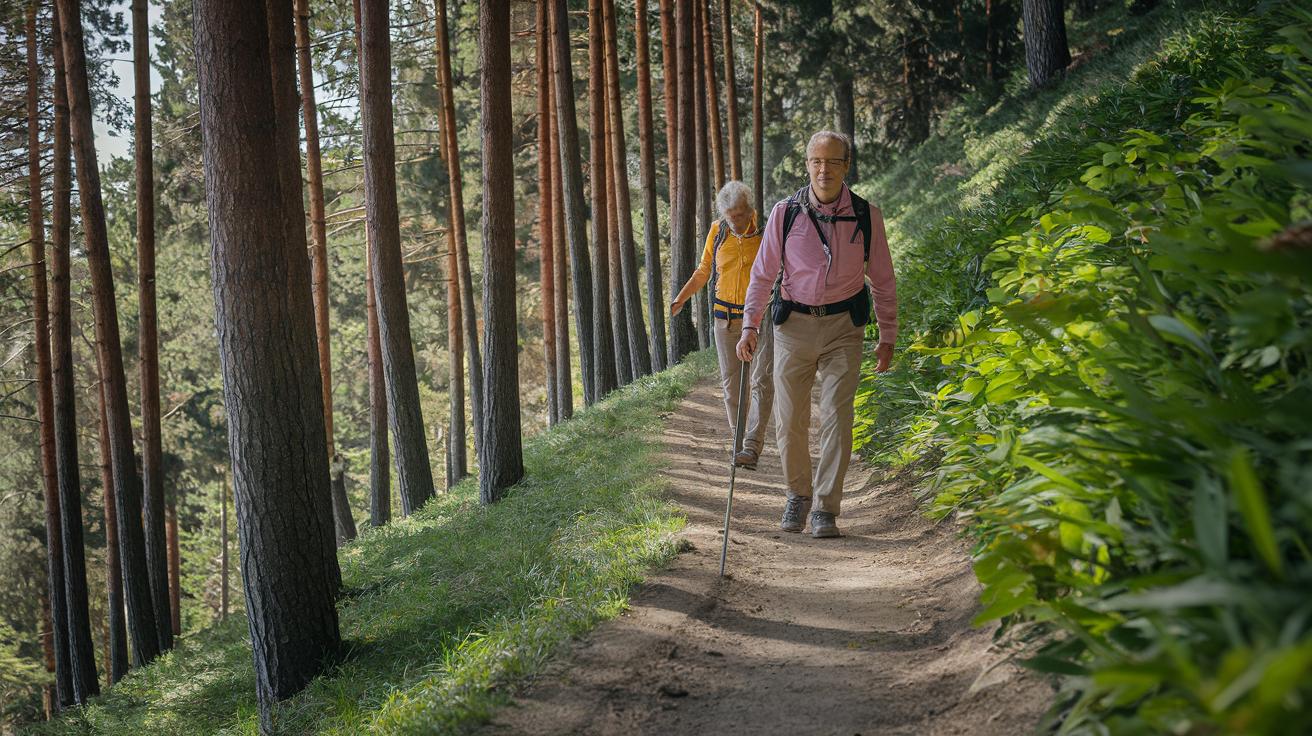
Choosing the right guide is like finding a good trail buddy. When your adventure calls for trekking, rafting, kayaking, or camping, you want someone who's really been out there. A guide with firsthand experience, like one who's led a mixed group on a gentle hike, a steady bike ride, and a relaxing stop by a clear stream, knows how to tailor the journey to different fitness levels. Imagine beginning on a soft forest path, then cycling down a calm slope, and finally unwinding by sipping in the peaceful scene of nature.
It’s smart to chat with your guide about how they've handled mixed-ability groups in the past. They might tell you about a trip where a moderate hike switched to an easy bike ride, complete with enough breaks to enjoy the fresh air and scenic views. These stories show that they can match activities to your fitness and interest levels, making the entire day feel just right.
| Activity Type | Guide Adjustments |
|---|---|
| Mixed Hiking and Biking | Mix gentle hikes, easy biking, and planned rest stops to soak up the views |
| Extended Outdoor Day | Plan a route that fits the group’s energy and pace |
Talk with your guide about your plans early on. That way, every bit of the adventure fits your abilities and keeps the spirit of the journey alive.
Verifying Adventure Guide Certifications & Professional Qualifications
When planning your next adventure, ask your guide to show their certifications, like wilderness first aid or other accredited credentials. It’s as simple as saying, "Have you done that mountain rescue techniques workshop?" This helps you know if they’ve got the skills to handle unexpected turns on the trail.
A trustworthy guide will gladly share proof of their training. You can ask to see certificates or a letter from a certifying agency. Think of it like checking your map before you head out, it makes sure your guide is ready for emergencies and truly committed to keeping everyone safe.
Evaluating Field Experience & Local Knowledge of Adventure Guides
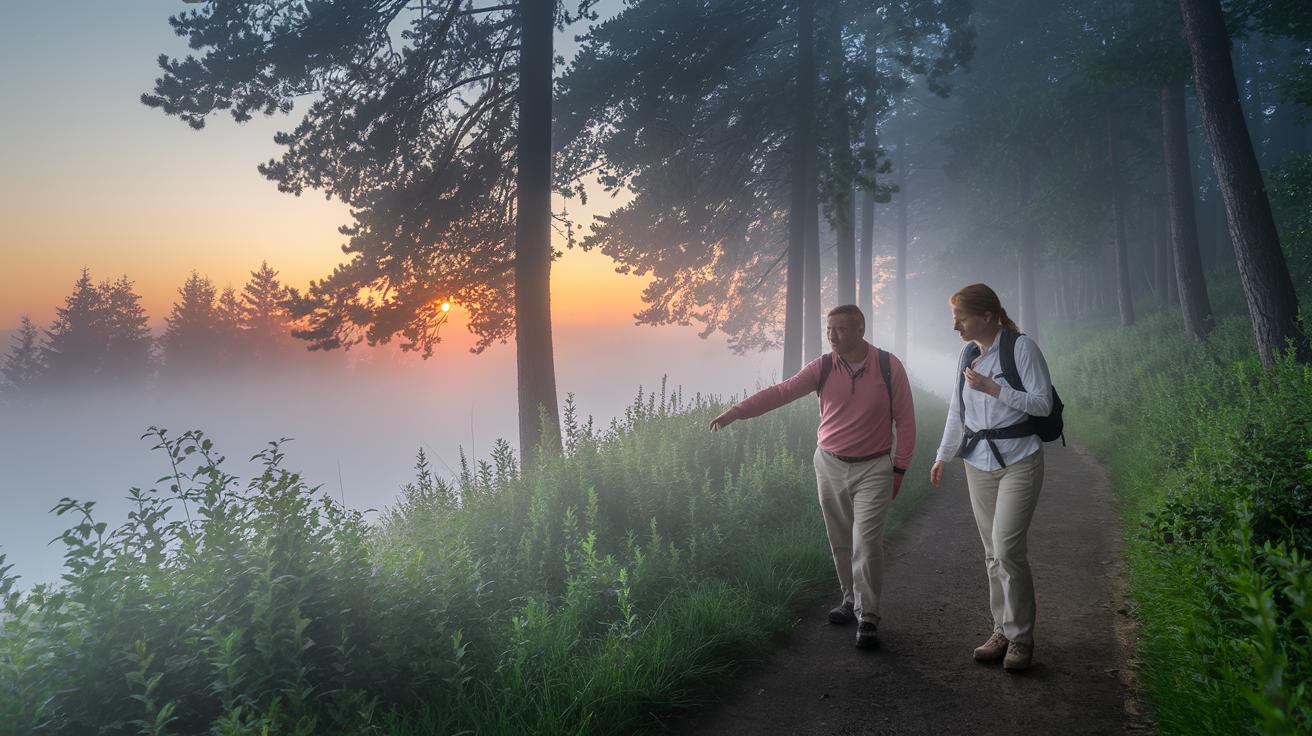
When you meet your guide, ask about their time spent outdoors. A guide with real experience might share a story like, "I once led a group through a sudden downpour and we found shelter under thick trees." That hands-on tale shows they know how to handle nature’s surprises.
Local know-how comes through when a guide points out hidden spots to pick wild berries or catch a sunrise view that most would miss. They might say, "Every trail here tells its own story," a simple way to show they’re truly familiar with the area.
Here are a few things to ask when chatting with your guide:
- Ask for stories from past trips in different landscapes.
- Check in about their experience with quick weather changes.
- Request local tips on customs or historic spots.
For more on how local expertise can enhance your trip, visit Guides by Locals at https://blackandburlap.com?p=242.
Assessing Safety Protocols & Emergency Training for Adventure Guides
When you pick a guide, ask right away about their safety drills and the latest first-aid updates. A guide might say, "I check our gear and run emergency drills before every trip," which tells you they take safety seriously.
Make sure your guide has taken wilderness emergency response courses (which teach how to handle sudden storms or rough paths) and knows evacuation plans by heart. It’s also important they bring key gear like radios and medical kits.
And don’t forget to ask about any past emergencies they’ve handled, like when they had to use rescue steps. This way, you can feel confident in their skills and know you’re prepared for a safe outdoor adventure.
Understanding Pricing Transparency & Cost Considerations for Adventure Guides
When you're choosing a guide, start by comparing their fees with others. Some guides might charge a bit more because they include gear, permits, or even meals. Just ask, "What exactly is in the fee?" This helps you know if you're paying for extra perks or if any hidden costs might show up later.
Clear fee breakdowns are like a reliable trail map, they help you avoid unexpected bumps along the way. Use a simple checklist to jot down what each fee covers, whether it’s transport, special permits, or cancellation insurance. Think of it like checking your gear before a climb: every detail counts.
Also, chat about insurance coverage and how liability is handled. A guide who clearly explains this part gives you extra peace of mind on your adventure. For instance, one might say, "Our fee covers complete insurance and permits so you're well protected on our journey," which saves you from any surprises.
Take the time to compare these points with different guides. That way, your planning stays straightforward and free of hidden charges, letting you focus on the thrill of the adventure ahead.
Analyzing Traveler Reviews & Testimonials for Adventure Guides
Traveler reviews and testimonials give you a real glimpse into what other adventurers have experienced. Reading several reviews is like trekking along different paths, letting you see common tips and ideas from many angles. One person might mention, "I loved how the guide knew every hidden spot," while another adds, "The pace was perfect for my level." These personal notes help you imagine what your own adventure might be like.
Look for a steady beat in the feedback. If many travelers praise the guide’s local know-how or quick responses in an emergency, that’s a solid sign. But if you come across one or two strong opinions, take them with a pinch of salt. Even small comments like "I once felt a bit rushed" remind you that every experience is a little different.
When checking out reviews, keep these thoughts in mind:
| Tip | What to Do |
|---|---|
| Compare sources | Check multiple reviews for a balanced view |
| Safety & Reliability | Focus on recurring comments about these factors |
| Tour Adaptability | See how the guide adjusts tours for different skill levels |
Remember, reviews work best when paired with word-of-mouth advice from friends or past travelers. Using both these sources, you get a clear and honest picture of whether the guide consistently meets expectations and is the right fit for your next outdoor journey.
Interviewing & Finalizing Your Adventure Guide Selection
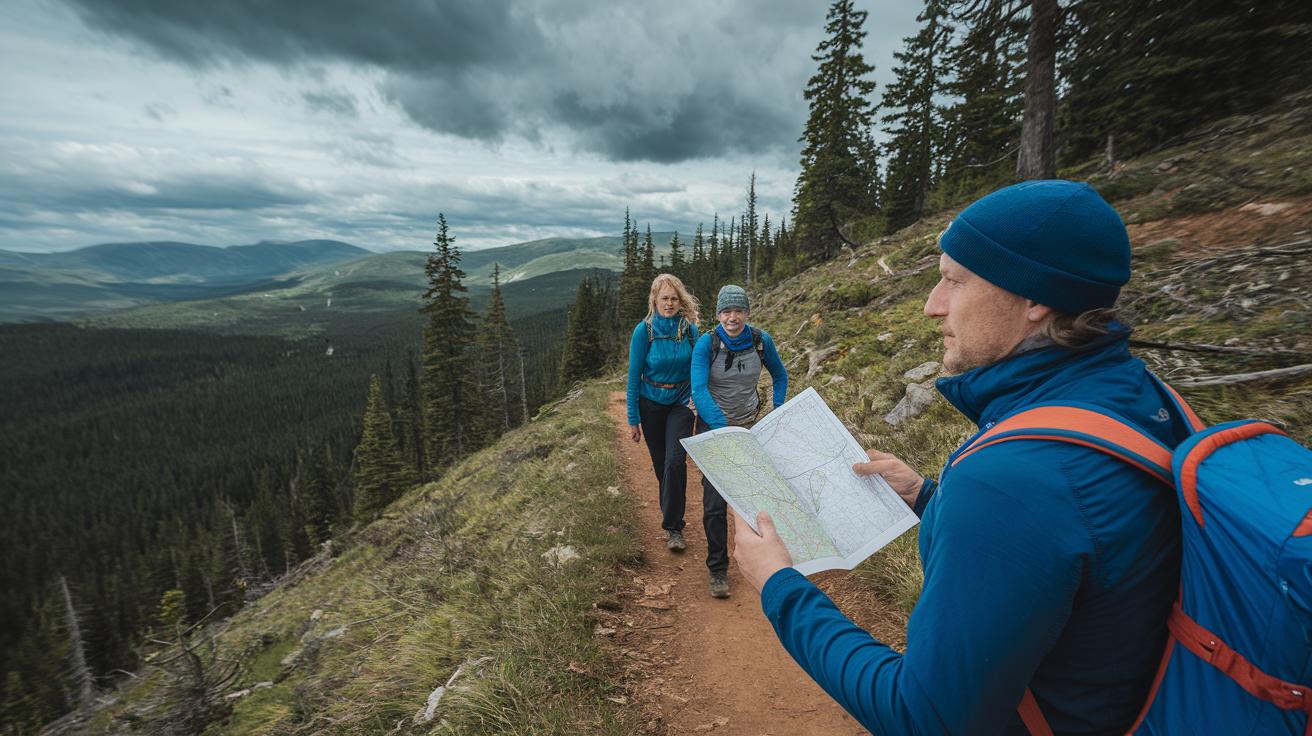
Start your conversation by asking clear questions about your guide's past adventures. For example, you could say, "Can you tell me about a time when a sudden change in weather caught you off guard?" This shows you how they handle unexpected challenges and keeps safety in mind.
Next, ask about how they manage different energy levels. You might ask, "How do you change the route if some in the group have less energy?" Their answer will give you a feel for how they keep the pace comfortable for everyone, making sure no one is left behind.
Then, chat about the gear they bring along. A simple question like, "What equipment do you provide on your trips?" reveals if they’re prepared for rough patches. Knowing what gear is on hand helps you feel confident about handling surprises on the trail.
Don’t forget to ask about local connections and eco-friendly practices. You could ask, "Which local experts do you work with, and how do you take care of the environment?" A thoughtful reply will show their commitment to supporting the community and protecting nature.
Review your discussion points with a simple checklist:
| Checklist |
|---|
| Examples from past trips |
| Adjusting pace for different energy levels |
| Safety record details |
| Gear and equipment provided |
| Local ties and eco-friendly practices |
Clear, honest, and friendly conversation with your guide helps ensure you pick the right person for your adventure.
Final Words
In the action, we broke down key tips on what to check in a guide, from verifying credentials and local know-how to reviewing travel ratings and comparing fees.
Each step of the checklist brings you closer to understanding how to choose an adventure guide.
Remember that focusing on safety, practical experience, and clear pricing makes the decision-making process feel more like planning a great outdoor day trip.
Keep enjoying each step as you prepare for your next unforgettable outing.
FAQ
How can I choose a guide using Reddit, picking a travel guide, or selecting a tour guide?
Choosing a guide means gathering insights from platforms like Reddit and reading traveler reviews. Look for verified credentials, local expertise, and clear pricing while matching the guide’s skills to your trip needs.
What are the characteristics of a good guide?
A good guide shows certified training, strong local knowledge, and solid safety protocols. They communicate well, adjust to your trip type, and have positive feedback from past clients.
What types of outdoor guides are available?
Outdoor guides come in various forms, including those specializing in trekking, rafting, or kayaking. Some focus on local customs and terrain, while others provide complete support with gear and safety measures.
How do I plan a trip with guide selection in mind?
Planning a trip means matching your fitness level and trip focus with a guide’s expertise. Verify certifications, check cost details, and interview candidates to confirm they meet your safety and experience expectations.
What does reading an outdoor-themed novel or thriller offer?
Reading an outdoor-themed novel or thriller can spark ideas and build excitement for your own trip. It offers vivid scenes and real-life scenarios that help you envision the challenges and thrills you seek.