

Ever thought that carrying water on your hike could bring a little extra joy? This pack comes with a built-in water system that lets you sip and stay refreshed while you explore nature.
Picture it like a good friend on the trail, keeping you feeling light and comfortable even when the path gets tough.
In this piece, I share how a hiking water backpack can make your outdoor time better by offering a simple and smart way to keep you hydrated.
Key Features of a Hiking Water Backpack
Think of a hiking water backpack as your reliable trail buddy. It comes with a built-in water system so you can sip as you go. Reservoirs usually hold between 1.5 and 3 liters, and every liter adds roughly 2 pounds when filled. For example, a 2-liter reservoir means about 4 extra pounds on your back, just the right amount for a moderate day hike. With handy tube ports, quick-release hose magnets, and wide-mouth sleeves for easy refilling, getting a drink is as quick as a pause on a sunny trail.
Comfort is a must when you're out in nature. Look for padded shoulder straps, hipbelts, and sternum straps to keep everything snug when the terrain gets tough. Some packs, like the REI Co-op Swiftland 5, weigh as little as 6 oz when empty, ideal for fast, light trips. But if you need extra pockets and support, a pack like the Osprey Manta 34 might tip the scales over 3 lb when empty. Many of these backpacks use recycled 210D/420D nylon with a durable water repellent (DWR) finish, making them tough enough to handle nature’s challenges. Plus, manufacturers offer men’s and women’s versions to make sure your pack fits perfectly.
When function meets eco-friendly materials, you get a backpack that doubles as a light water carrier and a rugged trail hydration pack. It’s a bit like picking the right gear for a perfect hike, everything is designed to keep you comfortable and hydrated, no matter how long the trail.
Comparing Reservoir Capacities in Hiking Water Backpacks
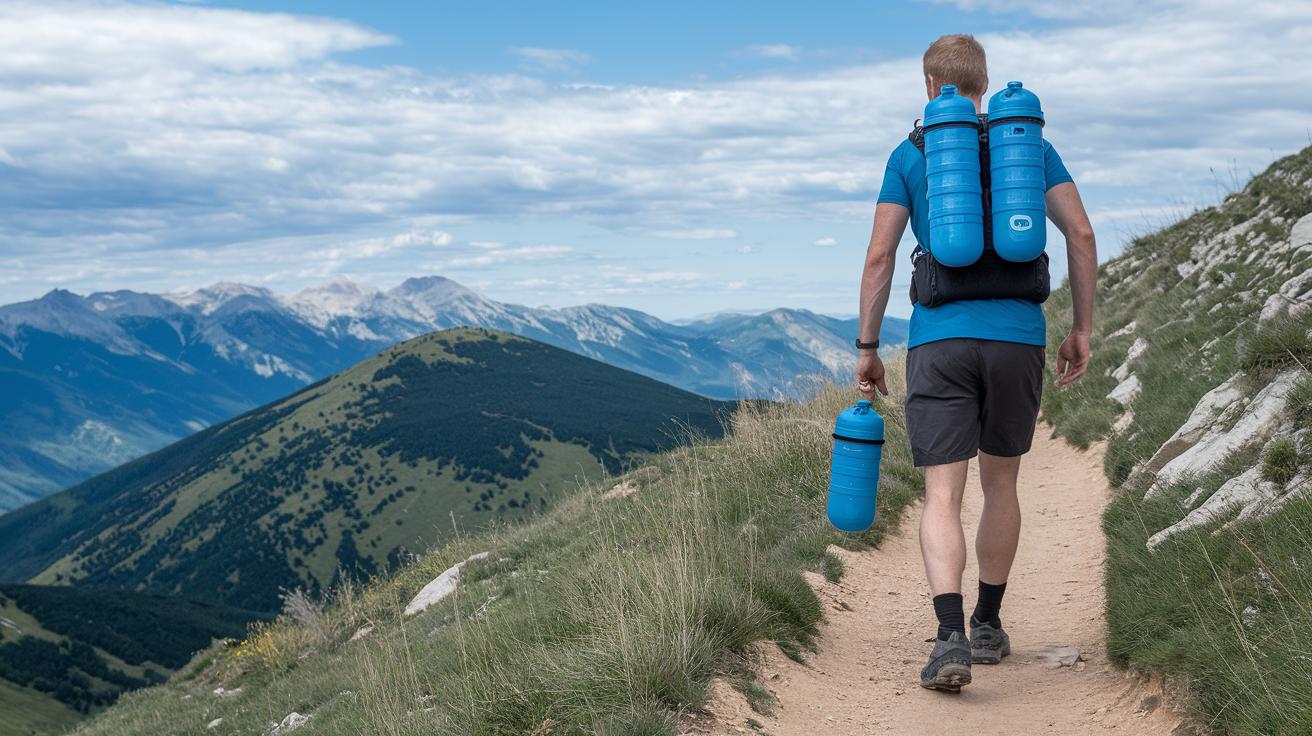
When you're out on the trail, you might wonder just how much water is enough. Reservoir sizes can vary from 1.5 L to 3 L, and that change matters when you're lugging your pack over rugged terrain. A 1.5 L reservoir weighs about 3 lb, making it a smart choice for a quick day hike when you want to keep things light. If you're setting out on a regular hike at a steady pace, a 2 L reservoir, roughly 4 lb of water, strikes a good balance between staying hydrated and not overloading your back. For those days when the trail seems endless, a 3 L reservoir adds about 6 lb of water, so you're prepared for a longer journey.
There are also handy features in these packs that make your hike smoother. A wide, 3-inch opening lets you refill quickly during a break, and neat leak-proof sliders along with easy-to-remove hoses let you grab a sip without fuss. These thoughtful designs help you choose the right reservoir so you can decide on a lighter load or pack enough water for a long trek.
| Reservoir Size (L) | Approx. Weight of Water (lb) | Recommended Use |
|---|---|---|
| 1.5 L | 3 lb | Short day hikes |
| 2 L | 4 lb | Standard day hikes |
| 3 L | 6 lb | Extended trail outings |
Optimizing Storage and Comfort in Your Hiking Water Backpack
When you're out on the trail, your hiking pack should do more than just carry water, it should keep everything neat and your back comfortable. Packs come in many sizes, from small 5 L ones like the CamelBak Hydrobak Light, to big 34 L packs such as the Osprey Manta 34. Think of it like choosing the perfect backpack, one that fits your gear and the demands of your adventure.
Imagine a pack designed with smart compartments: hydration sleeves, mesh pockets on the front, and zippered pockets on the hipbelt. It’s like having little storage spots for your map, snack, and other essentials, you won’t have to rummage around when you need something in a hurry.
And comfort matters, too. A back panel with suspended mesh works like a built-in cooling system, helping keep you cool on hot days. Adjustable torso lengths and easy-to-slide straps let you set up a snug fit that stays with you on every step. Picture a hydration vest with side bottle holders and a top lid compartment, it’s like carrying a well-organized toolbox that’s ready for action.
Some packs may be lighter by giving up extra storage, while bigger ones balance gear space with hydration capacity. Either way, you’re set to enjoy the trail, knowing your pack keeps things safe and your load comfortable.
Durability and Weatherproofing for Hiking Water Backpacks
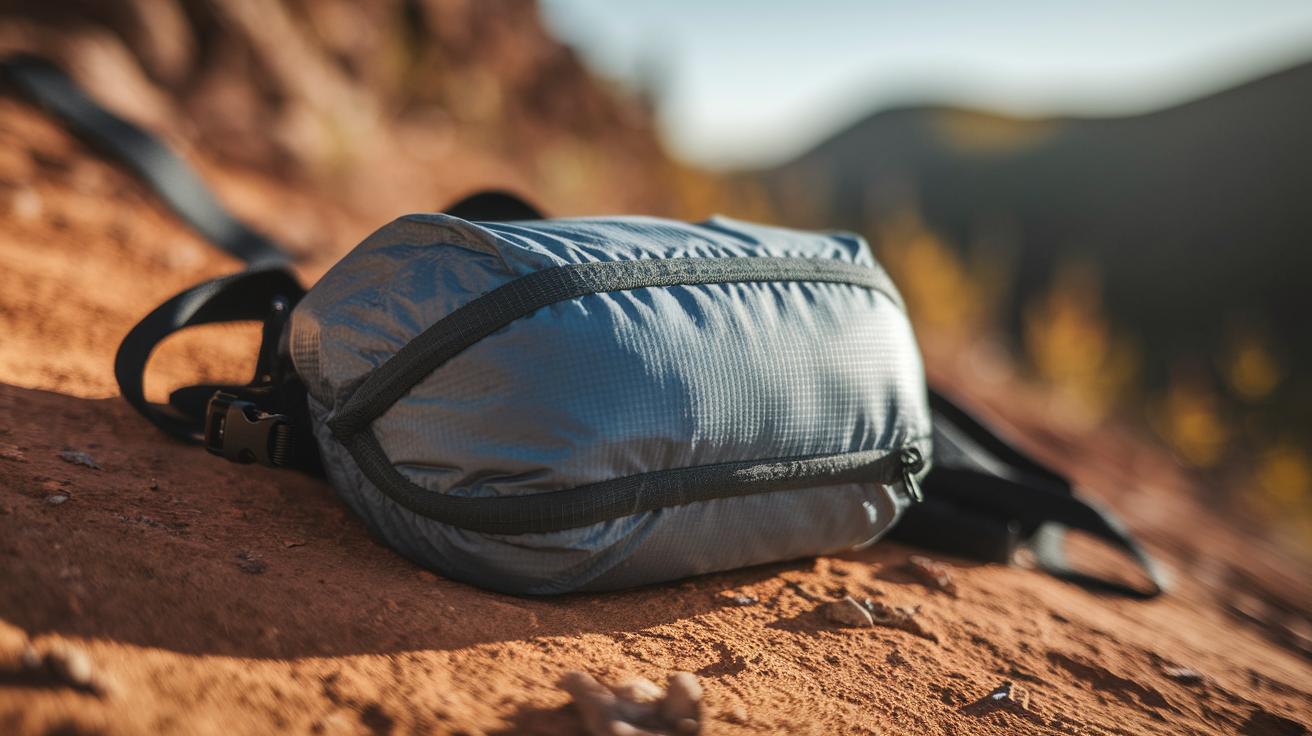
Most hydration packs for the outdoors are built tough. They use strong 210D/420D nylon, a fabric that holds up well when you’re trekking over rocky trails. With reinforced bottoms and taped seams, these packs are ready to handle a bit of rough treatment. Many even include recycled fabrics that are bluesign-approved, which means they take care of the environment too.
A special DWR finish (a water-repellent coating) is often applied to help keep off light rain. But when you face a heavy downpour or a consistent spray, even this treatment may not be enough. A quick 30-second water test shows that no hydration pack is entirely waterproof. That’s why many hikers toss in an extra dry sack for added protection.
Smart design touches, like zippered and airtight compartments for the hydration bladder, help keep your electronics and clothes safe from splashes. With details like these, you can trust your pack to stand up to rugged terrain and shifting weather, allowing you to enjoy your hike without fretting over wet gear.
Maintaining and Cleaning Your Hiking Water Backpack
After every adventure, give your hydration system a good clean so mold and funky tastes stay far away. First, take apart your water bag completely by removing the mouthpiece, tube, and bladder. Rinse each piece with warm water mixed with a little mild soap, kind of like you’d clean your favorite trail shoes after a rainy hike.
- Disassemble all the parts.
- Rinse with warm water and mild soap.
- For an extra clean, you can add cleaning tablets.
- Let every part air-dry completely before putting it back together.
Remember to check the O-rings and sliders for any signs of wear. It’s a good idea to replace the hoses every 6 to 12 months. Also, don’t freeze your bag or use harsh chemicals, as they can damage your anti-leak system. Taking a little extra time to care for your pack makes sure it stays clean, leak-free, and ready to fuel your next trail adventure.
Selecting the Best Hiking Water Backpack for Your Trail
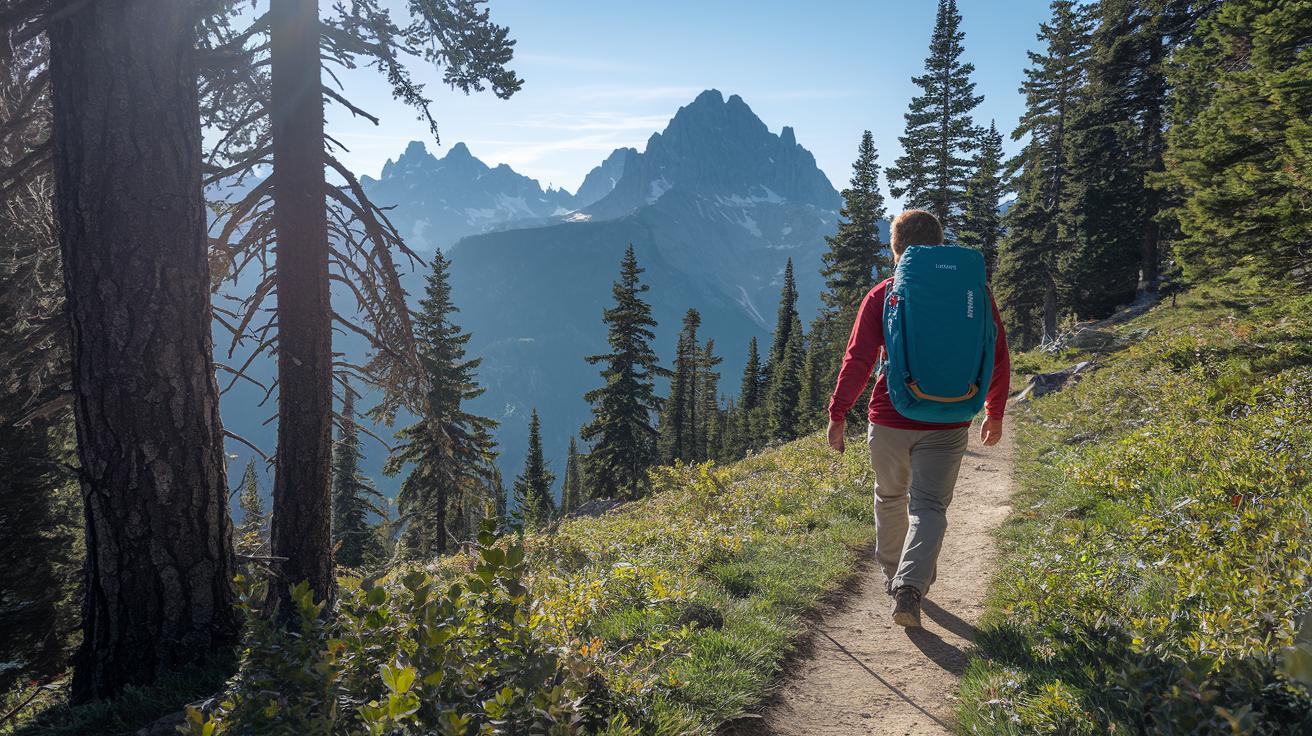
When you're out on a trail and need to stay hydrated, the pack you choose should be your trusty sidekick. Our tests show that having an easy-to-drink design matters a lot. For instance, the Thule Vital 6L earned a perfect 10.0, standing out as a top pick for trekking with water. Plus, the systems for filling and cleaning are quick and fuss-free, making your day on the trail that much easier.
Comfort is huge too. The Osprey Syncro 12 scored an 8.0 in our tests, so you know it feels good on your back. And while carrying extra gear, the Gregory Nano 18 H2O scored a 7.0, showing that you can keep your essentials close without losing easy access to your water. When every ounce counts, the Deuter Speed Lite 13 is a winner, weighing just 13.1 ounces empty for those who like to travel light.
We rounded up our favorite hydration packs, with reservoir sizes from 1.5 L to 3 L. So whether you’re planning a quick day hike or a longer adventure, there’s a pack that fits just right. Here’s a quick look at the top contenders:
| Pack Name | Capacity | Price |
|---|---|---|
| Osprey Skarab 30 | 2.5 L | $150 |
| Gregory Nano 18 H2O | 3 L | $90 |
| Thule Vital 6L | 2 L | $100 |
| Deuter Speed Lite 13 | 1.5 L | $80 |
| Gregory Inertia 18 H2O | 2 L | $140 |
In the end, finding the right pack means matching its water capacity and comfort with your trail plans. This way, you’re all set for a refreshing, hassle-free adventure every time you hit the trail.
Final Words
In the action on the trail, a solid hiking water backpack makes all the difference. A good pack pairs an easy-fill reservoir, thoughtful storage, and secure straps for comfort. Its sturdy materials fight off wet weather, and smart design keeps essentials organized. Simple care steps keep performance top-notch. With all these insights, choosing your perfect hiking water backpack feels clear and rewarding. Keep moving forward and embrace every clear, open trail ahead.
FAQ
What is the best water backpack for hiking?
The best water backpack for hiking meets your trail needs by combining a good reservoir, comfortable straps, and weather-resistant fabrics. Top picks include models like the Osprey Skarab 30 and Gregory Nano series.
Are hydration packs worth it for hiking?
Hydration packs offer on-the-go sipping and ease during a walk. They may add extra weight but keep you refreshed and ready, making them a practical choice for many hikers.
What do hikers use to carry water?
Hikers carry water in backpacks with built-in reservoirs. These packs, sometimes called water bags, usually include tube ports, insulated compartments, and ergonomic straps for a secure, comfortable fit.
What is a hiking water bag called?
A hiking water bag is often known as a hydration reservoir. It fits inside a backpack with a tube port that lets you sip water easily while you trek.
Can you recommend hydration backpacks for women and kids nearby?
Hydration backpacks like the Gregory Women’s Juno 24 are designed for a better fit for women, while smaller, lightweight versions with adjustable straps work well for kids and are available at local outdoor stores.
What are the key features of the Camelbak Hiking Backpack with water bladder?
The Camelbak Hiking Backpack offers built-in tube ports, an easy-fill water bladder, and secure storage for gear. Its design focuses on comfort, durability, and keeping you hydrated during your outdoor walk.
What details should I know about the Gregory Nano series?
The Gregory Nano series, including models such as Nano 14, 16, 18, 20, and 24, provides different capacities and fits. They balance weight, offer practical storage, and integrate hydration features for a smooth trail experience.
Where can I find a REI hydration backpack?
A REI hydration backpack is available at REI stores or online. It features a lightweight design and built-in water reservoir, making it ideal for day walks and longer outings.