

Ever think about how your ride affects the fresh air we all share? Changing the way we travel might be our ticket to cleaner air and a healthier future.
Using bikes, buses, or electric trains (trains that run on batteries) means fewer harmful gases in our skies. Some choices can lower emissions by as much as 80% compared to cars.
Every trip becomes a small, mindful step toward a better world. And who knows? Green travel might just brighten up your daily commute and open a smooth path to a cleaner tomorrow.
Eco-Friendly Transportation Overview and Environmental Impact

Green transportation is all about choosing ways to travel that help keep our air clean and our planet happy. When you walk or pedal a bike, you make no CO₂ at all. Imagine a sunny stroll that clears your mind while leaving no carbon trail, you really feel good about it.
Taking the bus is another smart choice. Even though buses release some CO₂, a full bus only puts out about 100 grams per mile compared to a car’s 346 grams. It’s like sharing the ride with friends and cutting down on pollutants together.
Cars usually pump out around 346 grams of CO₂ per passenger-mile, which is why switching to greener options makes a big difference. For longer trips, electric trains and tour buses can be a game changer. Electric trains, for example, can cut emissions by up to 80% compared to car travel on trips up to 50 miles. Ever felt the smooth hum of a train? It’s a quieter, cleaner way to roll.
Short flights, on the other hand, aren’t as kind to our planet. They use lots of fuel during takeoff and landing and account for about 2.5% of global CO₂ emissions. In other words, if you can skip that short flight, you’re choosing a greener trail.
Every time you pick eco-friendly travel, you’re not just saving energy, you’re taking a step toward a cleaner future. It’s a journey where every mile matters, helping make our cities more efficient and our planet healthier.
| Mode | CO₂ Emissions (g/mi) | Reduction vs Car |
|---|---|---|
| Walking | 0 | 100% |
| Cycling | 0 | 100% |
| Bus | 100 | 71% |
| Car | 346 | 0% |
| Train | 69 | 80% |
Electric and Hybrid Eco-Friendly Transportation Options
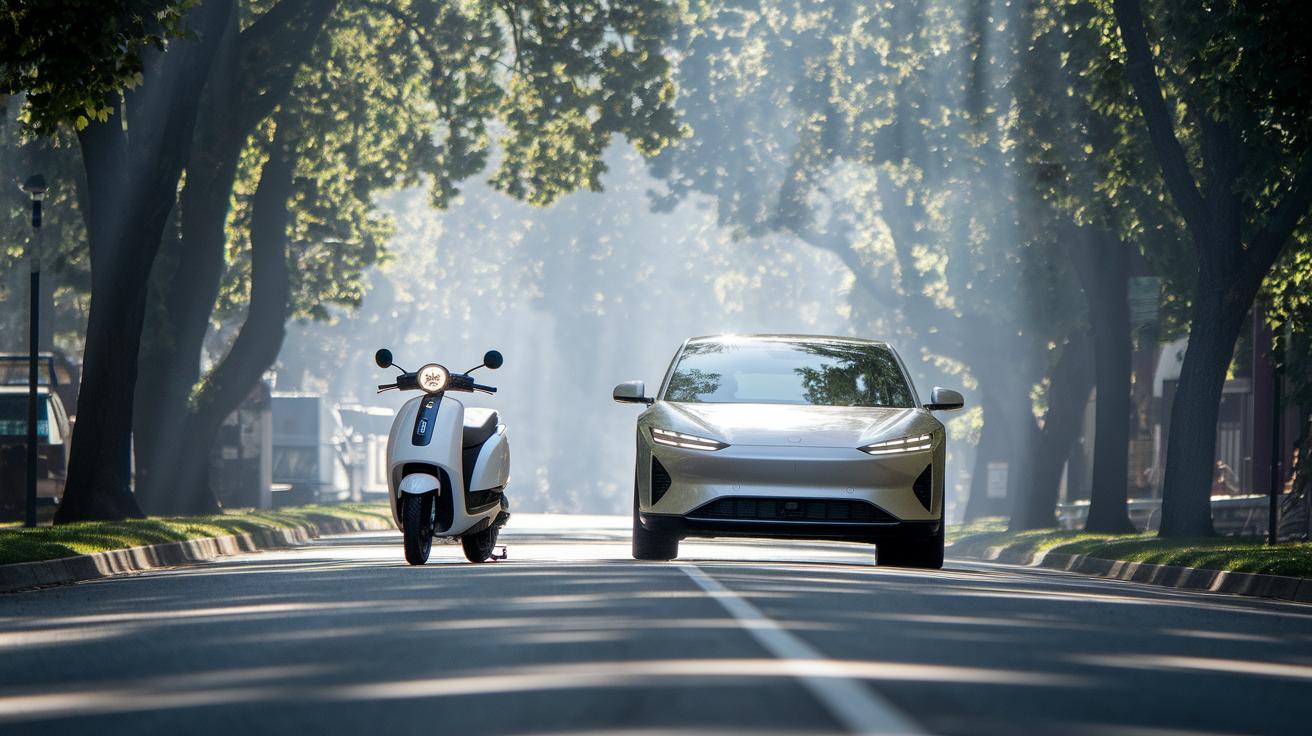
Electric and hybrid rides are lighting the path to a greener future for our daily trips. Think about hopping on a Tata Nexon EV or an Ather scooter and gliding silently down a sunlit street, with not a roar or puff of smoke in sight. It feels almost like a whisper in the cool morning air.
Electric rickshaws are also stepping up as a smart choice, especially in busy cities. They offer a wallet-friendly and low-emission ride that turns even the toughest urban commutes into a breath of fresh air. It’s a bit like finding a quiet clearing in the hustle and bustle of a crowded forest.
Hybrid vehicles mix a regular engine with an electric motor to give you extra fuel efficiency in a smooth, reliable way. Imagine a car that eases into electric power when you're inching along in traffic, then confidently ramps up its engine on open roads. It saves fuel and cuts down on emissions, much like switching trails to find the best view.
With more charging stations cropping up like rest stops on your adventure, making the switch to electric and hybrid means you can enjoy a smart ride while doing good for our urban spaces, all without breaking the bank.
Public Transit Improvements in Eco-Friendly Transportation

Cities and countries are reworking their mass transit systems to cut carbon emissions and ease road congestion. In India, railroads are aiming to run on electricity by 2030, and early pilots with solar-powered trains show that swapping diesel for renewable energy is totally possible. This change cuts down diesel use and makes the air cleaner for all.
Transit groups are also rolling out electric and CNG-powered buses (CNG stands for compressed natural gas, a cleaner fuel). Imagine cruising on an electric bus during a cool, crisp morning, every ride helping lower your carbon footprint. With fewer emissions, these buses leave streets quieter and the air fresher.
Expanding metro lines brings even more benefits. New train routes mean fewer private cars on the road, easing traffic jams and reducing pollution. Better public transit makes it easier for people to choose greener travel options, much like finding a clear, open trail in the woods.
In truth, this boost in sustainable transit not only gives passengers smoother rides but also unites communities with a common goal: taking care of our planet.
Active Eco-Friendly Transportation: Cycling and Walking
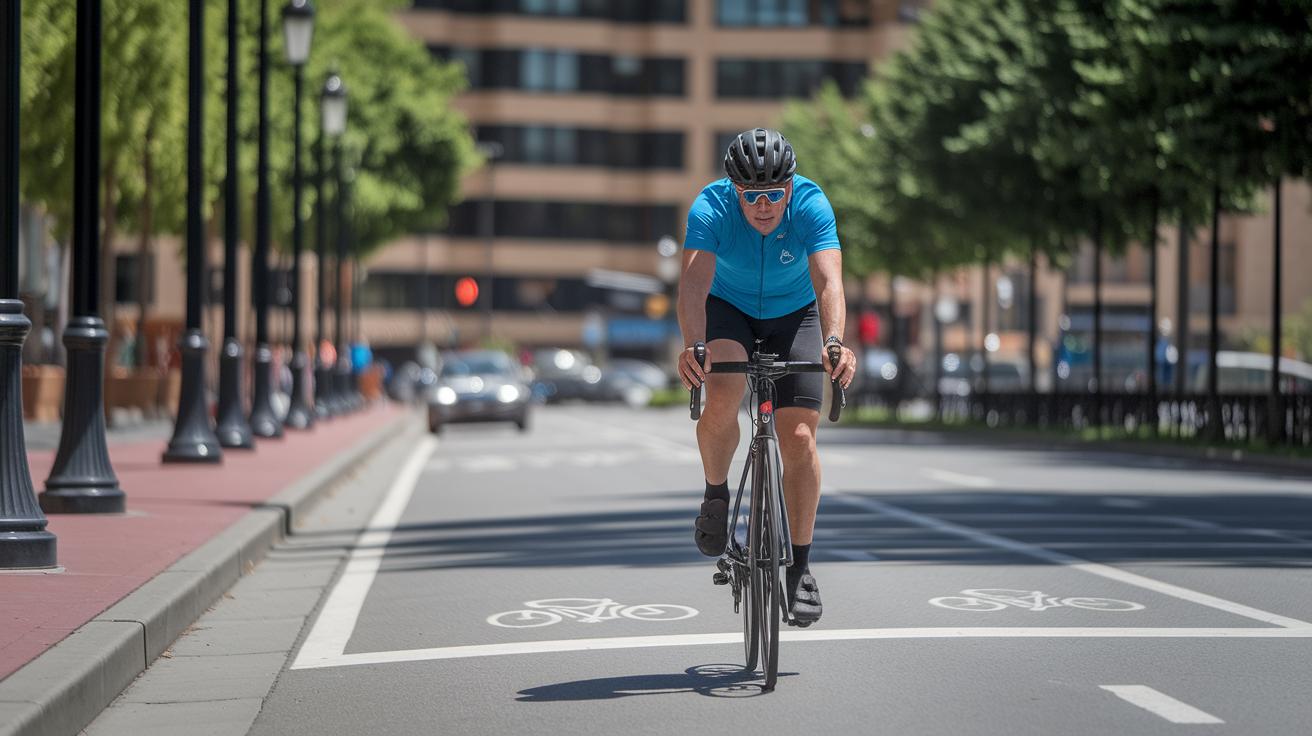
Imagine hopping on your bike on a sunny morning or taking a relaxed stroll along a friendly, well-planned street. Cities are building more bike lanes and walkable spaces to make sure you can ride or walk safely, kind of like finding a perfect trail on a quiet day. You might even see bike-sharing stations pop up like little rest stops along your route.
Cycling and walking do more than just help the planet. They give you a burst of energy and a fresh feel, as if the cool breeze is cheering you on. Whether you're cruising through a park or meandering down a calm street, you’re giving your body a gentle workout while cutting down on harmful gases.
Here are some great perks of choosing active travel:
- Boosts your heart health and energy
- Lowers your carbon footprint
- Cuts down on traffic and noise around you
- Saves cash on gas and car upkeep
- Brings neighbors together and strengthens community bonds
Every pedal stroke or step you take helps build a healthier, greener city. It’s all about mixing your everyday routine with a little eco-friendly adventure.
Shared and Multimodal Eco-Friendly Transportation Solutions

Carpooling and ride-sharing services now add electric vehicles to the mix, making every ride a greener choice. They even use smart route-planning tech, kinda like that buddy who always knows the fastest, most eco-friendly way home.
In lots of cities, you’ll see ride sharing teamed up with bikes and public transit. Picture hopping into an electric car and then catching a bike or metro for the last stretch. Together, these options build a smooth, low-carbon journey that benefits everyone.
Modern tech checks real-time traffic to pick the best route for each trip. One study even showed that this smart planning cuts down fuel use, much like choosing a direct trail instead of a twisty path in the woods.
Mixing shared rides with clever tech not only trims emissions but also makes the most of our resources. It’s a fresh way to rethink how we move around our cities, all while staying kind to nature.
Policy, Innovation, and the Future of Eco-Friendly Transportation

Across our country, cities are rethinking how we get around by blending modern technology with green ideas. Government programs are lending a hand, supporting sustainable practices that help build smarter travel networks and improve everyday streets.
Tech tools are guiding electric vehicles and buses along the quickest routes, kind of like choosing the best path through a thick forest. Urban planners are also redesigning roads and sidewalks to be friendlier for walkers and bikers, making every trip a bit safer and more pleasant.
Look at rail projects powered by electricity and solar-run trains. These steps cut down on oil use and set us on a clear path toward cleaner travel. Meanwhile, many cities are boosting their fleets with e-buses and clean-fuel vehicles, all backed by generous government incentives.
Imagine a travel plan that mixes ride sharing, biking, and public transport to keep emissions low and journeys flexible. Smart routing tech even reads traffic patterns in real time, cutting idle fuel use and keeping transit moving as smoothly as a well-trodden trail.
In truth, strong policies that back these ideas are key to changing our transport systems for the better. They’re not just making cities greener, they’re making them livable. As we press on, green travel solutions are set to spark big changes, paving the way for urban areas that stand strong through any challenge. Innovative policies and smart investments are lighting the way, much like a trusty headlamp on a night hike.
Final Words
In the action, we explored how green transit methods offer real solutions for reducing emissions. We looked at everything from walking and cycling to electric and hybrid ride options. The blog showed how public transit improvements and shared mobility add to a cleaner future. Each option makes a difference when you choose eco-friendly transportation. Small steps add up, fueling mindful travel and cleaner skies. Keep pushing forward with a cleaner, more connected world, one thoughtful choice at a time.
FAQ
What are the benefits of eco friendly transportation?
The eco friendly transportation benefits include reduced emissions, lower energy use, less air pollution, and a boost to community well-being, all of which make our environment and daily travel cleaner.
What are some examples and methods of eco friendly transportation?
The term eco friendly transport covers walking, cycling, electric vehicles, electric trains, and shared transit options, all designed to cut emissions and reduce energy use in everyday travel.
What is the most eco friendly and least polluting form of transportation?
The idea of eco friendly transport shows that walking or cycling are typically the most eco friendly choices, as they emit no pollutants and are the least polluting form of travel.
How can we make transportation more eco friendly?
Making transportation more eco friendly means choosing low-carbon modes like improved public transit, electric or hybrid vehicles, and active commuting such as biking or walking, which all help cut pollution.
What companies lead in promoting eco friendly transportation?
The term eco friendly transport companies now include names like Tata Nexon EV and Ather Energy, which lead the way with electric and hybrid models that offer cleaner, low-carbon options.
How does renewable energy relate to eco friendly transportation?
Renewable energy, such as solar or wind, powers many eco friendly transport solutions by reducing emissions, supporting clean transit, and aligning with sustainable development goals.