

Ever seen a secret lake pop up on your feed that makes your heart race just a bit? It feels like finding the perfect pit stop on a long drive. This guide is all about planning your trip like you’d pick your favorite break along the way.
We’ll walk you through simple steps, first, sketch out spots that catch your eye and then choose the right gear for the job. Think of it like setting up camp: you pick a spot, arrange your gear, and then kick back to enjoy the views.
Get ready to mix a bit of planning with those spur-of-the-moment moments that make an adventure extra special. Isn't it great when nature surprises you and fills you with a sense of wonder? Enjoy the journey.
Planning a Comprehensive Adventure Itinerary
Kick things off by letting your imagination run wild. Flip through Instagram or Pinterest, and let the stunning views and hidden spots spark your wanderlust. Imagine scrolling through photos until you find a serene mountain lake that makes you book a week-long trek in the Rockies. Cool, right?
Once you catch that spark, jot down all the places that catch your eye. Use tools like AllTrails, Google Maps, or your favorite outdoor blog to zero in on fun hikes and cool landmarks. Think of it like marking favorite pit stops during a long road trip. Every spot could turn into a cherished memory.
Then, plan your days while keeping things flexible. Sketch out what you want to do, maybe a sunrise hike or a lazy afternoon at a scenic overlook. For example, you might decide on "30 minutes per mile on a 4-mile trail," giving you plenty of time to breathe in the fresh, crisp air without feeling rushed. It’s a bit like laying out clues on a treasure hunt.
Next, map your route with all the must-see spots and hidden gems. Imagine drawing a simple line from your camp to that cute local cafe or a breathtaking viewpoint. Build in some wiggle room for those moments when a sunrise makes you pause for a while.
Don’t forget to schedule some extra time between activities. A few extra minutes for a comfort break or a surprise detour can change your day for the better. Picture leaving some space to enjoy the sound of rustling leaves or the gentle breeze before you move on.
Finally, keep a note for each day, and be ready to tweak it as you go. That way, you’re all set to soak in every bit of nature’s beauty, just like a campfire chat under the stars.
Comprehensive Adventure Gear Selection and Packing Tips
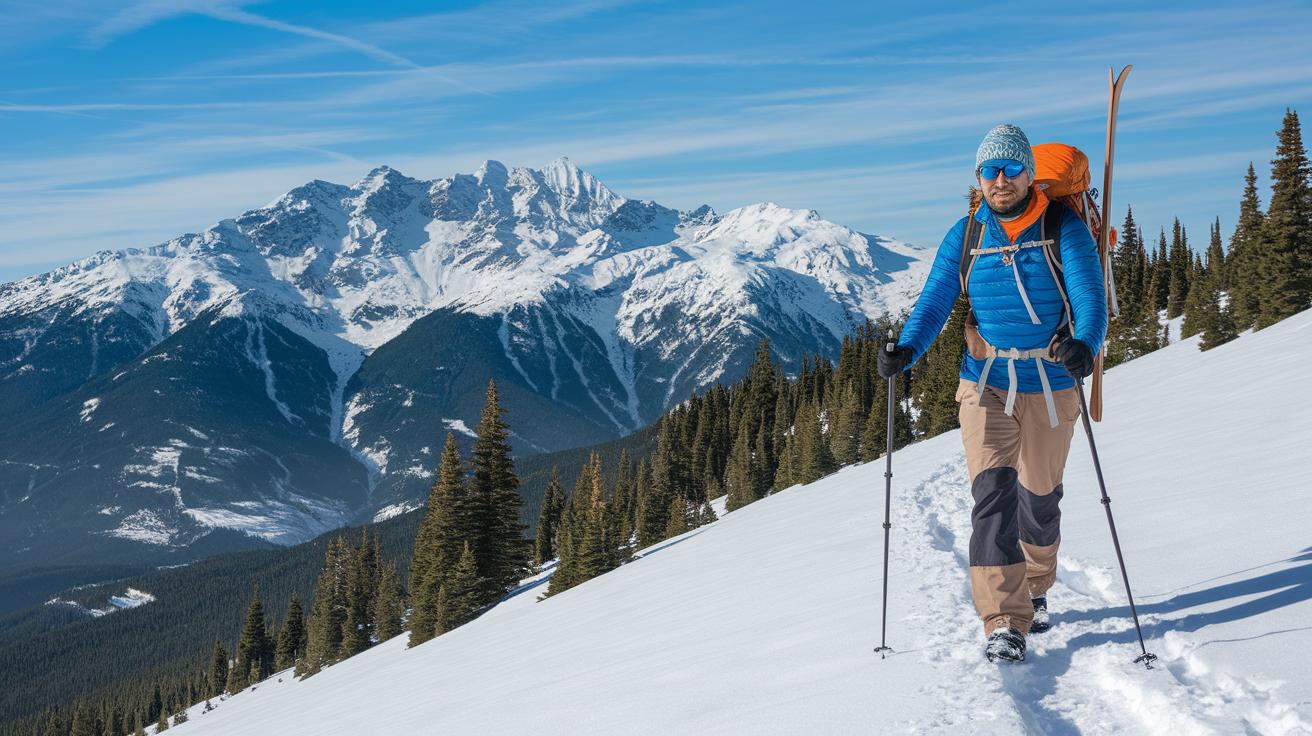
When you’re getting ready to hit the trail, having the right gear makes all the difference. Picture setting out on a day full of adventure with your skis or snowboard, a solid pair of hiking boots, and a backpack that easily holds all your extras. It’s like checking your bike before a rough ride, simple but super important.
Before you head out, take a moment to check the weather forecast for when you’ll be outdoors. Dress for the day by layering your clothes: start off with a light base layer, add a soft mid layer, and top it off with an outer shell that can handle a light drizzle. That way, you’ll be warm in the cool morning and comfortable during a breezy afternoon.
Don’t forget the little comforts, either. Imagine waking up and brewing your coffee on a portable stove or Jetboil, it’s a small luxury that really makes the day. Also, pack your personal care items like quick-dry towels and soap so you can stay fresh on the go. And when you’re packing up your backpack, put the heavier items like your tent or sleeping bag (great for crisp nights) at the bottom to keep things balanced.
For a quick look at all the essentials, here’s a handy checklist:
- Hiking boots that grip the ground firmly
- A technical jacket with adjustable layers
- A durable backpack with a rain cover
- A compact tent designed for easy setup
- A sleeping bag rated for the season’s chill
- A portable coffee setup (stove/Jetboil) for those fresh mornings
- Layered clothing (base, mid, and outer layers)
- A personal hygiene kit with the essentials
- A navigation set (maps and compass) to find your way on the trail
- A first aid kit for any minor scrapes or bumps
Comprehensive Adventure Safety Protocols and Emergency Readiness
Heading out into nature should be as fun as it is safe. Before you hit the trail, take a quick peek at the weather and pack a few extra layers, you never know when a chill or sudden shower might sneak up on you. If you’re planning a longer trip, consider booking a spot at an RV park or campground every 4–5 days to freshen up. And if your favorite camping site is full, think about a backup spot on BLM land to keep things flexible and stress-free.
Here’s a simple checklist for a worry-free adventure:
- Bring a first aid kit – It’s like a small toolbox for fixing minor scrapes and bumps.
- Share your plan – Let someone back home know where you’re headed.
- Map out an escape route – Have a clear exit plan in case things take a turn.
- Check your trail – Be aware of any rough patches, steep drops, or tricky crossings.
- Test your communication gear – Make sure your phone or radio is working so help is just a call away.
With these steps in place, you can set out with confidence, knowing you’re prepared for any twists on the trail. Enjoy the crisp air, the soft rustle of leaves, and all the natural wonder around you. Happy adventuring!
Sustainable Principles for Comprehensive Adventure Travel
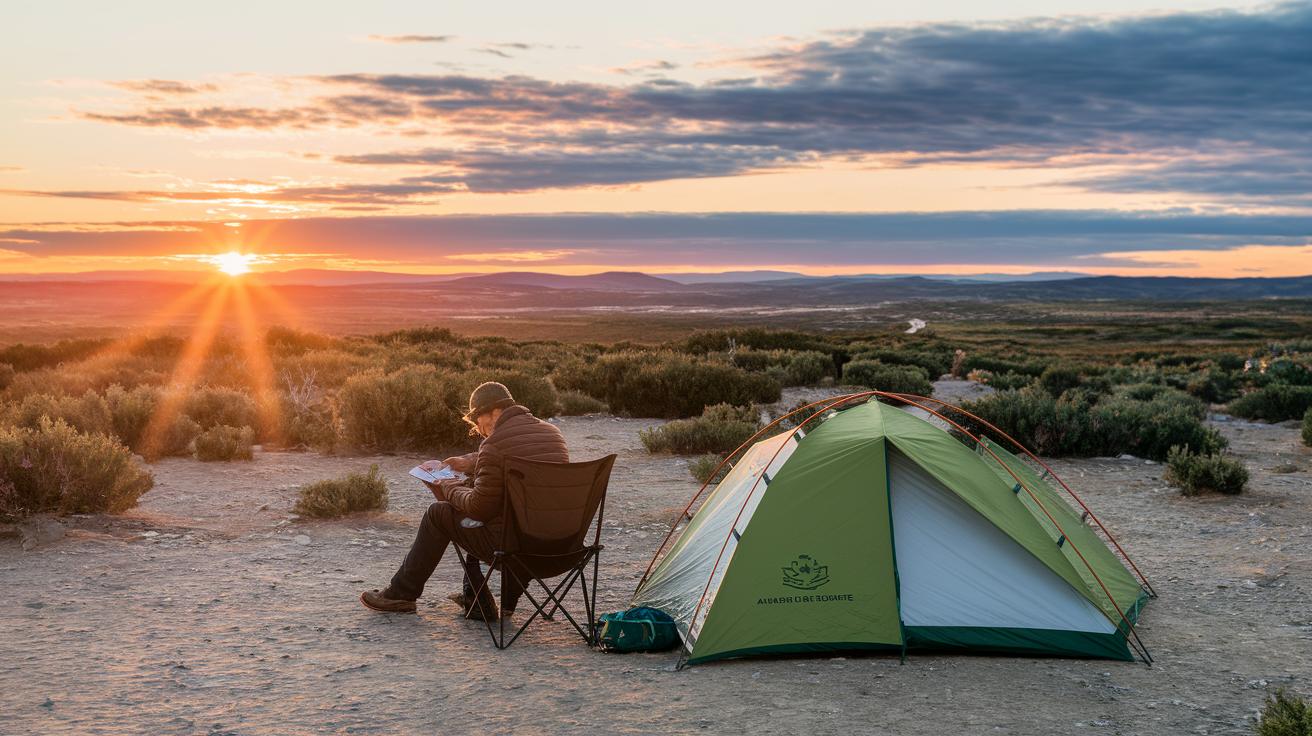
When you’re setting off on an adventure, think green first. Instead of booking a hotel or rental far ahead, sometimes you can just drive out and camp on BLM land. It’s a great way to get closer to nature while keeping your footprint light. And remember the Leave No Trace idea, leave every place just as you found it so future adventurers can enjoy it too.
Support the locals by choosing community-run lodges or eco-retreats. These spots usually follow smart, sustainable practices that boost the local economy and celebrate unique cultural experiences. When you stay local, your dollars help preserve the charm of the area and support hands-on conservation work.
Here are some simple, eco-friendly tips for your travels:
- Pick places that keep a low impact on nature
- Favor cozy, eco-friendly spots over big chain hotels
- Bring reusable gear to cut down on waste
- Always tidy up after yourself, just like the Leave No Trace way
Choosing local, sustainable options gives you an authentic experience while protecting the wild places you love. It’s all about exploring responsibly and supporting your destination at the same time.
Seasonal Route Planning for Comprehensive Adventure Travel
Spring brings a fresh burst of life along the trails. In Norway’s Lofoten Islands, the snow melts slowly and reveals wildflowers that light up the path. Imagine stepping out and catching that sweet scent of early blooms as they peek through the fading snow.
Summer is a time for both relaxed hikes and lively celebrations. Over in New Zealand’s Fiordland, trails lead right into local festivals that brighten up quiet towns. Picture ending a long hike to find a small fair, complete with tasty treats and gentle music carried by the warm breeze. It’s a perfect blend of nature’s beauty and local charm.
When fall arrives, the outdoors dresses in rich, warm colors. In Canada’s Yukon, winding roads offer views of golden leaves and vibrant red hues. Think of cruising along a scenic route as nature splashes vibrant colors all around – every stop feels like a mini adventure.
Winter turns the landscape into a crisp, white wonderland. Snowy trails become ideal for skiing, snowshoeing, or a brisk walk in a quiet, glistening world. Even a short route might surprise you with shimmering ice formations and untouched, snowy fields. Each season gives you its own kind of magic, inviting you to plan routes that suit your mood.
So, set your route to match your pace and let nature reveal its surprises. Every step brings a new delight. Enjoy every moment out there.
Activity-Specific Planning in Comprehensive Adventure Travel
Hiking Trail Planning
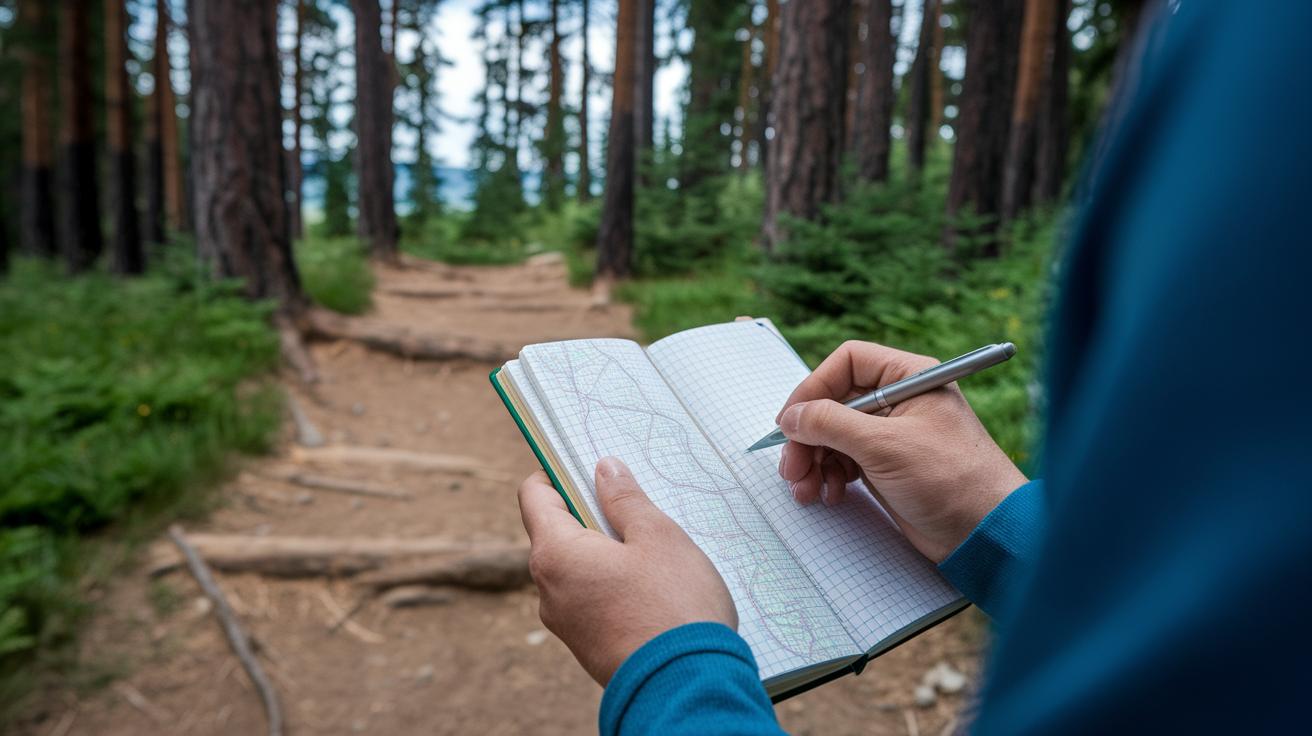
Start planning your hike like you're mapping out a hidden gem. Use a mix of trail maps and local tips to pick your trailhead and work out the path. When you're gearing up, note the distances and slopes so you can set a friendly pace, maybe about 30 minutes per mile on a four-mile trail with time for a scenic overlook. Pack your must-haves: sturdy trail shoes, a trusty backpack, an ultralight tent if you're staying overnight, and a comfy sleeping setup. Draw out your route, mark rest stops, and always have a backup plan in case the weather turns.
Mountain Ascent Techniques
When you're moving up to higher elevations, take it slow so your body has time to adjust. Enjoy the crisp mountain air by pacing yourself on gradual climbs. Think of it as easing into a new rhythm; take breaks, drink plenty of water (aim for 0.5 to 1 liter per hour once you're above 8,000 feet), and check your gear as you go. Choose solid ropes and harnesses, run through quick safety checks, and watch for sudden changes in the terrain. And here's a tip: give yourself extra time at the top so you can relax and enjoy the view without any rush.
Rock Climbing Precautions
Before you start your rock climb, give your gear a thorough check. Look over your harness, carabiners, and helmet to be sure everything’s in top shape. Chat with your climbing partner about your plan and set up secure anchors together. For example, after you've assembled your gear at the base, do a quick run-through to ensure all your safety measures, like fall protection, are in place. These steps keep your climb safe and let you focus on that breathtaking view at the summit.
Budget Journey Hacks for Comprehensive Adventure Travel
Start your adventure planning with a flexible budget that leaves wiggle room for those unexpected finds. Look through hotel and rental sites, checking out deals that might offer a snug canvas tent or an offbeat boutique inn. Sometimes, a cool local spot you stumble on Instagram or a travel blog fits your plan just perfectly.
If you’re hitting the road in a camper, fire up Google Maps and search for “best campgrounds near [location]” to discover spots that feel just right for you. And hey, always have a backup plan so last-minute price jumps or packed sites don’t spoil your day.
Here are a few simple tricks to keep your costs down:
- Shop around on different sites to compare lodging deals.
- Look for off-peak discounts when travel is quieter.
- Check local ads and community boards for budget-friendly rentals.
- Scout for affordable gear rental options early on.
- Use price comparison tools to find the best offers.
Mix a bit of solid research with those spontaneous little discoveries, and you’ll be setting up a wallet-friendly trip that’s all about fun. Embracing new deals and low-cost options can make every step of your journey as practical as it is exciting.
Final Words
In the action, we traced a route from choosing a destination to mapping daily plans, packing the right gear, and preparing safety protocols. We also highlighted cost-saving tips and practical seasonal tips. Every section offered clear, hands-on advice with down-to-earth examples. These insights can help you build an itinerary that’s both flexible and prepared for surprises. Embrace each step and set off with confidence, knowing this comprehensive adventure travel guide is your trusty companion for a safe and memorable outdoor trip.
FAQ
What does a comprehensive adventure travel guide PDF include?
The comprehensive adventure travel guide PDF includes step-by-step planning tips, gear checklists, safety protocols, and seasonal route details. It offers practical advice to help you plan outdoor trips with confidence.
What do comprehensive adventure travel guide reviews reveal?
The reviews reveal that a well-crafted guide provides clear planning strategies, practical gear recommendations, and essential safety tips, making it an invaluable resource for outdoor exploration and trip preparation.
What updates did the comprehensive adventure travel guide 2021 provide?
The 2021 version provided updated itineraries, revised gear checklists, and refreshed safety protocols. It reflects current outdoor trends and destination highlights to better prepare explorers for the wild outdoors.
How does an adventure tour guide salary compare?
The adventure tour guide salary reflects earnings influenced by experience, region, and tour complexity. Professionals in this role may see competitive wages that match the hands-on work and outdoor expertise involved.
What types of adventure travel guide jobs exist?
Adventure travel guide jobs range from leading outdoor tours to writing detailed itineraries and managing group travel logistics. These roles typically blend field expertise with planning skills to help others experience nature.
What is an example of adventure travel?
An example of adventure travel is setting off on a multi-day hike with planned camping stops, local sightseeing, and flexible scheduling. It blends route planning with creative exploration for an engaging outdoor experience.
How do travel and adventure quotes inspire outdoor enthusiasts?
Travel and adventure quotes spark a love for exploration and encourage stepping outside routine. They motivate readers by sharing heartfelt wisdom and the thrill of experiencing nature’s wonders firsthand.
What is the meaning of adventure travel?
Adventure travel means actively exploring new routes, engaging with challenging landscapes, and embracing the uncertainty of the wild. It blends careful planning with spontaneous outdoor experiences for a rewarding trip.
Who makes the best travel guides?
The best travel guides are created by experienced outdoors folks and trusted companies. They combine local insights, detailed itineraries, and practical gear and safety recommendations in a friendly, accessible format.
What defines the best adventure travel company?
The best adventure travel company is defined by its careful planning, expert local insights, and commitment to safety. They offer well-thought-out itineraries and gear tips, ensuring your outdoor experience is both secure and exciting.
What does an adventure travel guide do?
An adventure travel guide provides detailed itineraries, gear suggestions, and safety advice. It helps explorers plan routes, recognize must-see sites, and prepare adequately for outdoor activities while keeping safety top of mind.
Does Lonely Planet remain relevant?
Lonely Planet continues to deliver practical tips and thoroughly researched itineraries. It remains a trusted source for outdoor enthusiasts seeking clear advice, even as digital platforms offer numerous travel planning tools.