

Ever been on a morning hike, only to spend extra time searching for that one missing item? A messy pack can really take the fun out of an outdoor adventure. Imagine digging through tangled gear when all you crave is the crisp mountain air and a beautiful view.
I've learned that a few simple tweaks and smart tools can make a huge difference. First, sort your gear ahead of time. Next, pack items in a way that makes them easy to grab, kind of like laying out your picnic blanket on a sunny afternoon. Sure, it might seem like extra work now, but you'll soon realize that a little planning means more time enjoying nature and less time fumbling around.
Pre-Trip Checklist & Must-Have Gear: Enjoy Easy Adventures
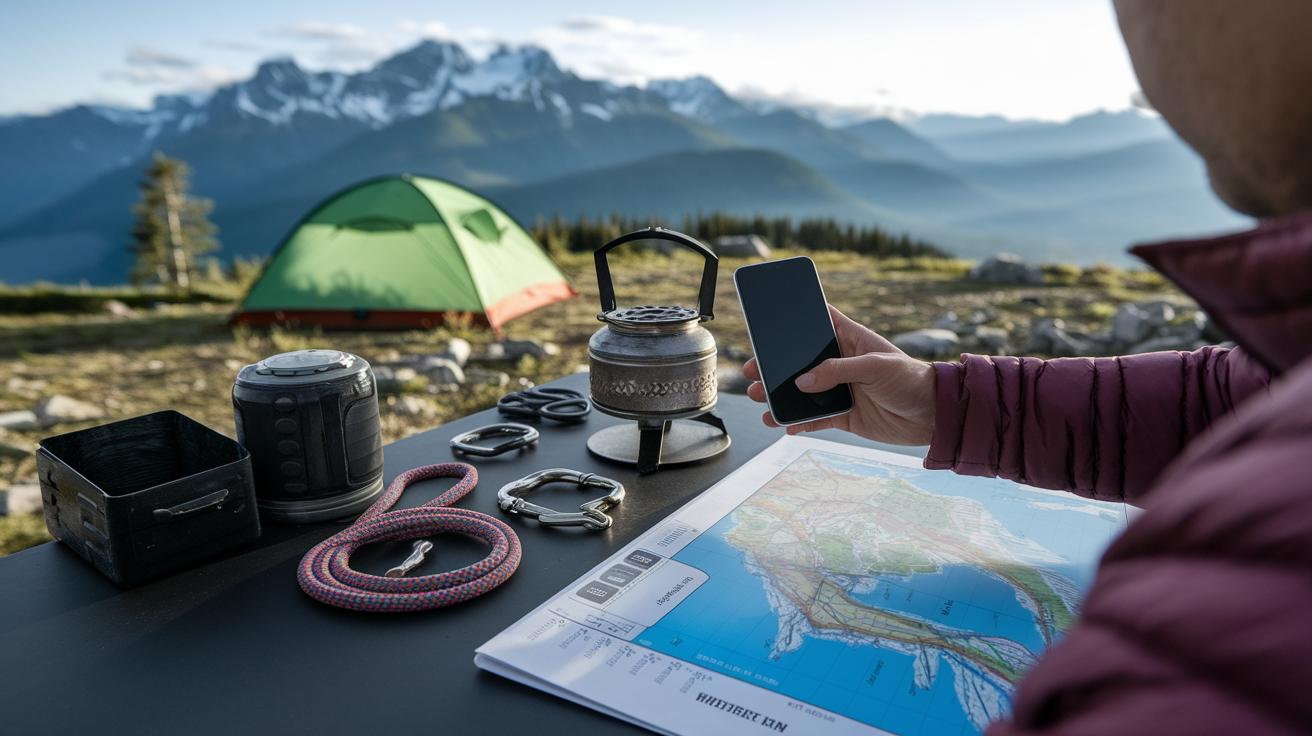
Before you head out on your next adventure, a little planning goes a long way. Spending a few extra minutes with a checklist keeps you from overpacking or scrambling last minute. Picture this: you're about to hit the trail and suddenly realize the bear-safe container is missing. Not ideal, right? A quick check can easily prevent that kind of hassle.
Start off with a full gear check. Give each piece a once-over. Make sure your tent seams are tight, your stove lights up, and your trusty tools, like carabiners and packing rope, are in good shape. Also, take a moment to check your route and the weather. A rapid weather glance might remind you to pack extra rain gear or sun protection. And if you're venturing into a national forest or a reserved campsite, look over any permit or park rules.
Next, gather your must-have gear list. This list is like the backbone of your trip. Here are the essentials:
| Gear | Why You Need It |
|---|---|
| Transparent bins | Quickly see what’s inside |
| Color-coded bags | Easy identification in low light |
| Packing rope | Securing your loads |
| Carabiners | Hook extra gear or set up a clothesline |
| Hanging shoe rack | Keeps boots and shoes off the ground |
| Trash management supplies | Keeps waste neatly contained |
| Bear-safe container | Prevents wildlife from getting your food |
When it's time to pack, arrange your items so the ones you'll use first are right at hand. Think about your portable camp kitchen. You might need your stove, propane, a cast iron pan, pot, coffee mugs, plates, and bowls sooner rather than later. Keep them together in a bin so you don’t dig through everything when hunger strikes. Imagine opening a transparent bin and instantly spotting your gear, simple and stress-free.
Meal planning is also part of the pre-trip routine. Sketch out your breakfast, lunch, and dinner plans. This helps you avoid hauling more food than needed. Maybe you’ll opt for a hearty bowl of oatmeal with dried fruits to start, a light wrap for lunch, and a filling dinner cooked on your camp stove. Keep snacks, condiments, and spices in small sub-boxes or zippered pouches inside your main food bin for a tidy setup.
If you’re planning to bring your pet along, set aside a special spot for their gear. Gather their food, bowls, and a leash in one container so everything stays organized. And for those unexpected wildlife visits, have a plan ready, perhaps a special bear-encounter strategy to keep everyone safe.
Taking these simple pre-trip steps will help you relax and focus on enjoying every moment of your adventure. Happy trails!
Camping Organization Essentials: Core Gear Categories Breakdown
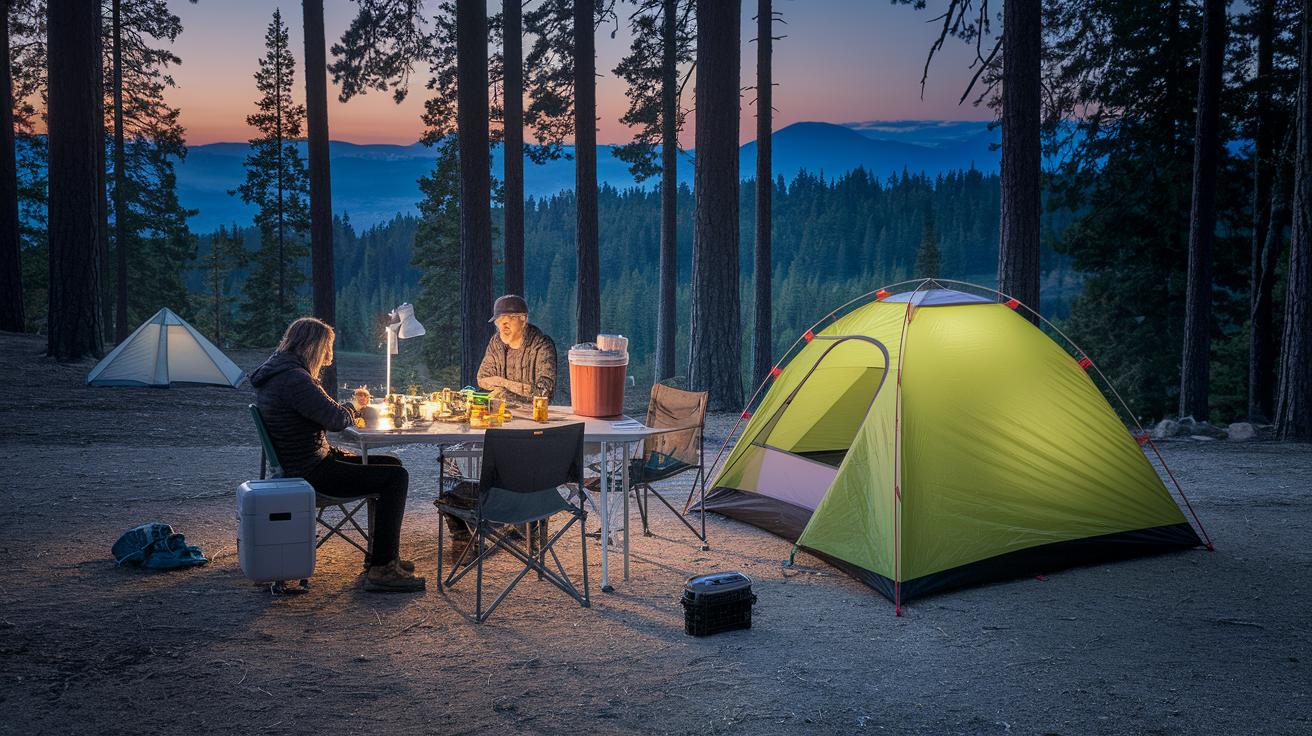
Start by sorting your gear into four tidy groups so you can set up camp without a fuss. First, gather your kitchen stuff, your stove, propane, water jug, cookware, coffee mugs, and plates. It’s like having a small café on the trail, with everything neatly together for a simple meal.
Next, bundle up your food supplies. This means your meals, snacks, and condiments all go into a clearly labeled bin. That way, if you’re in the mood for a quick bowl of oatmeal, you won’t spend time searching through a mixed pile.
Then, put your shelter and sleeping gear in its own group. Toss in your tent, sleep pad, sleeping bags, and even your lantern or headlamp. Keeping these items side by side means you can set up faster after a long day outdoors.
Lastly, don’t leave behind your personal items. Pack your clothing, toiletries, and little extras like camp games together. This helps you grab a warm jacket on a chilly night or your favorite book for a lazy evening by the fire.
For an even smoother packing and unpacking experience, use two main labeled bins: one for all your camp kitchen gear and another just for your food supplies. Check out the detailed overview of camping essentials for more tips on customizing your setup.
Camping Organization Essentials: Camp Kitchen and Cooking Gear Arrangement
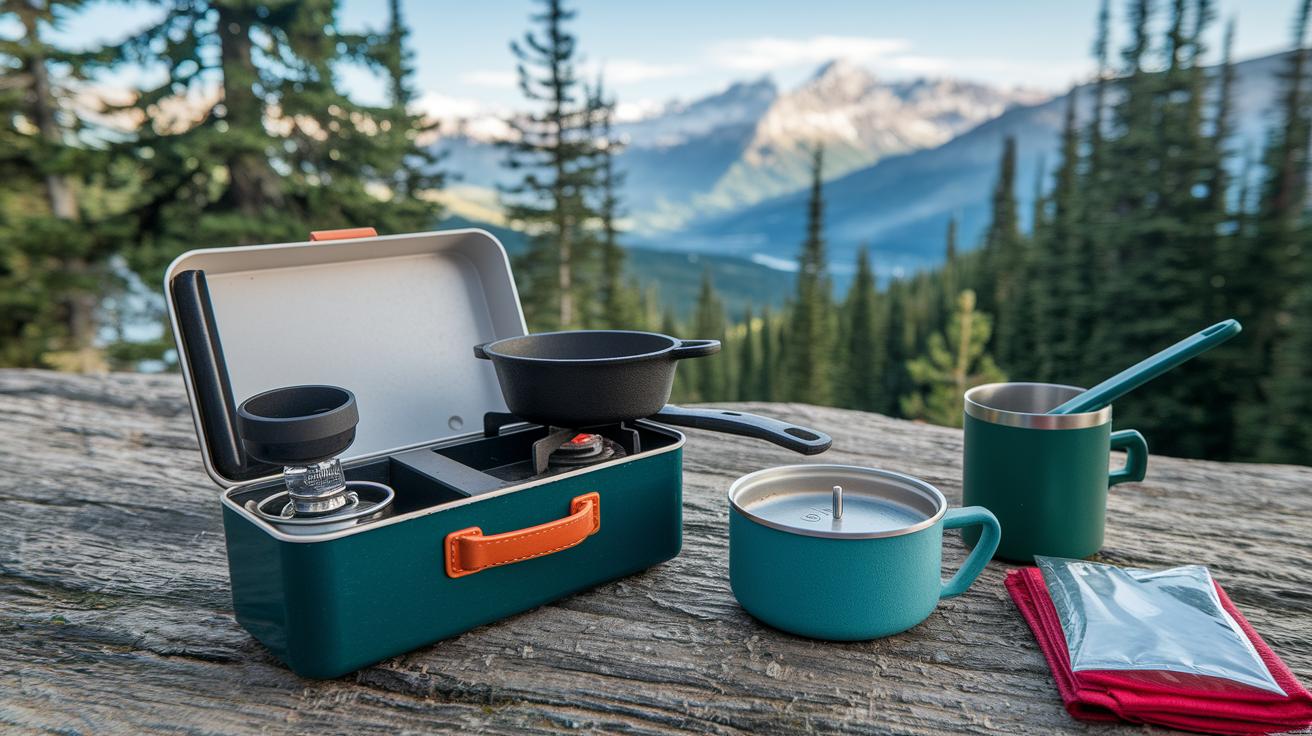
Keep all your cooking essentials together in a special camp kitchen box. Gather your stove, propane, cast iron pan, pot, coffee mugs, plates, and bowls so you can quickly set up your meal without any hassle.
Don’t mix your cleaning tools with your cooking gear. Instead, keep brushes and cloths in their own little pouch. This way, your plates and pans stay separate and safe during your meal prep.
After cooking, take a few minutes to clean and dry all your cookware. For example, wiping down your cast iron pan right after use helps keep it rust-free and ready for your next meal.
Camping Organization Essentials: Clothing and Personal Item Management
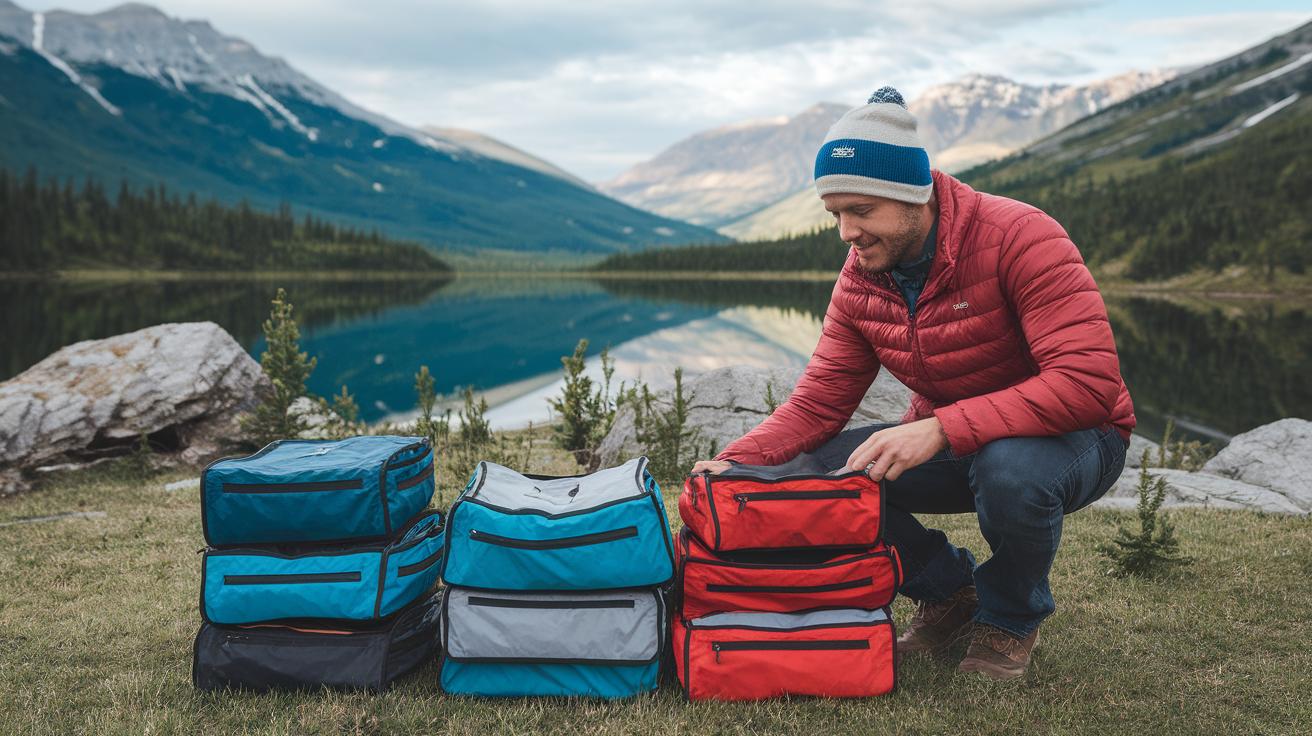
When you're out camping, keeping your gear neatly sorted can make your day a lot smoother. One great trick is using packing cubes or little bins labeled by day or how you'll use them. Imagine having one cube with all your clothes for a single day – it's super easy to grab and pack, kind of like your mini closet on the go.
Try picking clothes with handy pockets so you can tuck away small things like maps or keys without fuss. And if you put your toiletries, jacket, and even a fun book together in one bag, you'll cut down on clutter. Ever had that moment of relief when you grab your bag and everything you need is right there?
Also, set aside an external pack compartment just for rain gear or warm layers. That way, if the weather suddenly turns, you won’t have to dig through everything to find your jacket. And if you’re camping with a pet, keep their food, bowls, and leash in a clearly marked container so you’re always ready for your four-legged buddy’s needs.
These simple packing hacks help you keep your space neat and practical. It makes your campsite feel organized, so you can jump into your adventure without any fuss.
Camping Organization Essentials: Portable Storage Solutions and Labeling Tips
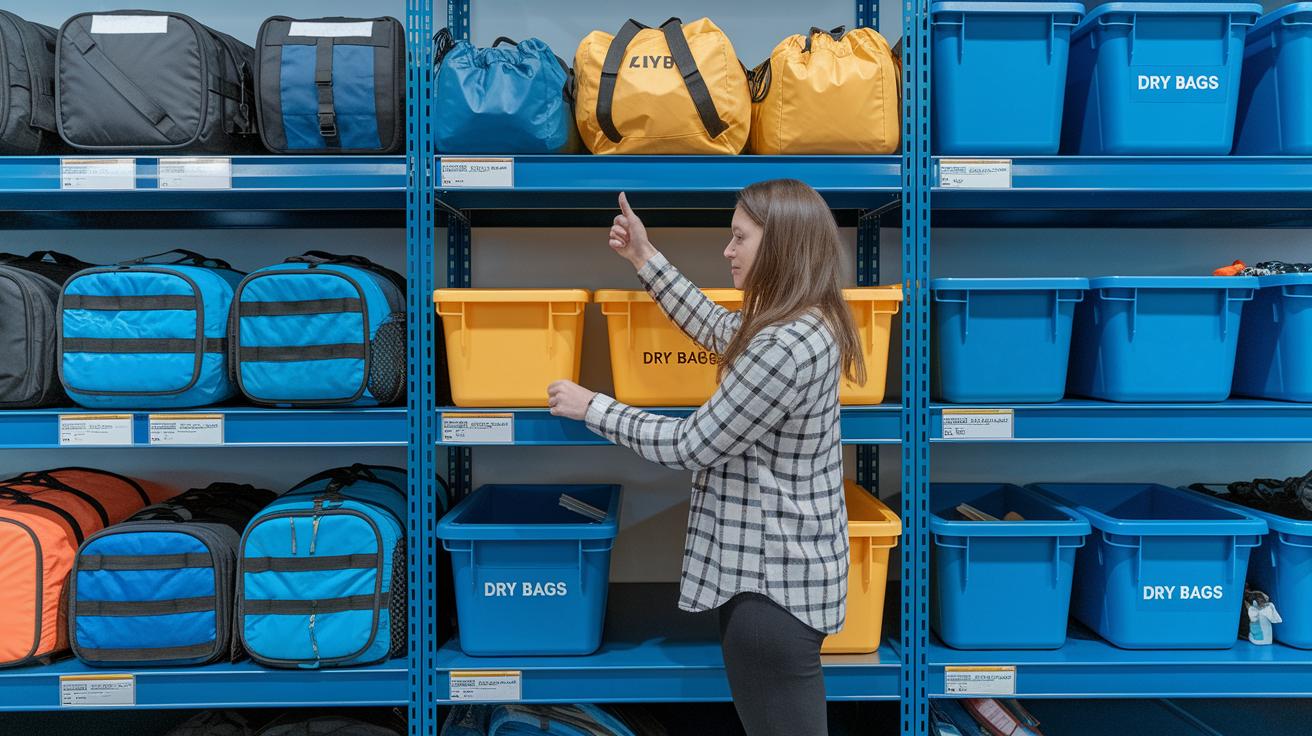
Keep your gear neat and ready to go by choosing smart storage that works for you. Think of versatile containers like dry bags and packing cubes, they let you sort your stuff by type and how often you use it. For example, pack everyday clothes in a cube and keep wet items safe in a dry bag. Easy, right?
Need a place for bigger gear like fuel canisters or cooking sets? Stackable plastic bins are perfect. They help you make the most of your space and simplify loading and unloading. Picture this: one sturdy bin holds all your extra cooking gear while another neatly stores your hardware.
Don't forget to label your containers. Use waterproof labels or color-coded tape so you can spot what you need without unpacking everything. This neat trick saves time when you're ready to set up camp or whip up a meal. Durable, rust-resistant bins keep heavy or wet items secure, no matter the weather. With these storage tips, every piece of gear stays exactly where it should be.
Camping Organization Essentials: Campsite Setup Planning and Zone Design
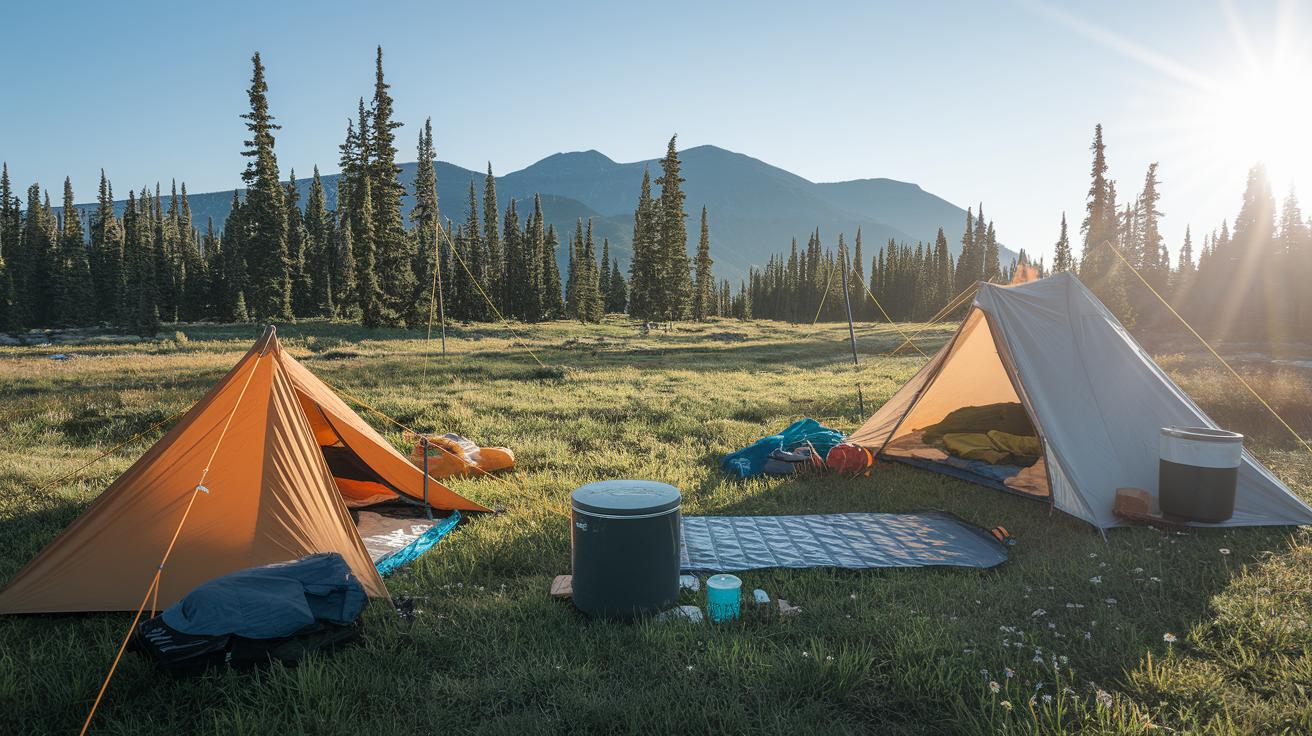
Plan your campsite like you’d pack your backpack, dividing it into neat sections. Start by setting up three zones, a cooking area near a water source, a sleeping spot placed upwind (away from any lingering food smells), and a storage zone for your bins and bigger gear. This way, you can grab your skillet or kettle in a flash while your tent stays calm and quiet.
Try hanging your gear off the ground with a rope or a hanging rack, imagine hanging your hat on a bright, sunny day, to free up space and keep pesky critters away. And don’t forget, set your trash station in a bear-proof container a little downwind from your sleeping area so unwanted visitors stay clear.
Keep your eyes open and adjust each zone as needed, based on the terrain, wind direction, or safety concerns. If the ground feels uneven or the wind shifts, simply tweak your setup. With a little planning, you’ll always find your cooking tools or sleeping bag right when you need them, making your campsite as smooth and stress-free as a breezy afternoon outdoors.
Camping Organization Essentials: Post-Trip Gear Care and Inventory Management
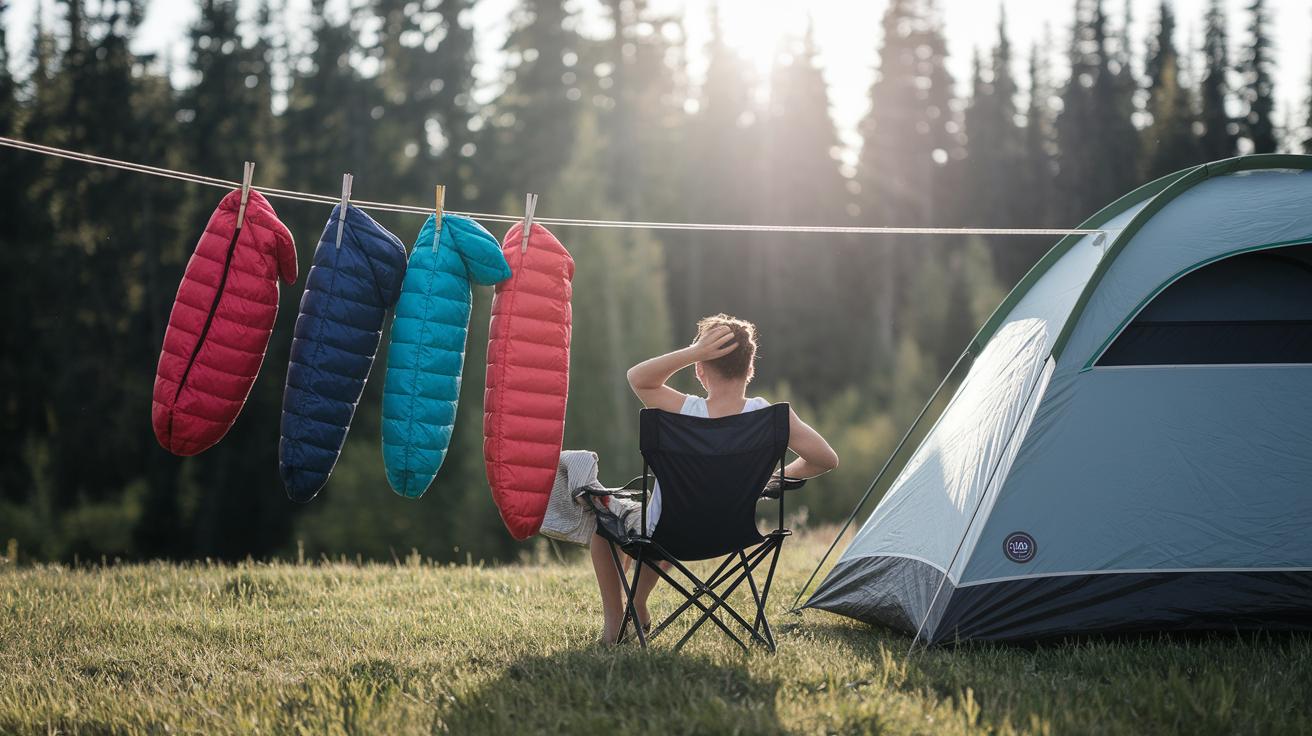
After every adventure, take a moment to check your gear. First, let your sleeping bags, blankets, and mats breathe by hanging them out. It's like hanging damp clothes on a breezy day, keeping everything fresh and stopping any musty smells.
Then, give each piece a good once-over. Run your hand along the tent fabric, check the stove burners (those are the parts that light up), and spot any signs of wear. For instance, wipe down your camping chair right after use so rust or dirt doesn’t settle in. If something looks worn out, jot it down and think about swapping it for something new.
Store your gear in a cool, dry place. Use labeled bins or a neat shelf system so you can find what you need without digging around. Labeling not only helps you pack up next time but also shows you what’s already in good shape.
Lastly, update your inventory checklist before your next trip. This quick review helps you see what’s ready to go and what needs extra care. It’s like taking a short hike through your gear, making sure every piece is in top shape for your next outdoor escape.
Final Words
In the action, this post broke down the essential pre-trip steps. It detailed gear packing strategies, focused on categorizing your supplies, and even covered smart campsite setup ideas. Each section aims to simplify your planning and make sure nothing is overlooked from pet gear to bear-safe containers. With camping organization essentials at the forefront, the post offers clear tactics to keep your outdoor trips stress-free. Enjoy the planning process and look forward to many safe, memorable outdoor outings ahead.
FAQ
What are some must-have items and tips for organizing camping gear for tent, outdoor, and car setups?
The must-have gear organization tips include using clear storage bins, color-coded bags, and labels to help you quickly locate items and keep your camping setup neat and easy to manage.
How can I use DIY ideas and smart hacks to organize tent and car camping gear?
The DIY organization ideas suggest repurposing simple household items like hanging racks and stackable bins. Carabiner clips and thoughtful placement make tent and car setups tidy and efficient.
How can I effectively store camping clothes and supplies using organization bins?
The effective use of bins involves selecting stackable, transparent boxes and labeling them. This setup helps you quickly see and access your clothes and supplies while keeping your space orderly.