

Ever thought about whether your first aid kit is as ready as you are for a day in the great outdoors? When you're out camping, even a tiny cut can become a real worry if your supplies aren't up to par. A kit stocked with the right basics helps you treat scrapes and burns quickly, letting you keep enjoying the fresh air and beautiful views.
In this post, we'll go over the must-have items that keep you safe in the wild. Think of it as your trusty trail guide, making sure you're never caught off guard.
Quick Overview of Camping First Aid Essentials
Heading out into the great outdoors? A solid first aid kit can be a real lifesaver when you get a scrape, cut, or even a little burn. Imagine this: you're hiking along a rugged trail, and a tiny nick turns into a worry if you don’t treat it right away. A well-packed kit lets you clean and cover up a scrape on the spot, keeping things safe until you get proper help.
Your camping safety kit should come with a few must-have items that are easy to use and tough enough for nature’s surprises. Here’s a quick list of what you need:
• Adhesive bandages (5 sizes)
• Sterile gauze pads (3×3″ and 4×4″)
• Medical tape (1 roll)
• Antiseptic wipes (10 individually wrapped)
• Antibiotic ointment (2 tubes)
• A first aid instruction manual
These items work together like a trusted team, helping you manage small injuries fast. Even a pocket guide can walk you through cleaning up a cut or dressing a wound step by step. With these essentials in your pack, you can focus on soaking in the crisp air and the beauty of nature, knowing you’re ready for those unexpected moments.
Essential Tools in Your Camping First Aid Essentials Kit
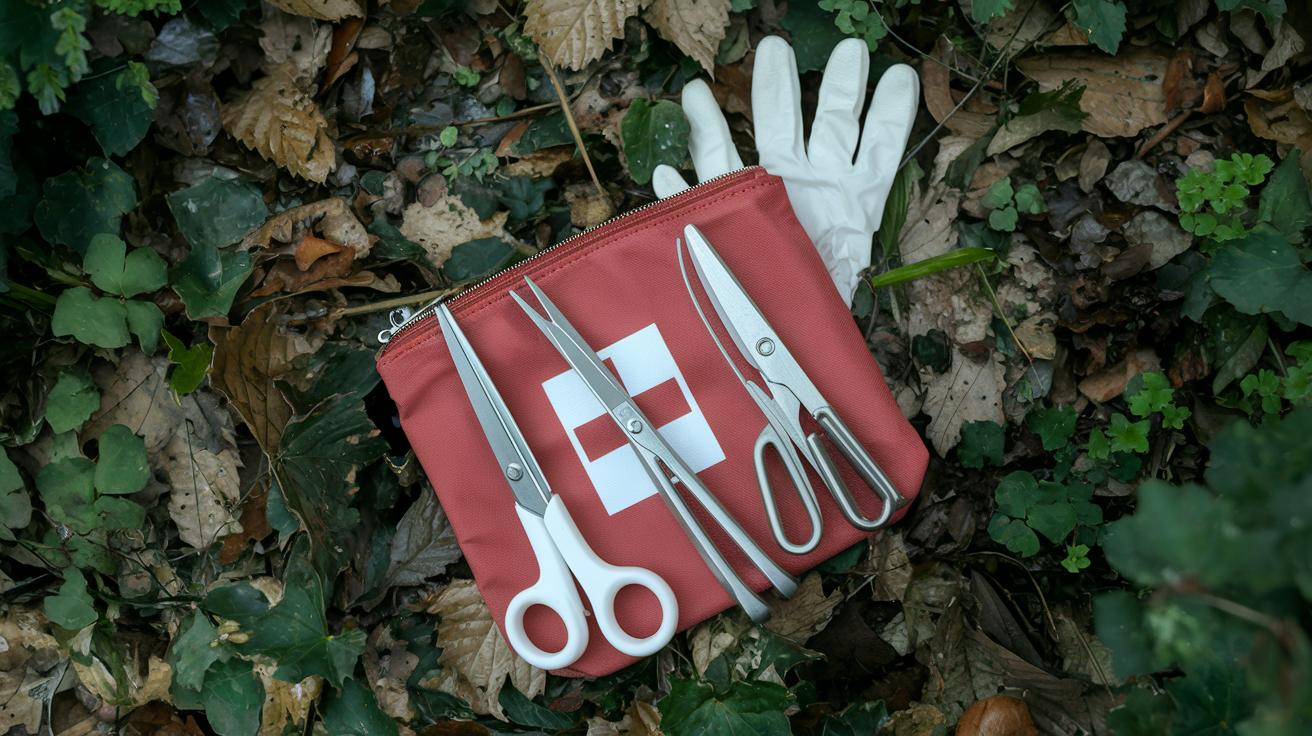
When you're out in nature, the right tools can make all the difference when you need to handle little mishaps. A good first-aid kit isn’t just a bag of supplies, it’s your trusty companion for treating cuts, scrapes, and minor injuries on the fly. It helps to feel prepared, like having a reliable map on an unknown trail.
Here are some must-have items from camping essentials that you can count on:
- Blunt-tip medical scissors for safe trimming of bandages
- Stainless steel tweezers to gently pull out splinters or any stray debris
- Disposable nitrile gloves (10 pairs) to keep your treatment area clean
- A digital thermometer (°F/°C) so you can keep an eye on body temperature
And if you find yourself dealing with a sprain or strain on uneven trails, an instant cold pack paired with a 4″ elastic bandage offers quick support and relief. You might also want to tuck in a mini headlamp for those darker backcountry nights. For extra peace of mind, a compact tourniquet like the SWAT-T adds another layer of safety when emergencies strike.
Each of these tools expands your kit’s ability to handle surprises in the great outdoors, letting you care for yourself and your buddies with confidence as you journey along scenic trails.
Must-Have Medications in Your Camping First Aid Essentials
When you're out in the wilderness and help isn’t nearby, having the right meds feels like having a trusted friend along for the journey. You’ll want to pack a mix that covers pain, allergies, and even heart concerns. Imagine this: you’re hiking and a sudden ache stops you in your tracks, reaching for an ibuprofen can clear the way, just like a cool drink of water on a hot day.
Below is a simple list of what to include:
- Ibuprofen (200 mg × 20 tablets) for pain relief
- Aspirin (81 mg × 20 tablets) for pain and helping your heart in an emergency
- Acetaminophen (500 mg × 20 tablets) for managing pain
- Antihistamines (diphenhydramine, 25 mg × 10 tablets) for easing allergy symptoms
Don’t forget any personal prescriptions you need, like an EpiPen, an inhaler, or those daily meds you rely on. It’s a smart move to pack an extra dose of your regular meds, just in case an unexpected situation pops up while you’re embracing the great outdoors. Each item is like a reliable trail buddy, ready to help until proper care is available.
Adapting Camping First Aid Essentials to Different Environments
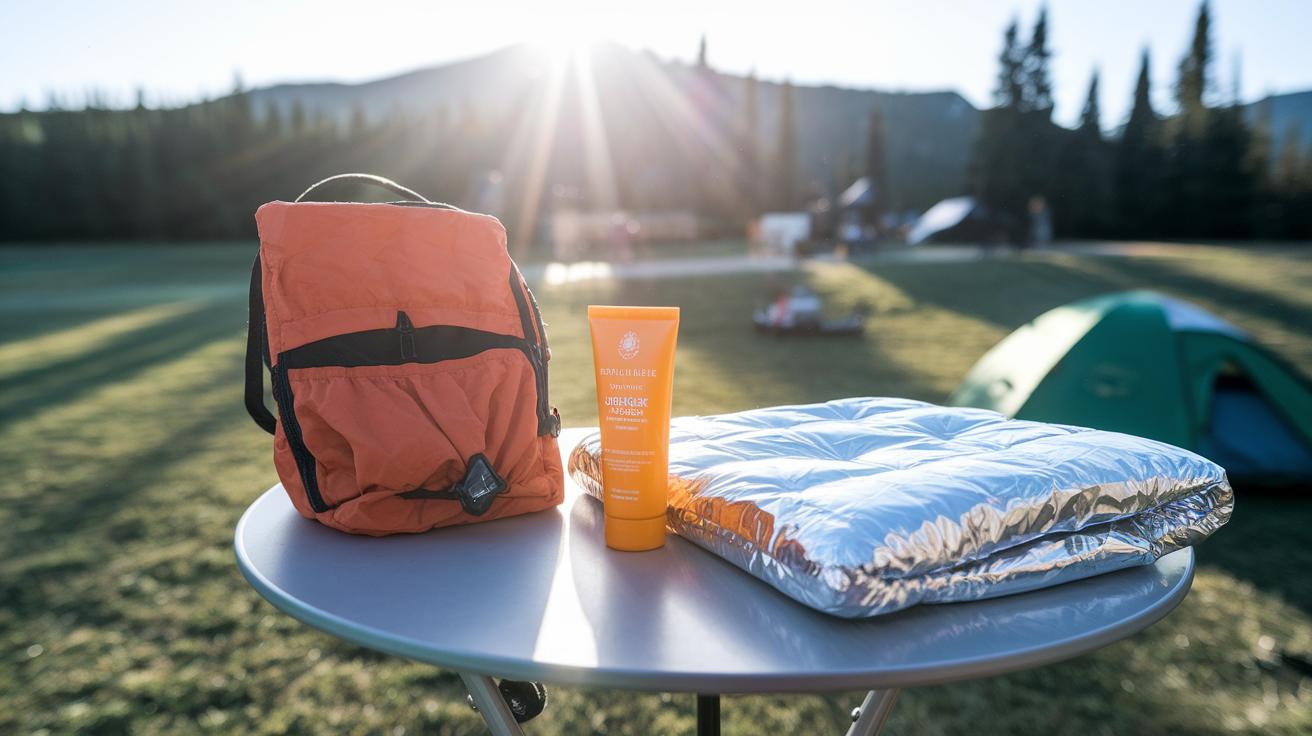
When you're gearing up for a camping trip, it's smart to tweak your first aid kit to match where you'll be. Heading out under a blazing sun? Stick in some SPF 50 sunscreen (1 oz) and a little aloe vera gel (1 oz) along with about 10 insect bite wipes. Imagine feeling the cooling relief as you treat a sunburn or a pesky bug bite right on the spot.
But if you're off to chilly mountains or alpine trails, you’ll want a heat-reflective foil blanket and a couple of hand-warmers in your pack. They'll help fight off the cold on frosty mornings or gusty evenings. And if you're visiting high altitudes where the air thins and discomfort can kick in fast, it's wise to add 10 doses of acetazolamide (250 mg each) along with 10 anti-nausea tabs to keep altitude sickness at bay.
Now, if you're planning a jungle or tropical adventure, don't forget your prescribed antimalaria pills and five DEET repellent wipes. These items can help fend off bug bites and keep you feeling secure in those humid, insect-filled spots.
| Environment | Additional Item | Purpose |
|---|---|---|
| Hot/Sunny | SPF 50 + aloe vera | Sunburn relief |
| Cold/Alpine | Foil blanket + warmers | Fight the chill |
| High Altitude | Acetazolamide + anti-nausea | Tame altitude discomfort |
| Tropical | Antimalaria + DEET wipes | Beat bug bites |
Tailoring your kit like this means you'll be ready for whatever Mother Nature throws your way. Enjoy your adventure and stay safe out there!
Organizing and Maintaining Your Camping First Aid Essentials
Keeping your first aid kit ready is as vital as knowing how to fix a scraped knee on the trail. Use a 1 L dry bag made of 70D squishable fabric (a strong, water-resistant material) and label it "First Aid." This way, it sits securely in your pack, guarding your supplies from rain and rough handling.
Organize your gear by sorting supplies into clear zip-lock pouches. For example, put dressings in one, tools in another, and medications in a third. That makes it so much easier to grab the right item fast when a little mishap happens.
Remember to check your kit every month. Take a minute to review expiration dates on medicines and swap out anything past its prime. A quick monthly look-over keeps you ready for any unexpected bumps along the way.
Here are a few handy tips:
- Keep your kit tucked in your trusty 1 L dry bag.
- Group supplies by type in clear pouches.
- Regularly check dates and replace items that are worn out.
Staying on top of your camping first aid essentials means you're always prepared, even when a small cut or bruise could otherwise turn into a big story.
Practical Tips for Using Your Camping First Aid Essentials Safely
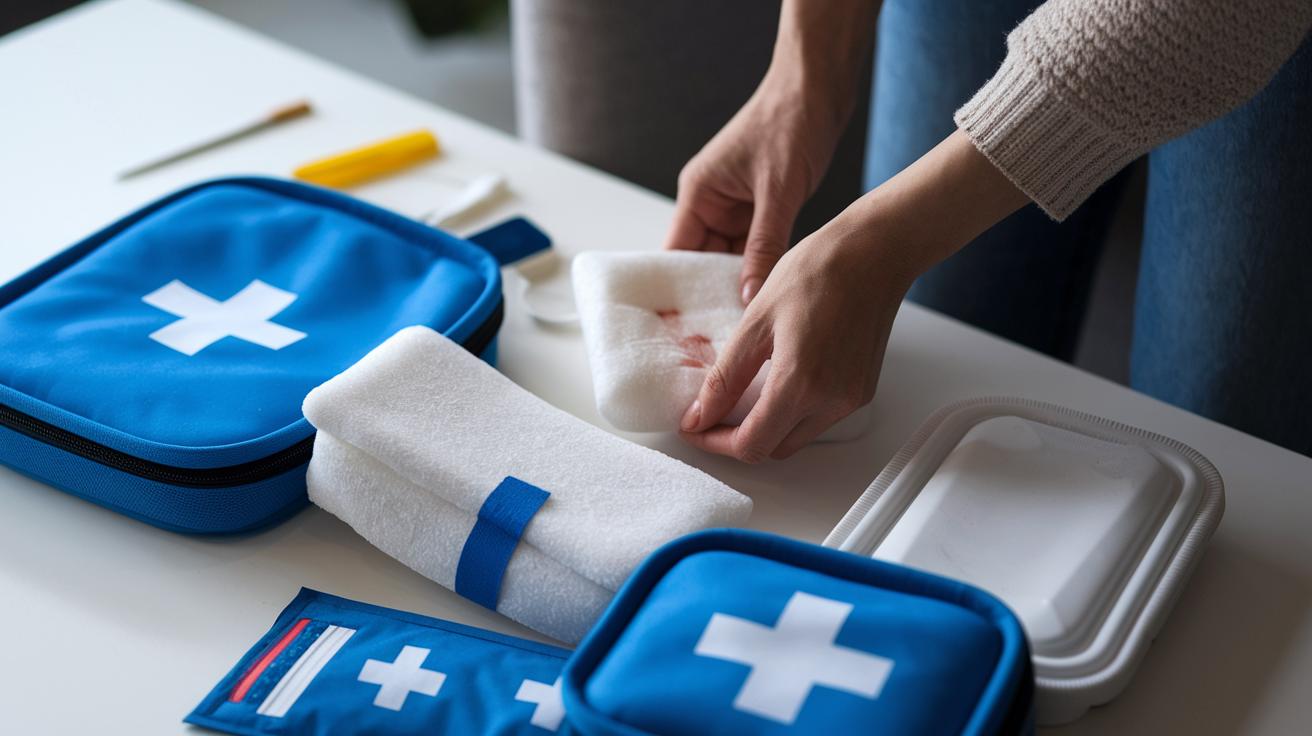
Before you head out on the trail, it’s smart to get to know your first aid kit. Take a little time at home to check out what’s inside and practice bandaging up a small cut. Imagine this like setting up camp: first, you lay out your gear; then you get comfortable with it so you’re not caught off guard when a real mishap happens.
- Look over your kit and practice treating a minor cut before you leave.
- Try using a cold pack by putting it on for 20 minutes, then taking it off for 20 minutes, to see how it eases the swelling.
- Wrap an elastic bandage with about a 50% overlap so the dressing stays in place.
- Remember to treat bleeding first, then ease the pain, and finally secure any sprains.
- Always use lighter wraps when you can, but never cut out anything that’s key for treating injuries.
When you’re actually out there, take your time and handle things slowly. First, focus on stopping any bleeding by applying clean pressure and dressings. Then, ease the pain and reduce swelling with your cold pack. Finally, wrap the injured area carefully with your elastic bandage. A routine like this not only helps you manage injuries better but also builds your confidence for real emergencies on the trail. Keep practicing these steps so you'll be ready when it really counts.
Final Words
In the action of building a smart kit, we walked through key items like bandages, gauze pads, and medical tools. We explored how to match supplies to your surroundings and keep your kit in check. We broke down storage tips and safe-use steps, making the process clear and approachable. These camping first aid essentials guide you every time you step out, reminding you to check your supplies before setting off. Stay ready and confident, knowing you’ve taken the practical steps to handle minor mishaps on the trail.
FAQ
What does the camping first aid kit checklist PDF contain?
The camping first aid kit checklist PDF contains basic supplies like adhesive bandages, gauze pads, antiseptic wipes, medical tape, antibiotic ointment, and a first aid manual to treat minor injuries in the wild.
What are tent camping first aid essentials?
Tent camping first aid essentials include supplies for treating scrapes, burns, and cuts. They feature various bandages, gauze pads, antiseptic wipes, and key tools like blunt-tip scissors and tweezers.
What does an outdoor camping first aid essentials checklist include?
An outdoor camping first aid essentials checklist covers core items such as dressings, wound care tools, medications, and sometimes climate-specific items like sunscreen or cold packs for rapid response.
What should be in my backpacking first aid kit?
A backpacking first aid kit should feature lighter, packable items like assorted bandages, sterile gauze, antiseptic wipes, a mini kit tool set, pain relievers, and a compact instruction manual for easy field treatment.
What are considered the best camping first aid essentials?
The best camping first aid essentials mix dressings, diagnostic tools, pain and allergy medications, and extra climate-related items into one organized, portable kit that suits rugged outdoor conditions.
What are the 5 P’s in first aid?
The 5 P’s in first aid refer to pain, pallor (paleness), pulselessness, paresthesia (tingling or numbness), and paralysis, which help you quickly assess injury severity and act accordingly.
What are 10 things needed in a first aid kit?
Ten things you need in a first aid kit include diverse adhesive bandages, sterile gauze pads, medical tape, antiseptic wipes, antibiotic ointment, disposable gloves, tweezers, blunt-tip scissors, a cold pack, and a detailed instruction manual.
What items go into a travel first aid kit?
A travel first aid kit should include basic first aid supplies like bandages, gauze, tape, antiseptic wipes, antibiotic ointment, pain relievers, allergy medicine, and any personal prescriptions to handle unexpected mishaps.