

Ever get the feeling that packing for a backpack trip is a bit of a gamble? You know that nagging worry of leaving out something important can turn a beautiful day in the wild into a stressful night. With a trusty gear kit, you can put those worries aside and focus on soaking up the crisp mountain air.
Imagine your backpack as that faithful friend carrying your shelter, sleep gear, and cooking tools. In this post, I share some smart gear picks to help beginners pack light and be ready for any surprise the trail throws your way.
Key Components of Your Beginner Backpacking Gear Kit
When you're just starting out backpacking, having a complete gear kit is like your safety net on the trails. It covers you for shelter, sleep, cooking, water, clothing, navigation, first aid, and those extra items that bring a bit of comfort. Think of it as a mini version of the big gear list you see online, everything you need so you can focus on the adventure without worrying about missing essentials. Picture packing up your favorite sleeping bag alongside a trusty stove, it helps keep things simple when the weather decides to surprise you.
Many new backpackers later wish they’d packed a couple of extra items. Folks often mention that skipping on extra layers, a proper first aid kit, or even a simple headlamp can turn a great trip into a challenging one. One hiker even remembered a night spent on a hard, bumpy ground because they forgot a sleep pad. That small oversight really made them see how important it is to have a well-rounded kit.
Up ahead, we’re breaking your gear kit into simple, easy-to-manage parts. You’ll find tips on choosing the right backpack, setting up shelter with tents or sleep systems, and picking out cooking and water gear to keep you energized. We’ll also chat about clothing and boots for when the weather shifts, plus advice on navigation, safety, and a few comfort items to boost your spirits when the trail gets tough.
Choosing Your First-Time Trail Pack Backpack
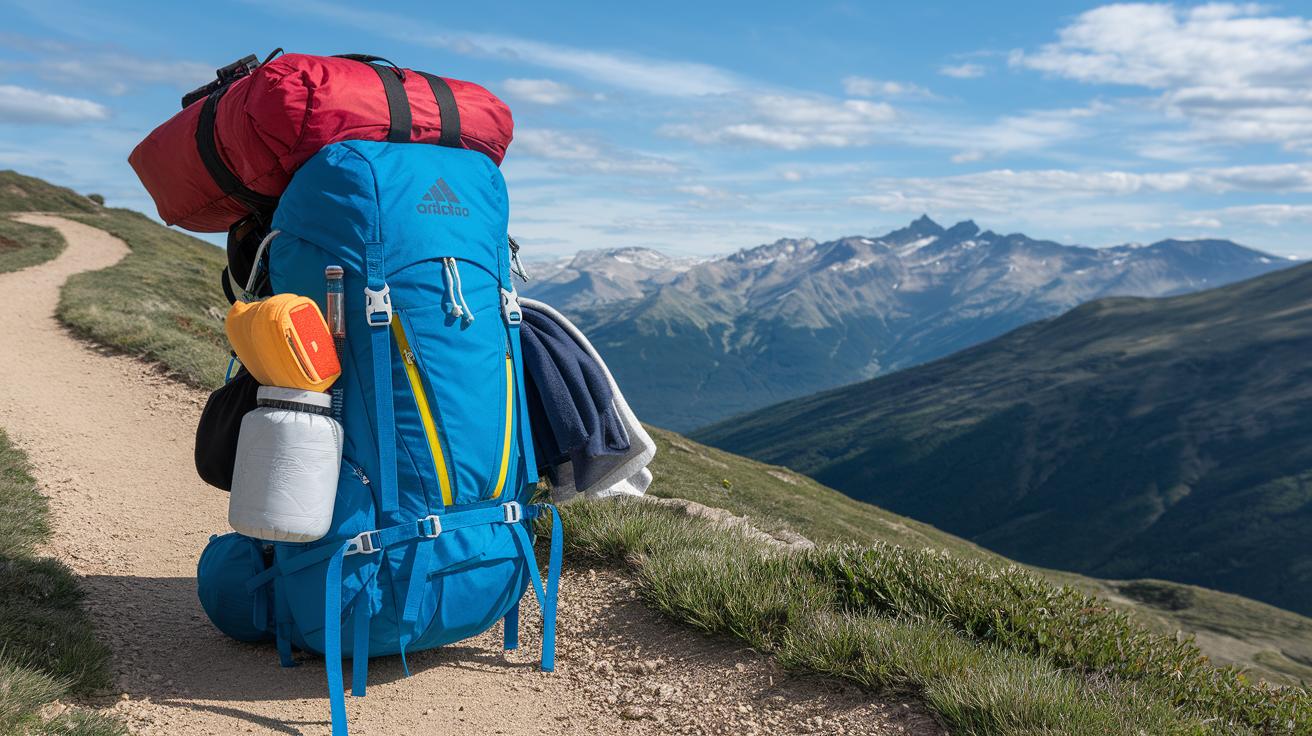
When you're gearing up for a multi-night adventure, your backpack isn’t just any bag. It’s where you pack your shelter, clothes, food, and water, the essentials that keep you going on the trail.
For new backpackers, a pack between 40 and 65 liters gives you plenty of room without feeling like you're lugging a ton of gear. Look for models with adjustable hip belts, a good torso fit (so your pack sits just right), proper ventilation, and easy-access pockets that let you grab what you need quickly.
Favorite choices among fellow hikers are the Osprey Aura LT 65 and the Osprey Aura AG 50. You can learn more about these options by browsing the "backpacking backpacks" collections.
| Model | Capacity | Weight | Price Range |
|---|---|---|---|
| Osprey Aura LT 65 | 65 L | 3 lbs 6 oz | High |
| Osprey Aura AG 50 | 50 L | Approximately 3 lbs | Moderate |
| Eagle Creek Scout 55 | 55 L | About 3.5 lbs | Budget |
Getting the right fit makes all the difference on the trail. Always measure your torso so you pick a pack that truly fits you. Adjusting the hip belt so it sits snugly on your hips is key, it can seriously ease your load on those long days of hiking. Try this simple check: tighten the straps until the pack hugs your back, just like wrapping up in your favorite, cozy sweater.
Shelter and Sleep System Essentials for Beginners
When you're picking your shelter, keep weight, season, and space in mind. A two-person tent, like the freestanding Durston X-Dome 1+ (weighing 2 lbs 6 oz), works great on chilly nights. But if every ounce matters, try an ultralight tent like Gossamer Gear The One (weighing just 1 lb 6 oz). Ever notice how a lighter tent can make your pack feel much easier on those long hikes?
Now, let’s talk sleeping bags. Many beginners lean toward synthetic fill instead of down. Take the Zenbivy Light Bed, for example. It’s rated for 25°F and weighs about 1 lb 10 oz. Synthetic bags like these do a better job in damp conditions and cost a bit less. Imagine cozying up in a sleeping bag that stays warm, even if a little moisture sneaks in during an unpredictable spring or fall night.
And don’t forget about sleeping pads, they’re a key part of your sleep system. Air pads let you adjust firmness and trim down weight, while self-inflating pads offer extra insulation though they can feel a bit heavier. Then there are closed-cell foam pads, which are super durable even if they aren’t as cushy. Think about what matters most to you: comfort or weight. That way, you can pick the pad that helps you get a better night’s sleep out in the wild.
Cooking and Hydration Gear Recommendations for Your New Trek
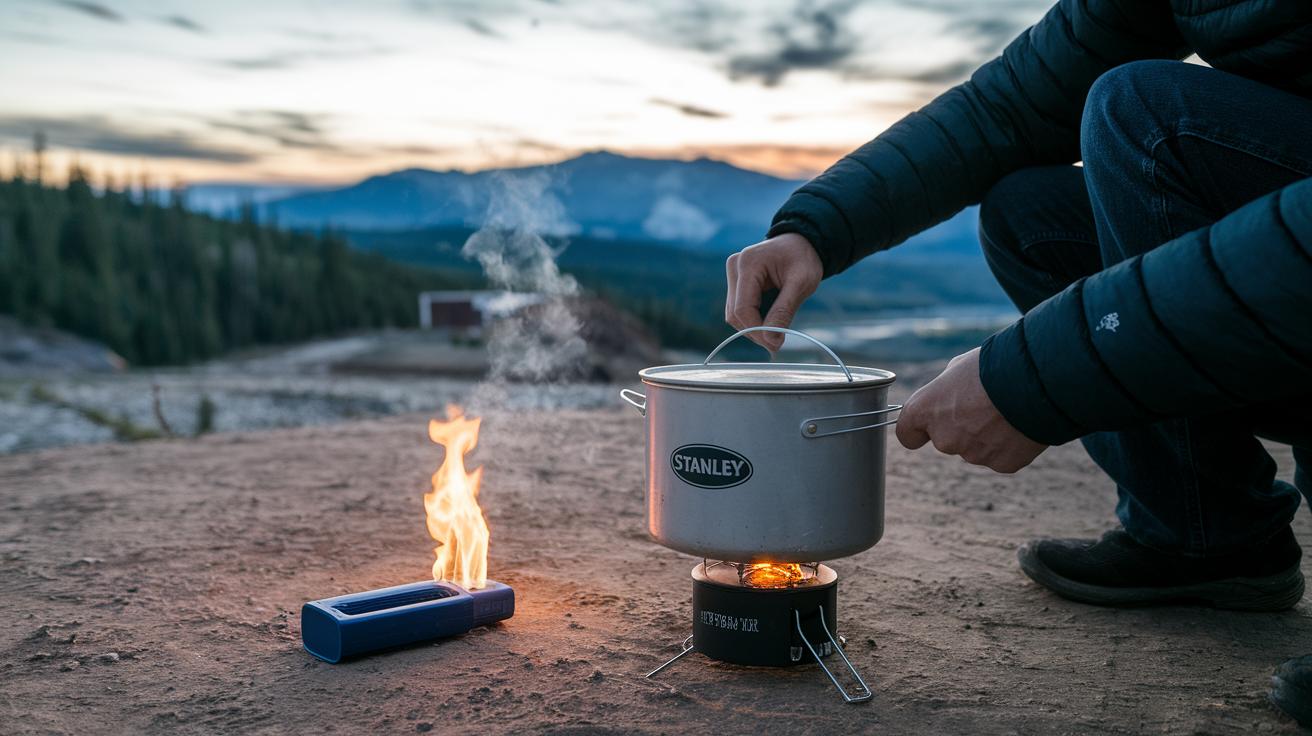
A trusty stove is a must-have for warming up food and whipping up simple meals on your trek. A lightweight burner gives you dependable heat without bogging you down. Pair it with MSR IsoPro canisters for a steady flame, and keep two Bic lighters handy as a backup. That way you’re all set if the weather turns chilly or your flame falters. I once heard a camper say, “I felt so reassured knowing a backup was right there.” With this gear, you can enjoy meal prep without fretting over your cooking setup.
Next, go for a cookset that’s both light and practical. The Stanley lidded pot holds 24 ounces of water and makes simmering meals a breeze. Bring along a couple of sturdy plastic cups that double as bowls or drinking vessels during breaks. Add a lightweight utensil, like a spork or a collapsible fork, to help cut down on extra weight while still keeping it versatile. This simple kit makes preparing food as smooth as setting up camp just before nightfall.
For hydration, pack a large Nalgene bottle to cover your daily water needs. You can also include a few smaller reusable bottles for extra sips along the way. These bottles are lighter than bulky hydration packs and let you easily check your water levels. If you need to treat water on the go, a DIY filter kit weighing around 5 ounces is perfect, it works well without weighing you down. Think of it as having a tiny water purifier tucked right into your pack. This setup keeps you hydrated and fully charged for every step of your adventure.
Essential Clothing and Footwear in Your Beginner Backpacking Gear
When you're out on a hike, layering your clothes is like having a trusty trail buddy. Start with a base layer that pulls sweat away from your skin and leaves you feeling dry, then add on some lightweight hiking clothes that dry fast, and don’t forget a spare pair of socks and underwear. A solid outer layer is your shield against unexpected chills or a light drizzle. I remember one early spring hike when packing an extra long-sleeved top really saved the day when the temperature suddenly dropped.
Your shoes carry you through every step, so choose them with care. Many hikers swear by lightweight trail running shoes, which feel like the perfect pair of sneakers for a long day on the trail. They’re designed with a roomy toe area and a zero-drop build (this means the heel and the toe are at the same level, helping your balance), so you can feel secure without any extra weight slowing you down. Try them on to make sure they fit just right, a snug feel that supports your feet without pressing too hard. Enjoy the journey, and let every step be as natural as a simple walk in the woods.
Navigation, Safety, and First Aid Gear Basics
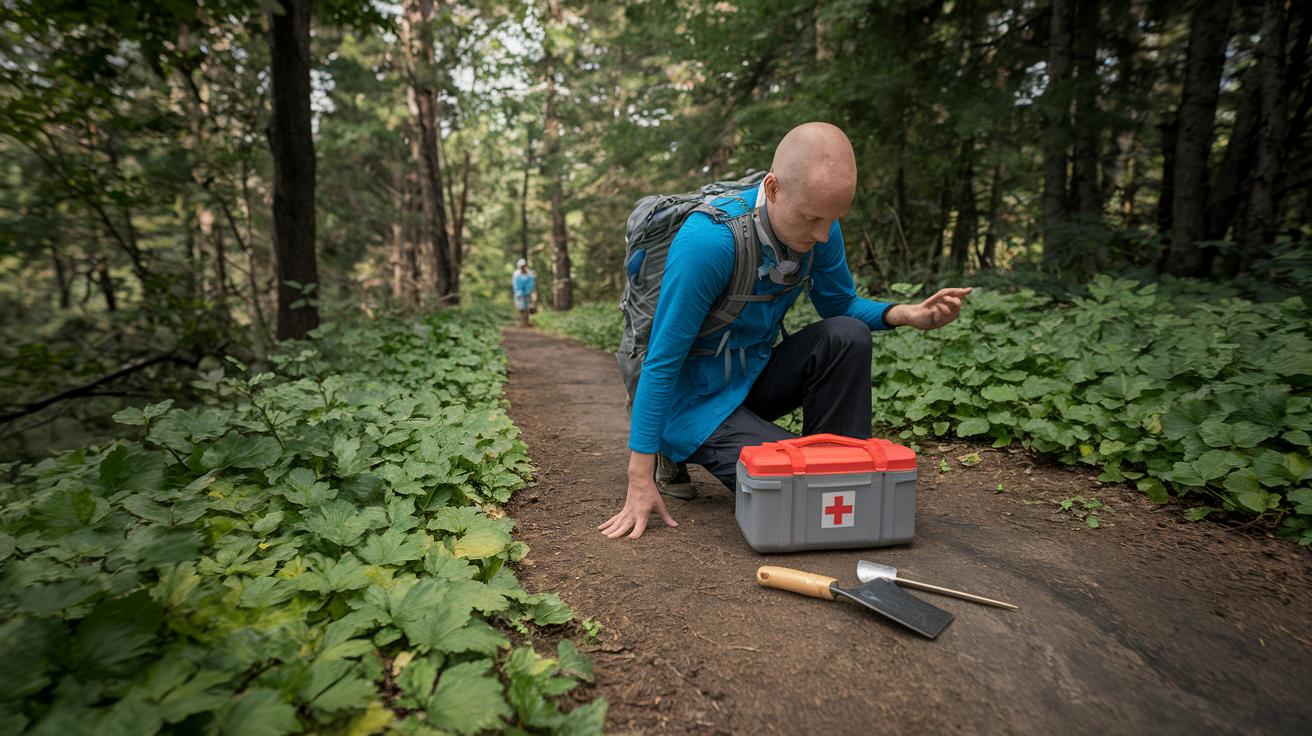
When you head out into the wild, a good first aid kit is like having a trusty friend on the trail. It’s there to help you handle blisters, cuts, and sprains that might happen when you’re exploring new paths. I usually pack a few bandages, antiseptic wipes, and some pain relievers in a small pouch that's easy to grab when needed.
Next, think about how you deal with waste. I always bring a small trowel to dig a cathole (a shallow hole for waste) about 6–8 inches deep and 4–6 inches wide. Disposable bags come in handy, too, so you can pack out any trash and stick with the Leave No Trace rules.
Don’t skip on navigation either. A reliable compass or a GPS app on your phone (when you have cell service) can really light your way. And if you're in bear country, store your food at least 200 feet away from your sleeping area, it’s a smart way to keep critters at bay. Carrying bear spray is another great tip for safety when you’re in areas with active wildlife.
These simple steps help you stay prepared and confident, so you can enjoy every moment on the trail.
Comfort and Accessory Items to Enhance Your Beginner Backpacking Experience
When you're setting off into the backcountry, a couple of extra comfort items can make your trail time feel a lot like home. Imagine plopping down on a lightweight seat like the Helinox Chair Zero (it weighs just 16 oz) after a long, tiring hike. And when the path gets rough, Leki Cressida FX Carbon AS trekking poles help you keep steady, making every step a bit easier.
Don't forget to pack a Swiss Army knife, too. It's a handy little tool for quick fixes or those unexpected surprises nature throws your way. A rechargeable Charmast power bank is another must-have, keeping your favorite devices charged even when you're miles away from any town.
On tougher days, a few small treats can lift your spirits. Enjoy a few sips of light coffee or pop open a petite bottle of wine during a well-earned break. These little indulgences can remind you to savor every moment outdoors, turning a challenging day into one full of simple, memorable joys.
Beginner Backpacking Gear Packing Tips and Checklist
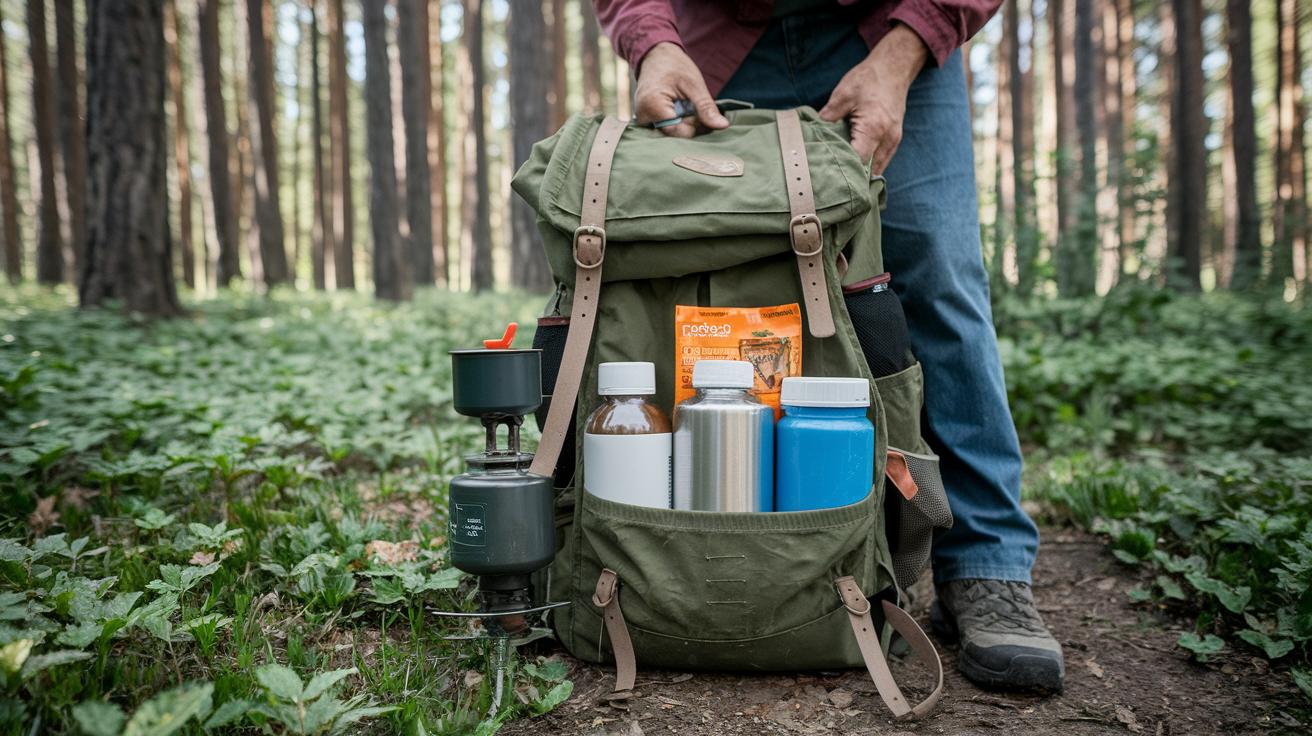
Packing for a multi-night trek is like setting up camp with careful plans and a big heart for nature. When you pack using Leave No Trace ideas, you help keep the wild places beautiful and safe. One smart trick is to group items by what they do, imagine having a special spot for your stove, food, and water so you never have to dig through your pack in a rush.
Following rules about fire safety and camping only on solid ground is part of that careful planning. It keeps wildfires at bay and protects nature’s beauty. Putting the heaviest things close to your body helps you stay balanced and eases the load on your back. Compression sacks can shrink bulky items, so your pack isn’t a heavy, jumbled mess.
Keeping your most-used gear within arm’s reach means you spend less time searching and more time soaking in the great outdoors. A well-organized pack doesn’t just lighten your load, it gives you extra confidence to enjoy every twist and turn of the trail.
- Distribute weight evenly.
- Use waterproof stuff sacks.
- Keep essentials within reach.
- Compress bulky gear.
- Balance load top-to-bottom.
- Double-check your gear list before departure.
Final Words
in the action, we explored every part of your complete gear kit, from shelter and sleep solutions to cooking set details, safety basics, and comfort accessories. Each section gave clear tips and simple pointers to help you pack smartly and confidently.
Remember, having the right beginner backpacking gear makes all the difference when you hit the trail. A well-organized kit will boost your confidence and make your outdoor days even more fun. Enjoy every step on your path ahead.
FAQ
What is a complete beginner backpacking gear list?
A complete beginner backpacking gear list includes your shelter, sleep system, cooking tools, water supplies, proper clothing, navigation and safety kits, plus a few extras for comfort.
What should a backpacking essentials list for Europe include?
A backpacking essentials list for Europe covers gear that protects you in varying weather. Expect a sturdy tent, warm sleeping gear, basic cooking set, layered clothing, and tools for navigation and safety.
What are some recommended ultralight and budget backpacking gear options?
Ultralight and budget backpacking gear options focus on light, multi-use items like compact tents and minimalist cooking kits. These help cut weight while keeping you ready for multi-night trips outdoors.
What does the 20% rule for backpacking mean?
The 20% rule for backpacking means your pack’s weight should be around 20% of your body weight. This guideline keeps your load manageable, so you stay comfortable on long hikes.
What should I buy first for backpacking?
The first purchase should be a quality backpack that fits well. A solid pack supports all your essentials, making your outdoor experience safer and more comfortable.
What are the key “big three” items for backpacking?
The “big three” items are your backpack, shelter, and sleep system. These core components keep you safe and provide a comfortable setup while spending time outdoors.
Do I need a 40L or 50L backpack for backpacking?
A 40L pack might suit short trips with light gear, while a 50L bag offers extra space for multi-night outings. Pick based on your trip duration and the volume of gear you plan to carry.