

Ever thought a simple tarp could be your secret pit stop in the wild? This little wonder is light but tough, ready to fend off a heavy downpour or gusty winds, and keep you warm and dry no matter where you wander.
We break it down: the fabric is smart and built to last, the tie-out spots keep it snug (think of them as nature’s own safety clips), and the design is both clever and practical. It’s a trusted piece of gear among outdoor friends.
So next time you’re packing your trail kit, consider this tarp. It might just be the reliable companion that adds a bit more comfort to your next adventure.
Essential Features of Backpacking Tarps
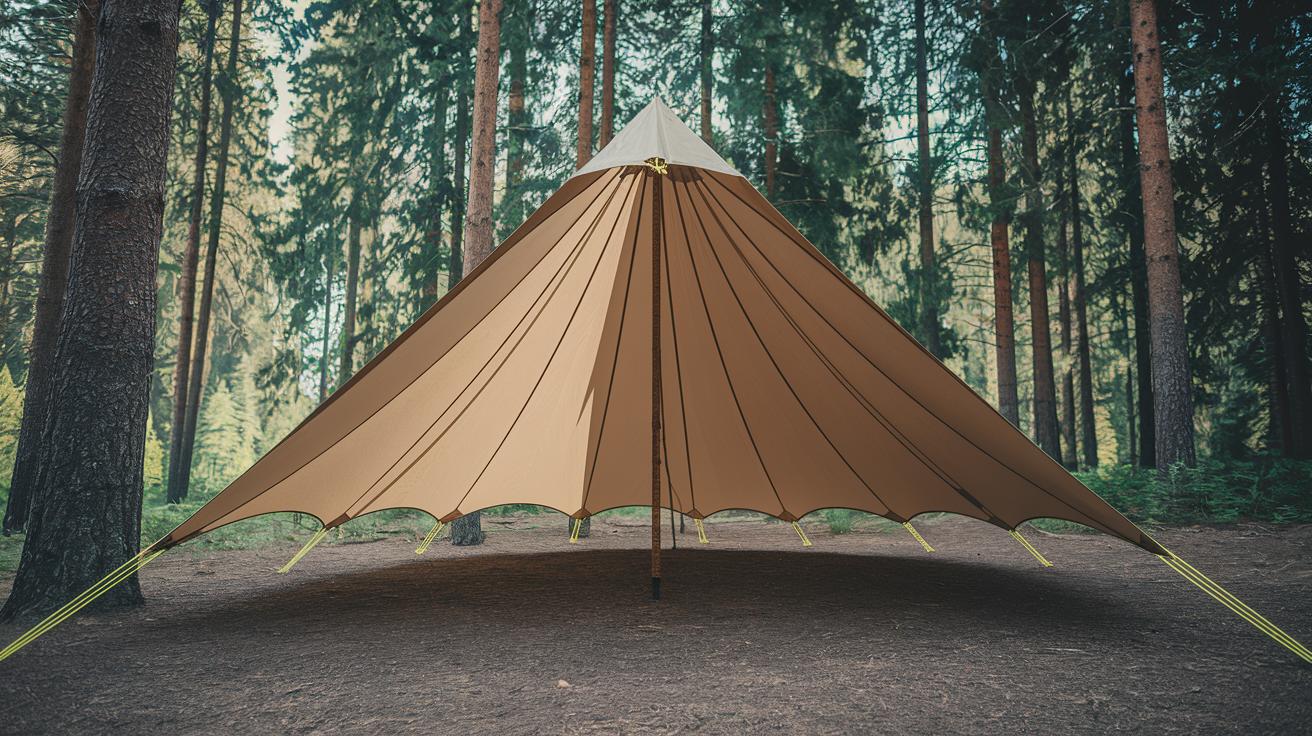
The DST Tarp is made from tough 30D Nylon 6.6 Ripstop. This fabric is built to last, it wears better than regular nylon and is much stronger than silpoly tarps. With a sturdy 3000 mm waterproof rating, it keeps you dry when the rain pours down. It’s a favorite among backpackers who count on reliable gear.
It comes with sixteen extra-strong tie-outs and a robust central cone. This setup even fits a trekking pole to create a steady A-frame or lean-to shelter. Setting up is simple; you can secure every corner whether you’re using a tree branch or a stake. That means you can adjust the shelter to have more space for your gear or a cozy, wind-safe cover.
The tarp’s quiet fabric is a real bonus, there are no noisy zippers to disturb your peace. It’s a smart pick for stealthy backpacking trips or even hunting outings. In winter, angling the tarp steeply lets snow slide off, and pairing it with a winter bivy gives you an extra shield against the chill.
A tube of SilNet seam sealer comes along to keep the tarp waterproof over time. With a little regular care, sealing the seams and storing it dry and loosely, you’ll keep your shelter in great shape for many adventures ahead.
Material Options for Backpacking Tarps
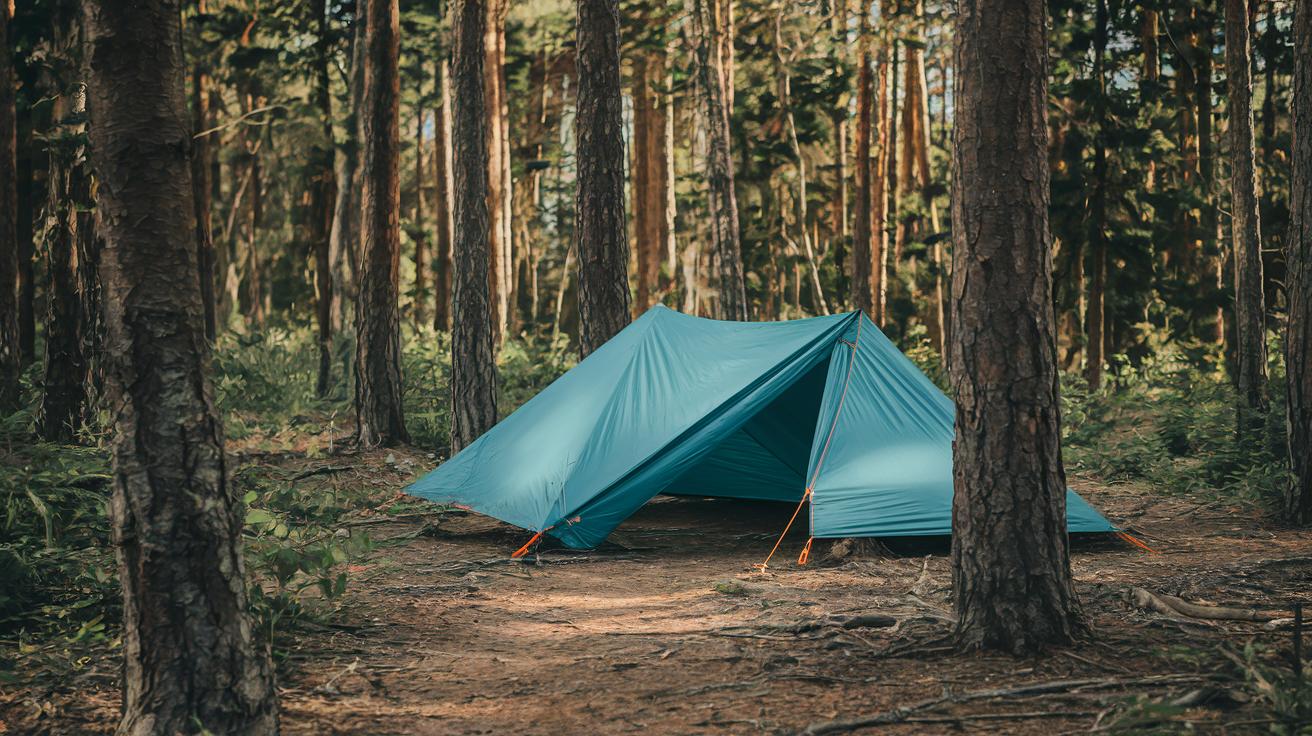
When every ounce counts on your backcountry trek, your tarp’s fabric really makes a difference. The material changes how durable, light, and weather-proof your shelter will be. It all boils down to your style and budget, maybe you crave ultralight gear, or perhaps you prefer something cost-friendly that still keeps you dry.
| Material | Weight (oz/sq yd) | Key Benefit |
|---|---|---|
| Dyneema DCF | .5–.75 | Super light and really strong |
| 30D Nylon Ripstop | Moderate | A balanced mix of lightness and durability |
| Sil-nylon | Heavier | Budget-friendly with solid waterproofing |
| Sil-poly | Heavier | Cost-effective and dependable in mild conditions |
For those aiming to travel light, Dyneema DCF is a real gem. It’s almost weightless yet tough enough for high tension, perfect for rugged trails. If you’re keeping an eye on expenses but need a cover that lasts, sil-nylon is a smart bet. And if you’re looking for that sweet spot between low weight and lasting strength, 30D Nylon Ripstop has you covered. Think about how you plan to use your tarp, whether on solo trips or shared adventures, and let that guide you to the best choice for your journey.
Sizing and Packability of Backpacking Tarps
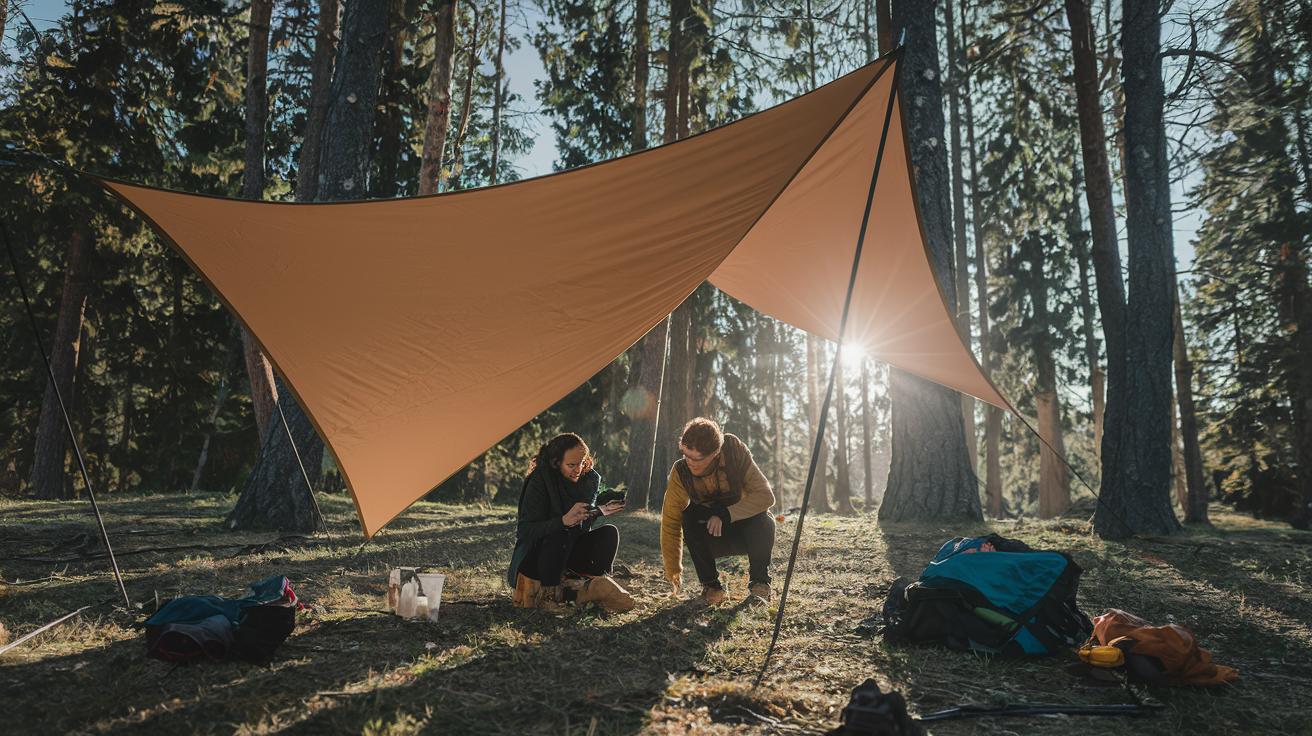
When you're heading out solo, choosing the right tarp is like picking the perfect campsite. Imagine laying down a tarp that's just the right size for you. For instance, the Zpacks Flat Tarp gives you an 8′×10′ spread while weighing under 7 oz. Then there's the Hammock Gear Traverse, which offers a snug 9.5′×9.5′ setup.
If you're camping with a few friends, you'll want a bigger cover. The Zpacks Big Ass Camp Tarp protects you with 130 sq ft at only 10.7 oz, and the Kammock Kuhli XL stretches out to 16.5′×14.2′, making a great shelter for groups. Just a little extra weight, about 1 to 3 oz, can mean a lot more room, much like upgrading from a one-person shelter to a two-person one.
Packing volume matters, too. A tarp that compresses well leaves your pack feeling light and roomy for other essentials. Even a small bump in weight can boost performance and help the tarp stand strong against wild weather.
When you're thinking about tarp side lengths, consider your sleeping setup and how you like to pitch camp. A larger side might be perfect if you enjoy extra space to relax or set up a lean-to. Sometimes, just a little extra fabric adds that extra bit of comfort on long trails.
Setting Up a Backpacking Tarp: Step-by-Step
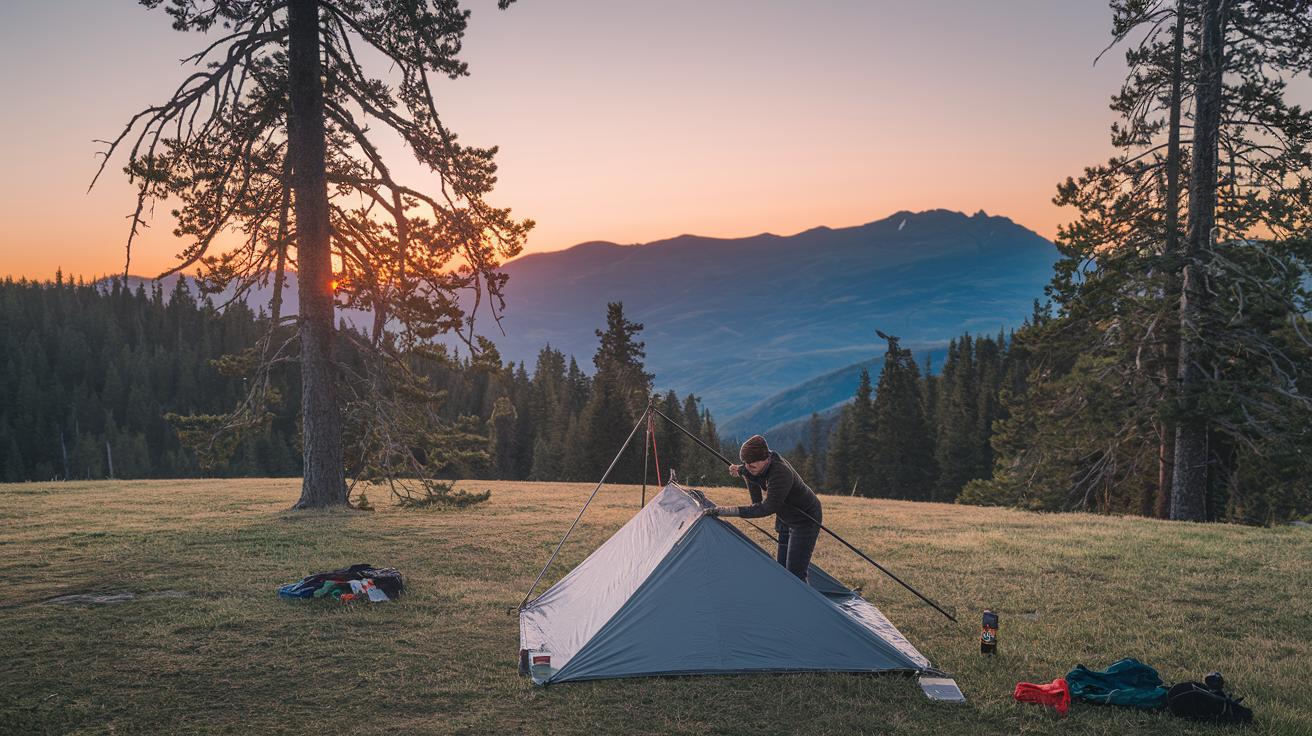
Finding the perfect spot is the first step. Look for a flat clearing without rocks or sticks, and scout out natural anchors like sturdy trees or big boulders nearby. Gather your essentials, the tarp, a few stakes, a trekking pole, and extra cord, and ensure there's enough room to pitch your shelter comfortably. This careful planning lays the groundwork for a stable cover, whether you're setting up a simple awning for shade or a neat bower for downtime.
- Evenly stake the tarp’s corners to sketch out your shelter's shape.
- Pop a trekking pole into the reinforced central cone to serve as a pivot.
- Pull the ridgeline tight so the tarp forms a solid A-frame.
- Fasten the guylines to natural anchors like robust rocks or low-hanging branches.
- Adjust the stakes as needed to ward off gusts and fine-tune your shelter’s stability.
Switching up the setup is a breeze. If you’re after a lean-to style for extra warmth or more headroom, just ease one side’s tie-outs. This easy tweak lets you adapt the pitch based on wind or weather changes, keeping your cover steady and comfortable all through your adventure.
Top Backpacking Tarp Models Reviewed
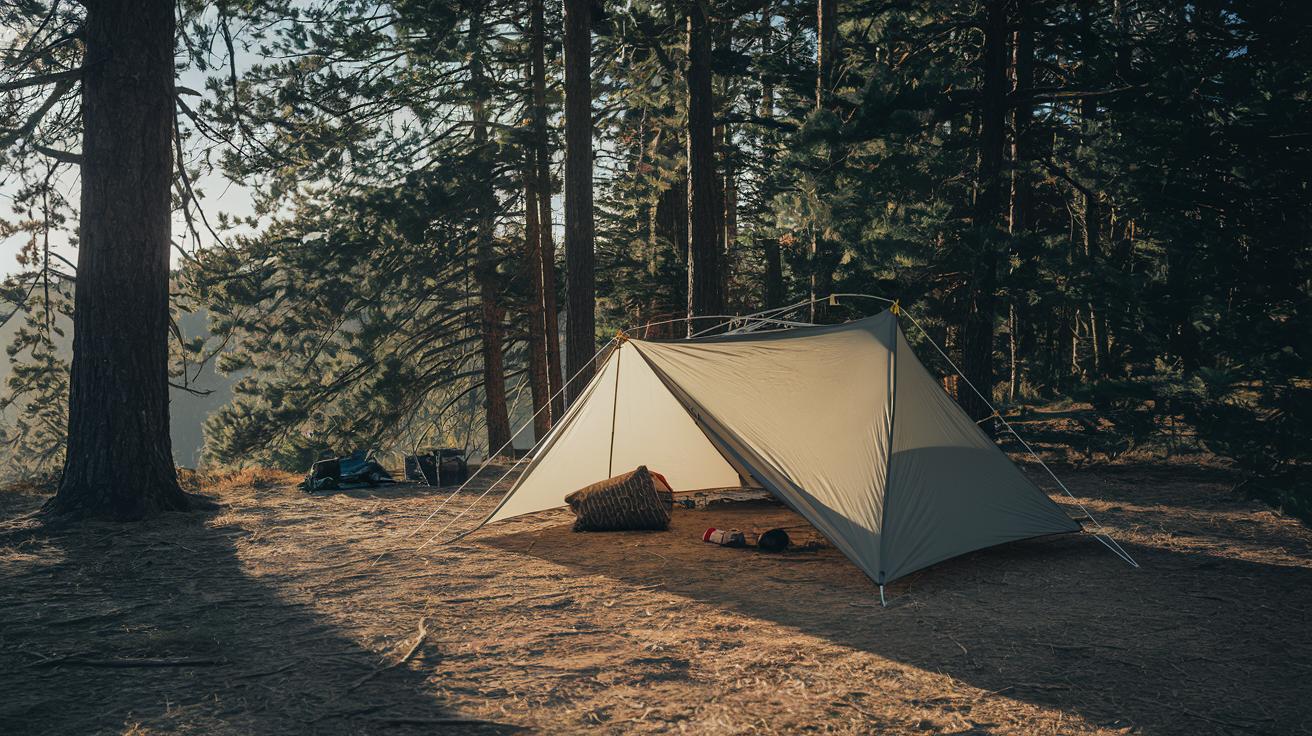
Choosing the right tarp is a bit like picking the perfect trail – you need to check its weight, waterproof rating, and tie-out spots. A light tarp that still keeps you dry and offers plenty of secure points makes setting up your shelter feel as simple as unrolling your sleeping bag at a favorite campsite. Even a small design tweak can make a big difference when you’re out exploring.
Take the DST Tarp, for example. It’s built super light at 4.7 oz from tough 30D Nylon 6.6 Ripstop and holds a solid 3000 mm waterproof rating. With 16 tie-outs and a SilNet seam sealer to keep it protected, it’s ready to take on unexpected showers. And then there’s the Zpacks Flat Tarp, crafted with DCF (a lightweight, waterproof fabric) to weigh just under 7 oz. Its 8′×10′ size and extra seam-sealed ridgelines give you multiple ways to set up a rain-safe shelter.
Next, check out the tarps made with Dyneema Composite Fabric. The Hyperlite Mountain Gear Flat Tarp uses .75 oz/sq yd of DCF and comes in 8′ and 8.5′ widths, perfect for one or two adventurers. In a similar lighthearted spirit, the Hammock Gear Dyneema Ground Tarp is even lighter at .5 oz/sq yd and includes 18 tie-outs. It’s available in both 8.5′×8.5′ and 9.5′×9.5′ sizes, keeping you steady and protected without extra weight.
Then there’s the MLD SuperTarp, a top pick if you love adjusting your gear on the fly. Made with .75 oz/sq yd DCF, it includes 26 guylines and 100′ of cordage so you can set it up just the way you need. It’s all about flexibility and making your shelter as personalized as a well-worn trail map.
Each of these tarps fits a different style of adventure. The DST and Zpacks options are great if you’re after a sturdy, no-fuss cover. Hyperlite and Hammock Gear deliver ultralight solutions for quicker setups, and the MLD SuperTarp is perfect if you thrive on versatility. Ever wish setting up camp could be as straightforward as enjoying a quiet moment by the campfire? These tarps might be just what you’re looking for.
Custom Maintenance and Care for Backpacking Tarps
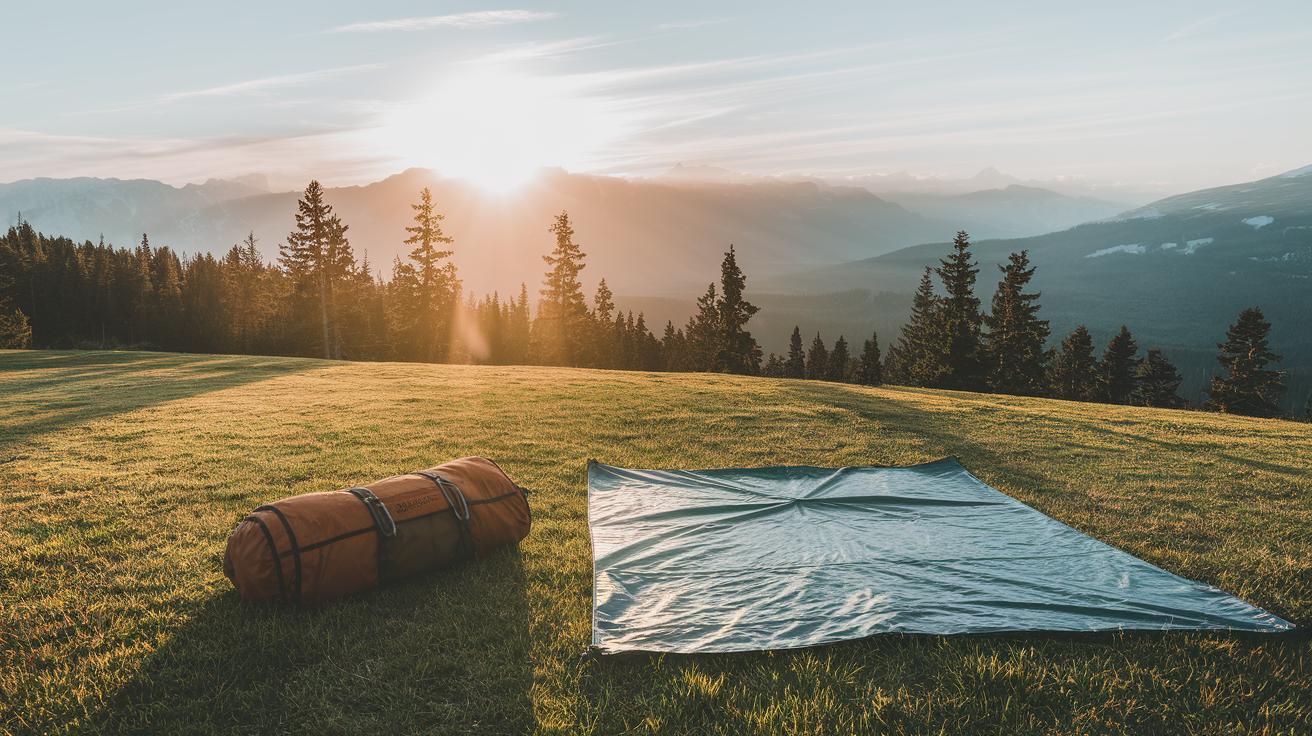
After each trip, let your tarp air out completely in the open air. Don’t stuff it away tightly, instead, loosely pack it in your bag or storage area. This gentle care helps avoid creases, stops mildew from settling in, and protects the silicone coating from wearing off. Think of your tarp as a trusted piece of gear that deserves a break between adventures.
When it’s time to give it a wash, stick to mild soap and lukewarm water. Harsh cleaners can take off that waterproof finish, so keep it simple. Every now and then, use the provided SilNet seam sealer on the stitch lines to keep the tarp’s water resistance strong (about 3000 mm). A bit of extra care now goes a long way in keeping your shelter weather-ready.
Before you head out, do a quick check of your tarp. Look over all tie-outs for any signs of wear, fix small punctures, and make sure the seams are holding firm. A little inspection means your reliable, weatherproof shelter is all set when you are.
Final Words
In the action, we broke down what makes a backpacking tarp work best, durable material, secure tie-outs, lightweight sizing, and straightforward set-up steps. We walked through options for fabric performance, size comparisons, and even care tips to keep your tarp at its best. These insights give you a clear look at how to choose and maintain gear that meets your needs. Gear up with a reliable backpacking tarp and hit the trail with a smile. Here’s to safe and exhilarating trips ahead!
FAQ
What is the best ultralight backpacking tarp and best backpacking tarp?
The best ultralight backpacking tarp combines low weight with strong waterproof materials and well-placed tie-outs. This reliable shelter keeps your pack light while providing solid protection on the trail.
What does a backpacking tarp shelter do?
A backpacking tarp shelter creates an instant cover using trekking poles and tie-outs to form an A-frame or lean-to. It offers a quick, durable barrier against rain and wind during outdoor trips.
How waterproof is a good backpacking tarp?
A good backpacking tarp is designed to repel heavy rain with high waterproof ratings and sturdy seams. Its fabric and sealants keep you dry even when conditions turn wet.
How do Dyneema tarps compare with Tyvek backpacking tarps?
Dyneema tarps provide exceptional strength and light weight, while Tyvek tarps deliver budget-friendly durability. Each material suits different needs based on performance, cost, and user preference.
What do reviews on REI and reddit say about backpacking tarps?
Reviews shared on REI and reddit praise backpacking tarps for their durability, ease of setup, and lightweight performance. These community insights help guide backcountry users in choosing the right model.
How do models like Hyperlite Mountain Gear, Gossamer Gear Twinn, Sea to Summit Escapist, Silnylon Siltarp, Hilleberg Tarp 5 UL, and SlingFin NFT Ultralight Flat Tarp differ?
These models vary in fabric type, weight, tie-outs, and setup style. Each meets specific backcountry needs—from ultralight performance and DIY setups to enhanced waterproofing and broader coverage.