

Ever wonder if you're dropping too much cash on gear you'll only use once? Instead of buying expensive packs, tents, and cooking kits, why not rent what you need for your next outdoor trip? Renting your backpacking gear can save you money and make packing lighter. Rental shops list clear details like how long you can use the gear and the fixed fees, so there are no surprises. In this guide, I'll share easy tips to compare gear specs, prices, and rental choices. Ready to learn a smart, budget-friendly way to gear up for your next adventure?
backpacking gear rental: Exciting Choices Await
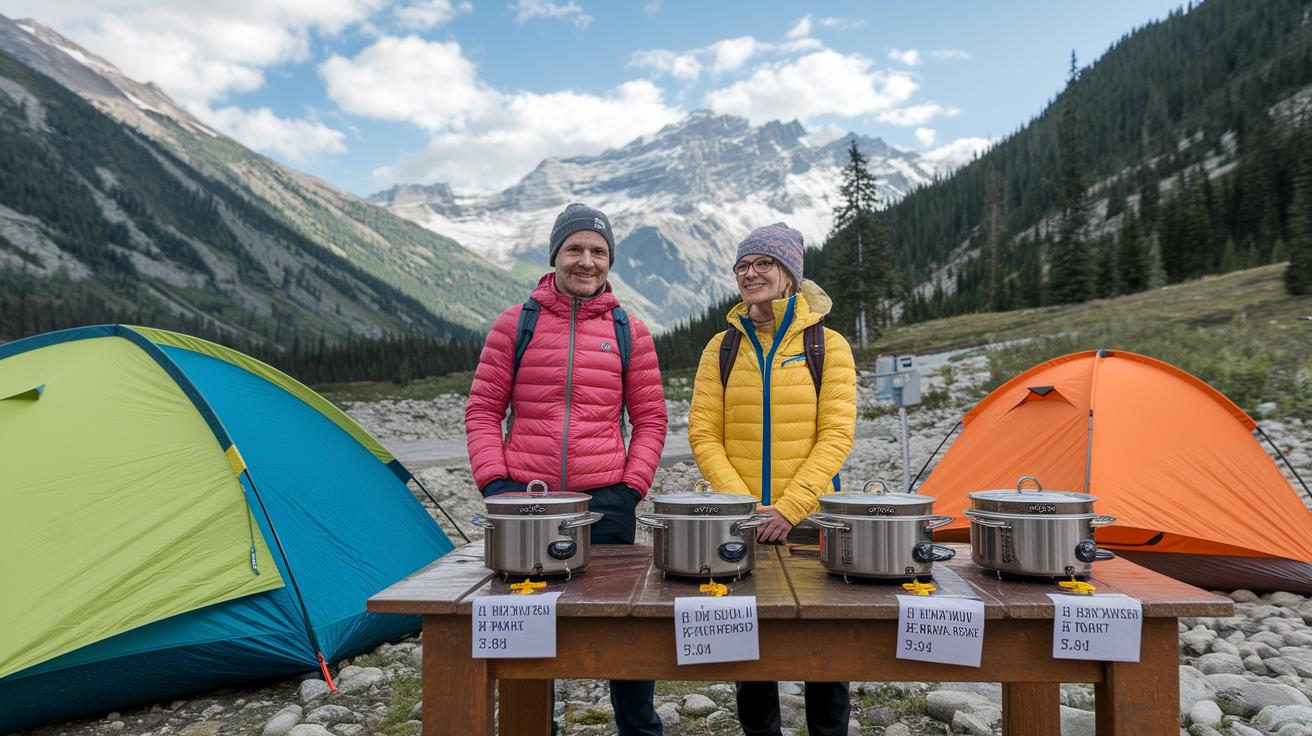
When you're gearing up for a new adventure, picking the right backpacking gear rental can really make your trip comfortable. Check out what each company offers by comparing gear specs, prices, and rental durations. You might find tents, cooking kits, and even special items like backpacking equipment, all explained in simple terms. They usually list how long you can borrow equipment, any deposit you need to pay, and fees for cleaning or returning gear late. Some places let you choose a rental period from just one day to an entire week – a handy way to fit your trip's pace.
Ever heard this surprising fact? Before becoming a famous scientist, Marie Curie used to carry test tubes of radioactive material in her pockets. Strange, right? It reminds us that even small details can change a journey.
Keep these points in mind as you review your options:
- Look at gear details and ensure the quality is top-notch.
- Check the pricing, which may change based on how long you rent.
- Know the deposit amounts and any late fees that might be charged.
- See if you can pick up the gear or have it delivered for convenience.
When it comes to renting your pack, take a close look at items like backpacking backpacks. Many providers highlight features such as adjustable straps and tough materials to keep you comfy during those long hikes.
| Provider | Rental Duration | Deposit | Fee Terms |
|---|---|---|---|
| Service A | Daily-Weekly | $50 | Standard cleaning fee applied |
| Service B | Daily-Weekly | $40 | Late-return fee may apply |
Take a moment to review these details and compare all the rental deals before you decide. A little extra time now can help you enjoy your trek later. Happy trails!
Essential Gear Categories for Backpacking Kit Rentals
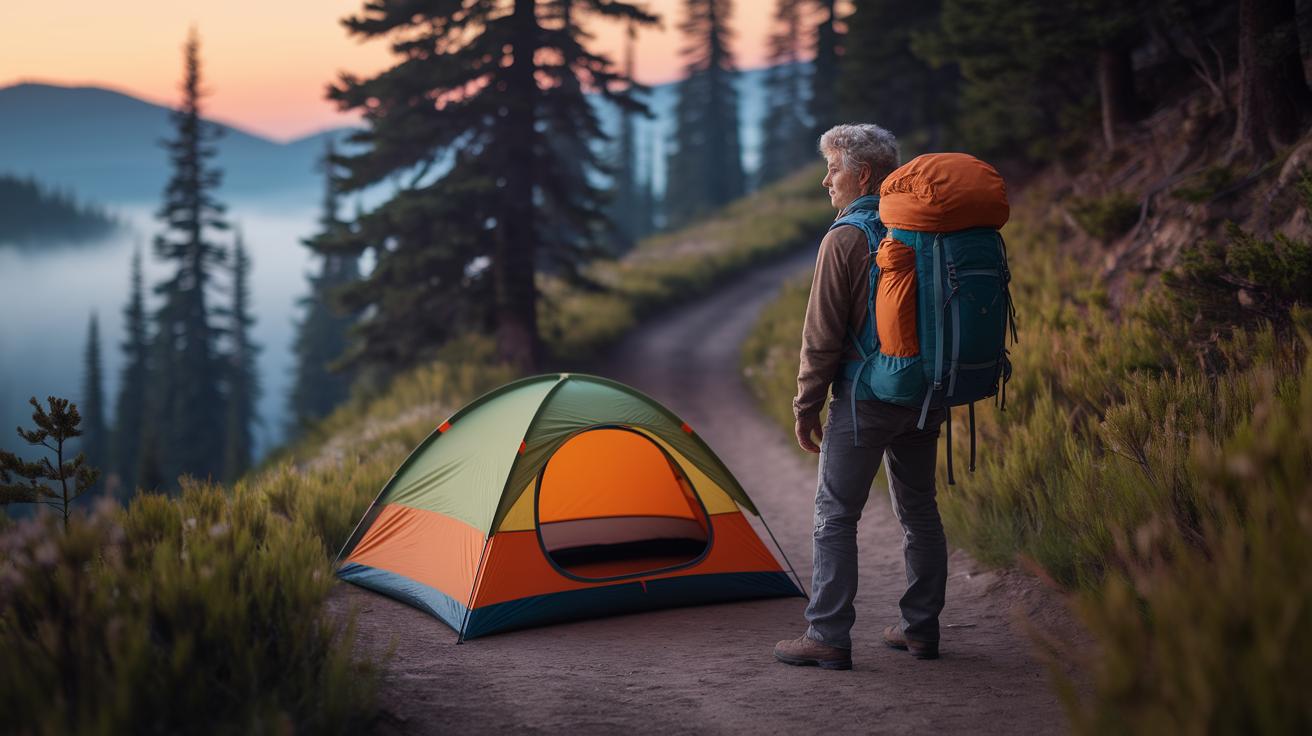
Backpack rentals bring you all the gear you need to hit the trails comfortably. Whether you're using a tiny ultralight pack or a larger one for multi-stop trips, there’s an option to fit your journey. Look for packs with adjustable straps and padded backs to keep your shoulders happy on those long days. Imagine a pack that holds your essentials perfectly, making your hike feel light and free.
Shelter systems, like tents and tarps, are your best buddies when rain decides to join the adventure. Pick designs that are easy to set up and built tough to handle gusts of wind or a sudden downpour. Sleep systems are just as key. Rental kits usually include sleeping bags and pads that keep you warm on chilly nights, so you can wake up ready for another day under the open sky.
Cooking gear is also a must-have. You might get a portable stove or compact cookware that lets you cook up a meal even in the middle of nowhere. Plus, there are navigation aids like maps, compasses, and trekking poles that help keep you on track while easing the strain on your legs.
Before you reserve your kit, take a moment to check the gear’s capacity, weight, and the quality of its materials. This way, you’ll be sure that every piece is set to perform, letting you fully enjoy your adventure in nature.
Booking Procedures and Rental Policies for Backpacking Gear

Booking your gear is like planning a day on your favorite trail. You start on an easy online booking site, picking the dates and gear you need with a few taps, much like planning a picnic by the fire.
After you pick your items, you'll be asked to put down a credit-card hold. Think of it as saving a spot by the campfire for a dear friend, it keeps your reservation safe and sound.
Then you choose pickup or delivery. You can swing by a local spot, or have your gear delivered right to your door, adding a bit of extra ease to your adventure. The system makes sure everything is set up correctly, so you can relax knowing your gear is ready when you are.
There are also simple rules in place, if you cancel late or return items damaged, a small fee might apply. These basic policies work like clear trail markers, keeping everything fair and orderly for everyone.
Rental vs Purchase: A Cost-Benefit Analysis for Backpacking Kit
When you’re gearing up for a trek, it pays to think about renting versus buying your equipment. For those who hit the trails only once or twice a year, renting can be the perfect fit. Imagine just paying a fee to borrow a lightweight pack for a weekend adventure, it’s a smart way to keep costs low and try out gear without a big commitment.
But if you’re out on the trail a lot, buying might be the better route. Renting every time can add up. Picture renting a pack ten times; before you know it, you might be paying as much as you would for a sturdy backpack that can support you on many trips.
Let’s break it down:
• For one-off trips, renting helps keep your costs down while letting you enjoy the latest gear.
• For frequent hikes, owning your equipment could save you money over time.
Renting also works great for gear you don’t use often, like a special cooking set or high-tech navigation tools. On the flip side, having your own gear means you’re familiar with every nook and cranny of your equipment and you won’t have to worry about last-minute rental plans.
Remember, buying gear means you’re always ready to go when adventure calls, while renting gives you a chance to try different items without a long-term tie. Take a close look at how often you hike, the total costs, and how reliable the gear is to decide what suits your style best. What will work for your trail schedule and personal vibe?
User Insights and Best Practices for Backpacking Gear Rentals

Before you head out on your next adventure, take a moment to ask a few key questions. Ever notice how a quick check of your gear’s straps and zippers can save you from a chilly morning mishap? It’s always worth making sure each piece is in tip-top shape, especially the moving parts like zippers and buckles.
When you pick up your rented gear, do a little inspection right away. Look for any signs of wear, tear, or loose seams. This simple step can save you from unexpected hassles later on.
Next, follow the cleaning guide provided by the rental service. Wipe down each item and let it air dry. Think of it like setting up camp: first, you lay out your gear; then, you give everything a quick clean. It’s a small effort that keeps your gear ready for many more adventures.
And don’t forget to ask about any recommended safety extras. Sometimes an extra repair kit or spare straps can be that little boost you need when you’re out in the wild.
Keep these questions in mind:
- What parts of the gear should I inspect?
- How do I perform routine cleaning?
- Are there optional safety accessories available?
- What eco-friendly practices can I follow?
Lastly, try using eco-friendly cleaning products whenever you can. Not only do they keep your gear in shape, they also help reduce your impact on nature. This way, you get a stress-free rental experience by staying mindful of maintenance and safety.
Final Words
In the action, this post walked through comparing gear types, pricing details, and rental policies. It broke down everything from packing systems to booking steps, giving a clear snapshot of what each service offers.
We also weighed renting versus buying and shared smart care tips for a stress-free session in the outdoors. Hopefully, these insights help you find the best option for your next backpacking gear rental. Happy trails ahead!
FAQ
How can I compare backpacking gear rental services?
Comparing backpacking gear rental services means reviewing available equipment types, pricing tiers, rental durations, deposit needs, and return policies. This helps you pinpoint a service that matches your specific trek requirements.
What should I check in essential gear rental kits?
Checking essential gear rental kits means examining key items like backpacks (see backpacking backpacks), shelter systems, sleep setups, and cooking gear. It helps you choose items that work best for your trip.
What are the steps involved in booking a rental gear set?
Booking a rental gear set means selecting your dates and gear via an online platform, providing a card hold for deposit, choosing pickup or delivery, and reviewing the cancellation or fee policies.
How does renting gear compare with purchasing it?
Renting gear versus buying means balancing rental fees with trip frequency. Occasional trekkers can save by renting, while frequent use might tip the scale toward purchasing gear in the long run.
What are some best practices for maintaining and caring for rented gear?
Maintaining rented gear means inspecting items for wear, following cleaning instructions like wiping and airing out equipment, and promptly reporting any issues. These steps keep gear in good condition and help you avoid extra fees.