

Have you ever wondered if your backpack can be both a carry-on and the perfect trail companion? Finding the right pack is a bit like balancing on a rocky ledge, just the right space without extra weight. A small, well-designed pack helps you move through airport lines with ease while keeping your gear handy for your next hike.
Our guide walks you through how to pick the ideal size, so you can travel light in the air and be fully prepared on the ground. Ready to discover the secret to a pack that fits both your style and your adventures?
How to Determine the Ideal Backpacking Backpack Carry-On Size
When you’re planning your next outdoor trip, the first step is to check your backpack’s capacity and dimensions. Most packs under 50 L, especially those in the 30–45 L range, are just right for carrying on. They usually come in around 22" × 14" × 9", which fits most airlines’ cabin size rules. A solid 45 L pack gives you plenty of room without risking those dreaded gate-check fees.
Backpack capacity is measured in liters, so think of it like picking the right water bottle for a long trek. You need just enough to keep you going, but not so much that it weighs you down. A 45 L pack strikes that perfect balance between space and ease, keeping you ready for every twist of the trail.
Ever heard of splitting your pack? Some seasoned travelers transform a 60 L pack into a 40 L carry-on and a 20 L daypack. It’s a nifty trick that helps you stick to tight airline rules while having all your essentials close at hand.
Airline cabin rules can vary a bit from one carrier to the next. So, before you head out, take a minute to measure your backpack’s height, width, and depth and match it up with the airline’s specific requirements. It’s like double-checking your map before you hit a new trail.
Here are some quick tips:
| Tip | Detail |
|---|---|
| Pack Capacity | Stick to the 30–45 L range |
| Dimensions | Around 22″ × 14″ × 9″ |
| Split Pack System | Combine a 40 L carry-on with a 20 L daypack for extra flexibility |
With these straightforward guidelines, you can confidently pick a backpack that fits both airline rules and your adventure needs. Ready to pack up and hit the trail?
Weight and Capacity Considerations for Carry-On Backpacking Backpacks

When you're gearing up for an outdoor trip, it's all about finding the right balance between what your pack can hold and how heavy it ends up being. Budget airlines usually stick to a 7 kg limit for carry-ons, while full-service carriers might let you go up to 10 kg. A backpack in the 30–45 L range tends to weigh less than 20 lb (9 kg) for a typical weekend outing.
Don't assume that a pack's volume in liters tells the whole story, denser materials and extra pockets can sneak in extra weight. Picture a backpack built to neatly store your sleeping system, clothes, and gadgets, yet designed in a way that keeps its overall weight low.
It’s a smart move to try packing your gear at home first. Load it up with your essentials and give it a quick weigh. That way, you can decide if you need to ditch some items or rearrange things for better balance. Even small changes, like swapping a bulky piece for something lighter, can make a big difference. This simple trick can help you avoid extra fees and keep your pack comfy as you move from one trail to the next.
Top Recommended Backpacking Backpacks Under Carry-On Size Limits
If you're gearing up for an outdoor adventure and need a pack that's light enough for the plane, these backpacks might just be your next travel buddy. The Osprey Farpoint 40 L, for example, fits neatly into airline rules with its 22 x 14 x 9-inch size. It even hides a laptop pocket that fits up to a 15-inch screen, and its compression straps keep your gear snug. Ever noticed how a smart layout can save you time at the airport? This one definitely does.
Then there’s the Tortuga Outbreaker 45 L. It expands with a quick zip to give you a bit more room when needed but still sticks to carry-on limits. Its easy-to-use compartments make sorting your clothes, tech, and travel must-haves feel as easy as setting up a campfire. And if you like having everything within reach, the Gregory Border 45 L comes with a front-panel access that makes grabbing your essentials a breeze.
For the minimalist traveler, the Tortuga Setout 35 L has a slim, smart design. It comes with a dedicated laptop sleeve and extra pockets for small items, perfect for those who pack light. Some models even split into a main pack and a daypack so you can follow tight airline rules without fuss.
Each backpack here brings a balance of space and smart organization. If you’re curious for more details, check out this link on backpacking backpacks and find the perfect pack for your next journey.
Packing Techniques to Maximize Space in a Carry-On Backpacking Backpack

When you're getting ready to fly, think of your backpack like a trusty trail companion. Rolling your clothes tight, like winding up a sleeping bag before packing it away, can free up about 15–20% extra space. Have you ever tried rolling a t-shirt until it fits perfectly? It’s one of those neat tricks that clears room for the essentials.
Packing cubes work wonders here too. They help sort your gear into neat little piles, so when you need your charger or an extra pair of socks, it's right there waiting for you. When every inch matters, these cubes are a real lifesaver.
For a balanced load, place your heavier items near the back of your pack. This keeps your bag steady when it sits above your seat in the overhead bin. And if you use the outer compression straps, you can squash any loose stuff, making sure your shoes, helmet, or even chargers snugly fit into the empty pockets.
Sometimes, less is more. If your main pack is nearly full, consider shifting non-essential gear into a smaller daypack. Small tweaks like these can really help you make the most of every inch of your carry-on, just like smart packing on a trail.
Durability and Comfort Features for Carry-On Sized Backpacking Backpacks
When you head out with your carry-on pack, you want gear that can really keep up. Look for backpacks crafted from tough 500D or 630D nylon with a DWR coating (that’s a water-repellent finish) to push away moisture. Quality zippers like Y-KK and extra-strong stitching at the stress spots build in the strength you need. It’s a bit like your favorite hiking boots that never let you down, no matter how many trails you conquer.
Comfort is just as crucial after all. Think adjustable hip belts that help share the weight, keeping you balanced on every step. And a ventilated mesh back panel? That’s like a cool breeze on a hot day during a long walk. Load-lifter straps add extra support for your shoulders, making it feel as if your pack was tailor-made for you. Ever hiked up a steep hill and felt your pack stay snug and secure? That’s the magic of a well-designed backpack.
Then there are the handy convenience features. Removable daypack attachments let you quickly grab your must-haves, while luggage-pass-through sleeves mean you can easily slide your pack over a rolling suitcase. And you can’t beat those external water bottle pockets when you need a quick sip along the way. For more in-depth comparisons, check out the best backpacking backpacks out there.
Navigating Airline Carry-On Policies for Backpacking Backpacks
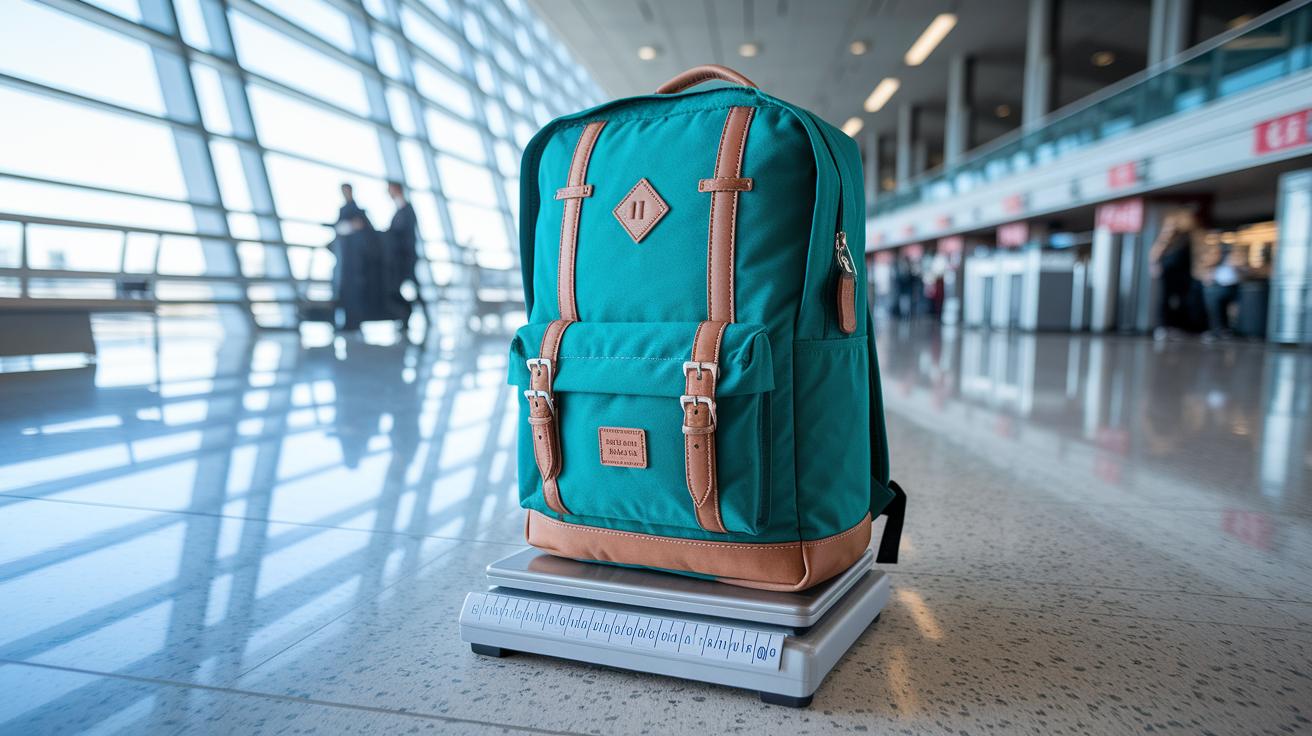
Airlines have their own rules, so your backpack must fit each flight's specific guidelines. Budget airlines like Ryanair and EasyJet usually let you carry a bag that’s 21 × 15 × 8 inches and weighs up to 7 kg. Spirit Airlines is even stricter, allowing a bag of about 18 × 14 × 8 inches. Meanwhile, full-service airlines such as American Airlines, Delta, British Airways, and Lufthansa often offer a bit more room, around 22 × 14 × 9 inches with a weight limit of 10 kg.
If your pack is too big or heavy, you could face fees topping $50. Imagine packing a 10 kg bag when the airline only allows 7 kg, those extra costs can really put a damper on your trip.
Some backpacks are designed to break apart into two pieces, a main pack and a smaller daypack. This smart setup acts as a neat workaround when one large bag might not fly under strict regulations. It lets you stow your essentials in a way that keeps you within the limits while staying organized.
Before you set off, it’s a great idea to double-check your pack’s measurements and weight. Picture yourself at the gate and discovering your bag doesn’t meet the specific guidelines, talk about an avoidable hassle.
Selecting Ultralight and Expandable Backpacking Backpacks for Carry-On Travel
Ultralight travel packs are a gem when every ounce matters. Imagine a pack that tips the scales at under 2 pounds but can still hold 30 to 40 liters of your gear. Take the Hyperlite Southwest 2400, for example, it’s built like a trusty trail companion that carries what you need without slowing you down. A 40-liter pack gives just enough room to store your essentials without crowding your carry-on.
Expandable designs add a clever twist to your adventure. They start off around 30 liters but can stretch up to 46 liters with smart features like zip-out collars or even a detachable 15-liter daypack. It’s like your backpack senses when you need a bit more space, perfect for those days when your plans change. Sure, these expandable models might pack a little extra weight because of those added layers, unlike their ultralight cousins with simpler setups.
Think of it as balancing comfort and smart design. A 40-liter base with an extra 5 or 6 liters of space often fits within the common carry-on size of roughly 22 × 14 × 9 inches. Even a small pack, when designed with clever, expandable features, can totally transform your travel experience.
When choosing your pack, keep an eye on that balance between simplicity and clever organization. Ask yourself if you might need that extra room on longer adventures and if the benefit of added space is worth a tad more weight. This way, you’ll have a pack that’s light, practical, and ready to hit the trail just like you are.
Final Words
In the action, we walked through tips on picking a pack that meets strict airline dimensions. We covered everything from volume and weight considerations to smart packing techniques and key features for lasting comfort and durability. Each point helps you find a backpack that fits perfectly while keeping your gear secure and comfortable. Remember, using a backpacking backpack carry on size means stress-free travel and more room for your camping essentials. Enjoy the outdoors and let your pack be your ticket to new, safe adventures.
FAQ
What is the ideal backpacking backpack carry-on size?
The ideal backpacking carry-on size means choosing a pack between 30–45 liters with dimensions around 22″ x 14″ x 9″, which fits most U.S. and international airline rules.
What are the carry-on size guidelines for airlines like American Airlines or Wizz Air?
The carry-on guidelines usually require packs to be near 22″ x 14″ x 9″. American Airlines typically follow this, while carriers such as Wizz Air may have smaller limits, so always check before you fly.
Can a backpacking backpack fit as a carry-on, like a 40L or 45L pack?
A backpacking pack can work as a carry-on if it meets size limits. A 40L or 45L pack usually fits, but a 70L pack is generally too large to qualify.
What size backpack is recommended for long-term travel, like a three-month trip?
For a three-month trip, travelers often choose a pack around 45–60 liters. Some even split a larger pack into a main carry-on and a daypack to manage space and meet airline restrictions.