

Think all eco tents are better for the planet? Think again.
Choosing tent materials is a chain of trade-offs, not one perfect fabric.
This guide cuts through marketing claims and helps you choose between natural fibers (organic cotton, hemp) and recycled synthetics (recycled polyester, recycled nylon) based on what matters for your trip.
We explain six decision points, material source, water-repellent chemistry, durability, poles and hardware, repairability, and end-of-life options, so you pick a tent that fits both your use and your values.
How to Choose Eco-Friendly Tent Materials That Fit Your Trip

An eco-friendly tent is one built from materials that carry a lighter environmental load across their whole life, from raw extraction and processing to transport, years of use, and eventual disposal. That usually means renewable or recycled sourcing, fabrics that can biodegrade or be recycled at the end of their life, and coatings that skip harsh, persistent chemicals. It’s less about one magic fabric and more about a chain of smaller, better decisions.
Here’s the honest part: no single material wins in every category. Something that’s great for the planet in one way (say, biodegradability) often gives up ground somewhere else, like weight or weather resistance. Choosing wisely means figuring out which trade-offs actually matter for your trips.
A fast way to sort this out:
- Choose natural fibers (organic cotton, hemp) if you want a breathable, repairable, lower-plastic shelter for warmer or drier trips.
- Choose recycled synthetics (recycled polyester, recycled nylon) if you want a lightweight, packable, wet-weather-ready shelter for backpacking.
Once you know which camp you’re leaning toward, weigh these six factors before you commit:
- Fiber or material source (virgin, organic, or recycled)
- Water-repellent chemistry and coatings used
- Durability and expected lifespan
- Poles and hardware materials
- Repairability, including access to patches and parts
- Recyclability or end-of-life take-back options
Comparing Organic Cotton, Hemp, Recycled Polyester, and Recycled Nylon
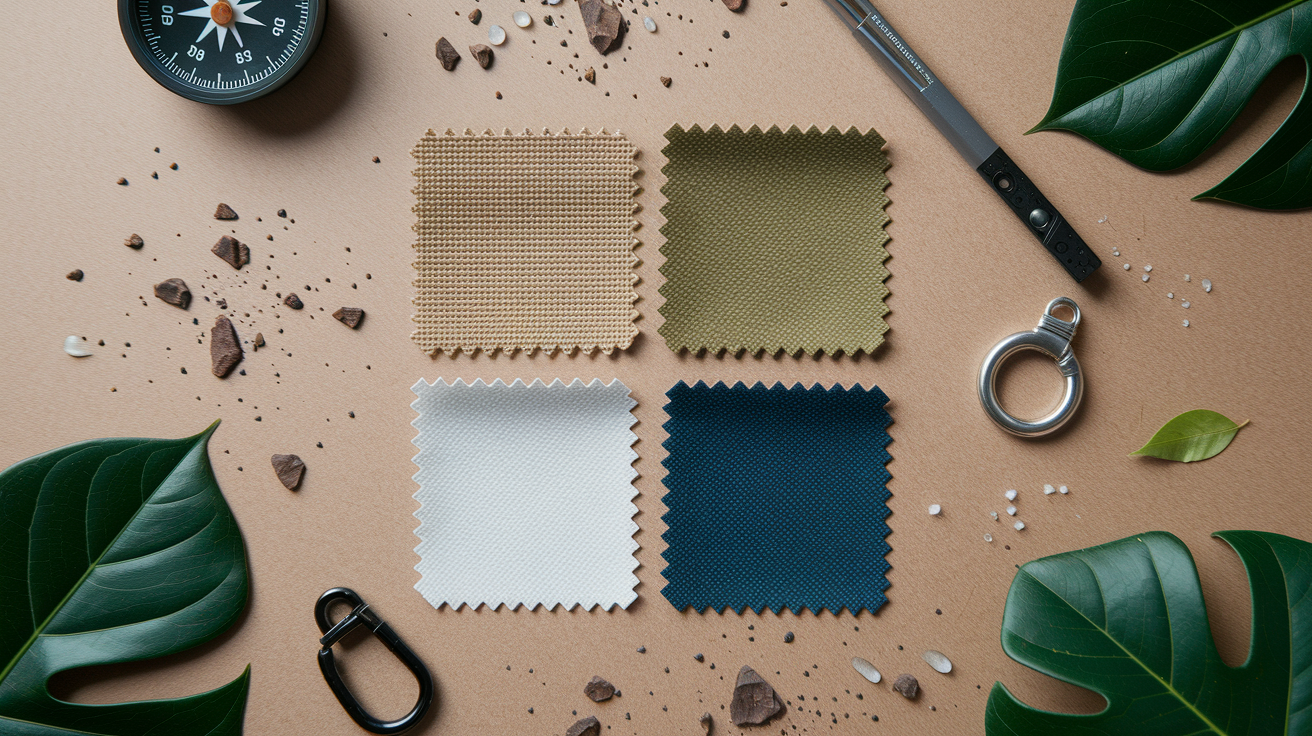
Before digging into the details, it helps to see all four materials side by side. Here’s how they stack up on the traits that matter most for a buying decision.
| Material | Environmental Impact | Weight | Weather Resistance | Durability | Biodegradability/Recyclability | Best Use |
|---|---|---|---|---|---|---|
| Organic Cotton | Moderate to High | Heavy | Low to Moderate | Moderate | High biodegradability | Base camps, glamping, warm/dry climates |
| Hemp | Low | Moderate to Heavy | Moderate (needs treatment) | High | High biodegradability if untreated | Mixed weather, durability-focused trips |
| Recycled Polyester | Medium | Light | High | High | Recyclable with take-back programs | Backpacking, wet-weather trips |
| Recycled Nylon | Medium | Light | High | High (strong abrasion resistance) | Recyclable with take-back programs | Lightweight, high-abrasion conditions |
Natural Fiber Options for Sustainable Tent Materials
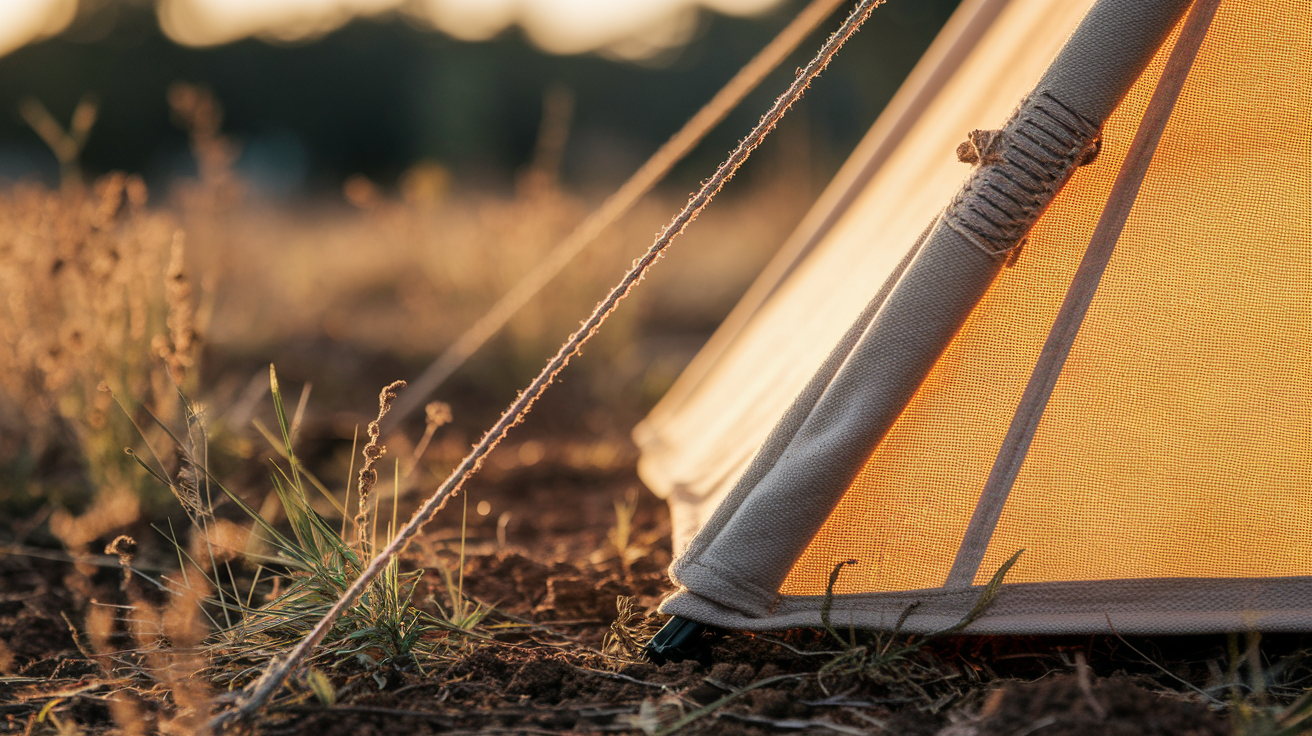
Natural fibers appeal to campers who want a shelter that breathes well, feels good against the skin on warm nights, and eventually returns to the earth instead of lingering in a landfill. The two main contenders here are organic cotton and hemp, and each comes with its own strengths and quirks.
Organic Cotton Canvas
Organic cotton is grown without synthetic pesticides or fertilizers, which cuts down on chemical runoff and soil damage compared to conventional cotton. As a fabric, it breathes exceptionally well, making it comfortable in warm, dry climates where condensation and stuffiness are bigger concerns than driving rain.
The trade-off is weight and weather resistance. Cotton canvas is heavier than synthetic fabrics and, on its own, isn’t naturally waterproof. That’s where waxed cotton comes in. Waxing has been used for over a century to weatherproof canvas tents, applied as a coating that seals fibers against moisture while still allowing some breathability. It’s biodegradable, unlike many synthetic coatings, but it does need reapplication every so often to keep water beading off rather than soaking in. Think of it like reconditioning a leather boot, a bit of upkeep, but it extends the life of the whole shelter.
Hemp Fabric
Hemp is one of the toughest natural fibers you can put on a tent. It resists mildew and UV breakdown better than cotton, grows quickly with little water and no pesticides, and holds up well over years of use.
The catch: raw hemp fabric can feel stiff, so it’s often blended or treated to soften the hand and improve water resistance, which raises processing costs. Before buying, check the blend ratio, ask what treatment was used, and look for suppliers willing to explain their sourcing. Transparency here tells you a lot about how seriously a brand takes its sustainability claims.
Land use matters too. Cotton, even organic, tends to demand more water and acreage than hemp, which grows densely and enriches soil as it goes. If minimizing land and water impact is a priority, hemp usually has the edge.
Recycled Synthetic Materials for Eco-Conscious Tents

Recycled polyester, often labeled rPET, is made by breaking down plastic bottles or industrial waste and respinning that material into new fabric. This keeps plastic out of landfills and cuts demand for virgin petroleum feedstock, all while delivering the lightweight, water-resistant, durable performance backpackers expect. Recycled nylon follows a similar path, offering comparable strength with notably good abrasion res
Final Words
Decide what matters most: breathability, pack weight, wet-weather performance, or end-of-life options. This post defined what “eco-friendly” means for tent fabrics, compared organic cotton, hemp, recycled polyester, and recycled nylon, and gave a quick decision guide plus the key factors to check before you buy.
If you’re still unsure, use the two-point shortcut—natural fibers for dry, breathable shelters, recycled synthetics for lightweight, wet-weather trips. That simple approach is the heart of how to choose eco-friendly tent materials. You’ll end up with a practical tent that fits your trip and lowers impact.
FAQ
Q: Is cotton or polyester more eco-friendly?
A: Organic cotton is more eco-friendly than virgin polyester for biodegradability and fewer synthetic inputs, but recycled polyester often has lower lifetime emissions and better durability—choose based on weight, weather, and end-of-life.
Q: How can you tell if a tent is good quality?
A: You can tell a tent is good quality by checking strong fabric and coatings, sturdy poles and hardware, sealed seams, reliable zippers, clear weight and pack specs, and a practical warranty or repair policy.
Q: What are the best materials for tents?
A: The best materials for tents are organic cotton and hemp for breathable, repairable shelters, and recycled polyester or recycled nylon for lightweight, water-resistant, backpacking-friendly options; choose by climate, weight, and lifespan needs.
Q: What’s the most eco-friendly material?
A: There’s no single most eco-friendly material; it depends on trade-offs. Hemp and organic cotton score high for biodegradability, while recycled polyester or nylon often win for lower lifetime emissions and lightweight performance.