

Ever been slowed down by heavy gear before you even hit the trail? A 50L backpack pack lightens the load with smart storage. It’s like a trusty toolbox for your outdoor essentials, keeping your sleeping bag, stove, and other favorites close and cozy. Whether you're planning a quick overnight getaway or a longer stay under the open sky, the right pack can make your adventure feel more comfortable and fun. Upgrade your gear and let it do the heavy lifting so you can focus on the journey ahead.
Choosing the Best 50l Backpacking Pack: Essential Buying Guide
If you're setting out for a short overnight trip or a longer journey, a 50-liter pack might just be the perfect companion. It’s designed for outdoor lovers who want to carry their essentials, think a tent, cooking gear, and a couple of extra layers, without overloading themselves, keeping everything light around 35 to 50 pounds. Imagine having just enough room to tuck in a few personal items along the way, like that trusty water bottle or a small snack.
Many packs come in sizes from 50 to 68 liters, giving you plenty of options no matter how long you plan to be out. Some models, like the Deuter Aircontact Ultra, even let you add an extra 5 liters when you need a little more space for a change of clothes or extra food on a multiday trek. Every strap and pocket is carefully positioned to help you carry heavier gear comfortably over those tough, winding trails, it’s like having your own organized toolkit as you take a break by a cool stream.
When you’re picking out a pack, keep an eye on a few key features. Look for adjustable straps that let you finetune the fit, a strong suspension system that eases the burden, and a design that matches the kind of trips you usually take. This way, every hike feels a bit more manageable, just like wandering down a well-trodden path on a crisp morning.
Comfort and Fit in 50l Backpacking Packs: Suspension and Back Panel Performance
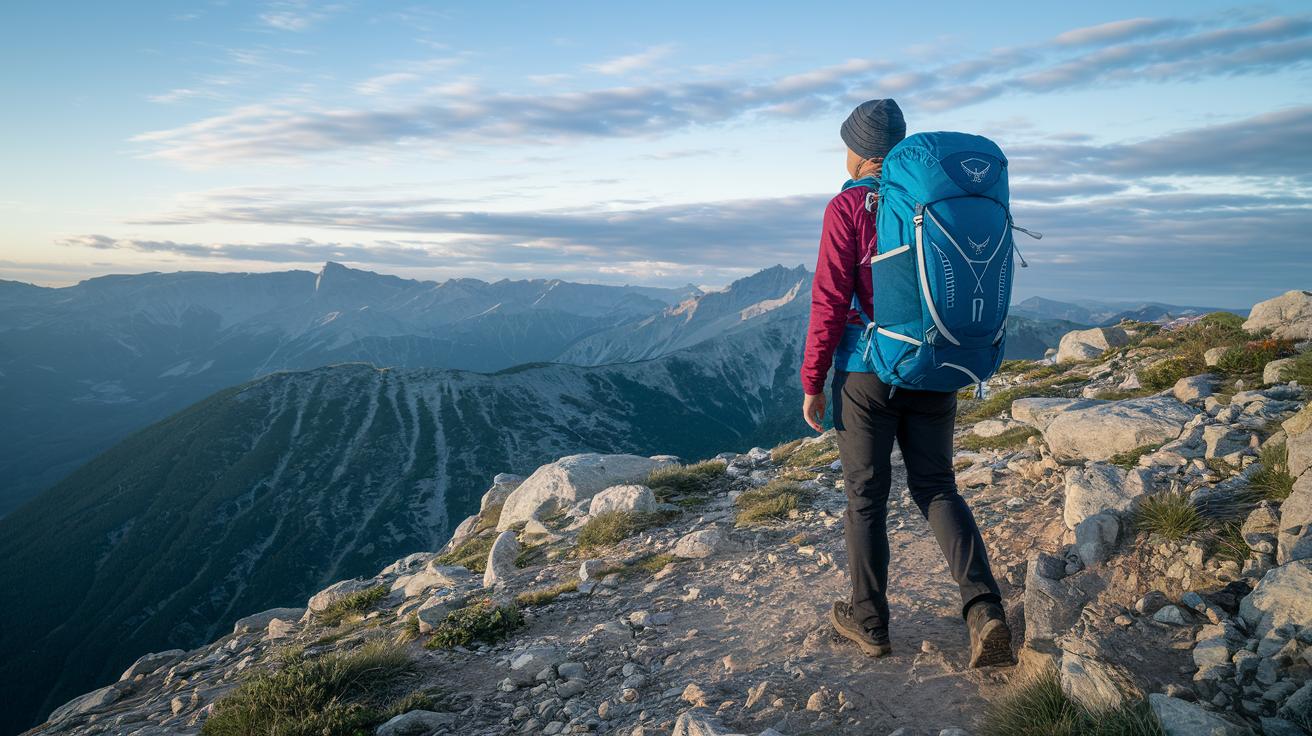
Most 50l packs come with one of two suspension systems that make a real difference on the trail. Some packs have a fixed structure, while others use a suspended design to help balance your load. Picture a mesh back panel that gives a light, bouncy feel, almost like a small trampoline. That little bounce can smooth out the rough, rocky trails, making your hike feel a bit more effortless.
Mesh back panels do more than cushion your back; they let fresh air flow and keep you cool. For example, the Osprey Atmos AG LT 50 uses a trampoline-style design that supports up to 40 lb while letting air circulate behind your back. And then there are packs like the Zpacks Arc Haul UltraEPX 60 L. They mix in internal carbon-fiber stays (which help keep the pack shape without extra weight) with mesh panels to keep things ultralight and breezy.
Load ratings also play a big role in what your back feels after a long day on the trail. Take the ULA Equipment Circuit, for example. It uses a carbon-fiber frame with an aluminum stay to distribute 35 lb loads evenly. Field tests show that a good fit and proper load distribution can cut down on fatigue and make a heavy trek feel a lot lighter.
Storage and Organization in 50l Backpacking Packs: Compartment and Pocket Layout
When your gear is neatly organized, each hike goes smoother. It’s like knowing exactly where everything lives so you can grab what you need without wasting time rifling through your pack. For example, the REI Co-op Trailmade 60 stands out with clearly marked zippered pockets and a strong metal frame built for daily trail duty. And then there’s the REI Co-op Traverse 60, with a smart J-shaped front zipper that opens up right to a special sleeping bag compartment – perfect when you’re in a hurry.
- Zippered hip-belt pockets
- Front-panel J-zip access
- Top-lid and internal “brain” pockets
- Dedicated sleeping-bag compartment
- Hydration-bladder sleeve and external water-bottle pockets
These clever features team up to create a design that makes packing and picking out your gear a cinch. With each essential item like your water bottle or emergency kit within reach, you can enjoy your adventure without extra stress. Matching your gear to the pack’s layout helps you pack only what’s needed, leaving behind any extra weight. In the end, your load stays light and practical – perfect for any outdoor journey.
Durability and Materials of 50l Backpacking Packs: Fabric and Weather Resistance
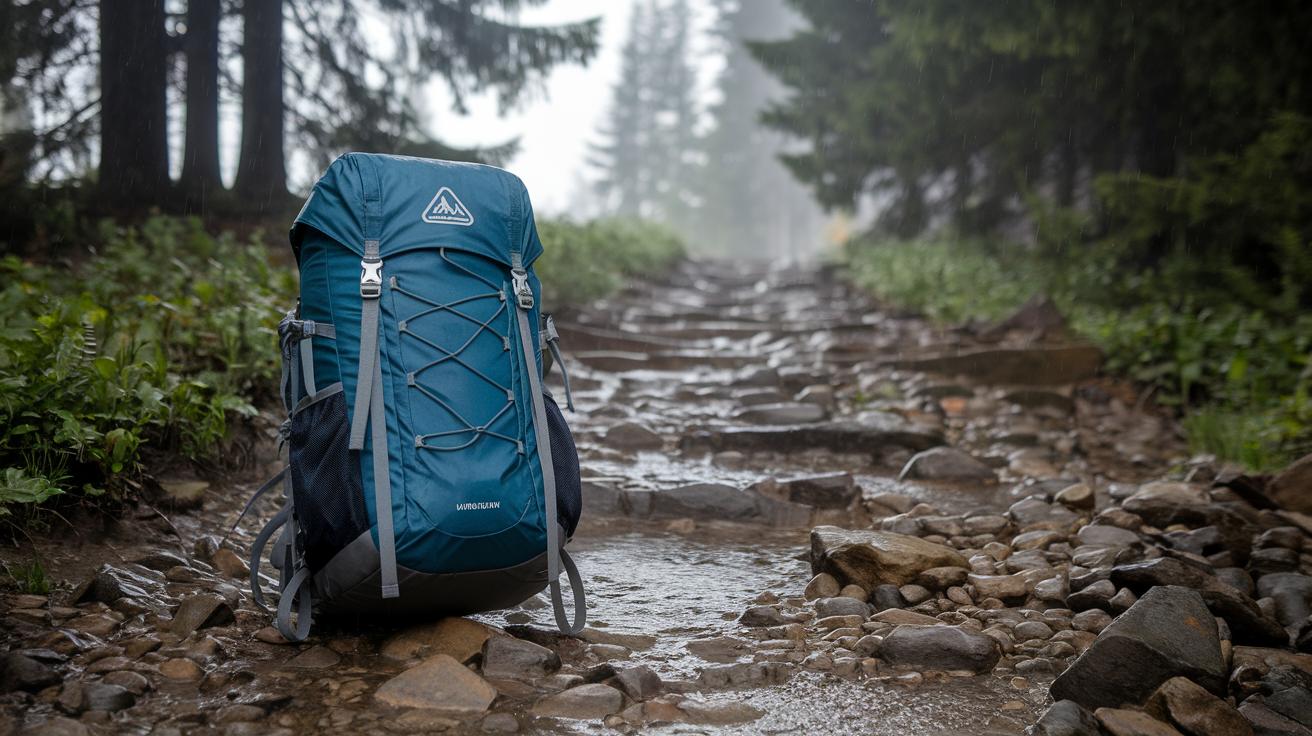
Many 50l packs are built with tough, high-denier nylon that stands up to hard lab tests for abrasion, stitching, and mesh strength. These materials are put through simulated rough trails and repeated rubbing, think rocky paths and scrapes with branches, to make sure they hold up. Imagine a fabric that's light yet tough, keeping its shape even after many miles on the trail.
Makers also add water-repellent coatings to keep drizzle and light rain at bay. They often pair these treatments with built-in rain covers. Models like the REI Traverse 60 and the Osprey Aether 65 really nail this balance between moisture protection and durable materials. In tests, water beads right off the surface, kind of like dew on a cool morning, keeping your gear dry when the weather takes a turn.
Nowadays, you can even find packs made with sustainable or recycled fabrics. They pass the same quality tests as the traditional ones while helping reduce waste. Choosing one of these eco-friendly options gives you the peace of mind that your gear is tough enough for the trail and ready for a greener future.
Weight Considerations and Ultralight 50l Backpacking Packs
When you're gearing up with a 50L pack, the weight of the pack itself really counts. A lighter base means you save energy for the trail, leaving you less tired over long days. It’s like having less gear to drag along, which can make those steep climbs a bit easier.
Ultralight designs ditch extra pockets and heavy padding to save every ounce possible. Sure, this minimal style is great for smooth, even trails, but it might leave you wanting a bit more cushion on rough, rocky sections. Imagine cutting weight to keep your pace up, only to find the extra comfort missing when the path turns unpredictable.
The real trick is balancing what the trail demands with the load you carry. On flat or gently rolling terrain, a lean pack keeps you swift and agile. But when the ground gets tricky, a bit of extra heft can offer the support you need. So, choose your pack based on your route and what you’re ready for on the trail.
Price and Value Assessment for 50l Backpacking Packs
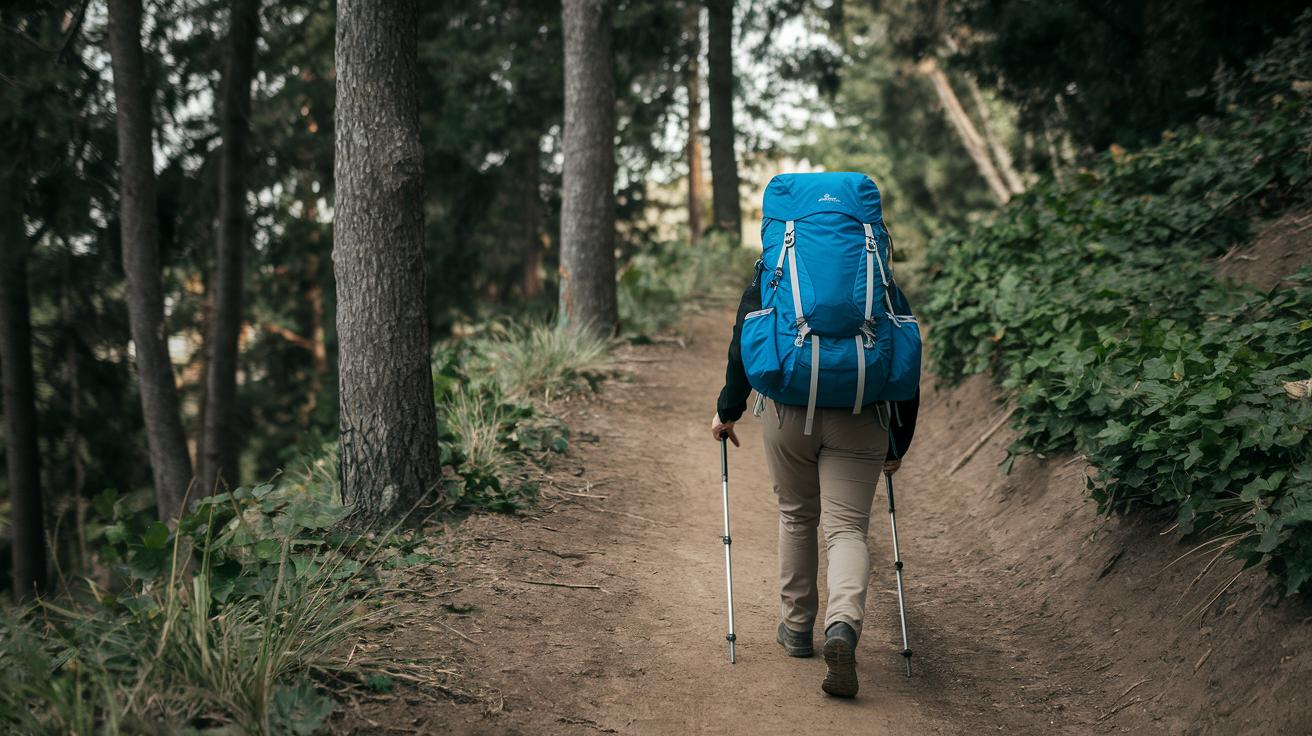
When you spend between $150 and $200, you can grab a 50l trekking bag that's built to last and still feels pretty comfy. Packs like the REI Co-op Trailmade 60 at $179 and the REI Flash 55 at $199 come with sturdy frames, easy-to-find compartments, and reliable materials meant for long outdoor trips. They’re a great fit for first-timers or anyone watching their budget without missing out on quality.
Step it up a bit and check out mid-range options. At around $250 to $300, bags such as the REI Traverse 60 at $249 and the ULA Equipment Circuit at $300 offer a few extra perks. They’ve got upgraded suspension systems (better back support), extra storage, and lighter materials to ease those long journeys. These improvements really add up when you’re hauling heavier loads day in and day out.
Ready to splurge a little? Premium models like the Zpacks Arc Haul 60 L at $399 rule the scene with ultralight design, advanced materials, and smart organization that make every mile smoother. When you need peak comfort and efficiency on tough trails, investing in a premium pack can really pay off.
Top 50l Backpacking Packs Reviewed: Model Comparison Table
Need a quick look at the main features of these backpacking packs? Check out the table below to compare them side by side.
| Pack Model | Capacity | Key Feature |
|---|---|---|
| Osprey Atmos AG LT | 50 L | Trampoline‐style mesh backpanel |
| Deuter Aircontact Ultra | 50 + 5 L | Adjustable extension collar |
| REI Co-op Trailmade | 60 L | Affordable frame & zip pockets |
Final Words
In the action of weighing gear and features, our guide broke down fit, carries, and layout tips. We covered capacity, load range, and design touches that make every pack work for your trips.
We also compared prices and materials to help you count your cost against benefits. This review aims to match your pack to your demands. Use these insights to pick a 50l backpacking pack that feels just right for your next trail. Enjoy clear skies and steady steps ahead.
FAQ
Q: What should I look for in a 50L backpacking pack for travel, and what are some popular options for men and women?
A: The 50L packs combine ample storage, adjustable suspension, and smart organization for multi-day use. Options like the Osprey and REI models offer designs that suit both men’s and women’s needs.
Q: Is a 50L backpack big enough for backpacking?
A: The 50L backpack is big enough for backpacking if you pack smartly and stick to the essentials. It meets the needs of overnight to a few days’ trips while keeping your load manageable.
Q: What is the 20% rule for backpacking?
A: The 20% rule for backpacking means that your gear load should be roughly 20% of your body weight. This guideline helps keep your pack balanced and comfortable for extended hikes.
Q: Is a 50L backpack considered carry-on?
A: The 50L backpack might qualify as a carry-on if it fits within an airline’s size restrictions. However, many 50L packs often exceed standard dimensions, so it’s wise to check with your carrier.
Q: How many days is a 50L pack good for?
A: A 50L pack generally works well for trips lasting about 2 to 4 days, assuming you prioritize lightweight essentials and minimize excess gear for easier travel on the trail.