

Ever been surprised by a sudden downpour on the trail? It’s annoying to pack extra gear just to avoid getting soaked. Picture a lightweight jacket that shields you like a small, sturdy shelter during heavy rain. This guide walks you through some quality choices that keep you dry while you move freely through nature. Ready to find out how the right backpacking rain gear can make your adventure even better?
Backpacking Rain Gear Essentials: A Buying Guide for Quality and Performance
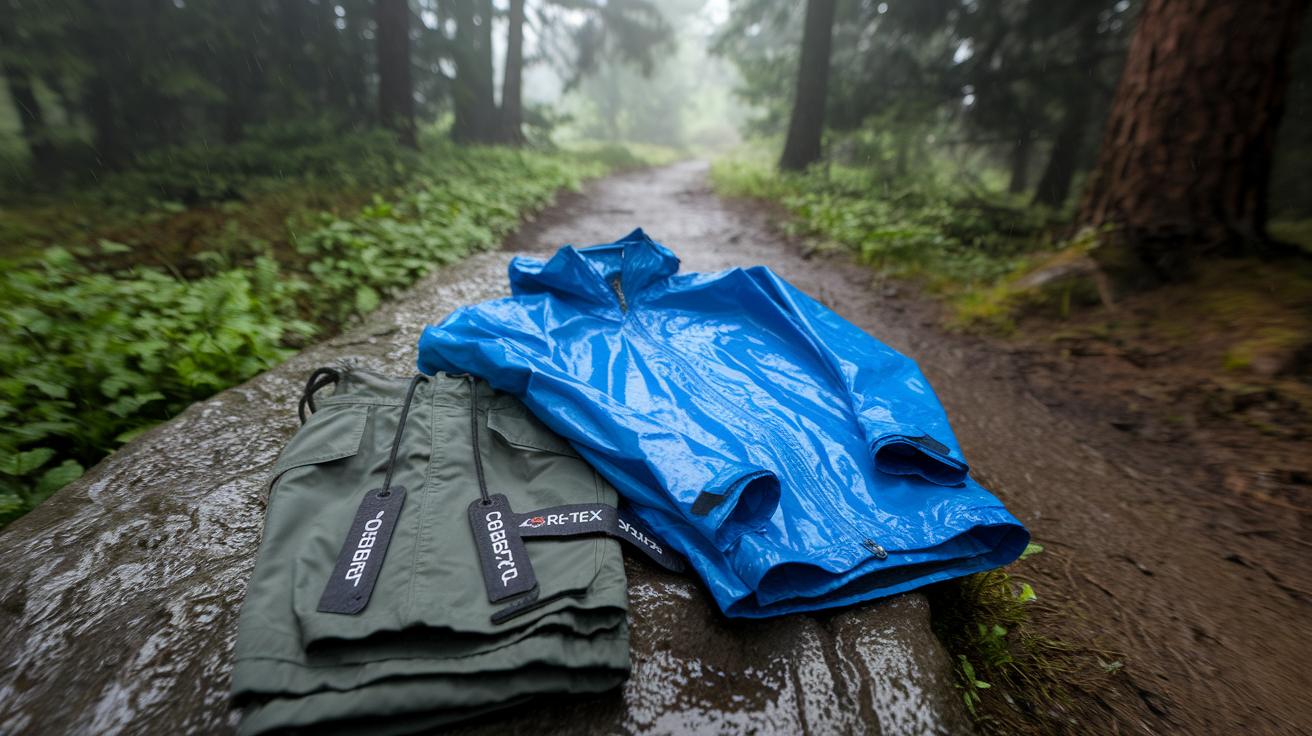
Staying dry on the trail is all about picking gear that works hard without weighing you down. Think about a rain jacket made with top-notch membranes like HydroWall 3-layer or Gore-Tex (a fabric that keeps rain out but lets sweat escape). Imagine a jacket that weighs less than a small water bottle yet blocks downpours like a sturdy shelter.
When you're out there, you want a few key items: rain jackets, rain pants, pack covers, gaiters, and waterproof socks. These pieces are built with solid specs, like waterproof ratings of 20,000 mm or more and MVTR numbers up to 56k (that shows how well the gear handles long, wet days). Whether you’re stepping out for a quick walk or gearing up for a multi-day adventure, these numbers speak volumes about performance.
Below is a simple guide to help you choose the right gear:
| Gear | Key Features |
|---|---|
| Rain Jackets | Adjustable hoods, chest and hand pockets, and pit zips for ventilation. Some even have a handy smartphone chest pocket for modern convenience. |
| Rain Pants | Elastic drawcord waists and ankle zips to easily change shoes during breaks. |
| Pack Covers | Designed to fit various backpack sizes, complete with cinch cords and reflective panels. |
| Gaiters | Knee-high designs that seal out splashes, adding extra protection when the trail gets muddy. |
| Waterproof Socks | Made with wool blends that keep your feet warm and dry, even when they get wet. |
Next, if you’re looking for more recommendations, check out the "essential backpacking gear" checklist. It’s a great resource for finding affordable outdoor rainwear that balances quality with lightweight performance, ideal for keeping you comfortable on every trail.
Top Packable Rain Jackets for Backpacking: Ultralight and Waterproof Shells
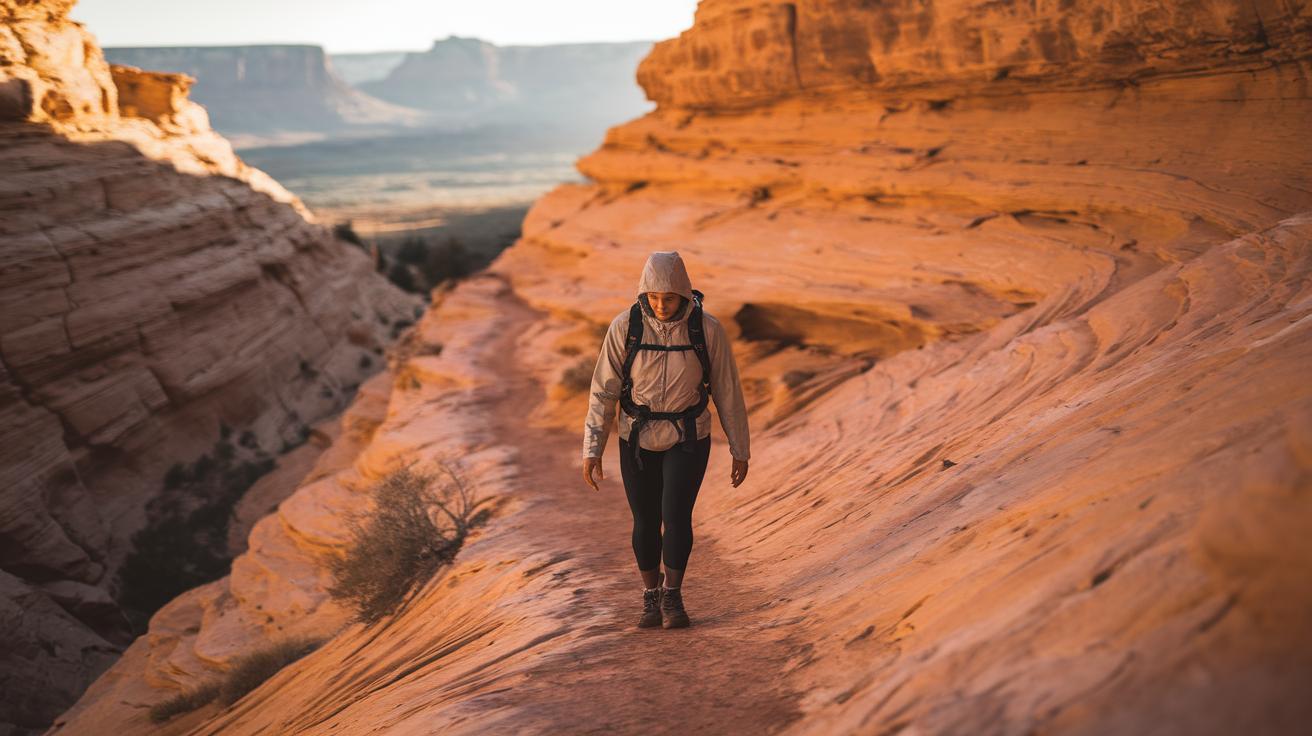
When you're out on a rugged trail, a light and tough rain jacket is a must-have. Imagine a jacket that feels as light as a water bottle but keeps you dry when the skies open up. That’s what you get with these packable rain jackets, designed to slip right into your pack without weighing you down.
Each jacket here uses a special membrane that keeps the air flowing while blocking the rain. Take the Zpacks Vertice, for example. It uses a 3-layer fabric (three layers of material working together) and has full-size pit zips that open up for extra ventilation, all while keeping you dry with its PFAS DWR finish. Then there's the Montbell Versalite coming in Fall 2025 with its own 3L Super Dry-Tec and a 7 d face fabric, so you stay light without losing the protection you need during a sudden shower.
The Arc’teryx Beta SL Hybrid has been trusted by many adventurers over the past five years. Its 3-layer laminate and adjustable fit let you move comfortably, plus it packs a handy chest pocket. On the other hand, the REI XeroCloud 3L stands out with its HydroWall design. This jacket even comes with a special smartphone chest pocket and two zippered hand pockets for extra storage. And for those who love eco-friendly picks, the Patagonia Storm Racer is made with 100% recycled fabric and a PFAS-free DWR. It sticks to a clean design with a chest pocket, though it doesn't feature pit zips.
| Jacket Model | Weight (oz) | Fabric & Layer | Key Features |
|---|---|---|---|
| Zpacks Vertice | <6 | 3L fabric | 56k MVTR, full-size pit zips, PFAS DWR |
| Montbell Versalite (Fall 2025) | 7 | 3L Super Dry-Tec, 7 d face fabric | 53k MVTR, pit zips; no pockets |
| Arc’teryx Beta SL Hybrid | 7.5 | 3L laminate | Adjustable fit, chest pocket, pit zips |
| REI XeroCloud 3L | 7.5 | 3L HydroWall | Smartphone chest pocket, two zippered hand pockets |
| Patagonia Storm Racer | 7 | 100% recycled fabric | PFAS-free DWR, chest pocket; no pit zips |
Rain Pants and Overlays for Complete Backpacking Rain Protection
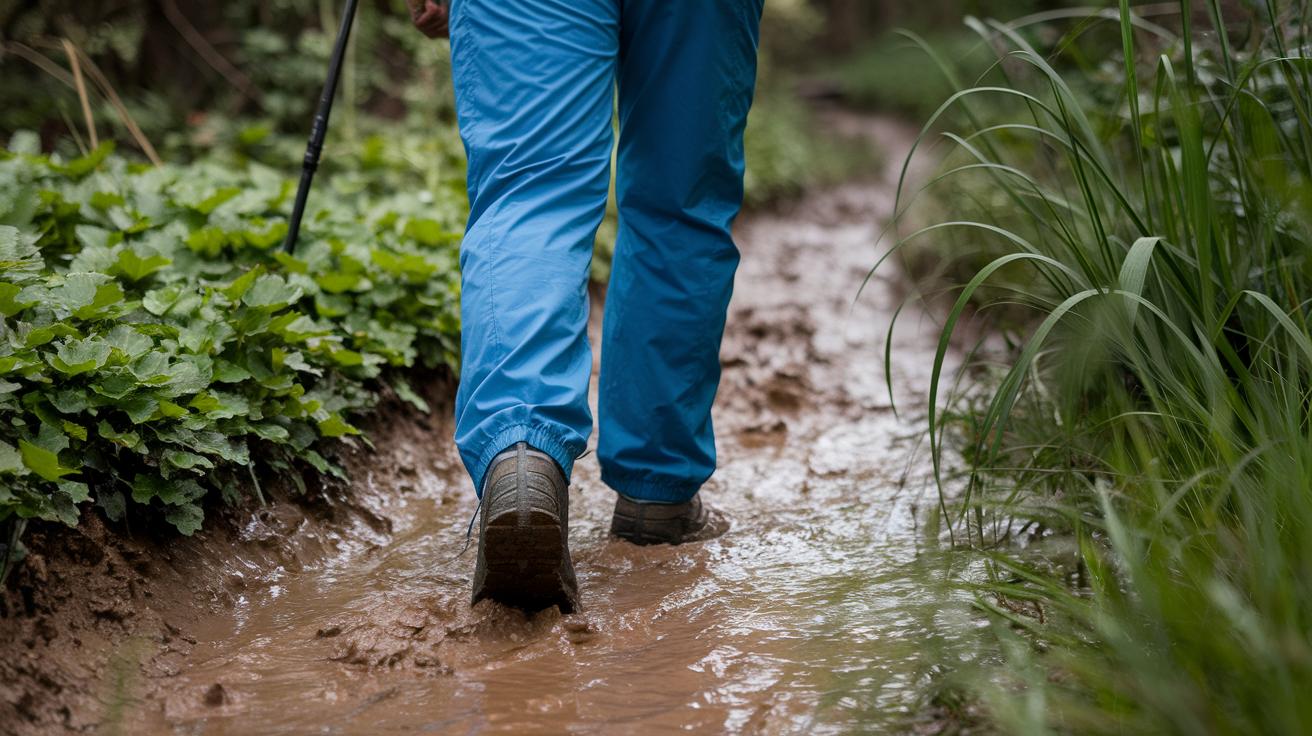
When you’re out on the trail and the rain starts pouring, you need lower-body gear that can keep up with nature, just as important as your rain jacket. The REI XeroCloud 3L Rain Pants use a solid 3-layer HydroWall design that keeps water off while still letting some fresh air in, almost like a cool breeze between the raindrops. They come with zippered hand pockets, an elastic drawcord waist, and ankle zips that let you pull the pants on or off over your boots in a flash. Meanwhile, the REI Rainier Pants are all about convenience with full-length leg zippers, handy zip pockets, and adjustable cuffs to keep mud and snow at bay when the weather shifts quickly.
If you’re facing long spells of heavy rain or muddy trails that turn into mini rivers, consider adding gaiters like the Hillsound Armadillo LT Gaiters to your gear. These help create a knee-high seal around your boots that keeps water and debris out, almost like a protective barrier. Pair that with Showers Pass Wool Waterproof Socks, a cozy, water-resistant wool blend, and your feet will stay comfortable, even when the storm gets intense.
For those times when the rain is just a light sprinkle or you need something even lighter, alternative over-layers can be a lifesaver. Soft shells built on a 2.5-layer system are a smart, minimalist option that can double as a windproof shield on milder days. This lighter layer gives you more flexibility when you’re trying to keep pack weight down. In truth, choose your rain gear based on how heavy the downpour is and what the trail demands, balancing top-notch waterproofing with a setup that’s light and ready for adventure.
Ultralight Rain Protection for Backpackers: Shells and Soft-Shell Alternatives
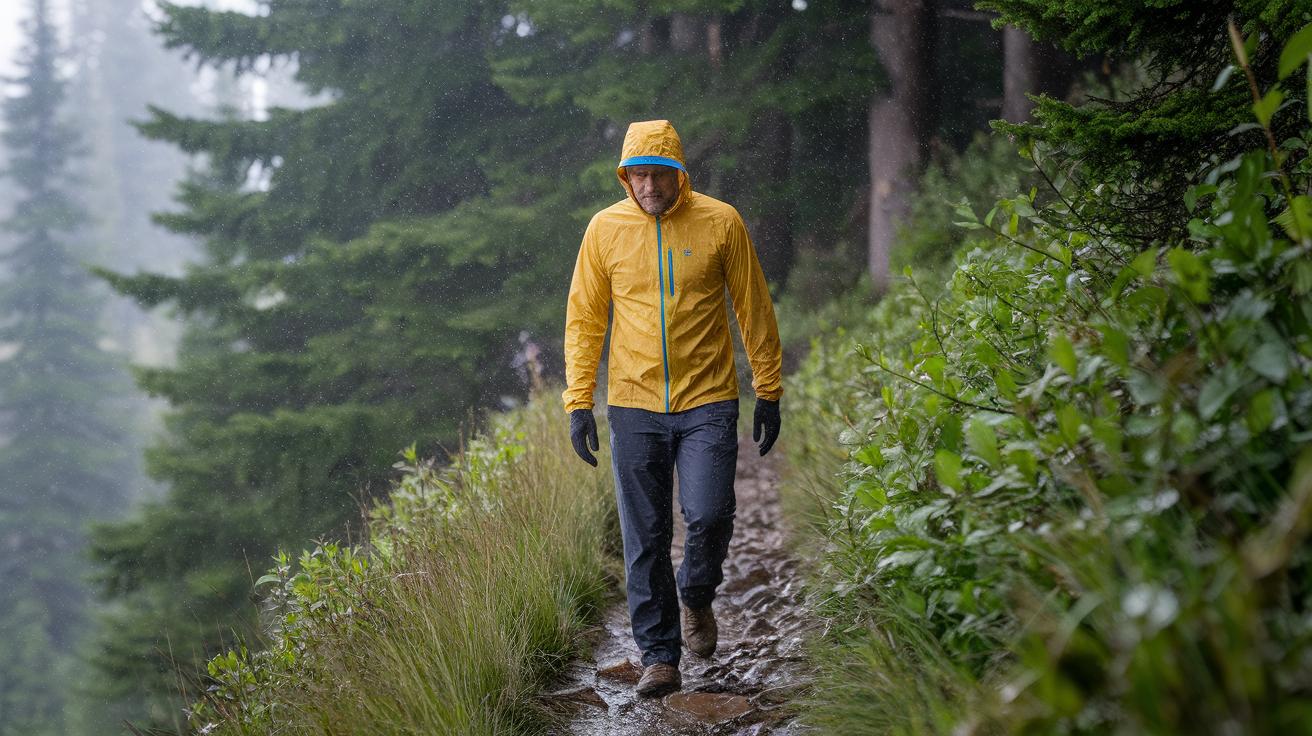
Ultralight Rain Shells Under 8 Ounces
Outdoor Research Helium II really shines out on the trail. It uses a tough 2.5-layer Pertex Shield Diamond Fuse (imagine a sturdy rain hug) and has extra pockets for your bits and pieces. The fabric lets moisture escape so you stay comfy even in a downpour. Then there’s the Rab Phantom Jacket. It’s nearly 50% lighter than most shells and sports a 2.5L film. Sure, you’ve got to handle it with a bit of care, but when every ounce counts, it makes a big difference. Ever carried gear on a long hike and wished it weighed almost nothing? That’s the magic of an ultralight shell.
Soft Shells and Windbreakers
Sometimes a full rain shell might be too heavy for a light mist or a breezy day. That’s when you grab a soft-shell windbreaker. The Patagonia Houdini Air, for example, is famous for its easy packing and water-resistant touch, perfect for a mild drizzle. On the flip side, the Stellar Equipment Ultralight Shell 2.0 uses Toray Dermizax 3L along with a stretchy 20 d face fabric (a soft yet strong material) to offer snug, flexible protection. Both choices let air flow through while keeping you shielded, making them a great fit for mixed weather conditions without adding extra weight.
Comparing 2-Layer vs. 3-Layer Rain Shells: Performance and Features
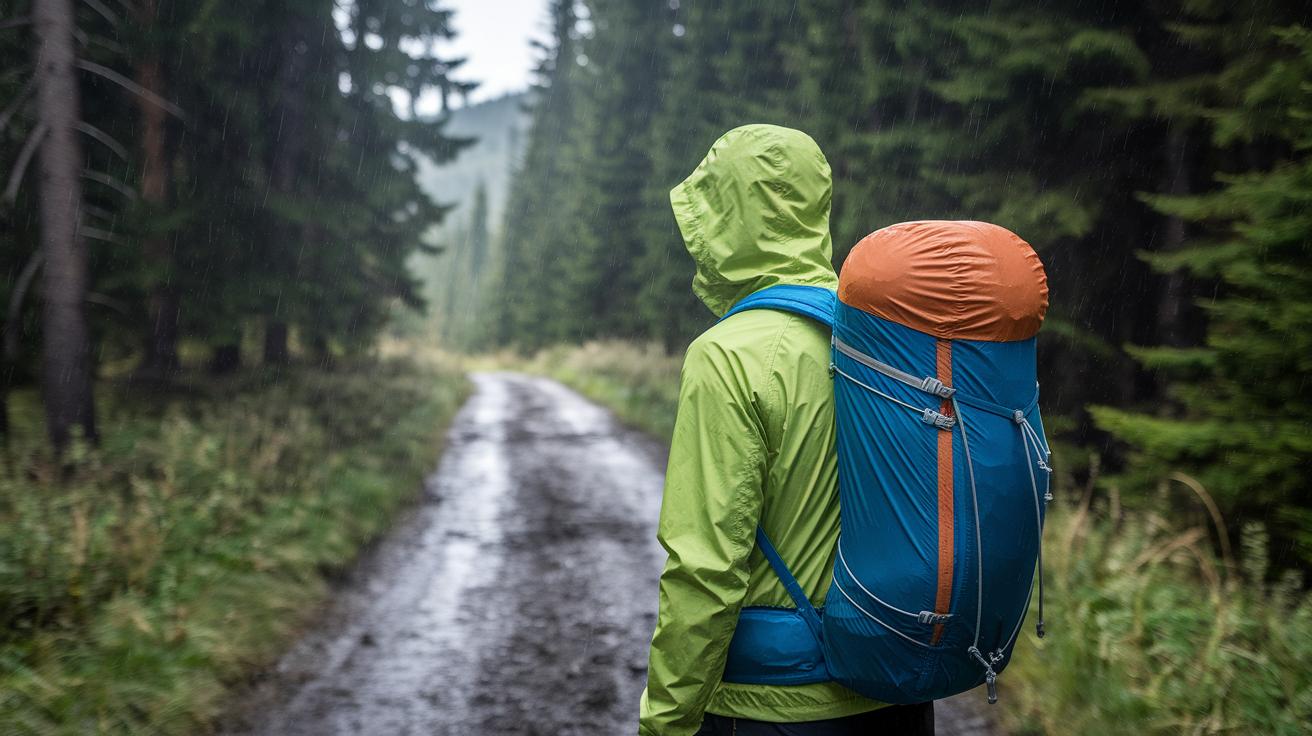
Sometimes picking a rain shell feels like a balancing act between a light pack and long-lasting durability. If you’re in for a quick hike, a 2-layer design might be just the trick. These shells are light as a feather and easy to tuck away, think of a jacket that slips right into your pack when you need it in a hurry. They have one protective layer bonded to the outer fabric that keeps the rain out, although they may not hold up as well on rough, rocky trails where you might scramble (climb fast and steep) over obstacles.
Now, if you’re planning on tackling tougher conditions, a 3-layer rain shell is built for those rugged moments. With three layers working together, these shells are tougher against scrapes and last even when the trail is harsh. They often come with special membranes like Gore-Tex or ePE (a waterproof coating) or even their own PU treatments that meet strict waterproof standards while still letting your body breathe thanks to higher MVTR ratings. Features such as pit zips (little air vents to help you cool off), adjustable hoods, and sealed seams add extra comfort when you’re caught in a downpour on a long hike.
In truth, your best choice depends on your adventure. For fast, light trips, a 2-layer rain shell works great. But if you’re facing rugged terrain and want something to stand up to it all, the robust 3-layer option is your go-to.
Durability, Maintenance, and Waterproofing Standards for Backpacking Rain Gear
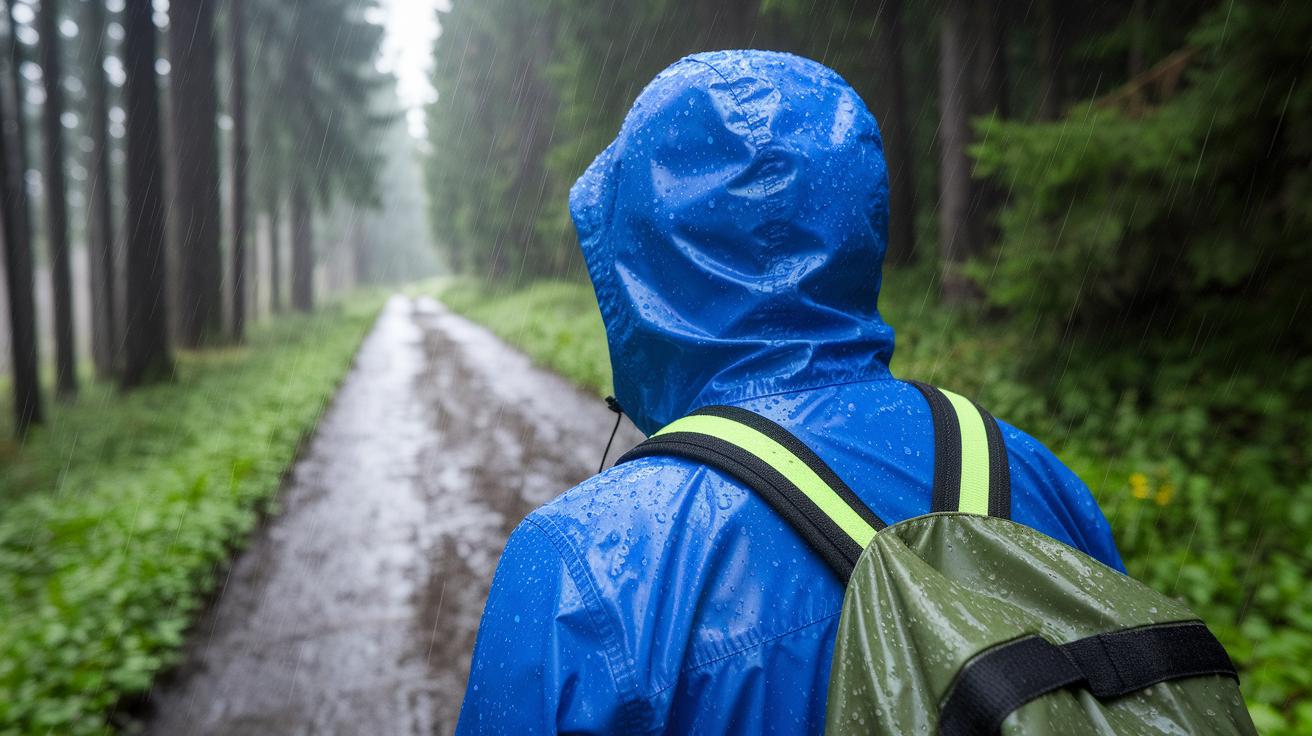
When you’re hit with a downpour out on the trail, your gear needs to hold up. Sometimes, you might see problems like the waterproof layer peeling away (membrane delamination) or the water-repellent finish wearing off. Plus, constant rubbing from pack straps can wear your rainwear quicker than expected. That’s why many brands test their gear to keep water at bay (20,000 mm or more) and follow ASTM standards, so you stay dry yet still enjoy that fresh, breezy feel.
Taking care of your rain gear is key to keeping it in top shape. Clean it with a gentle, non-detergent soap that won’t strip away its special coatings. Once you’ve washed it, give it a boost with a spray-on or wash-in treatment to help water bead right off the fabric. And if you notice any seams starting to open, go ahead and reseal them. A good seam seal stops moisture from sneaking in, even after a hard day’s adventure.
After a wet outing, let your gear dry in an open, airy spot instead of shoving it into a bag. This simple step helps prevent mildew and keeps the material in good shape. Next time you’re packing for a trip, think back on these easy care tips and the tough tests your rainwear has passed. In the end, taking care of your gear means it’ll be ready for heavy rain or a cool, misty morning on the trail.
Pack Cover Systems and Storing Wet Backpacking Rain Gear
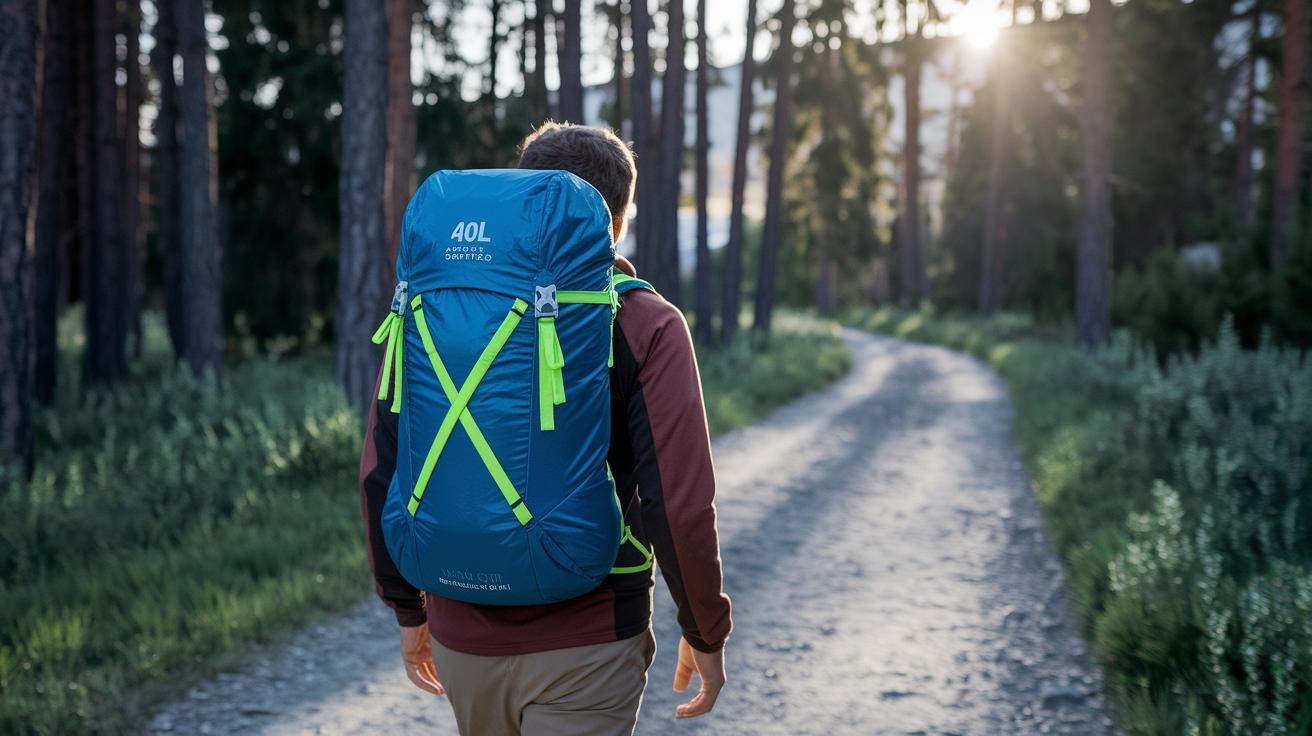
Ever thought about how the right pack cover can change your adventure? Whether you're flying light or carrying extra gear, choosing the proper cover makes a big difference. You can pick a super-light silicone-coated nylon sleeve or opt for an expandable three-season cover built to handle shifting conditions. These covers fit common pack sizes from 20 to 70 liters, and they often come with cinch cords for a tight fit along with reflective panels that help you stay visible when light fades. Checking your pack size can really help you choose the best cover, don't you think?
Inside your pack, using dry sacks or internal liners works like a charm by keeping wet gear separate from dry items. When you're at your campsite, try hanging your damp items in the tent vestibule so they can air out nicely. This simple step helps stop mildew and keeps your equipment in shape. Plus, letting things dry naturally means you're always ready for your next rain-soaked trek.
Regular upkeep and smart packing truly save time on the trail. So, plan ahead to keep your gear organized and separated during those wild weather breaks, it makes the journey that much smoother.
Final Words
In the action, we broke down the core gear you need to face wet weather head-on, from ultralight jackets to stow-away pack covers. Each section gave a clear look at features, weight, and fabric performance so you can choose wisely. We reviewed specs, compared layers, and shared maintenance tips that keep your gear ready. This guide makes picking quality backpacking rain gear feel simple and real. Stay prepared and enjoy every step on your trail, knowing you’re set to face a little rain without missing out on nature’s call.