

Ever thought about your daily ride doing more than just getting you from point A to point B? Imagine swapping out a gas-guzzler for something cleaner like an electric car or a bike. Even little changes can add up over time.
Studies show that taking low-energy trips helps cut nasty emissions and keeps our air fresh. Whether you're walking on a sunny day or enjoying a quiet ride on an electric bus, each choice makes a difference.
Eco-friendly travel isn’t just a passing trend, it’s our way to pave the road for cleaner neighborhoods and a brighter tomorrow.
Eco-Friendly Transportation: Core Principles and Environmental Impact

Eco-friendly transportation is all about choosing ways to get around that keep our air clean and our energy use low. Think about hopping on an electric car, riding your bike, or even walking on a sunny day. Each choice, whether it’s a bus run on electricity or carpooling with friends, helps us cut down on fossil fuels and makes our community feel a bit more like a tight-knit, sustainable family.
Low-carbon travel is at the heart of these ideas. When you decide to take a quiet stroll through a walkable neighborhood or catch a modern, clean bus in the morning, you’re part of a movement that reduces urban pollution. Imagine starting your day with a refreshing bike ride, connecting with the cool, crisp air, then hopping on a bus that’s smooth and easy. That’s climate-smart travel in action.
Every little decision makes a difference. As our cities start putting more energy into smart public transit and safer bike lanes, we all benefit from cleaner air and quieter streets. Over time, that mix of electric buses, bike-friendly routes, and comfy walking paths builds a sturdy network of low-carbon options that feels just as reassuring as a well-worn trail map. Eco-friendly travel isn’t just a passing trend, it’s a step toward a healthier, brighter future for everyone.
Electric and Hybrid Transit Options in Eco-Friendly Transportation

Electric rides give us a fresh, clean way to get around by cutting out exhaust fumes and reducing our need for fossil fuels. Models like the Tata Nexon EV and Ather Energy scooters prove that battery-powered vehicles work great for short trips. Imagine how things used to be, riders depended only on fuel-powered bikes that belched pollution, until electric scooters changed the game.
Battery-powered vehicles not only clear up our roads but also offer smooth, quiet rides. They run on rechargeable batteries, which helps lower fuel costs and reduce maintenance. And if you’re curious about how they stack up against traditional vehicles, they win easily by cutting down pollutants and keeping the air crisper with every mile.
Hybrid rides mix a traditional engine with an electric motor, giving you the best of both worlds. They boost fuel efficiency while slashing overall emissions. In places where all-electric options aren’t yet ready for prime time, these hybrids serve as a smart stepping stone toward a fully sustainable future.
Adding electric options to your daily routine means quieter streets and cleaner neighborhoods for everyone. City planners are already testing new models and charging stations to make battery-powered transport a future staple. And as more hybrids replace older vehicles, our daily commutes will shrink their carbon footprint, paving the way for greener, more inviting roads.
Public Transit Innovations Driving Eco-Friendly Transportation
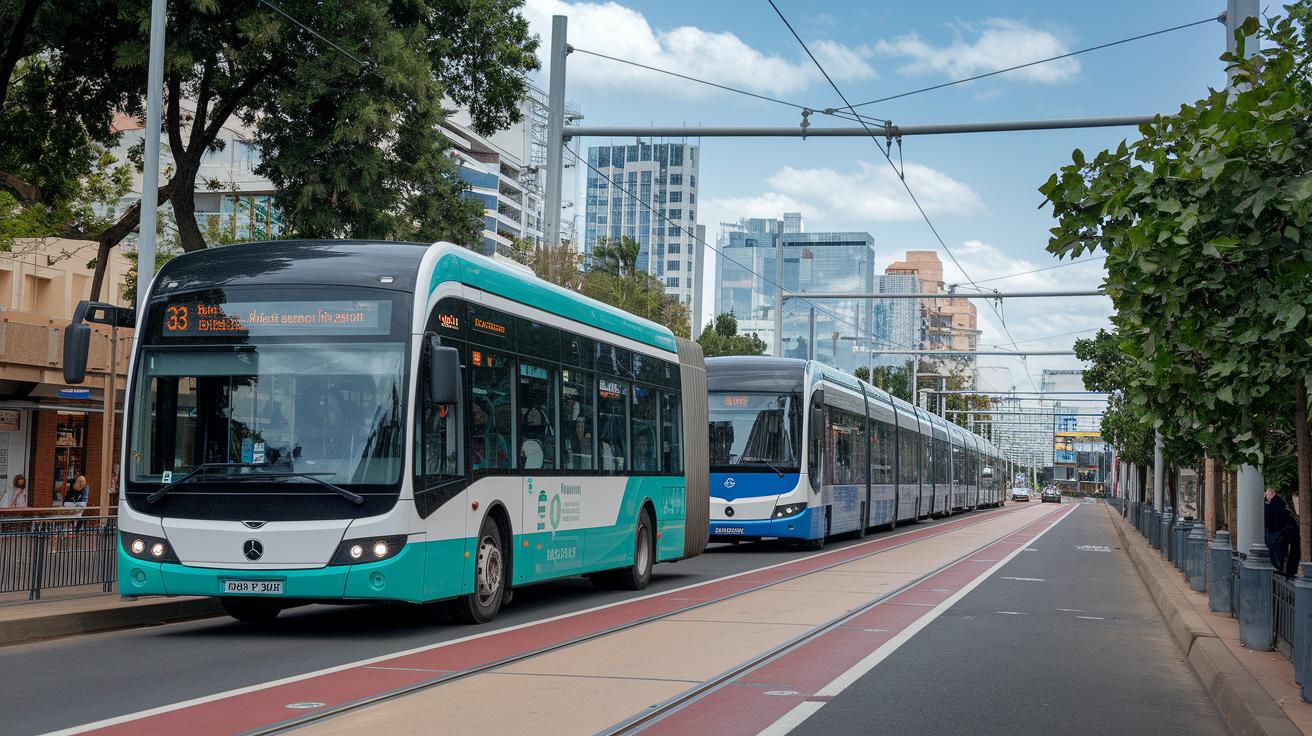
Cities like Delhi, Pune, and Bengaluru are paving the way for fresh public transit ideas. Many of these bustling cities are swapping out old diesel buses for new electric or CNG buses (that’s compressed natural gas, a cleaner fuel). Imagine getting on a bus that only releases about 100 grams of CO₂ per mile, way less than the 346 grams from a regular car. It’s like catching a breath of crisp air right in the middle of a busy day.
Light rail systems are getting a solid upgrade too. These modern electric trains chop emissions by nearly 80% on trips up to 50 miles. They offer smoother rides and quieter operations, turning a regular commute into something a bit more special. It’s all about making everyday travel work better for both us and the environment.
| Transport Type | CO₂ Emission (g/mile) |
|---|---|
| Electric Bus | 100 |
| Conventional Car | 346 |
Tram networks are also stepping into the spotlight. In many cities, new trams are being tried out to ease traffic and offer a dependable, low-emission travel option. They work as flexible links, connecting different neighborhoods and major transit hubs, making it easier to get around.
India’s big plan to fully electrify its rail systems by 2030, plus testing solar-powered trains, shows a real commitment to forward-thinking, sustainable travel. Each new electric bus, updated light rail, or modern tram helps build a future where moving around the city is kind to both the people and the planet.
Active and Micro-Mobility Strategies for Eco-Friendly Transportation

Cycling and walking let our cities breathe. Bike-sharing programs and safe ride paths give folks a chance to trade their car keys for some pedal power, like setting off on a bright morning ride with the fresh wind in your face.
Cities that plan for walkability turn blocks into friendly, easy-to-reach spots. Think sidewalks that are wide, crossings that are easy to see, and parks that invite a relaxed stroll. This smart planning not only cuts down on car use but also gets you outside where the fresh air boosts your health.
On-demand microtransit fills the gaps when regular routes don’t quite reach every corner. These services connect small neighborhoods with major transit hubs, smoothing out the rest of your journey.
- Bicycle-sharing programs
- Well-designed urban cycling paths
- Thoughtful walkable community planning
Imagine a block where you have a bike station right next to a neat pedestrian path and quick microtransit just steps away. This blend of biking, walking, and handy transit lightens our carbon load while inviting everyone to live more actively.
Shared Mobility Systems and On-Demand Tech in Eco-Friendly Transportation

Shared ride systems are like a group hike for your daily commute. They help cut down on the number of cars, making our roads feel less crowded, almost like finding a quiet clearing in a busy forest. When you join up for a shared ride, everyone hops in, much like friends piling into a trusty van for a weekend adventure.
On-demand travel tech is the trusty trail guide that connects you with the nearest available ride in a flash. These real-time apps tune routes just right, cutting idle time and saving fuel. Imagine a driver getting a quick alert right when you need a pick-up, it’s as smooth as catching the perfect break in a mountain trail.
Mobility-as-a-Service is a bit like having one big map for all your adventures. It links up buses, bikes, and ride shares so you can switch between them without the extra hassle. One moment you’re in a shared ride, the next you’re grabbing a bike from the station, all without a second thought. It’s like packing your gear just right for a day out in the wild.
Shared rides and on-demand tech team up to ease urban congestion in a real practical way. Studies show that when more people choose carpooling, overall emissions drop like leaves in the fall. And as more cities jump on board with this integrated service, our roads, and our air, are getting a whole lot greener.
Infrastructure and Future Technologies for Eco-Friendly Transportation
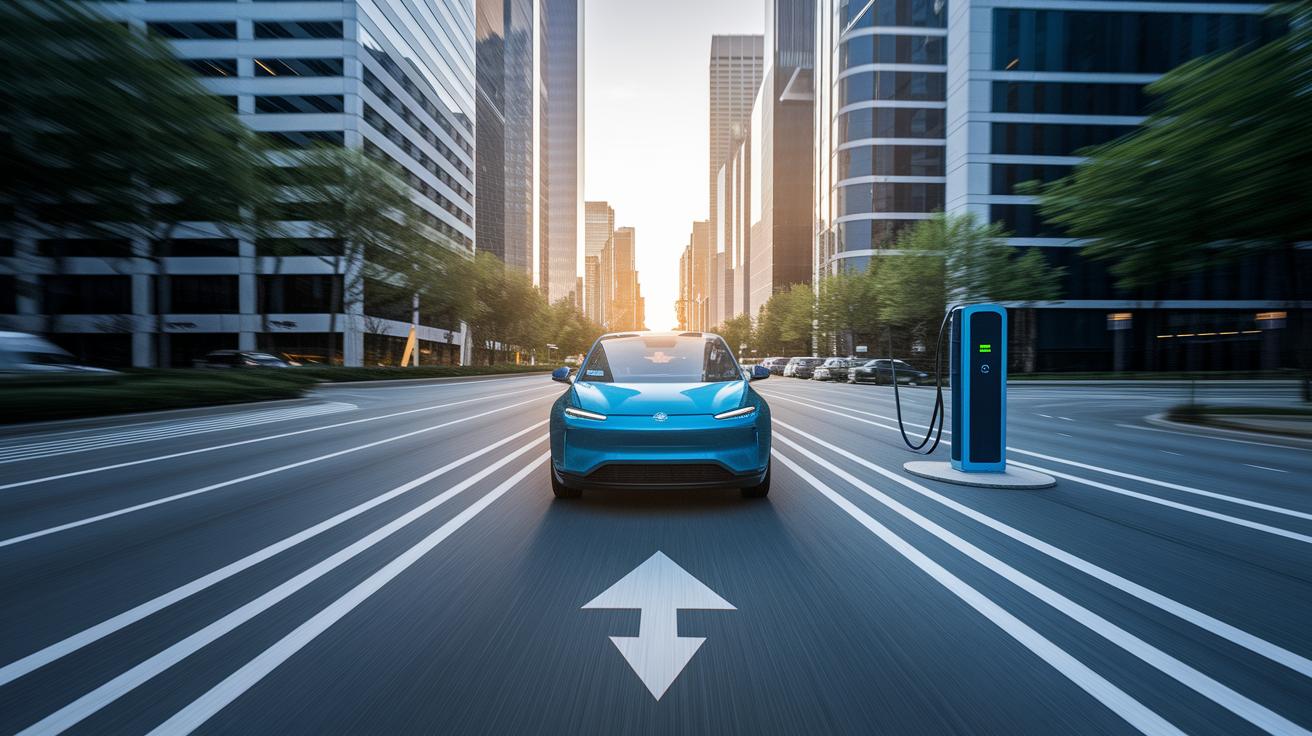
Imagine your daily drive turning into a simple, enjoyable journey. Smart routing and digital tracking work together to cut out needless stops and save you fuel. Ever noticed how a local shuttle adjusts its course when traffic starts to pile up? That’s route optimization in action, finding the best path in real time.
Think about pulling up by a sunshine-powered charging station. These new solar spots, known as photovoltaic charging stations, turn sunlight into energy for electric vehicles. You can park your EV there and let the sun do its work, offering you a cleaner way to refuel while you enjoy the outdoors.
Now, picture city buses that run on solar power. In bustling cities, pilot projects are showing us that using the sun not only slashes emissions but also brightens the future of urban travel. There’s even buzz about self-driving shuttles being tested in some neighborhoods. These smart, automated vehicles join forces with digital tweaks to cut energy waste and make rides safer and more streamlined.
Local governments and transit experts are teaming up to weave these green ideas into everyday travel. Soon, our roads might switch from old fuel stops to modern, eco-friendly charging points. With clever routing, sunny charging stations, solar-powered transit, and smart autonomous trials all coming together, we’re on track for roads that are greener, quieter, and smarter, helping us build a cleaner tomorrow while enjoying every ride.
Final Words
In the action, we explored multiple ways to trim emissions and enhance travel options. The guide covered electric and hybrid solutions, urban transit upgrades, active cycling, and shared ride systems, all grounded in practical, real-life examples.
Each section offered clear steps toward safer, greener trips. Keep these ideas in mind as you plan your next outdoor outing and enjoy the benefits of eco-friendly transportation.
FAQ
Q: What are eco friendly transportation benefits?
A: The eco friendly transportation benefits include lower emissions, improved air quality, and reduced fossil fuel use. Using options like electric vehicles and cycling helps maintain a cleaner environment.
Q: What are examples of eco friendly transportation methods?
A: The eco friendly transportation methods include public transit, electric and hybrid vehicles, cycling, walking, and carpooling. These ways help cut fuel use and lower air pollution.
Q: What is the most eco friendly transportation option?
A: The most eco friendly transportation is often walking or cycling. These methods produce nearly zero emissions and promote healthy living while keeping the air clean.
Q: How can we make transportation more eco friendly?
A: Making transportation more eco friendly means using renewable energy for transit, expanding public transportation, promoting walking and cycling, and encouraging shared rides to reduce overall emissions.
Q: What is eco friendly transport and how does it work?
A: Eco friendly transport uses modes that lower harmful emissions and conserve energy. Options like electric vehicles and hybrids achieve this by reducing tailpipe pollutants and cutting fuel use.
Q: How does sustainable energy support eco friendly transportation practices?
A: Sustainable energy supports eco friendly transportation by powering vehicles and public transit with clean sources. This reduces carbon emissions, helping to create a more energy-efficient travel system.