

Have you ever wondered if we can use our forests' gifts and still keep them healthy? With careful planning and smart tree care (like cutting only what we need), our woods can be strong for years to come. Think of it like tending a campfire, you add just enough wood and care so it keeps glowing warm.
But here's the tough part: new figures show we're losing too many trees every year. By managing our forests with care, we help nature stay in balance and also support the folks who depend on these natural resources.
Understanding the Foundations of Sustainable Forestry Practices
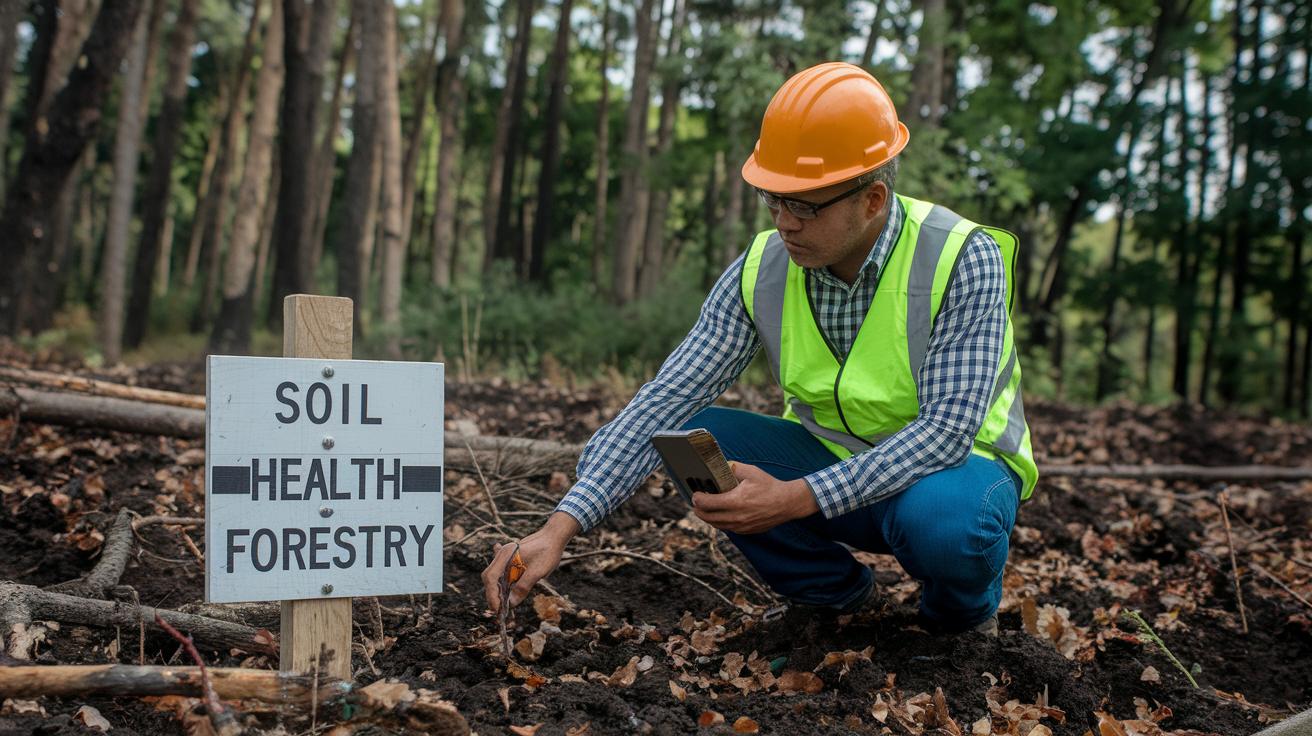
Forests, like favorite trails, need our care if they’re to keep giving back for generations. Sustainable forestry is a way to manage our woods that protects nature, helps local communities, and makes sure the land stays healthy. It works by following clear rules and planned methods that keep the soil strong, unlike older practices that sometimes harm the land.
Think of it like tending a campfire, you give it just the right attention so it continues to glow. This method respects nature’s own rhythm while cutting back on the damage deforestation can cause. Global numbers show that from 2015 to 2020, nearly 10 million hectares of forest vanished each year, and about 5.6 million hectares are still in danger. That’s a clear sign we need to change our ways.
Healthy forests are much like a natural air filter. They pull in CO₂ through photosynthesis (the process where plants turn sunlight into energy), which helps keep greenhouse gases in check. It’s a bit like nature’s way of pressing the reset button on our climate.
Using sustainable practices not only fights climate change but also gives communities a steady, renewable source of wood and other resources. With smart rules and modern care, these practices promise a future where thriving ecosystems, vibrant local economies, and rich soils all go hand in hand.
So, taking the time to protect our forests is like paving a clear, safe trail into a greener future for everyone. Isn’t that a journey worth taking?
Eco-Friendly Timber Harvesting and Cultivation Techniques
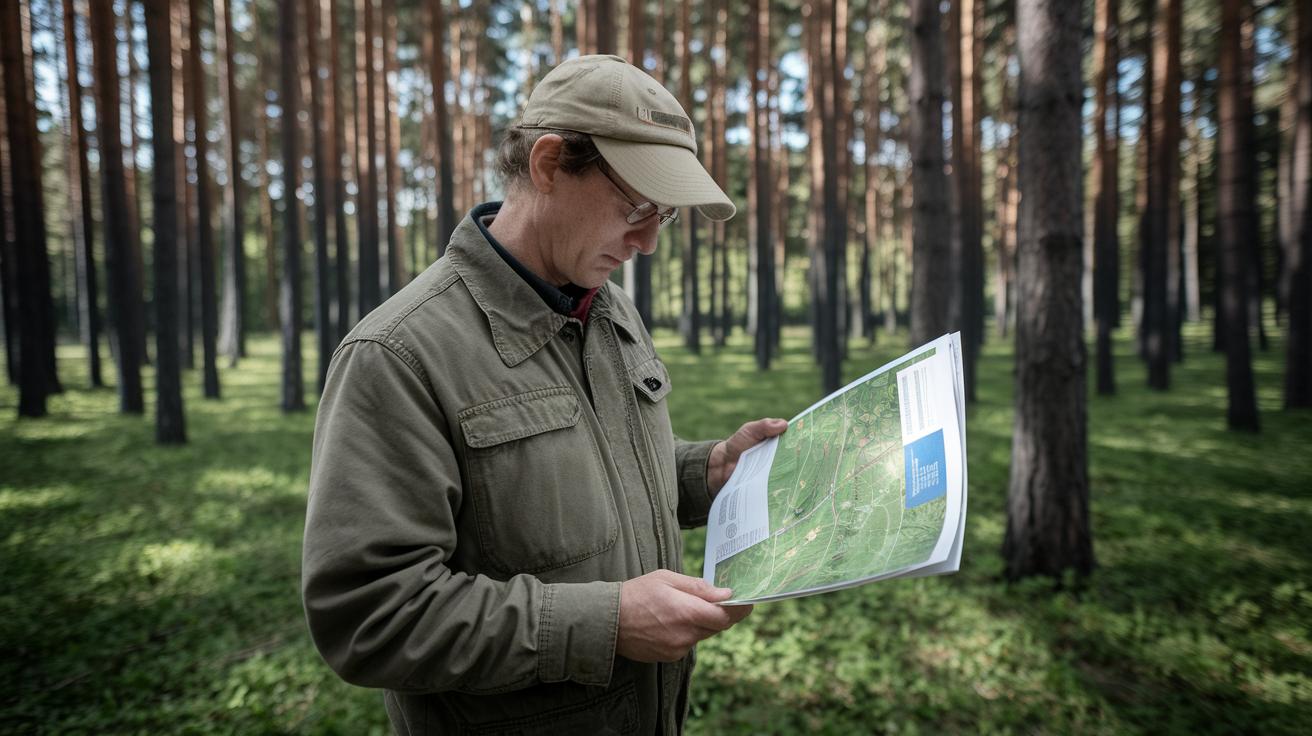
Imagine planning a long, clear trail before you hit the woods, that’s what eco-friendly timber work is all about. Careful planning and respect for nature set the stage for trees to thrive again. Land managers work like trail guides who know every twist and turn and use smart ways to groom the forest. For example, selective logging (picking out only certain trees) is like giving just the right trim so the rest can soak up the sunlight.
Low-impact cutting means using methods that leave the forest mostly untouched, preserving its natural spirit. Here are ten simple steps to keep our woodlands healthy while harvesting timber:
- Follow local laws and rules.
- Clearly mark rights for using the land.
- Respect the rights of Indigenous Peoples.
- Focus on good community ties and fair work practices.
- Balance cutting timber with protecting nature.
- Keep water, soil, and wildlife safe.
- Plan forest care like packing a backpack for a day hike.
- Check your progress often.
- Protect forests that are especially valuable.
- Manage plantations with careful planning.
These steps mix with techniques like reduced-impact harvesting, careful canopy thinning (like giving a tree a gentle haircut), planting different tree types to keep a rich mix, and rotating when you cut trees to spread the work out over time. Think of it as following a recipe that keeps your forest both strong and beautiful. When we care for our woods, nature and nearby communities both enjoy the rewards, just like sharing a warm campfire with good friends after a long day on the trail.
Sustainable Forestry Practices: Community Innovation

Innovative financing methods now help us take care of our forests in smart and practical ways, going beyond just keeping nature green. Local groups and small businesses are banding together to create funds that support replanting and careful wood management (think of it as tending to nature’s garden). For example, a community in the Pacific Northwest started a fund where local shops and tradespeople pitched in money to restore the woods and create new jobs in forest care.
Over in the Red River watershed, a cooperative built a simple payment system that channels funds into both timber processing and restoring the natural balance. Try this surprising tidbit: a small town raised money from local carpenters and farmers, turning the forest into a shared treasure that boosted nature and created local jobs.
| Project | Community Benefit |
|---|---|
| Forest Fund Cooperative | Cleaner water and more local jobs |
| Community Replanting Initiative | A stronger forest and better local market ties |
Forest Stewardship: Certification and Compliance Standards

Imagine a trail where every tree’s journey is checked from start to finish. Certification systems like FSC help us trust that each tree cut and every log delivered sticks to strict rules for caring for our forests. They use hands-on inspections and modern tech to trace a tree’s adventure from forest floor to finished wood, just like marking your path on a nature walk.
Today, advanced tools like satellite images and blockchain (a digital record keeping tool) act like a trusty guide on your hike. They keep a watchful eye on every detail, much like checking your compass to stay on track. This mix of technology and in-person checks not only builds trust with buyers but also opens up more opportunities for responsibly managed timber.
Here’s how it works:
- Certification folks verify that every step meets the guidelines.
- Third-party audits work like nature’s own quality check.
- Modern tools, such as satellites and blockchain, make sure every stage is clear and transparent.
This system gives us solid reassurance that the products we use come from forests cared for with respect. It’s a win for both nature and our communities, lighting the way toward a greener future.
Best Practice Guidelines for Implementing Sustainable Forestry Practices

Managing our forests responsibly is a bit like planning a great outdoor adventure. You need good preparation mixed with on-the-ground know-how. Here's an updated checklist to help guide your journey:
First, start with a solid look at the land and its community. Think of it as mapping your favorite hiking trail – you want to know the lay of the land and the needs of nearby folks. For instance, some teams have cut their survey time by 30% by blending satellite images with local info.
Next, set clear roles for everyone involved. Just like trail markers keep you on track, defining land rights and roles helps every team member know their part. One project in Southeast Asia found that clear roles made the work smoother and built trust with locals.
And don’t forget to bring local communities and Indigenous voices into your planning from the very start. Their firsthand experience can reveal smart, time-tested ways to care for the forest. In Canada, for example, Indigenous advice helped shape safety rules that led to fewer logging accidents.
Then, put together a flexible forest management plan. Picture it like planning a trip where you can adjust your route based on the weather. A Scandinavian study showed that regular updates to these plans improved forest health by 25%.
Make sure your practices match the latest certification standards too. Think of certification like a trusted rating for a trail – it boosts confidence. One Nordic project even included low-carbon rules that set a new standard for eco-friendly timber.
Train your crew in logging methods that are kind to nature and safe, too. It's like learning the right way to hike over tricky terrain; good training can save both time and lives. Imagine a seasoned guide showing you the safe way to climb a steep slope.
Keep an eye on things using modern tools like drones and detailed on-the-ground checks. These high-tech gadgets help you adjust your plans in real-time. Believe it or not, recent projects with drone monitoring have nearly halved the time needed for manual checks.
Finally, review and update your practices regularly. Think of it as checking your gear before a long trek – keeping everything in top shape is key. New trends even suggest adding soil health checks as an important measure for continuous forest care.
| Step | Updated Insight |
|---|---|
| Assessment | Blend satellite images with local surveys to save time |
| Roles | Clear role definitions boost trust and smooth operations |
| Community Involvement | Use local insights to refine safety and care practices |
| Management Plan | Keep your plan dynamic with regular updates based on new data |
| Certification | Include low-carbon criteria to meet evolving eco-standards |
| Training | Focus on safe, low-impact techniques for challenging areas |
| Monitoring | Use drones and field checks to fine-tune operations in real time |
| Reviews | Add soil health and other key measures to your reviews |
Case Studies: Success Stories in Sustainable Forestry Practices
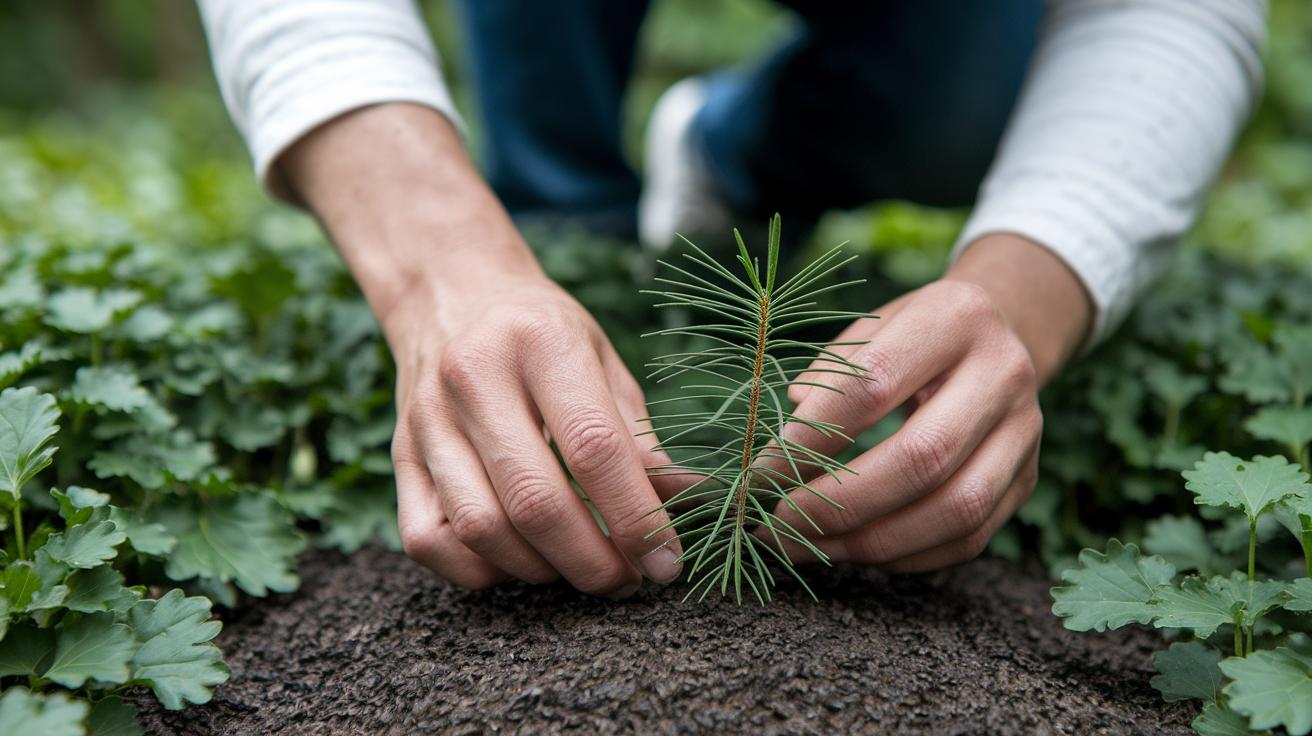
Ever thought a simple act could spark a lifelong connection with nature? In Europe, people can buy a Douglas fir and watch it grow, almost like nurturing a living piece of art. One owner even said that watching their tree flourish makes them feel truly connected. It’s a warm way to care for the forest and keep up with its journey through regular updates.
Next, there’s a cool forest-subscription option. For a small fee, new members get a 5% discount on their first order while chipping in for reforestation and community projects. Imagine signing up, snagging a discount, and knowing that a part of your payment supports local forest restoration and community needs. It ties smart savings to real environmental impact.
Over in South America, a corporate-led plantation project shows that modern care and nature can work together. They plant a mix of tree species (different kinds that grow better together) and share the revenue with local communities. They also use tech like remote-sensing tools to ensure every tree receives proper care. One manager mentioned, "It’s impressive to see technology work hand-in-hand with nature conservation." This project, like the others, blends personal connection, smart subscriptions, and corporate care to pave the way for a greener, brighter woodland future.
Sustainable Forestry Practices: Bright Green Future

Today, digital tools help forest planners the way a trusty trail map guides you on a hike. Satellite checks show how trees are growing, and blockchain keeps clear records of timber history, just like making sure the sky is clear before you head out. Imagine a forest manager looking at live growth data on a screen, confirming that everything is just right, much like checking the forecast on a crisp morning.
New financial ideas mix smart investments with flexible management. Some automated systems even turn carbon credits into funds that keep forests healthy, while clear ledgers track nature’s benefits so they can be shared like gear on a trail. These adaptive methods are a lot like adjusting your pack when the weather shifts unexpectedly, ensuring woodlands remain strong and vibrant.
Final Words
In the action, we explored basics like how to manage woodlands wisely. We reviewed eco-friendly timber techniques, saw the benefits that matter for both nature and people, and talked about solid plans and rules for smart forest care. We shared practical steps and real stories from the field. New tools and methods promise to guide our path ahead. May these insights help you feel more connected to nature and inspire choices that champion sustainable forestry practices. Enjoy every step out there and keep learning.
FAQ
What is sustainable forestry?
Sustainable forestry means managing forests to meet today’s needs while protecting them for tomorrow. It balances social, economic, and environmental factors to keep forests healthy and productive.
What is an example of a sustainable forestry practice and what method represents a sustainable forestry practice?
One example is selective logging, which involves removing certain trees while leaving others intact. This low-impact method protects soil, water, and overall forest health.
What is the most sustainable forestry method?
The most sustainable method is reduced-impact logging. This approach minimizes damage to the forest ecosystem, keeping soil, water, and biodiversity intact while allowing regenerative growth.
Why is it important to support sustainable forestry?
Supporting sustainable forestry helps protect natural habitats and maintain a vital carbon sink. It also boosts community benefits and ensures that woodlands can continue to provide resources long into the future.
Where can I find resources like PowerPoint presentations, PDFs, or journals on sustainable forestry practices?
You can access various resources including PowerPoint presentations, PDFs, and journals that detail sustainable forestry practices, guidelines, and real-world examples to guide eco-friendly forest management.