

Ever wonder if a flash of sunlight or a quick gust of wind could power your life? Renewable energy shows us that nature gives us a big helping hand. Solar panels catch the sun's rays like a friendly handshake, and wind turbines spin breezy air into power. Think about hydropower, where water flows just like a lively creek, or geothermal warmth, which comes from the earth’s hidden heat. Each of these sources brings us one step closer to a cleaner, greener tomorrow. This piece explores how nature’s own energy sparks hope for a brighter future.
Renewable energy examples ignite a bright future
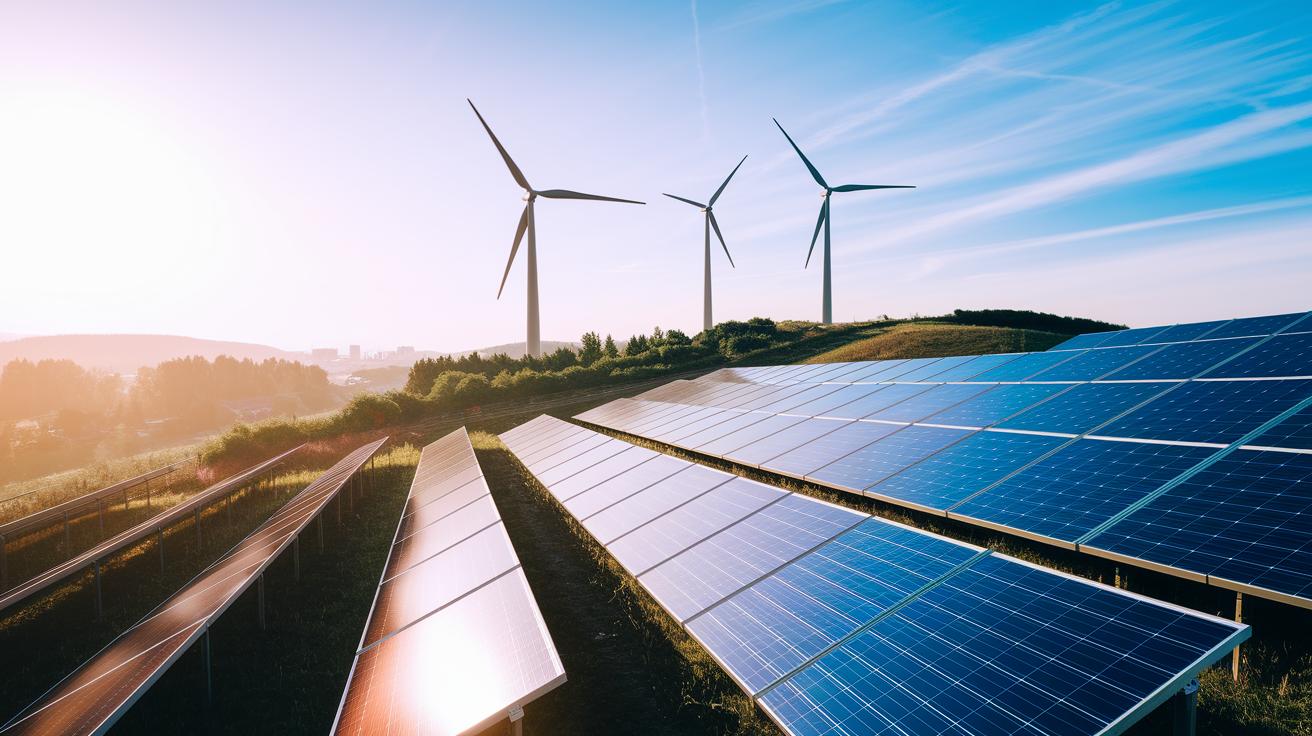
Renewable energy is nature’s gift that never fades away. Sunlight, wind, flowing water, Earth’s gentle heat, and even organic leftovers keep coming back like an old friend. For instance, solar panels use tiny photovoltaic cells to catch sunlight and turn it into electricity. Imagine this: one hour of bright sunlight can, in theory, power the world for an entire year!
Wind turbines are pretty cool too. They catch the moving air and spin a rotor attached to a generator, turning a breezy day into useful energy for homes and factories. Then there’s hydropower, which uses the might of flowing water, whether in big dams or smaller stream setups, to spin turbines and create power.
Geothermal energy taps into the Earth’s natural warmth, much like feeling a cozy heat from a warm spring on a cool morning. And biomass energy takes everyday waste like wood chips or crop remnants and turns it into heat or electricity through simple processes like burning or fermentation.
Here’s a quick look at the five renewable energy types in a simple table:
| Energy Type | Description |
|---|---|
| Solar | Uses sunlight captured by panels to make electricity |
| Wind | Turns the movement of air into power with spinning turbines |
| Hydropower | Uses water flow through turbines on a big or small scale |
| Geothermal | Draws on the Earth’s heat to provide steady energy or warmth |
| Biomass | Converts organic materials into heat or electricity |
Each type plays a part in building a cleaner, more sustainable future by cutting down on pollution. And the best part is, depending on where you’re located and what tech is available, there are plenty of ways to harness nature’s power. Isn’t it amazing to think of all the paths leading us toward a brighter tomorrow?
Solar Energy Case Studies
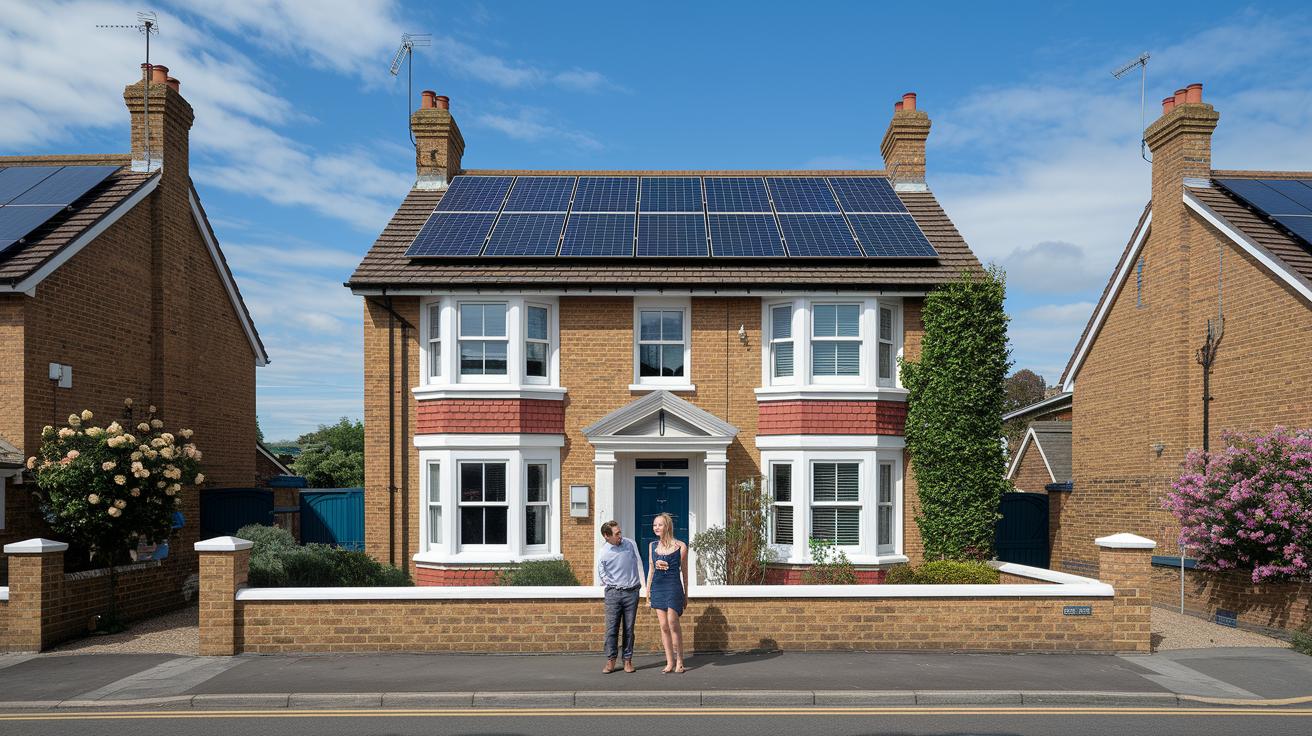
Solar panels soak up the sun’s warmth and turn it into power that runs our everyday lives. In the UK, many homes with rooftop panels have seen their electricity bills drop by as much as £525 a year (about US$681). Imagine your family’s house fitted with a 3–10 kW system quietly turning sunshine into steady power. It’s like watching the sun gift your home light on a bright afternoon.
Concentrated Solar Power, or CSP, takes things a step further. Using mirrors or lenses (kind of like a giant magnifying glass), it focuses sunlight into one tight spot. This concentrated heat warms fluids until they become steam, which then spins turbines to make power, reaching over 20% efficiency. Think of a large solar plant where huge mirrors work together to deliver reliable energy to nearby communities.
Rooftop systems are great for spreading out power generation right where you live. They even let you feed extra energy back to the grid through net-metering (a simple energy exchange). Whether it’s a small setup on your roof or a vast solar farm, these installations show how flexible and powerful solar energy can be.
| Type | Application | Typical Efficiency |
|---|---|---|
| Photovoltaic rooftop | Home/commercial rooftops | 15–22% |
| CSP plant | Utility-scale solar farms | 20–25% |
| Solar thermal collector | Water/glycol heating systems | 40–70% |
These examples show how solar energy setups can be tuned to fit different needs, making the most of all that natural sunlight.
Wind Energy Examples and Applications
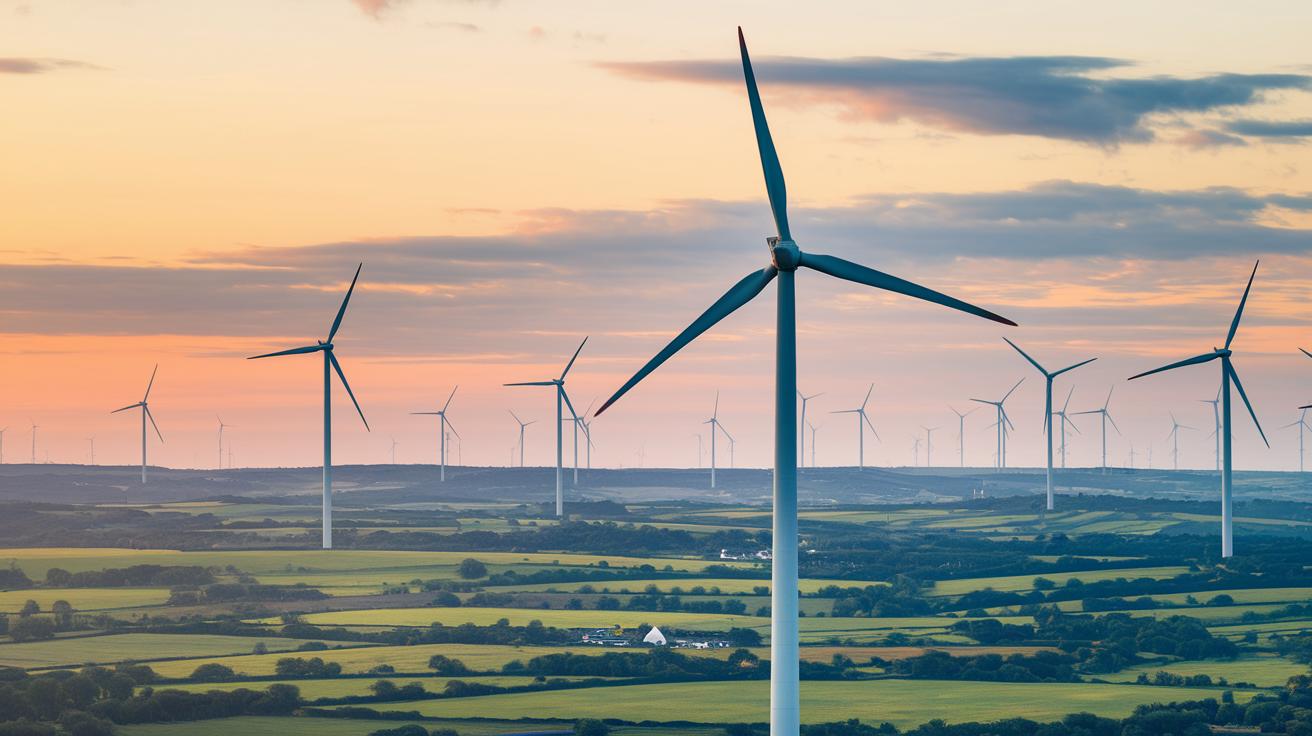
Onshore Wind Projects
Land-based turbines, usually between 1.5 and 3 MW, work reliably to power nearby factories and community spots. They’re set up in open fields where the wind blows steadily, keeping both costs and performance predictable. Imagine a peaceful countryside with windmills turning gracefully in a cool, gentle breeze.
Offshore Wind Farms
Offshore turbines often pack a bigger punch, many even exceed 8 MW in capacity. Out at sea, these windmills enjoy strong, constant winds that really ramp up their power output. Their large blades and sturdy build handle the salty air and shifting ocean currents with ease. Picture huge turbines off a rugged coastline, their rotors slicing through the crisp air with impressive precision.
Community Wind Installations
Smaller wind projects bring neighbors together by powering a few homes and splitting the benefits among local cooperative owners. These setups not only cut energy costs but also create a shared sense of pride and responsibility. Picture a tight-knit community united by a small cluster of windmills, all working together to provide clean, local power.
Hydroelectric and Tidal Energy Examples
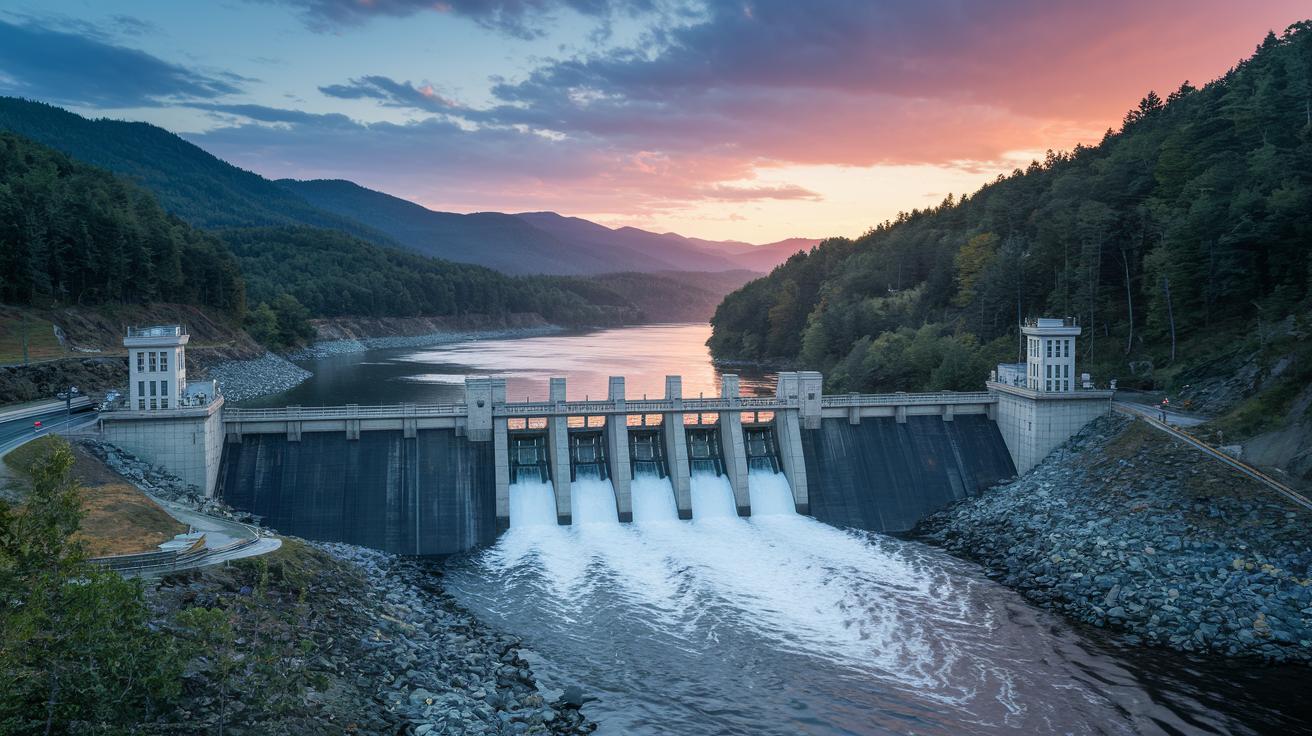
Big hydroelectric dams use the powerful rush of water to create lots of energy. Water speeds through turbines, spinning them to produce hundreds of megawatts. Ever seen a giant river turning into the power behind a bright city? That’s what these dams do.
Then there are run-of-river setups. They work with nature’s own flow and usually produce between 10 and 50 megawatts. They’re perfect for small towns and country spots, where the river’s gentle journey over turbines keeps energy steady and reliable.
Out by the coast, tidal stream turbines capture the natural push and pull of ocean tides. They use the predictable beat of the sea (you know, like clockwork) to spin their rotors, turning every tide into clean power while keeping the ocean life happy.
Wave energy converters take a slightly different approach. These little devices ride the up-and-down motion of ocean waves, turning that rhythmic dance into electricity. Imagine catching a ride on each wave and turning it into energy, that’s the idea behind these systems.
Biomass and Biofuel Demonstrations
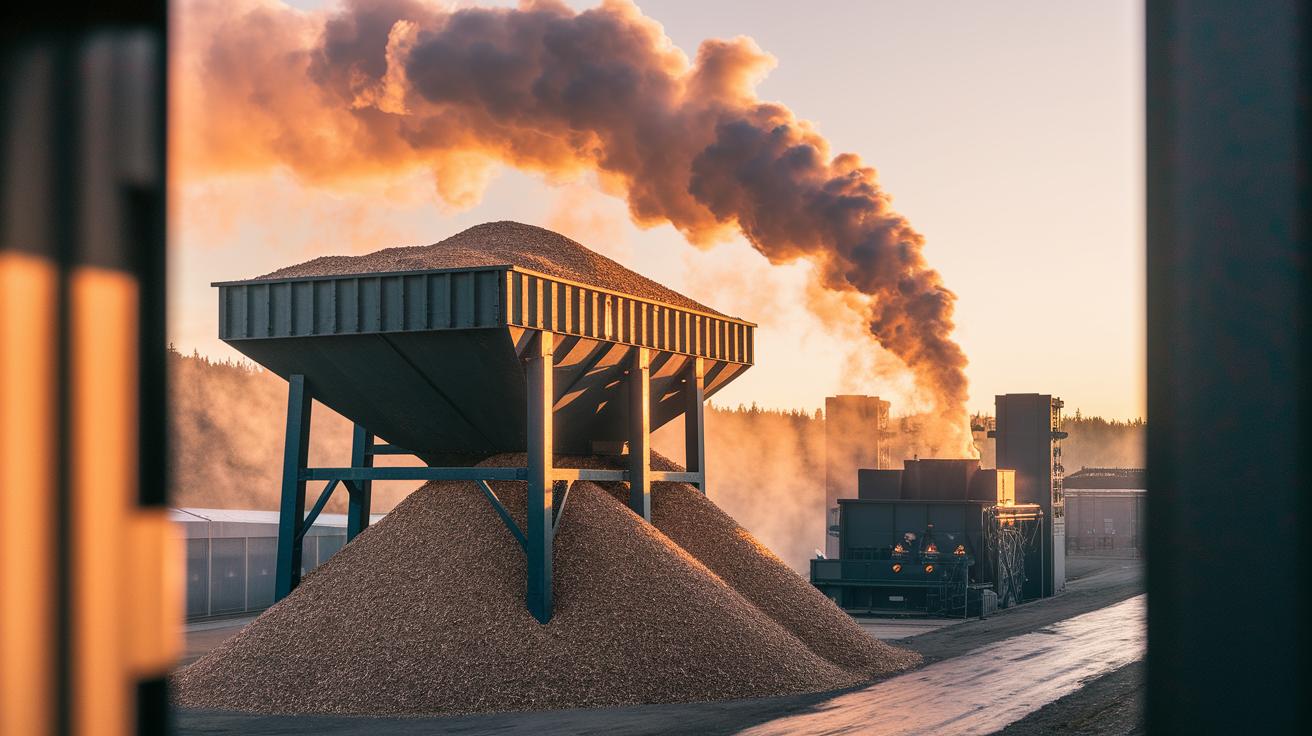
Combustion Systems
Imagine tossing wood chips or crop scraps into a boiler much like you’d add dry leaves to a campfire. The heat makes water turn into steam, powering turbines at about 20–25% efficiency. It’s a simple setup that turns everyday waste into a handy energy source.
Gasification Plants
In gasification, dried plant leftovers get transformed into syngas, a mix of carbon monoxide and hydrogen (a gas blend that helps power machines). This process fuels plants at up to 40% efficiency. Think of it like turning logs into a steady, controlled ember glow that heats your stove evenly.
Anaerobic Digestion Facilities
Here, organic waste is broken down without any oxygen, producing biogas that’s about 50–70% methane. This biogas can run heaters, generators, or even vehicles. It’s nature’s way of recycling, like turning garden clippings into a clean, useful fuel.
Each method shows how we can turn everyday natural waste into energy we can use for heat, power, and fuel. It's all about giving a second life to what nature leaves behind.
Innovative Renewable Technologies to Watch
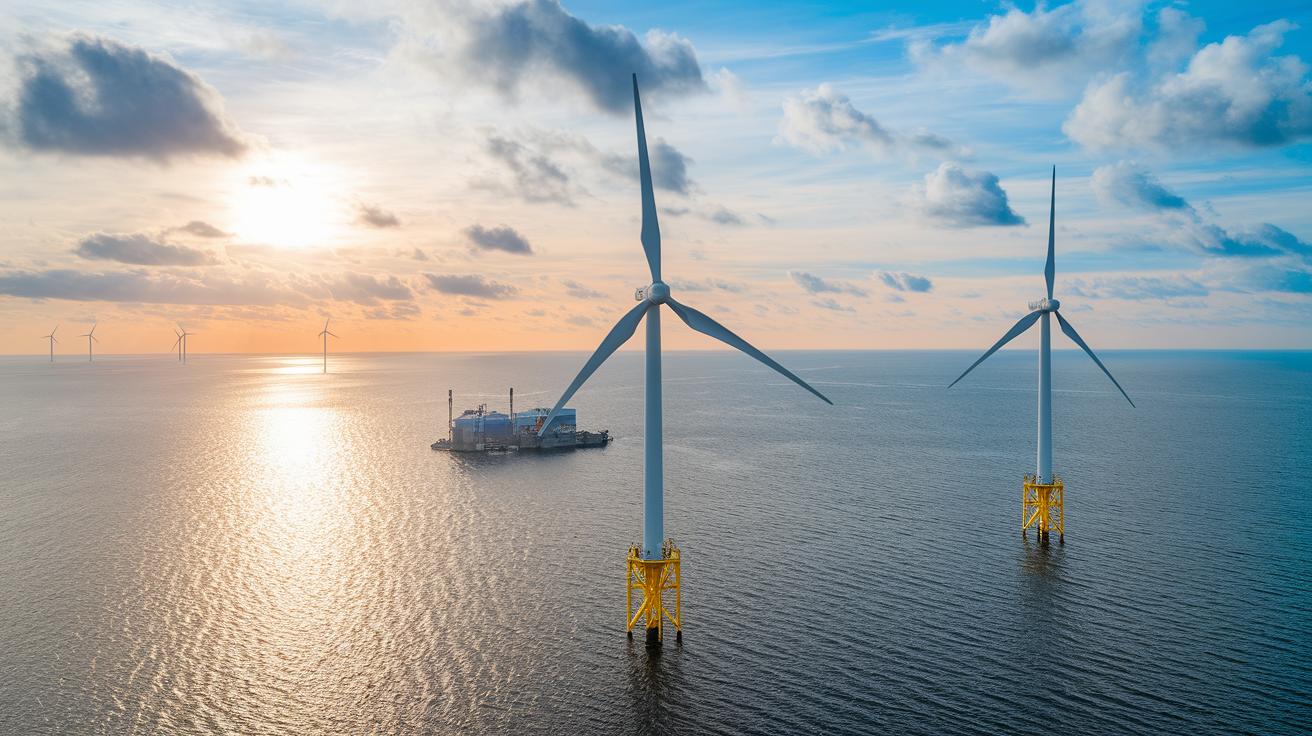
Ever thought about using Mother Nature’s own temperature tricks to create clean energy? Imagine tapping into the difference between warm surface water and the colder water deep in the ocean. Small pilot plants, under 10 MW, use this natural temperature swing to power engines that produce energy without any harsh chemicals. It’s a bit like how you might mix different ingredients on a campsite recipe to make something unexpected and helpful.
And then there are microgrids, a combination of solar panels, wind turbines, and high-tech storage systems, that build their own little energy networks. These local grids work independently when the big power grid goes down, offering communities and green projects a bit of extra peace of mind during outages.
Battery breakthroughs are also shaking things up. New solid-state battery prototypes are showing off 20–30% more energy capacity and faster charging times than the older lithium-ion models. This means less waiting around for energy and better support for the changing output of renewable sources.
Picture a future where every coastal town and remote village enjoys green power. With ocean thermal setups, local microgrids, and smart battery tech on the rise, the outlook for renewable energy is as bright as a sunrise over a quiet peak.
Fun fact to get you started: In some pilot studies, deep ocean water has helped power systems that light up a small town. Pretty incredible, right?
Final Words
In the action, we explored nature’s power through clear-cut renewable energy examples. We learned how solar panels, wind turbines, hydropower systems, and biomass conversion work to turn natural forces into electricity. Each section offered hands-on details and real-world figures so you can feel confident planning safe, enjoyable getaways.
This guide leaves you inspired by practical, eco-friendly approaches. Enjoy the ideas shared and step out with a renewed sense of energy for your next outdoor trip.
FAQ
What are examples of non renewable resources?
The question on non renewable energy examples means that fossil fuels like coal, oil, and natural gas are typical sources. These fuels are limited and cannot be quickly replaced by nature.
What are examples of renewable energy used worldwide and in the United States?
The question on renewable energy examples means that power from wind, solar, hydro, geothermal, and biomass is common. In the United States, solar farms and wind turbines are frequently found to produce clean power.
What advantages do renewable energy sources offer?
The question on the advantages of renewable energy highlights that these sources produce less pollution, help lower energy bills over time, and replenish naturally, keeping energy supplies sustainable.
What are 5 examples of renewable energy?
The question on 5 examples of renewable energy means that solar, wind, hydro, geothermal, and biomass are typical options. Each one uses natural forces to produce power with reduced environmental impact.
What are the 7 main sources of renewable energy?
The question on the 7 main sources of renewable energy means that solar, wind, hydroelectric, geothermal, biomass, tidal, and wave power each offer ways to harness nature for cleaner energy production.
What are 9 examples of renewable resources?
The question on 9 examples of renewable resources means that common types include solar, wind, hydroelectric, geothermal, biomass, tidal, wave power, biogas from organic waste, and ocean thermal energy, all of which naturally replenish.