

Have you ever paused to think about the marks we leave on nature with every step? Every little choice, from choosing the water we drink to the ride we take, adds up and shows how we touch the earth.
I like to imagine chatting around a campfire about how even small changes in our daily routine can make a big difference. Sometimes, just a tiny shift can help soften our impact on the world. When you break down where your resources go, it might change what you think a "green footprint" really is. Maybe it's time we all made kinder choices for our shared home.
Understanding the Green Footprint Concept
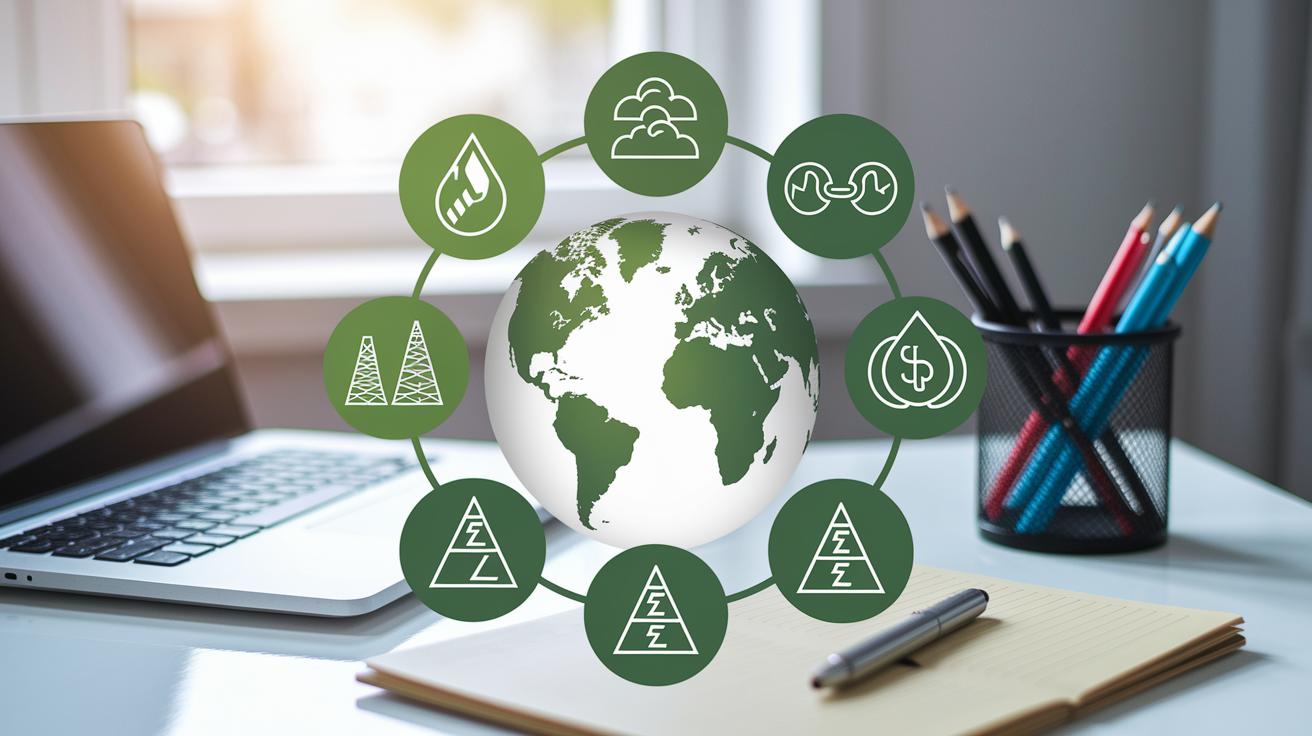
When we talk about the green footprint, it’s like checking how much we leave behind on our trails. It sums up everything, from the energy we use and the water we sip to the materials we need for everyday living. Think of it as a tally that shows how our choices, whether it’s the food we enjoy or the car we drive, pull on the earth’s resources or add to the clutter of waste.
This idea goes beyond just counting carbon gas or tracking water use. It paints a bigger picture, kind of like a complete map of our impact. Picture a product made in a factory. Its green footprint runs the full course, from the raw materials dug up, through its making, all the way to when it’s used and tossed out. That way, you see every little cost and benefit hidden in its journey.
This clear view helps us understand where our mark lies on our beautiful planet, letting us make kinder choices for the world we share.
Measuring Green Footprint: Organizational and Product Methods
Organisation Environmental Footprint (OEF)
OEF takes a friendly, down-to-earth look at how buildings, companies, or even public spaces use energy, water, and other resources, kind of like tracking every step on a long, winding trail. We slice the whole process into up to 15 clear parts, much like marking different waypoints on your favorite hike. For example, when you're checking out a commercial building, we note the energy used during construction, water consumed in daily operations, and even the waste created when the building is refreshed or taken down. This way, you can easily spot those rough patches and find a gentler, eco-friendlier route next time.
Product Environmental Footprint (PEF)
PEF zooms in on a single product, following its entire journey from start to finish. It begins with raw materials (the very first ingredients), moves through manufacturing and marketing, and goes all the way to disposal. Every bit of energy, every puff of emission, and every piece of waste gets noted along the way. This clear, step-by-step trail helps companies decide if their product is ready to earn an eco-label or if it needs a little tweaking for a greener path. Imagine it like planning the perfect day hike: you check each section to see where you can save energy and reduce your impact on nature.
Key Green Footprint Components: Water, Climate, and Waste
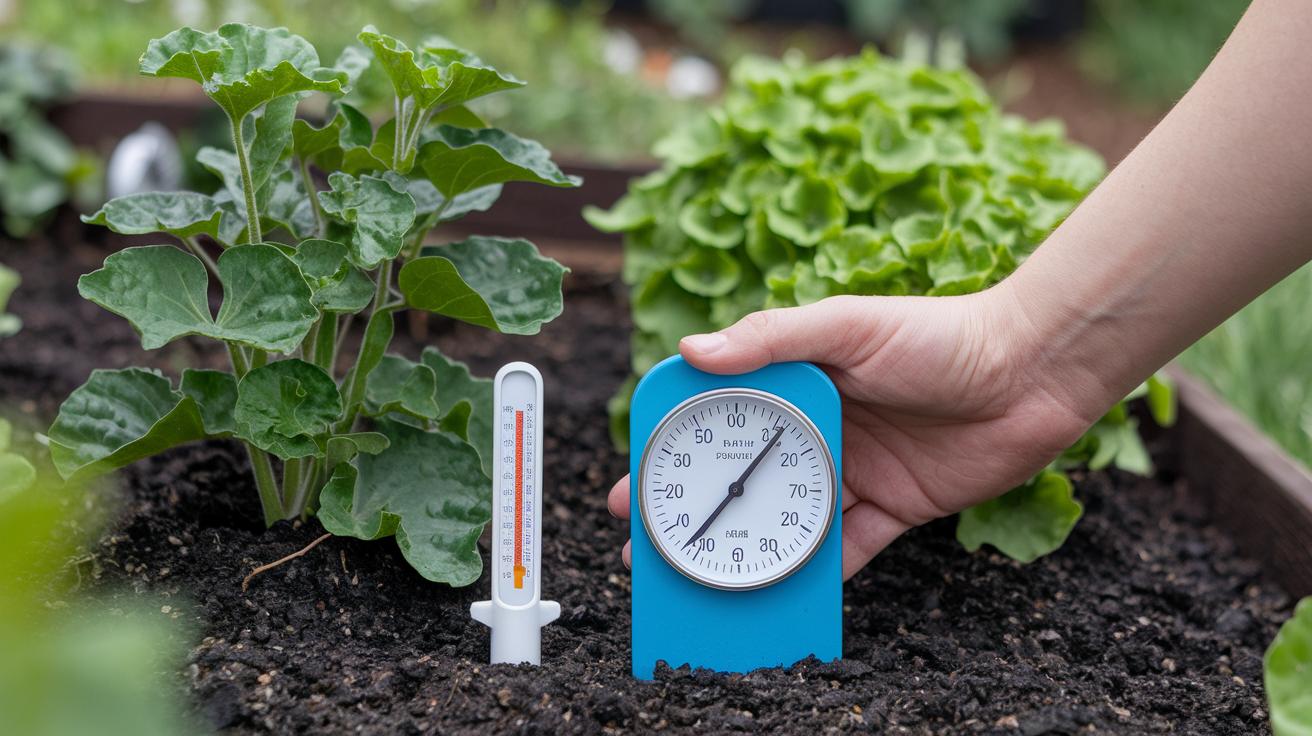
When we chat about our green footprint, we're really looking at how our everyday actions touch nature. Think of it like planning a safe hike where you leave no trace behind. First, we check how much water we use, just like counting every drop that helps plants grow. Next, we see if our activities add extra heat to the planet, making the air warmer. We also keep an eye on how quickly we use up nature’s gifts, or if we let gases and land changes mess up the fresh air we breathe. And don't forget about waste! The trash from our daily routines can spread pollution that even affects the plants and critters that call our neighborhoods home. Looking at all these parts helps us adjust our habits for a cleaner, kinder world.
- Water footprint: Shows how much fresh water goes into making products and services.
- Climate change footprint: Tracks the gases that warm our air and change our weather.
- Resource footprint: Checks if we’re using natural treasures fast and whether it’s keeping pace with nature.
- Atmospheric footprint: Looks at the gases released by our actions that can change the air and land.
- Waste footprint: Measures how spills and non-decomposing trash add to local pollution.
- Biodiversity footprint: Gauges how our everyday actions affect the health of local plant and animal life.
Practical Home-Based Strategies to Lower Your Green Footprint
Ever wonder if your home could help you save money while taking care of nature? You can claim green tax credits and tap into utility incentives to lower your energy bills and boost your savings. Think of it like finding a hidden stream on a well-worn trail, small changes around the house can pay for big upgrades. These rebates make it simple to swap old appliances or strengthen your insulation, easing both your expenses and our planet's load.
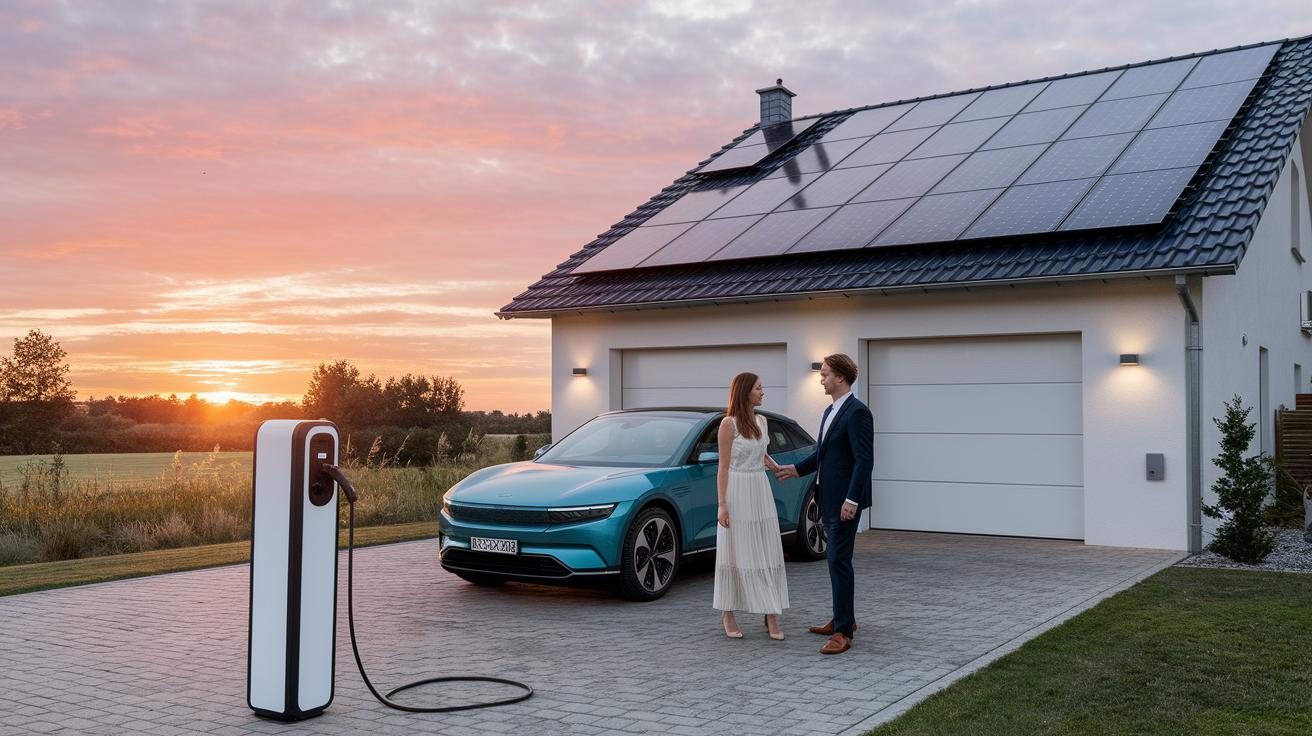
Upgrading home systems really adds up. Installing rooftop solar panels or adding an electric-vehicle charging station is like setting up a trusty base camp. Every piece works together to cut energy use and lower emissions. Not only will these changes shave down your power bills, but they also help keep our air and water clean for the days ahead. It’s just like tuning your gear for a smoother, more efficient adventure.
Adopting low-carbon habits daily is another smart move. Simple steps, like turning off lights when you’re not using them or choosing energy-saving devices, go a long way in reducing power use and emissions. Imagine winding down at night by dimming your lights and powering off gadgets, giving energy a little break. For a handy guide on more earthy tips, take a peek at these sustainable living suggestions.
Green Footprint: Inspiring Eco-Friendly Choices

There’s a green-energy company in Connecticut that digs into every detail like you’d plan a favorite hiking trail. They mix careful building audits with smart research on solar incentives and tax credits. Their crew checks every part of a building, from the energy it uses to the waste it makes, in a way that’s as clear as a well-marked path.
They use methods like carbon offset strategies (basically balancing out emissions) and track renewable energy imprints to help building owners lower running costs and ease the load on nature. For example, one tailored audit uncovered energy gaps that, once fixed, not only brought down bills but also left a lighter mark on our surroundings. It’s a lot like fine-tuning a camp stove for the best heat using less fuel.
Then there’s an agricultural learning community that’s been sharing practical insights through live webinars from 2013 to 2025. Their sessions cover everything from feed management to manure treatment and smart water use. Imagine a friendly roundtable where every tip is a step toward cutting waste and trimming emissions on farms. Their sustainable practices aren’t just plans on paper, they bring real improvements to animal care and crop support, showing what true eco-friendly leadership looks like.
| Case Study | Initiative | Outcome |
|---|---|---|
| Connecticut Green-Energy Firm | Building audits, solar incentive research, tax credit maximization | Lower energy costs and reduced environmental strain through carbon offset strategies |
| Agricultural Learning Community | Live webinars on feed management, manure treatment, sustainable water use | Improved farming practices that cut emissions and promote eco-friendly operations |
Tools and Benchmarks for Tracking Your Green Footprint
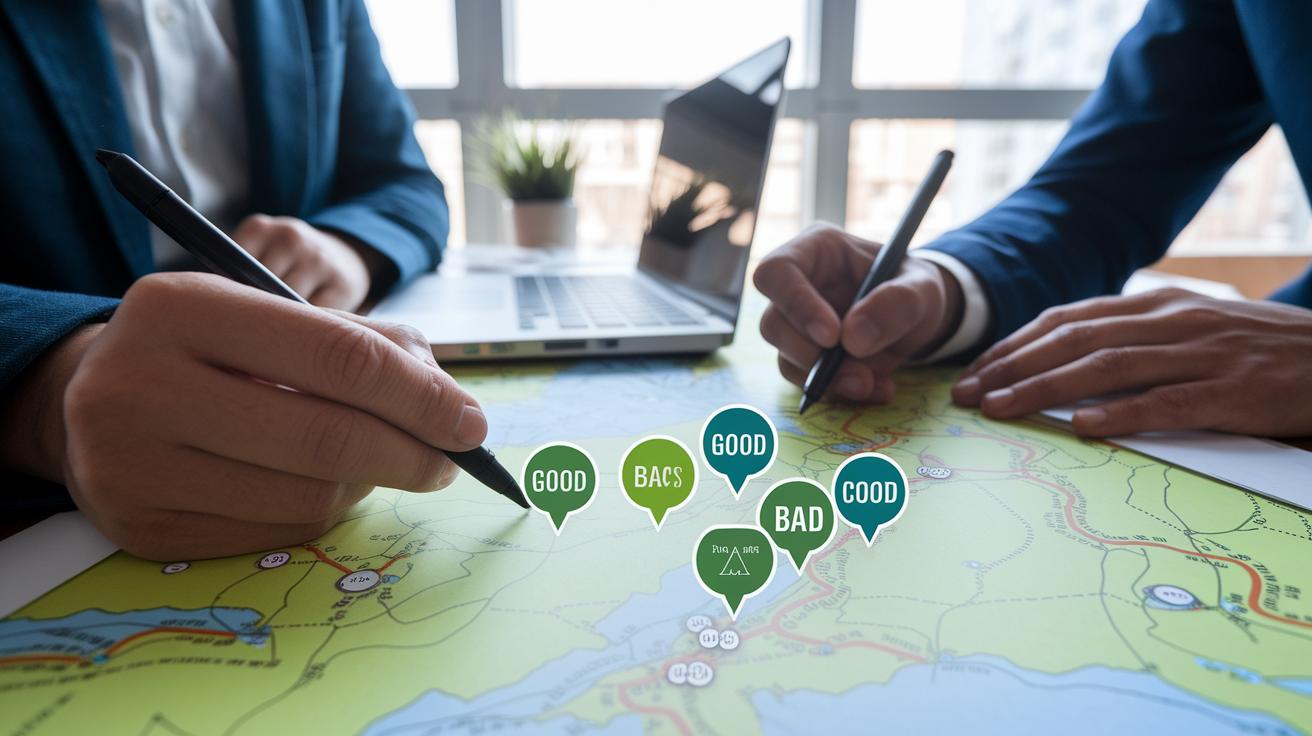
Effective tracking kicks off by spotting important environmental factors and grouping their effects as either good or bad in up to 15 different areas. It’s like marking trail signs along your hike, you can see where you’re treading lightly versus where you might be stepping too hard on nature. Many companies even bring in outside experts to get trustworthy data about how they use resources and handle waste. This info acts like a trusty map, showing which parts of your route need a little extra care for a smoother journey ahead.
After you’ve gathered your data, it’s time to set clear goals with simple eco markers, think of them as nature-friendly checklists. A solid corporate footprint report lists your goals, counts up the yearly use of energy, water, and raw materials, and uses these benchmarks to see whether your actions boost or lower your eco score. This way of keeping tabs helps companies tweak their habits and take steps toward a gentler impact on our shared outdoor world.
Final Words
In the action, we explored the ins and outs of the green footprint, breaking it down from the life-cycle metric to its measurement through OEF and PEF. We dug into the key components of water, climate, and waste, and shared home-based strategies for lessening your green footprint.
Real-world case studies and practical tools highlighted how everyday choices shape environmental impact. It's a reminder that every small step counts, making your setup a little greener and your outlook bright.
FAQ
What is an ecological footprint calculator?
What is a carbon footprint and how is it measured?
What are green footprint examples, and how were they applied in 2022 to support sustainability?
How does the carbon footprint calculator work for students?
What is an ecological footprint example?
What is the meaning of green footprint and environmental footprint?
What is the green carbon footprint?