

Have you ever thought that a few small choices could refresh the air around us? Back in 1285, when thick coal smoke filled the streets, people started to see the harm of dirty air. Friends like John Evelyn spoke up, urging a move toward cleaner living.
Today, that spirit lives on. Each little effort can lead us to crisp air and greener places. Every act matters. When we look after our home, we light the way to a brighter, fresher future.
Understanding the Green Movement: Origins, Principles, and Impact

The green movement got its start when folks began noticing that our world was getting hurt during the Industrial Age. Even way back in 1285, thick coal smog in growing towns had people worried about their health and the air they breathed. It’s like nature was whispering that we needed to be kinder to our home.
Then, in 1661, writer John Evelyn spoke up about London’s polluted air, sparking ideas that would grow into a full-fledged effort to protect our environment. Back then, people started shifting from just living alongside nature to actively banding together to care for it.
Over time, these early concerns turned into organized campaigns. People began pushing for conservation, fighting pollution, and using our resources wisely. Whether it’s in small community groups or big boardroom discussions, everyone’s chipping in, guided by both grassroots passion and solid science.
Today, the green movement stands strong all over the world. It reminds me of sitting around a campfire, where every little story counts and every small choice helps. Look at how folks are changing daily habits to cherish clean water, fresh air, and a balanced home for all of us. Ultimately, it’s a reminder that every effort, no matter how small, lights the way to a brighter, greener future.
Historical Milestones of the Green Movement

Back in 1285, heavy smoke from burning coal started to darken our streets. It was an early sign that dirty air could hurt our health. Imagine walking through a foggy alley, each step reminding you that the very air you breathe might be dangerous.
Then, in 1661, John Evelyn published his book, Fumifugium, to warn everyone about London's choking air. He didn't hold back as he described a city overwhelmed by pollution. His call for cleaner streets planted the seeds for change, nudging us to think about how little actions can help nature breathe easier.
In 1892, the Sierra Club sprang up in San Francisco. Ordinary people joined forces, bringing their passion for nature into a real movement for conservation. This group showed us how community spirit can turn everyday care into big changes for our environment.
By the mid-1900s, the fight for our natural world took a new turn with major laws. In 1948, the Federal Water Pollution Control Act was born and later got stronger in 1956, 1965, and 1976. Around the same time, college students and groups like the Flower Power movement got creative with urban rooftop gardens and recycling. Their hands-on push for better action still echoes in the laws we see today.
green movement Ignites Brighter Environmental Futures

Walker Reid Strategies and Blue Energy Group have joined forces, blending old-school community spirit with today's business smarts. It’s like mixing a time-tested recipe with new ideas to light the spark in clean energy and smart tech. Did you know small community efforts once laid the trail for the big environmental changes we see today?
Big businesses are now pitching in to back green ideas. They team up with local groups to roll out energy-saving projects, cleaner transit, and better waste reduction steps. Think of it like setting up a perfect campsite where every part works together smoothly, a fresh tech boost can do that for a whole neighborhood.
Hands-on projects and smart moves are showing how business and community can work side by side. Want more details? Check out sustainable practices to see how green choices are making a real difference.
Green Movement Policy Landmarks in the United States
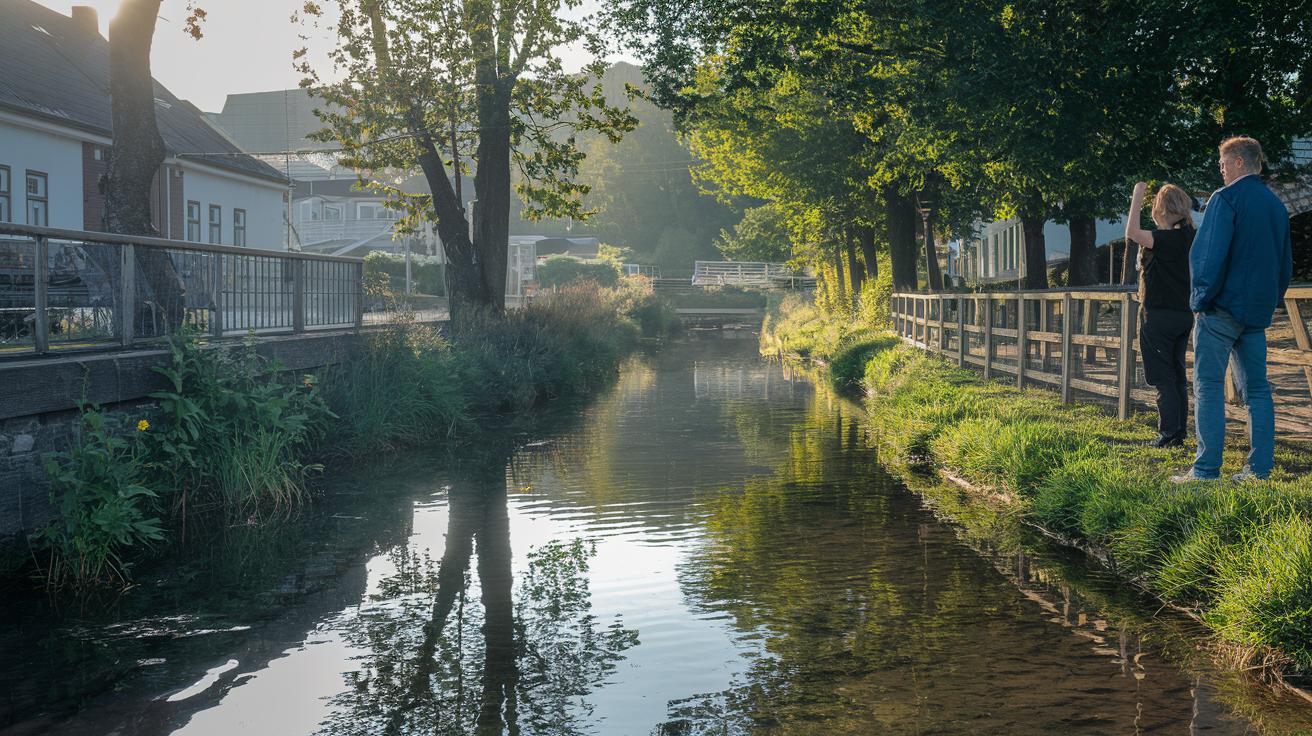
Back in 1948, the Federal Water Pollution Control Act set a high standard for keeping our water clean. Imagine a small town watching its stream become clear after years of neglect, it was a spark that inspired local action.
Then in 1956, new funding helped local teams upgrade their water treatment systems. Picture a community installing fresh filters so families could safely enjoy water that was once a concern.
By 1965, tougher water rules had everyone checking their local lakes and streams more carefully. Think of neighbors gathering samples to ensure their water stayed as pure as a cool mountain spring.
And by 1976, stronger enforcement meant local inspectors could check the water more often, keeping harmful pollutants at bay. It was like having regular walks along the river, always ensuring nature stayed as it should be.
| Policy/Law | Year | Impact |
|---|---|---|
| Federal Water Pollution Control Act | 1948 | Set high standards that inspired local clean water efforts |
| Amendments | 1956 | Provided money for local water treatment upgrades |
| Amendments | 1965 | Introduced stricter rules that got communities engaged in monitoring |
| Amendments | 1976 | Enhanced oversight, enabling local helpers to fight pollution more strongly |
Grassroots Green Movement Campaigns and Public Mobilization
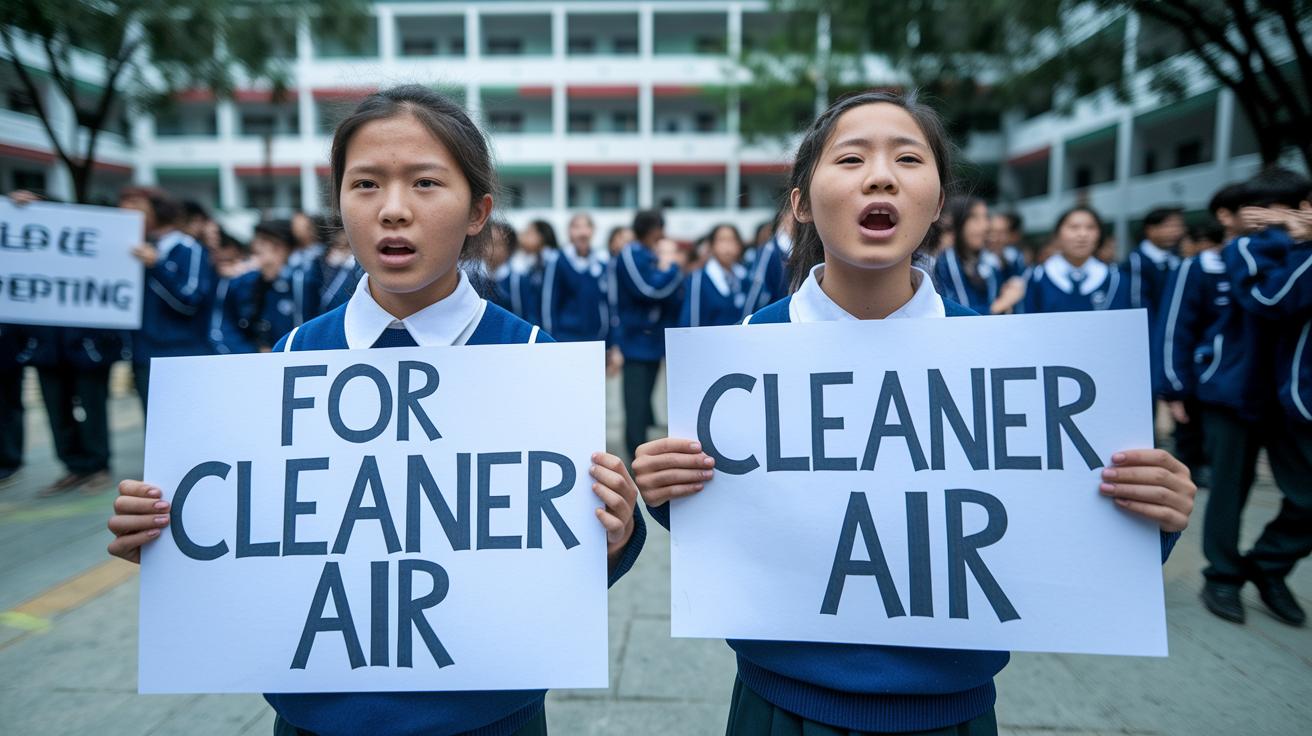
Back in the 1960s, everyday folks banded together with big hearts and clear goals. Students and other free-spirited groups hit the streets, holding bold campus rallies for cleaner air and water. Imagine a sunny schoolyard filled with determined faces, holding signs and chanting with hope for a greener tomorrow.
Community members weren't far behind. In neighborhoods, people started urban rooftop gardens and community garden projects that turned plain city spaces into little patches of nature. It was like setting up an impromptu picnic right in the heart of the city, a simple act that grew into a call for everyday sustainability. Neighbors also teamed up on recycling and waste-reduction projects, working together just like friends gathered around a cozy campfire.
Here are six key tactics that fueled this grassroots surge:
- Mass campus demonstrations calling for environmental laws
- Flower Power events inspiring organic living and public awareness
- Urban rooftop and community garden projects
- Neighborhood recycling and waste-reduction initiatives
- Citizen-led monitoring of water and air quality
- Petition drives and letter-writing campaigns to lawmakers
Each of these efforts built the momentum that nudged leaders to consider stronger environmental protections, all driven by the genuine spirit of community and a shared love for the great outdoors.
Innovative Green Movement Strategies and Technological Advances

Walker Reid Strategies and Blue Energy Group mix old-school consulting with modern clean-energy planning. It’s like a camp cook blending a trusty family recipe with fresh, local ingredients. Each partner adds its own special flavor, turning big community projects into real, practical clean-energy solutions.
Lately, we’ve seen exciting leaps in solar panels, wind turbines, and smart-grid tech (that’s the system helping balance energy use). Picture a bright solar panel soaking up the morning sun or a wind turbine gracefully turning in a gentle breeze. These clean-energy tools team up with local efforts to give us fresher air and water.
Local communities are getting hands-on with these innovations, setting up small solar farms and smart grids just like you’d pitch a tent under a clear, starry sky. This blend of smart tech and neighborhood know-how helps people push for policies that pave the way to a sustainable, cleaner life.
Global Reach and Future Directions of the Green Movement
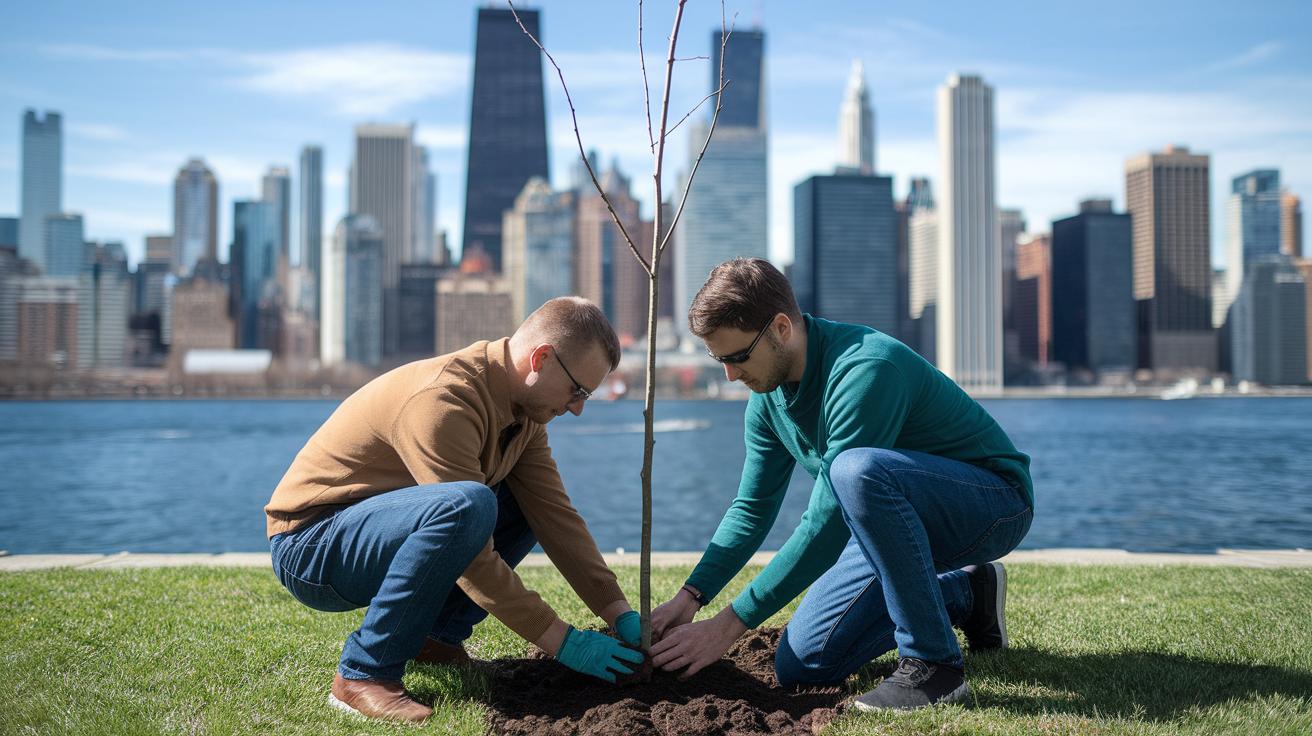
The green movement started long ago, back when people worked closely with nature before factories took over. Early folks learned to live in balance with the outdoors, but as cities grew, problems like polluted air and water began to show up. Today, local protests and new rules work together like a well-worn trail, pointing the way to a future where we respect our planet.
Across the world, faster travel, the internet, and digital tools are spreading the green message. It’s kind of like sitting around a campfire and trading tips to stay warm. This sharing has sparked global teams of leaders and everyday nature lovers working on eco-friendly policies. Ever thought about how online groups come together just like local community boards, only on a whole new scale?
Looking ahead, new technology and fresh ideas promise exciting changes. Governments, businesses, and community groups are testing out ways to combine smart energy tricks with eco-friendly buildings, like setting up camp with modern gear that still feels natural. Soon, stronger partnerships and smart tools could help everyone pitch in, making care for the environment a team effort shared by all.
Final Words
in the action, we see how the green movement took shape from early warnings about pollution to grassroots campaigns and modern eco policies. The post traced its beginnings, highlighted landmark figures and policies, and showed us innovative strategies reshaping clean energy ideas. We walked through key moments, from historical smog issues to community-driven recycling programs, and witnessed how today’s tech and activism push sustainable practices forward. Each step in the evolution shines a light on how the green movement continues to inspire safe and lasting changes. Stay curious and keep exploring nature’s wonders.
FAQ
What is the green movement?
The green movement signifies efforts to safeguard nature by reducing pollution, conserving resources, and pushing for laws that help people live in cleaner surroundings.
What caused the Green Movement in Iran?
The green movement in Iran was sparked by public discontent following disputed election outcomes, where citizens demanded both fair political practices and a healthier environment.
What happened during the 2009 Green Movement?
The 2009 green movement brought widespread protests in Iran as people rallied against questioned election results and called for reforms in governance and environmental standards.
What are the core beliefs of the green movement?
The core beliefs center on reducing pollution, protecting natural resources, and encouraging habits and policies that lead to cleaner air and water for everyone.
What is the green movement’s role summary?
The green movement plays a role in shaping laws, guiding business practices, and inspiring grassroots actions that promote a cleaner, healthier environment.