

Ever thought your perfect escape might be just a step away? At Rocky Mountain National Park, trails offer breathtaking views and the crisp mountain air that can lift even the weariest spirit. Some paths lead you on a gentle walk by sparkling lakes, while others invite you to challenge yourself with a tougher climb (a rewarding struggle). Imagine taking a deep breath as you wander along a well-worn trail, each turn making you feel more alive. This guide offers a variety of trails so you can pick one that perfectly suits your pace and passion.
Comprehensive Overview of Rocky Mountain National Park Hiking Trails
Rocky Mountain National Park has trails for every kind of adventurer. Whether you're in the mood for a gentle, lakeside stroll or a bold, uphill challenge, you'll find a path that fits. With at least 15 standout hikes, each step takes you deeper into Colorado's wild outdoor charm.
Imagine starting your day at Bear Lake. This easy 0.6-mile loop is a favorite for families and beginners alike. It feels as warm and familiar as a well-loved trail passed down through generations.
Other routes shine in their own way. Try the Nymph, Dream, and Emerald Lakes loop, a 3.6-mile round trip that winds past bright alpine lakes, playful waterfalls, and rugged cliff faces. Did you know Bear Lake was once a hidden treasure for locals who craved an easy yet memorable forest walk?
If you're up for a real challenge, Longs Peak awaits. This 14-mile round trip climbs up to 14,259 feet. At the summit, you'll be treated to sweeping views of craggy ridges and gentle meadows glowing at sunrise and twilight.
Every trail in the park is neatly mapped out with clear distance markers and terrain details. These guides help you choose a path that matches your pace and fuels your spirit for outdoor fun.
Classifying RMNP Hiking Trails by Difficulty Levels
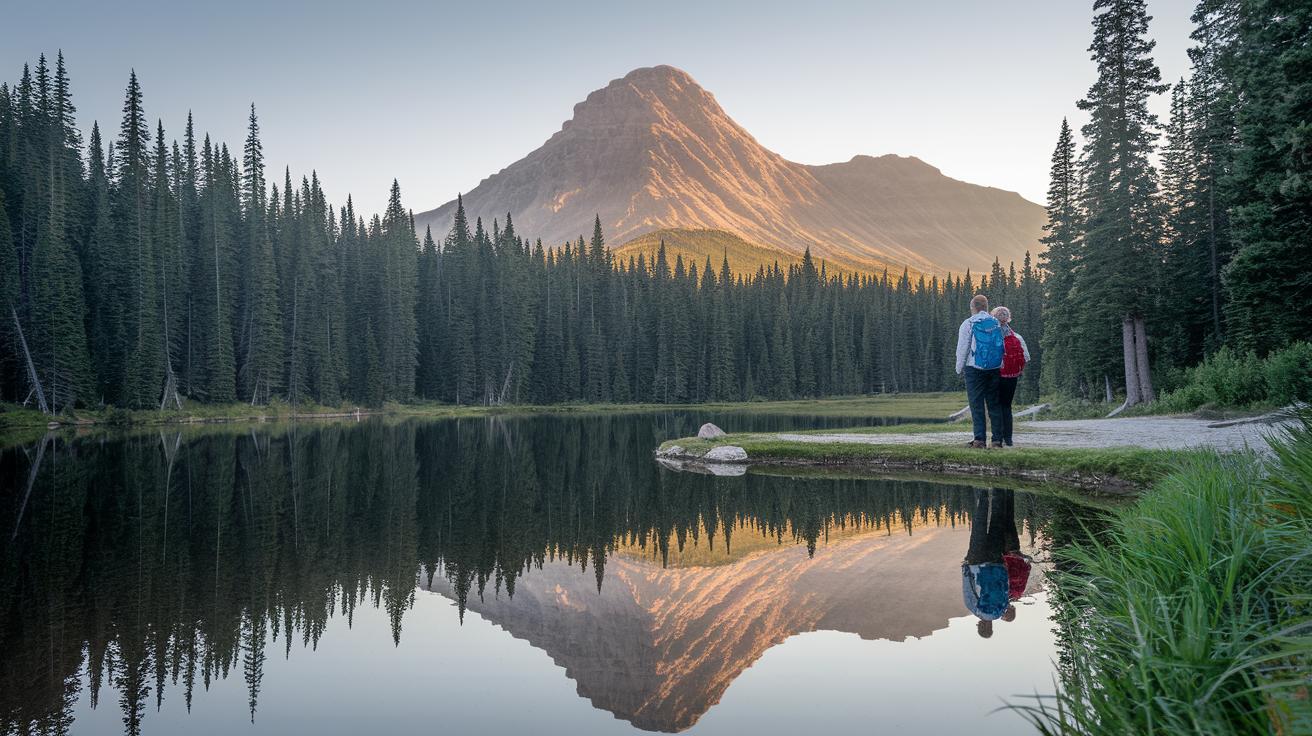
When you hit the trails at RMNP, you'll notice they rate them pretty simply. Easy hikes score under 5, moderate ones fall between 5 and 10, and if you're set on a real challenge, strenuous trails score above 10. It’s an easy way to pick a trail that matches your energy and pace.
Easy Trails
Easy trails are just right for a calm outdoor day. Take the Bear Lake Loop, for example, a 0.6-mile flat walk that's friendly for everyone. Then there’s Sprague Lake with its 0.7-mile gentle path. Imagine starting your day with a soft breeze and the quiet sounds of nature, letting you enjoy the fresh air without overdoing it.
Moderate Trails
If you’re looking for a bit more of a workout without the extreme effort, moderate trails are your go-to. Alberta Falls, for instance, is a 1.7-mile round trip with about 200 feet of climbing (just enough to wake up those legs) and a pretty view of a waterfall. The Alpine Ridge Trail, while only 0.5 miles round trip, packs a steep climb that might leave you catching your breath, but it’s worth it for that rewarding view.
Strenuous Trails
For those who crave a real test of strength, the strenuous options won’t disappoint. Sky Pond offers a thrilling 9-mile round trip that even includes crossing a river now and then. And for the ultimate challenge, Longs Peak gives you a 14-mile round trip with a whopping 5,000-foot climb to a summit at 14,259 feet. Imagine that rush when you stand on top of a rugged peak, every step feeling like a true victory.
| Trail Name | Distance (MI) | Elevation Gain (ft) |
|---|---|---|
| Bear Lake Loop | 0.6 | Flat |
| Sprague Lake | 0.7 | Minimal |
| Alberta Falls | 1.7 (RT) | 200 |
| Alpine Ridge Trail | 0.5 (RT) | Steep |
| Sky Pond | 9 (RT) | Variable |
| Longs Peak | 14 (RT) | 5000 |
Top Scenic Lake and Waterfall Hiking Trails in RMNP
If you’ve already explored trails like Nymph, Dream & Emerald Lakes, Alberta Falls, and Sky Pond, then you’re in for a treat with Mills & Black Lakes and Deer Mountain. These spots offer fresh adventures that bring out the beauty and spirit of RMNP.
Mills & Black Lakes is a 6-mile round trip that feels like stepping into a postcard. Imagine glacial lakes nestled among rugged, open spaces. The clear water mirrors the craggy peaks, creating a view that’s both striking and soothing. Picture yourself on a high ridge, watching the sun cast playful glints on a sparkling lake, it’s the kind of scene that makes you pause and soak it all in.
Over at Deer Mountain, another 6-mile journey leads you to a lookout that crowns Bear Lake with a brilliant glow. Standing there, you take a deep breath and let the sweeping view fill you with wonder. It’s like reaching a quiet plateau where every step, every climb, was totally worth it.
Navigating Permits, Reservations, and Access for RMNP Trailheads
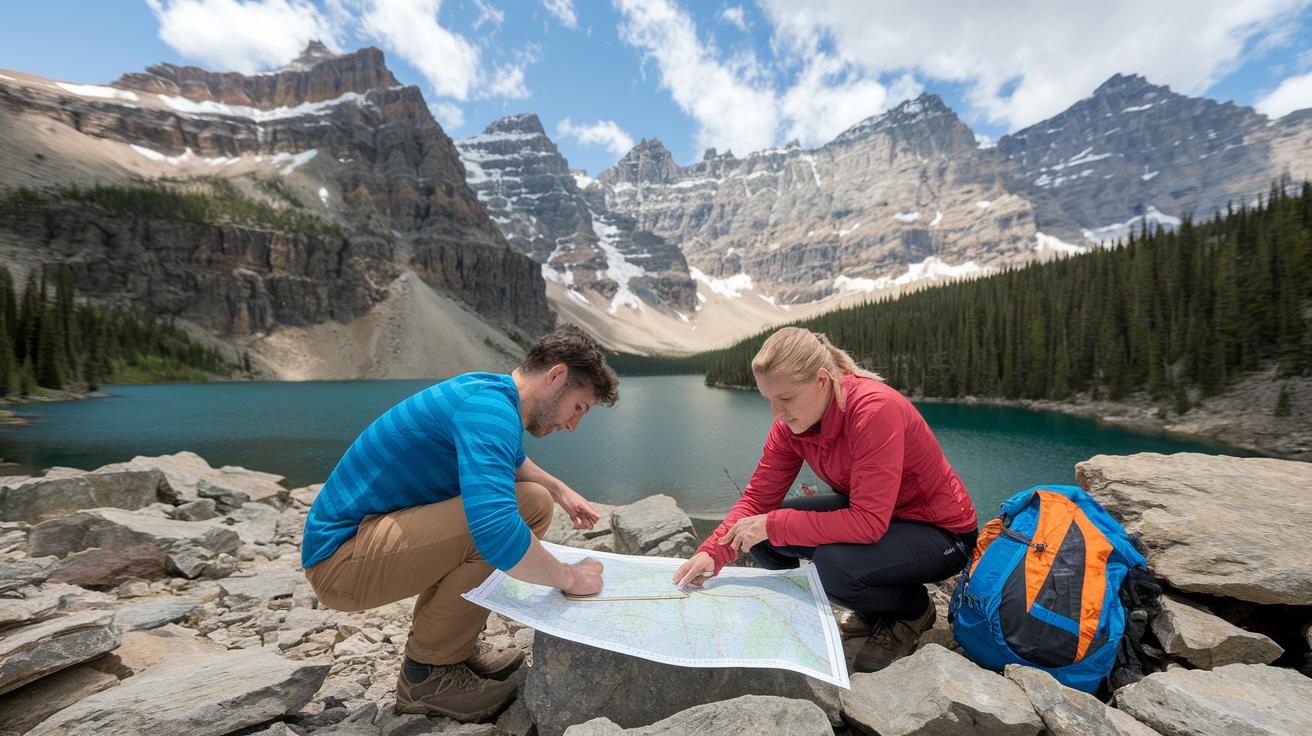
If you’re planning to explore the summer Bear Lake Corridor, you’ll need a timed-entry reservation from May through October. It’s best to book your spot anywhere from 2 to 90 days before you go, so you’re all set and can enjoy the trails like a quiet morning in the mountains.
Thinking of climbing Longs Peak? You’ll need a summit permit for that steep adventure. The permit season kicks off in early March, so it’s smart to snag one before you head out. Plus, don’t forget to grab a park pass, a $25 per vehicle pass that works for 1 to 7 days, giving you the freedom to wander through many trails.
Trail Ridge Road closes up for the season from mid-October to late May, and spots like Glacier Gorge and Many Parks Curve might be out of reach during that time. Keeping an eye on weekly updates from the National Park Service is a good idea to plan your trip right.
Before you hit the trail, make sure all your permits, reservations, and park pass details are sorted. That way, your time in RMNP will be smooth and stress-free.
Seasonal Conditions and High-Elevation Weather Tips for RMNP Trails
When you head out for a day in the park, expect surprises from nature. Snow can still be found on trails above 10,000 feet until late June. Imagine walking on a bright trail only to spot little patches of snow sparkling like crystals, a quiet hint of winter still lingering in the high air.
In July and August, always keep an eye on the sky. Quick afternoon thunderstorms can pop up, and lightning is most common between 1 and 3 PM. Ever had to duck under a strong tree when a sudden shower hit? It’s a reminder to stay ready. For safer exploring, the best time is from July 1 to September 30 when skies are steadier.
Before you tackle trails that soar over 12,000 feet, try spending one or two nights at 8,000 to 9,000 feet. This helps your body adjust to the thinner air. And remember to check seasonal condition reports and listen to high-elevation weather updates. This little prep work makes your adventure not just epic, but smart too.
Essential Gear and Safety Strategies for Rocky Mountain National Park Hiking Trails
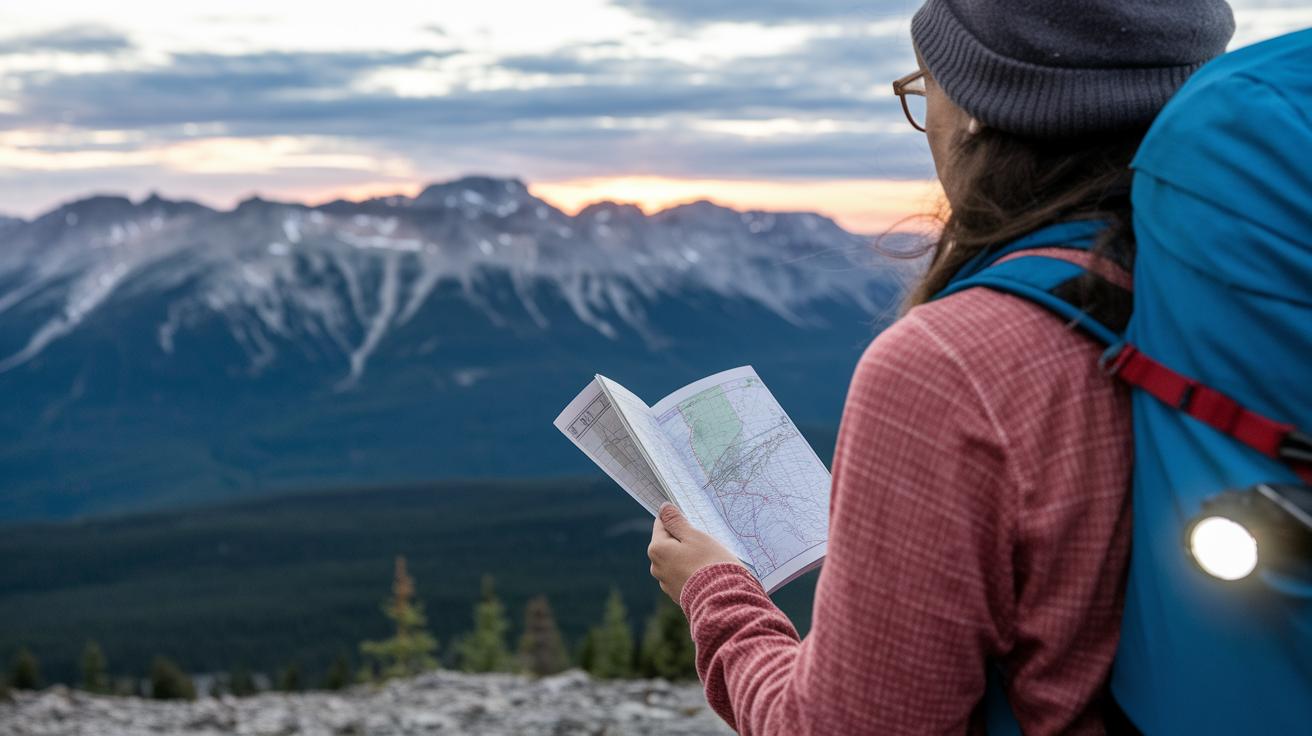
Before you hit the trail at RMNP, make sure you pack the skills you need to stay safe. Bring along the "Ten Essentials" like a detailed map, a compass or GPS (helps you find your way), and a reliable headlamp for those early mornings or late evenings. Also, pack a first-aid kit for any unexpected scrapes. A sturdy multi-tool (a handy gadget for quick fixes) is a must-have, too. And don’t forget sun protection, extra layers to handle a 30°F change, and a waterproof jacket that feels like a warm hug on a stormy day.
Snacks and hydration are key. Keep high-energy treats within reach, and carry at least 2 liters of water along with a water filter to stay refreshed. Your choice of footwear is important, so opt for waterproof boots with solid ankle support to handle the rocky paths with confidence.
Navigation isn’t just about paper maps. Use a topographic map or offline apps like Gaia or AllTrails to check trail markers. When you meet wildlife, keep your bear spray at least 25 feet away, make some noise to avoid surprises, and stick to the well-worn trails.
Before setting off, double-check your gear list. With everything sorted, you can focus on the beauty of the Rockies and enjoy your adventure with peace of mind.
Final Words
In the action of charting your next excursion, we covered every base, from easy loops by Bear Lake to heart-pounding ascents like Longs Peak. The guide broke down trail difficulties, shared scenic lake spots, and offered practical permit advice with gear tips and weather insights. Each section paints a picture of variable paths and safety strategies tailored for all skill levels. Step out with confidence knowing that rocky mountain national park hiking trails promise clear routes, uplifting experiences, and plenty of reasons to smile as you explore the great outdoors.
FAQ
What does “Rocky Mountain National Park hiking trails PDF” mean?
The inquiry about a hiking trails PDF means many visitors seek a digital guide with maps, mileage, and elevation details to help plan a clear, efficient hike in the park.
What does “Best Rocky Mountain National Park hiking trails” and “Best hikes in Rocky Mountain National Park not on Bear Lake Road” mean?
The query means thoughtful hikers look for top trails away from the usual Bear Lake Road, offering scenic views and varied challenges for a more intimate park experience.
What does “Rocky Mountain National Park hike reservations” mean?
The question about hike reservations means you need to book permits for busy areas—like Bear Lake Corridor—and summit permits for popular peaks, ensuring a smooth and secured park visit.
What does “Best day hikes in Rocky Mountain National Park” and “Best hikes in Rocky Mountain National Park for families” mean?
The inquiry means families can enjoy well-suited, day-long trails like Bear Lake and Sprague Lake that offer gentle paths, great views, and engaging outdoor fun for all ages.
What does “Emerald Lake trail Rocky Mountain National Park” mean?
The query about the Emerald Lake trail means hikers can experience a charming route with alpine lakes and scenic vistas, providing a refreshing glimpse into RMNP’s diverse scenery.
What does “Rocky Mountain National Park hiking trails map with mileage” mean?
The question means visitors can look for maps that clearly list trail distances, elevation gains, and points of interest, helping to plan a hike that matches one’s pace and abilities.
What does “What is the most beautiful hike in Rocky Mountain National Park?” mean?
The inquiry means many visitors favor trails—often including Longs Peak or Sky Pond—for their stunning views, gentle meadows, and vast open sky that create unforgettable scenic moments.
What does “What are the big 3 hikes?” mean?
The question means hikers often reference a trio of standout trails—combining breathtaking views and rewarding challenges—that capture RMNP’s essence, each highlighting a unique aspect of mountain scenery.
What does “Do I need bear spray in Rocky Mountain?” mean?
The inquiry means carrying bear spray is recommended near wildlife areas, as it boosts safety during encounters, aligning with park guidelines for responsible outdoor practices.
What does “What is the easiest trail in Rocky Mountain National Park?” mean?
The question means that the Bear Lake loop is widely seen as the simplest option, offering a flat, accessible path that’s perfect for relaxed walks and early outdoor exploration.
What does comparing RMNP with Glacier, Yellowstone, Yosemite, Zion, and Acadia mean?
The inquiry means RMNP stands out with its high-altitude trails and varied terrain, offering a mix of intimate, alpine paths in contrast to other parks known for dramatic geysers, rock formations, or coastal vistas.