

Have you ever wondered why some campers spend their nights swatting bugs while others sit back and enjoy the stars? It’s not just luck, it’s about having the right gear.
Imagine a night outside where you hear only the soft rustle of the trees and no constant buzzing or biting. With a bug spray that lasts into the late hours, treated clothes that help keep little critters at bay, and a net that wraps your tent in a cozy safe zone, your outdoor night turns peaceful.
In this guide, we share simple gear tips and fixes so you can relax and truly enjoy a bug-free camping adventure.
Primary camping insect protection gear and strategies
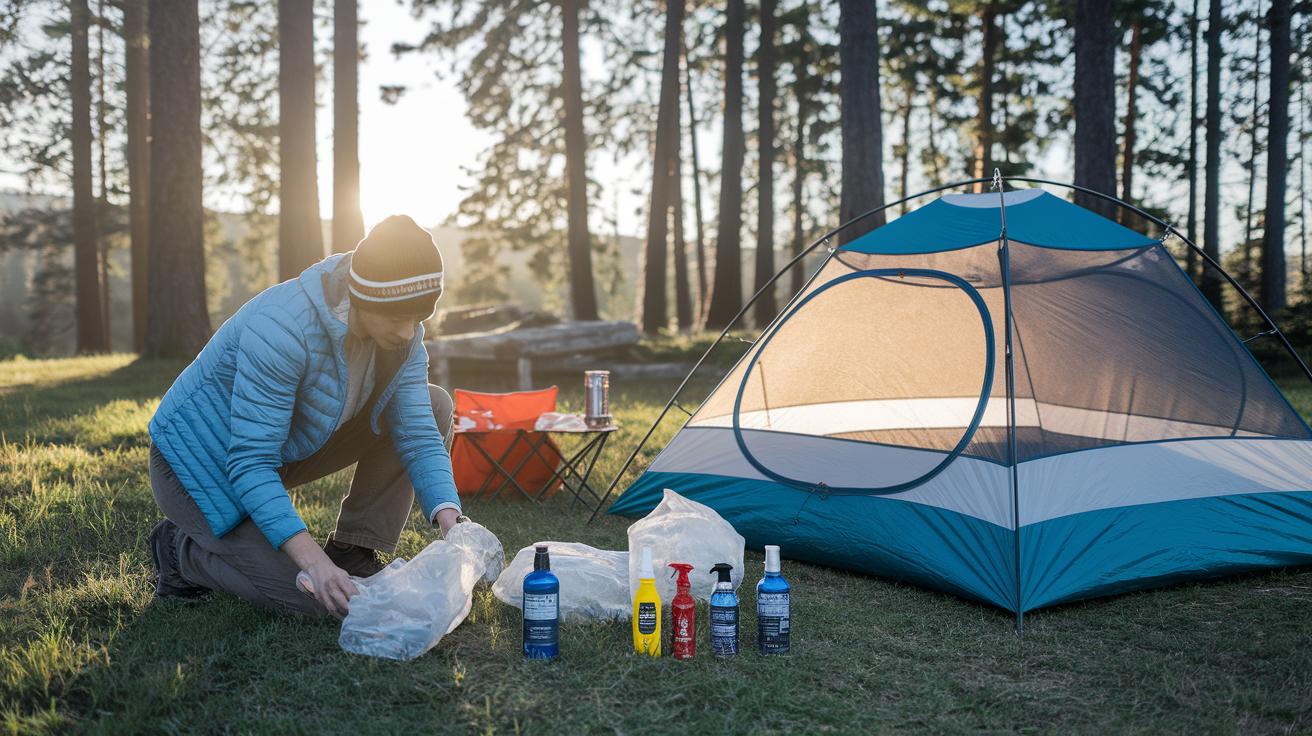
When you're packing for a camping trip, start with the must-have gear. Mosquitoes love warm, damp spots near ponds or bogs, and ticks hang around grassy or wooded areas. So, pack a variety of bug repellents, skin-friendly lotions, nets, and treated clothes to keep those pests away. You might want to try a DEET spray (20–30% strength) to cover your skin for several hours, just spritz on and enjoy your adventure.
Then, set up a physical barrier with nets. Think of using tents with built-in mesh or a screen-room to create a safe zone. Even a small rip in your netting can let bugs slip in. Check it before each trip, just like you’d patch up a favorite pair of boots to keep them trail-ready.
Layer your defense by wearing treated clothes such as permethrin-treated shirts, pants, and gaiters. These outfits, made from loose and breathable fabrics like linen or synthetic blends, not only keep bugs at bay but also help you stay cool as you explore. And hey, a little battery-powered fan by your cooking spot can confuse mosquitoes, making it tougher for them to settle in.
Before you head out, take a look at the master list on the camping essentials checklist so you don't forget anything important. Lastly, choose a campsite on dry, raised land away from standing water. A smart location is the first step in keeping those pesky insects away.
Comparing insect repellent types for camping
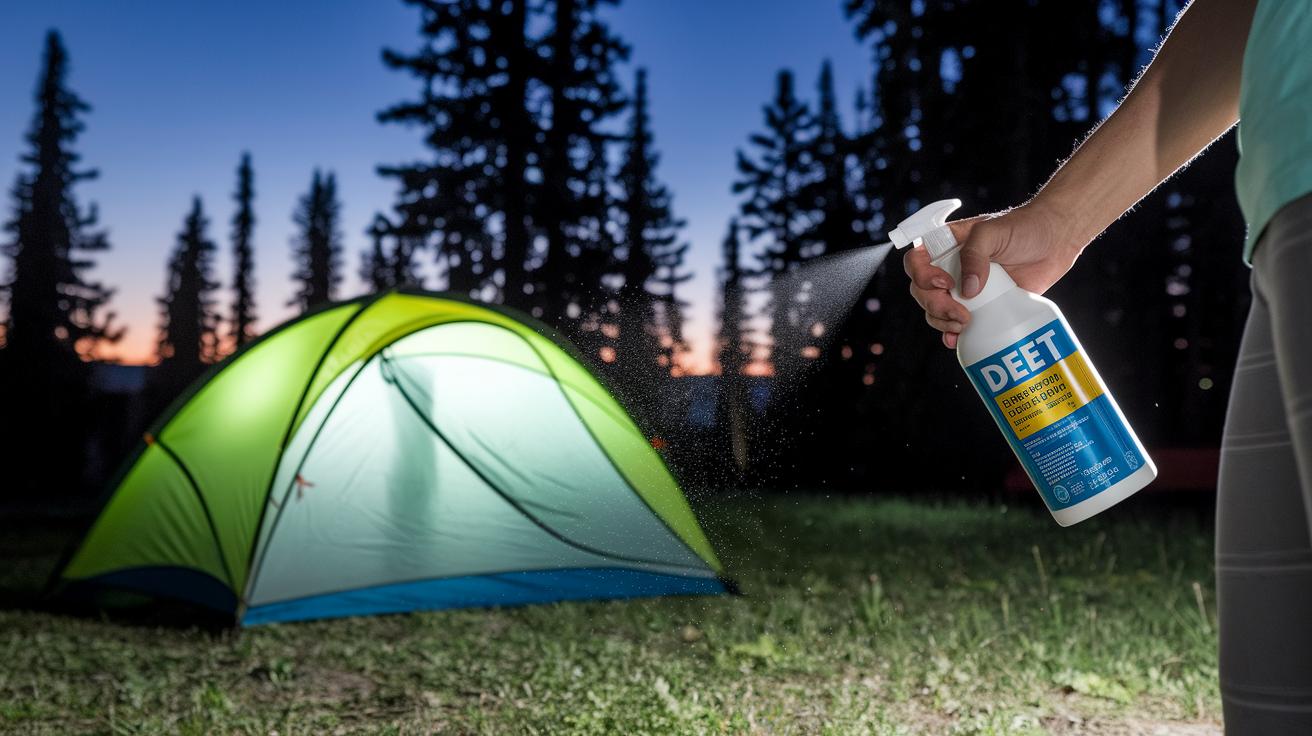
When you're out camping, the last thing you want is a swarm of bugs ruining your adventure. There are a few choices to keep those pesky insects at bay using sprays or even a battery-powered diffuser. For example, a DEET spray with 20–30% concentration works for about 4–6 hours. It does a good job but can sometimes irritate your skin or eyes and has a strong smell, like that one snack that just sticks with you.
Then there’s the picaridin spray which offers similar protection. It smells much milder, making it a friendlier pick for those long camping trips. If you’d rather keep things chemical-free, you might try a plant-based spray made with oil of lemon eucalyptus (OLE). This natural option works for around 4 hours and is great if you want to stay away from synthetic ingredients.
Another solid option is a battery-powered diffuser that uses metofluthrin. This gadget lasts for 8–12 hours and blocks out 84–100% of mosquitoes, which makes it a strong choice when you’re setting up camp for a long stay.
| Repellent Type | Active Ingredient | Effective Duration | Notes |
|---|---|---|---|
| DEET-based Spray | 20–30% DEET | 4–6 hours | May irritate skin/eyes; strong odor |
| Picaridin Spray | Picaridin | 4–6 hours | Smoother scent, similar efficacy |
| Plant-based Spray | Oil of Lemon Eucalyptus | Up to 4 hours | Chemical-free option |
| Battery-powered Diffuser | Metofluthrin | 8–12 hours | Blocks 84–100% of mosquitoes |
This guide lays out the basics to help you pick the best bug protection for your camping trip. For instance, if you want a mild scent and solid protection without the harsh odor, you might give the picaridin spray a try. Happy camping, and may your nights be peaceful and bite-free!
Camping insect barrier netting and shelter options

When you're out in nature and settling in for the night, a strong bug barrier is a must. Even a tiny tear in your tent's mesh can let mosquitoes in, so take a peek at your netting now and then to stay worry-free.
Here are five great ways to keep the bugs at bay while you cook and sleep:
- Integrated mesh tents: These tents come with built-in nets that wrap around you, giving full shelter so you can sleep tight. Check out tent camping essentials for a few solid models.
- Freestanding screen rooms: These portable rooms snap onto your RV or car-camp setup. They create a roomy, bug-proof spot where you can kick back.
- Hammock nets: Perfect for hammock lovers, these light nets keep little insects away while you drift off under the stars.
- DIY PVC-frame nets: A fun, budget-friendly project that covers your cooking area or gear. These nets add extra protection without costing a fortune.
- Head nets: A simple, personal shield that keeps bugs off your face while you snooze, without the bulk of extra gear.
Each of these ideas creates a solid barrier against flying insects, letting you enjoy the crisp night air without any pesky interruptions.
Protective camping apparel and treated fabrics

Wrap yourself in layers that don't just cover your skin, they fend off bugs too. Think loose, moisture-wicking fabrics like synthetic blends or linen. These materials keep you cool, dry, and act like a barrier against ticks and mosquitoes. And using fragrance-free body products? It helps you steer clear of unwanted bites when you're out enjoying nature.
Permethrin-Treated Clothing
For a real bug-blocking boost, try permethrin-treated clothing. Campers love these shirts, pants, and gaiters that get a light 0.5% EPA-approved spray treatment, lasting through about six wash cycles. Always be sure to handle them with care, wash your hands after adjusting or putting on your gear, and wait until the treatment fades before doing it again. It’s a bit like refreshing your favorite campfire brew: just enough to keep the magic alive without overdoing it.
Breathable Coverage Fabrics
When picking out your gear, simplicity is key. Linen offers a cool, breezy feel, nylon blends serve up durability, and engineered synthetics provide top-notch moisture control. Loose-fitting designs let air flow over your skin, which means less sweat attracting the bugs. Just like that perfect camp shirt on a warm summer evening, your clothing should feel free and light, letting you enjoy every step of the adventure.
Natural camping insect repellents and DIY recipes

If you're gearing up for a night under the stars and want to dodge pesky bugs, try these three chemical-free recipes. They use everyday ingredients and easy steps, just like planning a simple hike.
-
DIY Essential Oil Spray
• Grab a clean spray bottle and fill it with one cup of water.
• Add 10 drops each of citronella, lavender, eucalyptus, and cedarwood oils (these natural oils help keep bugs away).
• Shake the bottle well to mix the oils with the water.
• Lightly spray the mist on your skin and near your gear.
• Think of it like creating a fresh, natural mist that gently nudges bugs away. -
Vinegar Perimeter Spray
• In a spray bottle, mix one cup of white or apple cider vinegar with one cup of water.
• Add 10 drops of citronella oil to give it an extra bug-repelling boost.
• Spray the mixture evenly around your tent and seating areas.
• Imagine it as a natural barrier that keeps insects from venturing too close to your cozy spot. -
Herbal Sachets
• Fill small, breathable bags with a blend of fresh or dried mint, sage, and rosemary.
• Tuck these sachets near the doorways and windows of your tent.
• Their gentle herbal scent works like a small charm to keep flies and bugs at bay.
• It’s a bit like having your own natural repellent buddies, right by your side.
Enjoy your adventure, and may your campsite be as peaceful as a quiet forest trail!
Campsite selection and management for insect defense

When choosing your spot, look for dry, raised ground that keeps you well clear of still water, damp leaves, and puddles. Find a place that naturally cuts down on bug breeding areas and steer clear of ponds or moist patches where mosquitoes gather.
Keep your camp tidy to avoid bug hotspots. Store your food in sealed containers or hang it high in a tree, just like tucking your snacks safely away. This helps keep unwanted critters from being drawn in by the smell.
Make sure your cooking area stays clean and clear away any brush or leaf litter within about three feet of your tent. That way, there aren’t plenty of spots for insects to hide nearby.
Every day, do a tick check, look behind your knees, under your arms, around your waist, and remember to check your ears and hair. And here’s a quick checklist for keeping bugs at bay:
- Secure your food
- Keep your cooking area tidy
- Regularly inspect and clear the ground
By following these steps, you not only keep bugs away but also create a safe, cozy camp under the open sky.
Camping insect defense gadgets and tech tools
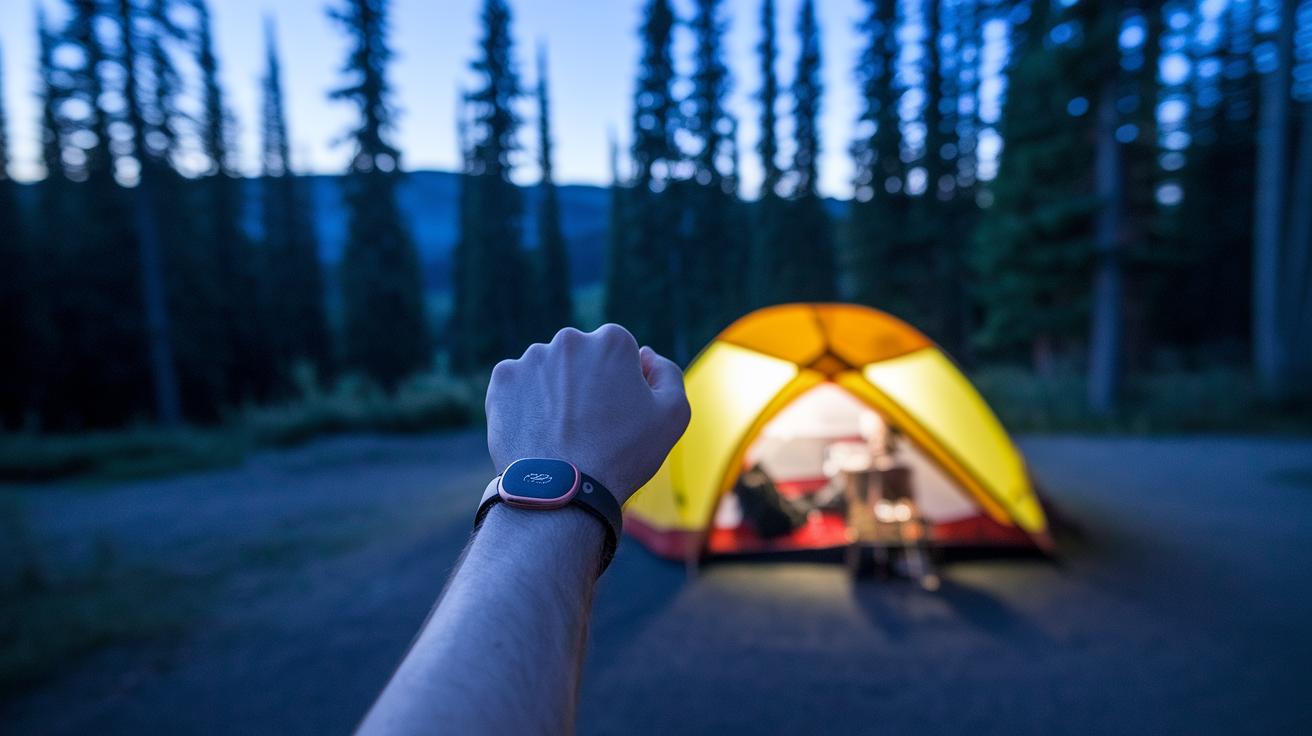
When you're out camping, the last thing you want is a flurry of bugs interrupting your cozy campfire talks or a relaxing meal under the stars. Rechargeable fans are a neat little gadget that helps keep mosquitoes away by creating a breeze strong enough to throw them off course. And if you're settling in for a long night, battery-powered diffusers with metofluthrin coils (a repelling chemical) can protect your area for up to 8–12 hours.
Wearable repellent bracelets are another cool option. These little bands release a gentle vapor that acts like your personal shield, so you can enjoy your meal or the calm night without constantly swatting at intruders.
For an extra layer of defense, portable CO₂ mosquito traps are a smart pick. They slowly release carbon dioxide to lure in the pests, then catch them, which means fewer bugs buzzing around your campsite, without you having to do much at all.
And then there are ultrasonic devices. They use sound waves to keep pests away, though their effectiveness can vary. They’re compact, easy to use, and perfect if you like a low-maintenance approach alongside traditional methods.
| Gadget | Benefit |
|---|---|
| Rechargeable fans | Creates airflow to keep mosquitoes off your seating area. |
| Battery-powered diffusers | Guards your space for up to 8–12 hours with repelling vapors. |
| Wearable repellent bracelets | Offers a personal barrier so you can relax without sprays. |
| Portable CO₂ mosquito traps | Lures and captures bugs with a steady CO₂ release. |
| Ultrasonic devices | Uses sound waves to nudge pests away with minimal fuss. |
With these clever, tech-forward tools, you add a modern twist to your insect defense. It’s like having a reliable sidekick, letting you focus on the simple pleasures of crisp air, warm firelight, and a sky full of stars.
Final Words
In the action, you explored top gear and smart strategies to keep bugs at bay. We covered trusted repellents, barrier nets, protective apparel, DIY recipes, and even clever tech tools for a secure camp setting. Each tip supports reliable camping insect protection essentials and encourages making informed choices on-site. Your camp setup can be both safe and relaxing, giving you more time to enjoy nature’s beauty. Happy trails and may your nights be calm and free from pesky bites!
FAQ
How can I make your own DIY and essential camping insect protection?
The DIY camping insect protection means using natural repellents like citronella sprays, treated apparel, and netting. These essentials help keep mosquitoes and ticks away for a more comfortable outdoor experience.
What is the best insect repellent for home, camping, and travel?
The best insect repellent offers long-lasting, skin-safe protection with options like DEET, picaridin, or natural formulas. Choosing one with 20–30% DEET or a similar concentration works well on trips, at home, or while camping.
How do you prevent bugs while camping?
Preventing bugs means picking a dry camp spot, using effective repel sprays, donning treated clothing, and setting up netted shelters. These steps work together to cut down on bites and keep your site safer.
Do squito stickers really work?
Squito stickers work by releasing tiny amounts of repellent vapors. They offer mild protection for some users, but results can vary. Many campers use them as an extra measure alongside other bug defenses.
What are the essential items for camping safety regarding insects?
Essential items include repellent sprays or lotions, barrier netting for tents, and permethrin-treated clothing. These items guard against mosquitoes and ticks, keeping your camp area safe and your outdoor time enjoyable.