

Ever feel like your backpack is weighing you down? A lighter pack lets you enjoy nature without extra strain. When you cut out the extra weight, every step feels smoother and you can focus on the beauty around you.
In this post, I share some down-to-earth tips on slimming your pack. We’ll look at keeping only the essentials and swapping heavy gear for lighter options. Ready to see how a simpler load can brighten your trail? Let’s hit the path and feel the difference with every step.
Mastering Backpacking Pack Weight: Essential Load Reduction Strategies
Carrying a light pack can make your outdoor adventures a lot easier. When you're trekking through the woods, every ounce matters, and a lighter load helps you keep a steady pace without overworking your joints.
A good rule-of-thumb is to aim for about 30 lbs on your back, including all your gear, water, and food. This isn’t a hard rule but more of a helpful benchmark. Think of it like packing for a day out with nature, only bring what really matters. This means focusing on essential items and letting go of extras that just add bulk.
- Weigh each item so you know exactly what you're carrying.
- Ditch nonessential gear that just slows you down.
- Choose items that can do double duty.
- Swap heavier materials for lighter alternatives.
- Try your pack on easy trails to see how it feels.
- Keep your body in shape with regular exercise.
Figuring out your ideal pack weight is all about balancing what the trail demands with what feels comfortable for you. Start by testing different loads on shorter hikes. You might find you need to cut back on some stuff, work on your fitness, or even experiment with new gear. With a little time and practice, you’ll tailor your pack to fit your needs, making sure every hike is safer and a heck of a lot more fun.
Calculating Your Backpacking Pack Weight: Formulas and Tools
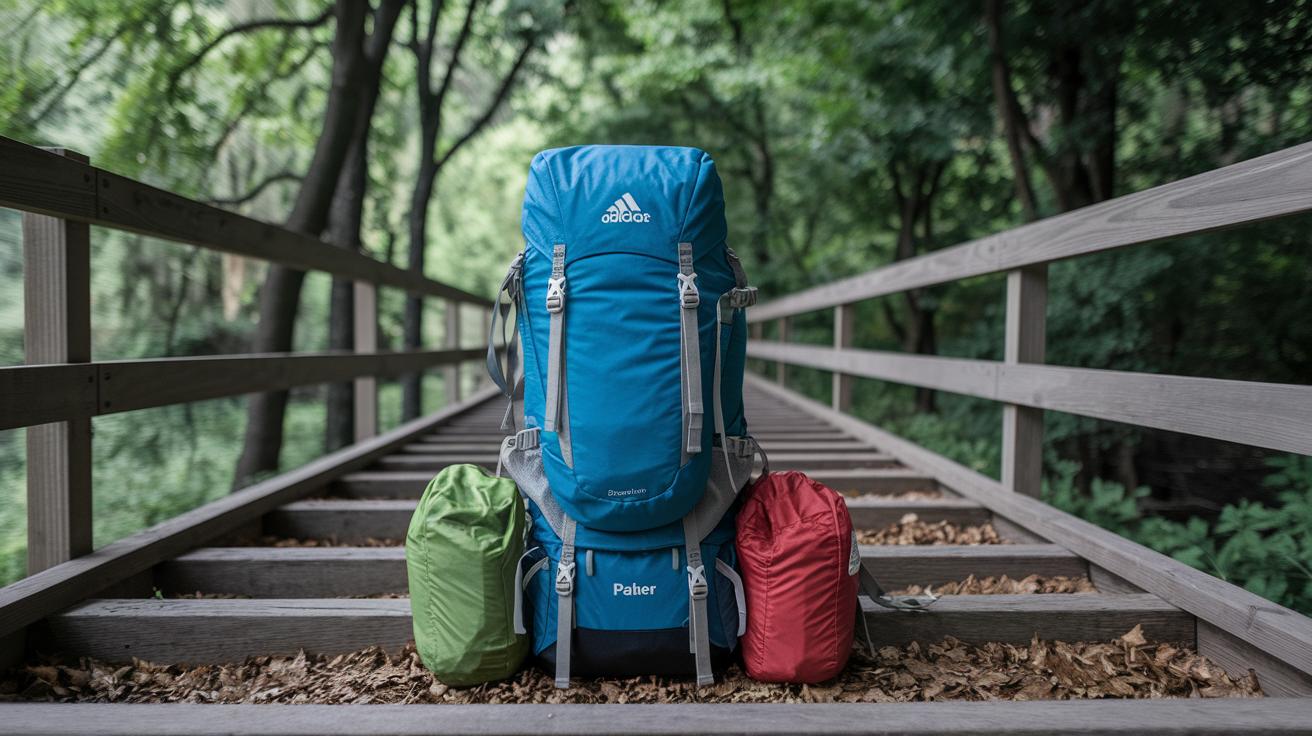
Start by breaking your pack weight into two parts: your basic gear and what you’ll use up along the way. Your basic gear includes your tent, clothes, and tools you always bring. Meanwhile, your extras are the food and water that change with how long you’re out.
Next, think about your body weight. A good rule is to keep your pack at about 20% to 30% of your own weight. So, if you weigh 150 lbs, your pack should be around 30 to 45 lbs. There are handy calculators online to help you figure this out.
You can also use simple tools online or a spreadsheet to list all your items and sort them into basic gear or extras. This way, you can easily see where you might be carrying too much weight.
Once you have your numbers, adjust your gear list. If you’re carrying more than you need, look for nonessential items to trim off or upgrade to lighter options. This method helps keep your load just right for every outing.
backpacking pack weight: Light Gear, Bright Trails
Imagine hitting a trail with only the essentials on your back. Ultralight pack optimization is all about cutting out extra weight so you can enjoy long days on the trail. Many hikers aim for a non-food, non-water weight of around 10 lbs. This means you can pack a little extra food and water, making those steep climbs and long distances much easier.
When picking out your gear, go for super ultralight options that still hold up. Think of a small, compact shelter that gets the job done without weighing you down. A light quilt or sleep bag is great, too. Even your cooking kit should be trimmed down to a few trusty tools that can handle a lot of tasks. The goal is to carry gear that works well, without dragging you down like extra pounds on a steep hill.
Here's a simple trade-off: drop your base weight from 31 lbs to just 20 lbs, and suddenly you have 11 extra pounds of food or water. That extra space can make a big difference on long days when every ounce counts, especially in tough climbs.
And don’t forget the value of smart sharing among hiking buddies. Passing heavier items around during the hike can help everyone feel a bit lighter. Even a small treat, like a bar of chocolate, can make the day brighter without adding much weight. For more ideas on gear and tips, check out the ultralight backpacking list.
Balancing and Distributing Pack Weight for Enhanced Comfort
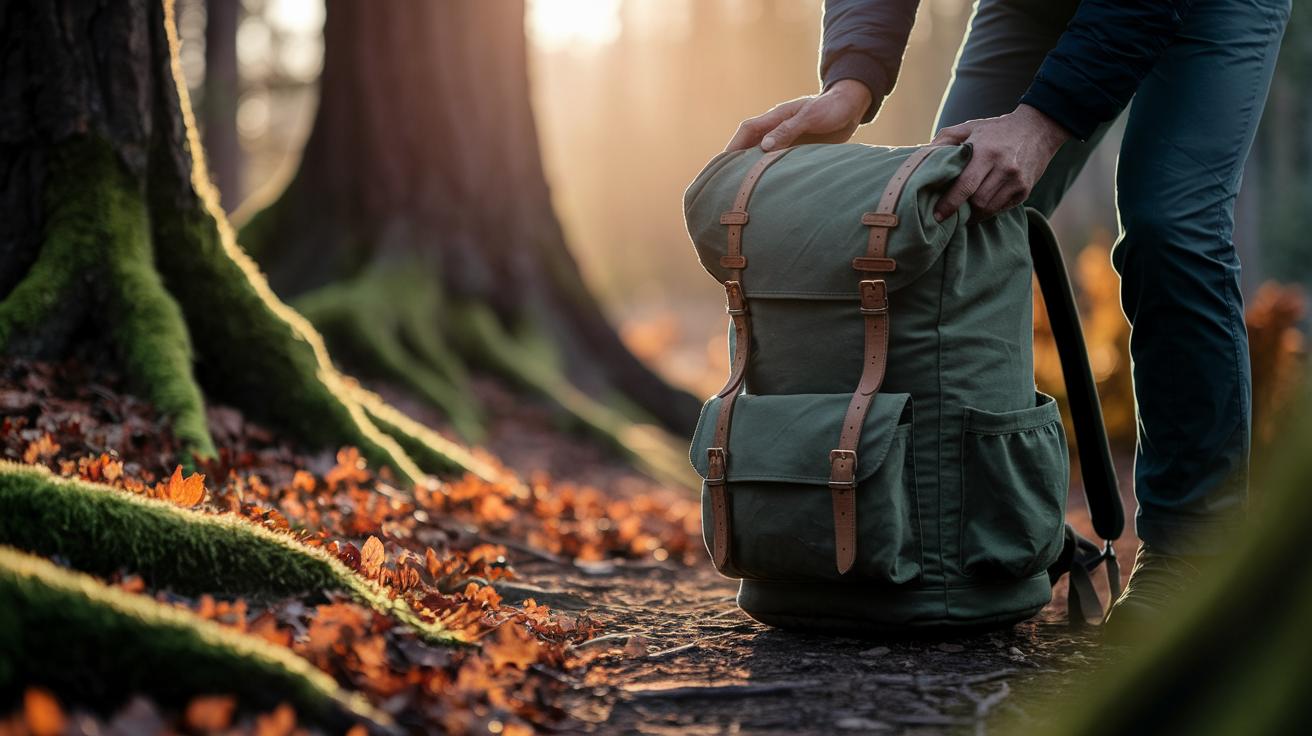
Finding the right balance in your pack isn’t just about keeping it light, it’s about making your trek feel smoother with every step. When you spread the weight evenly, you ease the pressure on your back and shoulders. And if you swap heavier items with a hiking buddy during a long climb, everyone can keep a steady pace, even on trails where the climb gets steep.
A simple trick is to divide your pack into zones. Keep the heaviest gear snug near your chest so your balance stays solid. Lighter stuff can go in the outer pockets, making sure nothing tips you off balance. It’s a bit like packing a tool kit, you know where to find what you need without dumping everything on one side.
As the day goes on, you might feel the need to shift things around. Trading heavier items with a friend can ease the strain and help you handle the trail better. This flexible weight game means you can adjust your pack for both steep climbs and flatter stretches, making your outdoor adventure just right.
How Backpacking Pack Weight Affects Endurance and Energy Levels
Heavy packs can really take a toll on your joints and back, making each step a bit more of a struggle. Carrying too much weight ups your chance of injury, which might slow you down or even push you off the trail. Think about it, after a few hours on a steep slope, that extra bulk can mean the difference between a smooth hike and a grinding, painful slog.
Lighter packs let you move faster and cover more ground with less effort. When you trim the extra weight, your energy lasts longer and each step feels easier, so you can hike longer without feeling completely wiped out. A neat trick is to swap out heavy gear for multi-use items. It’s a small change that can really boost your pace.
Over in the Dolomites and on the Tour Mont Blanc, hikers dropped some of their weight and still managed daily climbs of 900 to 1200 meters. Dropping that extra load made even the steepest climbs more manageable. Fun fact: reducing pack weight by just a few pounds can really ease the strain on your knees during those long, tough ascents.
A lighter pack not only lowers the risk of injury but also keeps your energy up for those longer, more enjoyable hikes. Over time, keeping your load light can improve your overall health, making each adventure more fun and less grueling.
Adjusting Backpacking Pack Weight for Trip Type and Duration
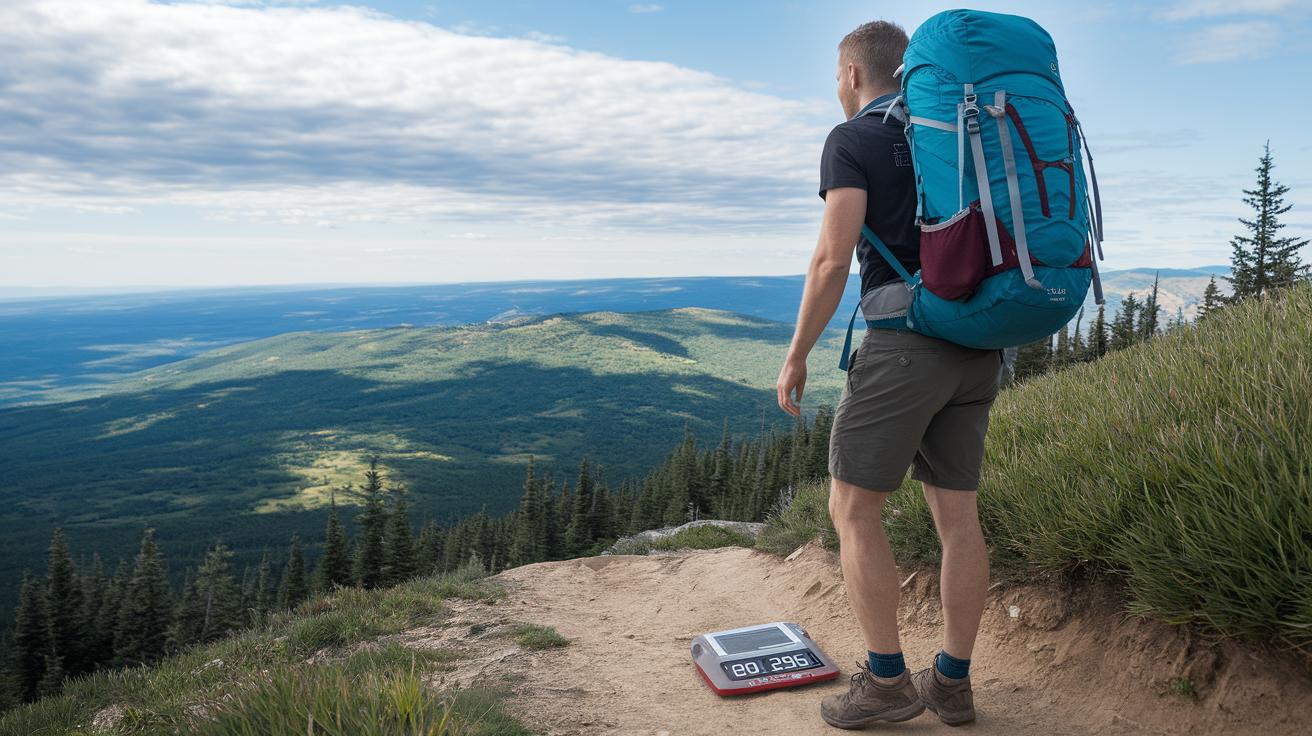
Every trip is different, and so should be your pack. Whether you’re tackling a steep trail or enjoying a quiet overnight camp, your pack weight needs to match the adventure. Think of it like choosing the right snacks for a hike, you want just enough to keep you going without weighing you down.
For a day hike, aim to keep your pack light, around 20–25 lbs. That way, you can move quickly and enjoy the fresh air without feeling burdened. But if you're planning a longer journey over several days, you might pack a bit more, usually between 25–35 lbs, to bring along all the essentials.
When picking out your gear, look for items that can do double duty. Choose lightweight tents, sleep systems, and even cooking gear that won’t add extra weight. New hikers, try checking out beginner backpacking gear guides to find a pack that’s comfy and smartly designed. Ever tried a pack that feels like it was made just for you? It really makes a difference.
Before you head into the wild for a serious trip, take a shorter practice hike. It’s a great way to test your new gear and find that perfect balance between comfort and readiness. Enjoy the journey and happy trails!
Final Words
In the action, our guide walked you through reducing weight loads, correctly testing shakedown trips, and balancing gear for comfort. We shared smart load reduction tactics, the value of ultralight gear, and tips to adjust for trip types.
By putting these strategies into practice, your backpacking pack weight can be fine-tuned to keep you safe and energized. Embrace lighter loads and a clear path ahead, and let each step fill you with the simple joy of the outdoors.
FAQ
What does a backpacking weight chart (kg) show?
The backpacking weight chart shows recommended weight targets for gear and consumables, offering guidelines for each category so you can trim your load and keep it balanced for different types of trips.
How can I use a backpack weight calculator?
The backpack weight calculator helps you add up your gear and supplies, then checks if your pack fits within your personal load targets, making it easier to plan a comfortable, well-balanced pack.
What are the backpacking weight categories?
The backpacking weight categories break down your pack into sections like base gear, food, water, and extras, helping you spot nonessentials and focus on a load that’s practical for your hike.
How should backpack pack weight be adjusted for women?
The backpack pack weight for women is tweaked by considering individual strength and body shape, often aiming for lighter base loads and simpler gear selections to boost comfort on the trail.
What pack weight should beginners try for backpacking?
The backpack pack weight for beginners is usually set around 25–30 lbs, allowing new hikers to test their load on shorter trips while learning how to balance gear and build confidence.
What is the average empty backpack weight?
The average empty backpack weight generally falls under 5 lbs for ultralight packs and between 7 and 10 lbs for conventional setups, keeping the base load low for easier packing.
What is a good pack weight for backpacking?
A good pack weight for backpacking hovers around 30 lbs in total, including gear, food, and water, but it may vary based on your physical condition and the specifics of your route.
Is 40 lbs too heavy for a backpack, and what about a 25 lb pack?
The impact of a 40-lb load or a 25-lb load hinges on your fitness and trip type; while 40 lbs may tax some hikers, 25 lbs is often more manageable, especially for long, challenging hikes.
How much does a 60L backpack weigh when full?
A full 60L backpack usually weighs between 25 and 35 lbs when packed for multi-day trips, striking a balance between necessary gear and keeping the load within a comfortable range.