

Have you ever felt confused trying to plan an outdoor trip? It can be tricky to pick a spot, map out your day, and figure out your budget.
Think of this guide as your trusty trail map. We break down the process into five simple steps: researching spots, setting a budget, planning your schedule, checking your gear, and keeping safe.
Ready to swap those scattered ideas for a clear plan and head out under bright, open skies?
Adventure Travel Planning Guide Blueprint: Destinations, Itinerary, Budget & Safety
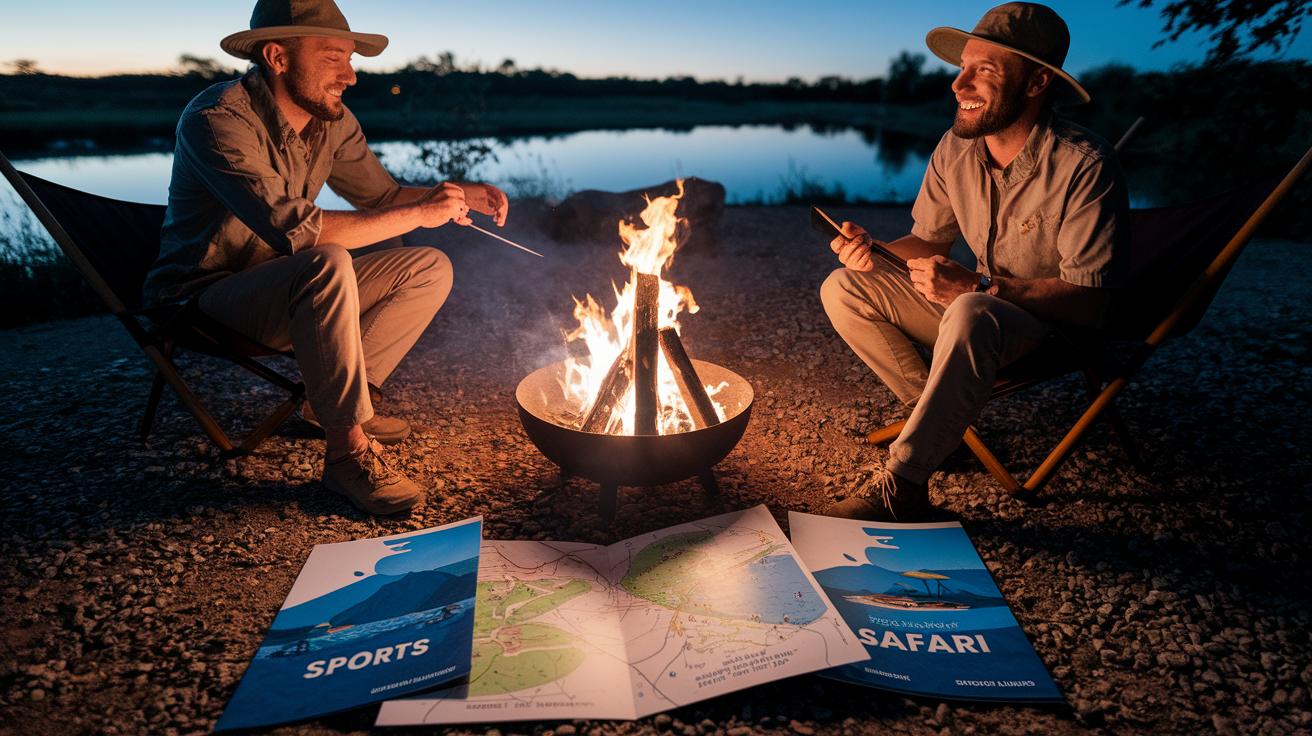
Start with a clear mind and a simple plan. This guide is like your trusty trail map that leads you from daydreaming about your next adventure to being fully prepared. Imagine sitting around a campfire with a friend, chatting about how to get the most out of every journey.
Think of it as breaking your trip prep into five friendly steps. For instance, picture planning a rock climbing day: you scout out the crag, chart your climb, set aside funds for gear, pack any needed meds, and make sure help is nearby, just in case.
- Destination research – Check out local activities, like cool water sports or safaris, using reliable sources.
- Budgeting – Jot down your costs, from flights and stays to meals, gear, and a little extra for unexpected moments.
- Itinerary design – Sketch out your daily schedule with active hours, plenty of pauses, and time to soak in the local vibe.
- Gear checklist – Pick out the right clothes, sturdy shoes, and essentials like a handy first-aid kit.
- Safety measures – Add a layer of protection with travel insurance, check your vaccinations, pack vital medications, and brush up on emergency skills.
Bringing these steps together creates a smooth plan that takes you from being a hopeful dreamer to a confident explorer. Start with gathering details about your destination, learn about local transport, seasonal access, and fun activities, then let that guide your spending. Next, balance your energetic adventures with some real downtime in your itinerary. A well-thought-out gear list means you’re ready when the weather turns or surprises pop up. Finally, blending in safety measures gives you that extra peace of mind to savor every moment. Imagine a sunny hike where every step, budgeting, planning, and staying safe, fits together just like a perfectly packed trail mix.
Adventure Travel Planning: Researching and Selecting Destinations

When you’re setting out to explore new places, a few trusted sources can really light your way. Check in with local news sites, well-known international media, and even expat Facebook groups. It’s a bit like calling up an old friend to get the real scoop on what to expect, with updated info on safety and current conditions, you can feel good about your chosen spot.
There are other gems too. Websites such as UNESCO World Heritage lists and national park portals guide you to scenic routes and off-the-beaten-path areas that might not show up in every guidebook. It’s like having a friend who always points you toward those hidden treasures, making your trip both adventurous and safe.
Now, if you’re venturing into remote areas, extra care is a must. Always look up local transport options and keep an eye on seasonal changes that might affect your journey. Think of it as planning for a surprise rain shower on a sunny day, being prepared can save you from last-minute detours. I’ve been there when a small change, like a delayed bus, completely reshuffled my plans.
Using Digital Tools for Route Mapping:
Mapping apps and offline maps are like a trusty compass in today’s tech world. They let you set your route with live updates and serve as a backup when cell service is lost. These tools help you adjust your path just like following a familiar trail marker.
| Factor | Description |
|---|---|
| Climate | Weather conditions that might change your plans |
| Local transport | How you can get around, like buses or trains |
| Cultural norms | Local customs to help you stay respectful |
| Peak seasons | Times when places might be busy or crowded |
| Permit requirements | Needed permissions to visit special spots |
All this groundwork helps you craft an itinerary that flows naturally with the rhythm of the local area. With a bit of research, every part of your adventure fits right in, making your journey as smooth as a well-trodden trail.
Adventure Travel Planning: Crafting a Customized Itinerary
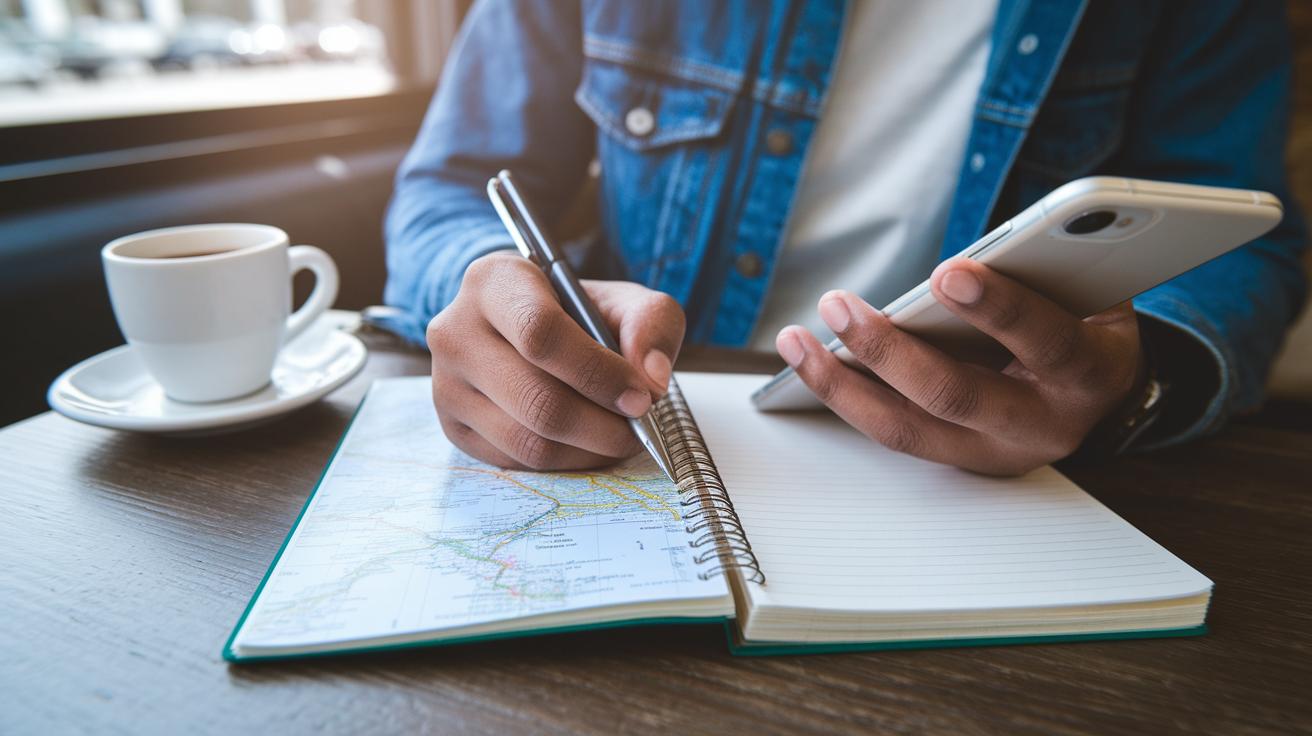
Customizing your itinerary is like mapping your own trail that fits your pace and passions. It's a mix of heart-pumping adventures like a steep rock climb and quiet moments to soak in the local vibe. Every day should balance a burst of action with some chill time so you can catch your breath and enjoy where you are. This way, your plan is as flexible as the winding trails you explore.
Structuring Multi-Day Plans: Guidance on Day-by-Day Scheduling
Break your adventure into daily chunks that feel like stepping stones on a path. Choose a few main activities each day but leave room for unexpected gems, maybe a stroll in a village market or a sudden photo stop in nature. Planning a daily route helps you appreciate every sunrise and sunset, just like following a well-marked trail with surprise clearings.
Building in Flexibility: Advice on Weather and Local Interactions
Outdoor plans can shift as quickly as the weather, so it's smart to allow extra time for delays or unexpected meetups with friendly locals who share secret spots. Use mobile apps (or offline maps) to tweak your route on the fly. A laid-back schedule means you can switch a planned hike for a local cooking class or explore a seasonal festival when the mood strikes.
- Pick your key activities each day and mix in rest breaks.
- Look up local events and cultural spots.
- Plan for travel, meals, and little delays.
- Use mobile tools for on-the-go updates.
When you're out there, adjust your plan to match the day's vibe. Small changes can keep your schedule fresh and in tune with the spirit of the great outdoors.
Adventure Travel Planning Guide to Budgeting Your Trip
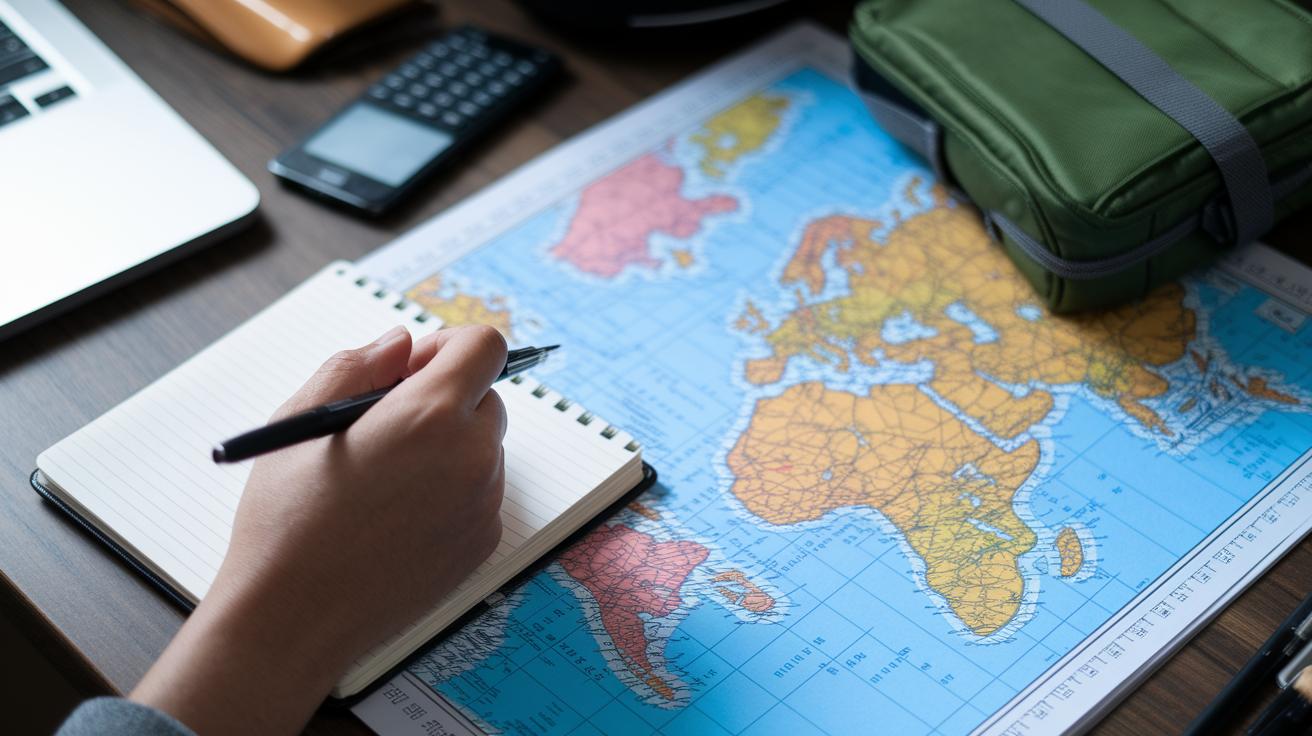
Budgeting your adventure is a lot like packing your gear before heading out on a trail. First, break your costs into simple groups: your flights, where you'll sleep, the food you'll enjoy, fun activities you plan to do, and even some new gear you might need along the way. Adding a little extra, about 10–15% of your total, acts like that extra layer on a chilly night, ready for any surprises. This way, you know exactly where your money is going and can tweak your plans if needed.
Before you set off, map out your spending so you know what to expect. Write down each category based on your own preferred style, maybe you’re booking a quaint cabin, sampling local street food, or joining a guided trek (a fun, organized walk through nature). Each expense becomes a part of your overall picture, allowing you to mix excitement with careful spending. This simple plan helps make sure you won't be thrown off by extra costs along the way.
| Category | Estimated Cost Range |
|---|---|
| Flights | $300 – $900 |
| Accommodations | $50 – $200/night |
| Meals | $20 – $60/day |
| Activities | $30 – $100/day |
| Gear & Emergency Fund | 10-15% of total budget |
And don’t forget travel insurance, it’s like having an extra safety rope on a tricky climb. It covers things like medical care, flight hiccups, and mishaps like lost baggage. Plus, you can save money by exploring off-peak travel times, hunting for group discounts, or even renting gear instead of buying brand-new items. A neat trick is to use a camping essentials checklist; it can help you spot where you might save without missing out on the must-have items.
Adventure Travel Planning Gear Checklist: Essentials for Your Journey
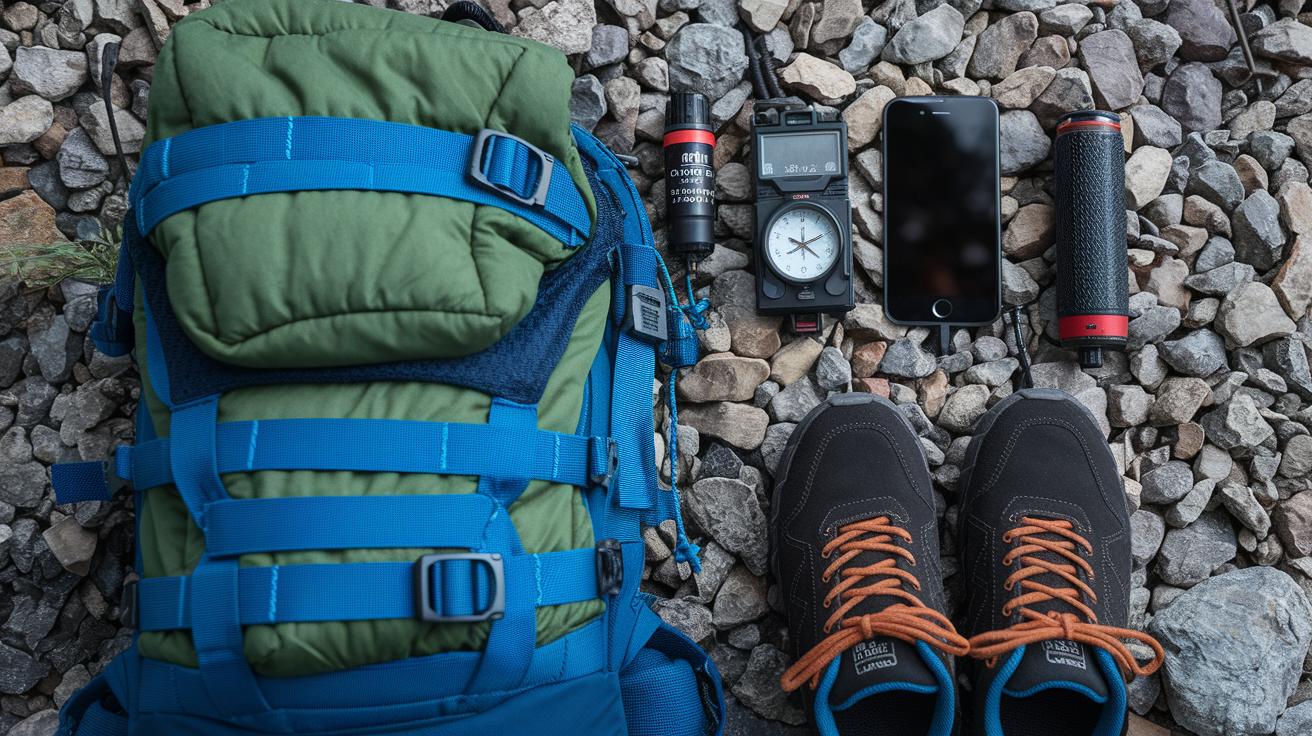
When you hit the trail, pack only what really matters. Bring gear that keeps you cozy and ready for any adventure. Choose items that work well no matter if you’re climbing steep slopes or taking a quiet pause in a hammock.
- Tough shoes to handle rocky paths
- Layers of clothes for changing weather
- A first-aid kit for little mishaps
- A compass or GPS for finding your way
- Emergency tools like a whistle, headlamp, and multi-tool
- Quick-dry clothes for splashing in water or rainy days
- A life jacket for safe water fun
- A comfy Kachula blanket for a relaxed rest in your hammock
| Item | Purpose |
|---|---|
| Bandages | For small cuts and scrapes |
| Compass | To help you find your direction |
| Whistle | To call for help if needed |
| Headlamp | For light when it gets dark |
| Multi-tool | For quick fixes and repairs |
When you pack, think of it like setting up your camp. Every piece of gear has its own spot, so it's easy to grab when you need it. Keep similar items together, maybe all your navigation tools in one place and your first-aid items in another. This way, when you’re on a fast-moving trail, you’ll spend less time searching and more time enjoying the fresh air and beauty around you.
Adventure Travel Planning Guide to Safety and Risk Management
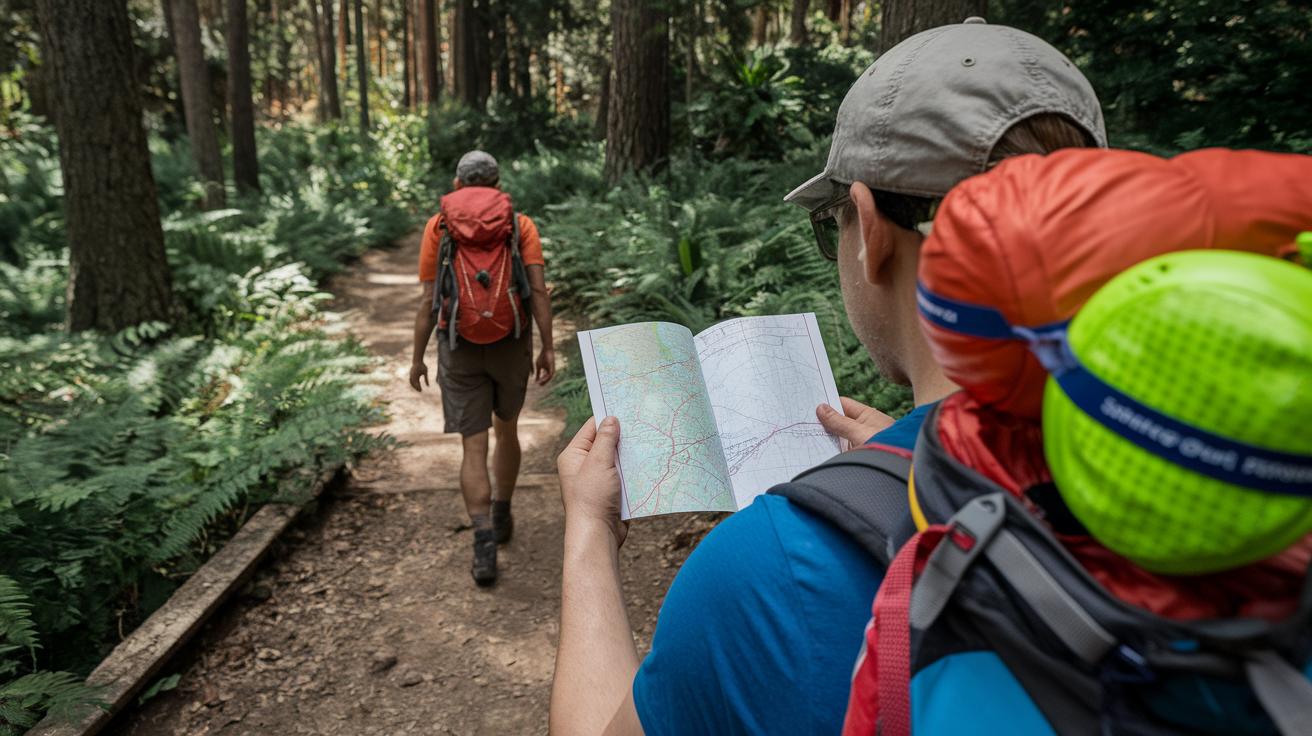
When you head out into nature, it’s smart to plan for the unexpected. Before you leave, check online groups and reliable news sites for the latest on conditions and hazards around your route. Think of safety planning like adding another must-have tool to your kit, it helps you act fast if plans suddenly change. A solid risk management plan turns a tense moment into something you can handle with calm and confidence. It's a bit like making a final gear check before starting your hike, it just makes sense to be ready.
- Keep an eye on local news and community groups for the newest updates
- Grab travel insurance that covers both health emergencies and trip changes
- Check weather forecasts often so you can tweak your plans if needed
- Learn local trail rules and safety tips
- Pack a simple first-aid kit with basic medicines and bandages
- Wear proper safety gear for water sports, such as helmets and personal flotation devices (PFDs)
- Make a list of emergency contacts and set meeting points in case you need to evacuate
Emergency Preparedness Procedures: evacuation and communication plans
Have a written plan that shows clear evacuation routes and communication steps for when trouble arises. It’s like having a trusted map for quick escapes and check-ins. Having extra tools like a charged satellite phone or two-way radios can make a huge difference when you're far from help.
Split tasks within your group so everyone knows their role. Decide in advance who leads, who calls for help, and who checks on supplies. Working together like this is like having a safety net on a steep trail. It keeps everyone connected, making sure no one is left behind when quick, calm decisions are needed.
Adventure Travel Planning Guide for Sustainable Explorations

Traveling green means treating nature like an old friend while you soak in the great outdoors. When you're out there, try to cut back on single-use plastics and pick spots that meet eco-friendly standards (officially certified to be green). It’s all about leaving the wild as untouched as you found it and making choices that respect the land.
When you make sustainable choices on your journey, you're not just protecting nature, you’re also helping local communities thrive. Stick to simple leave-no-trace ideas, support nearby businesses, and choose low-impact rides like biking or public transit to keep your footprint light.
Here are some down-to-earth tips:
- Bring a reusable water bottle and utensils to cut back on plastic waste.
- Choose eco-certified lodgings that practice green building.
- Offset some carbon by supporting local environmental projects.
- Ride a bike or hop on public transit for a lighter impact.
- Visit local markets where artisans share their crafts.
- Pack out every bit of waste following leave-no-trace practices.
Getting to know local communities can really enrich your travel experience. Chat with residents about how they care for their home and even join in on local green projects. Little gestures, like buying handmade goods or stopping by a community event, can spark genuine connections and spread eco-friendly habits far and wide. For more tips on going green, check out sustainable practices.
Adventure Travel Planning: Post-Trip Review and Future Strategies
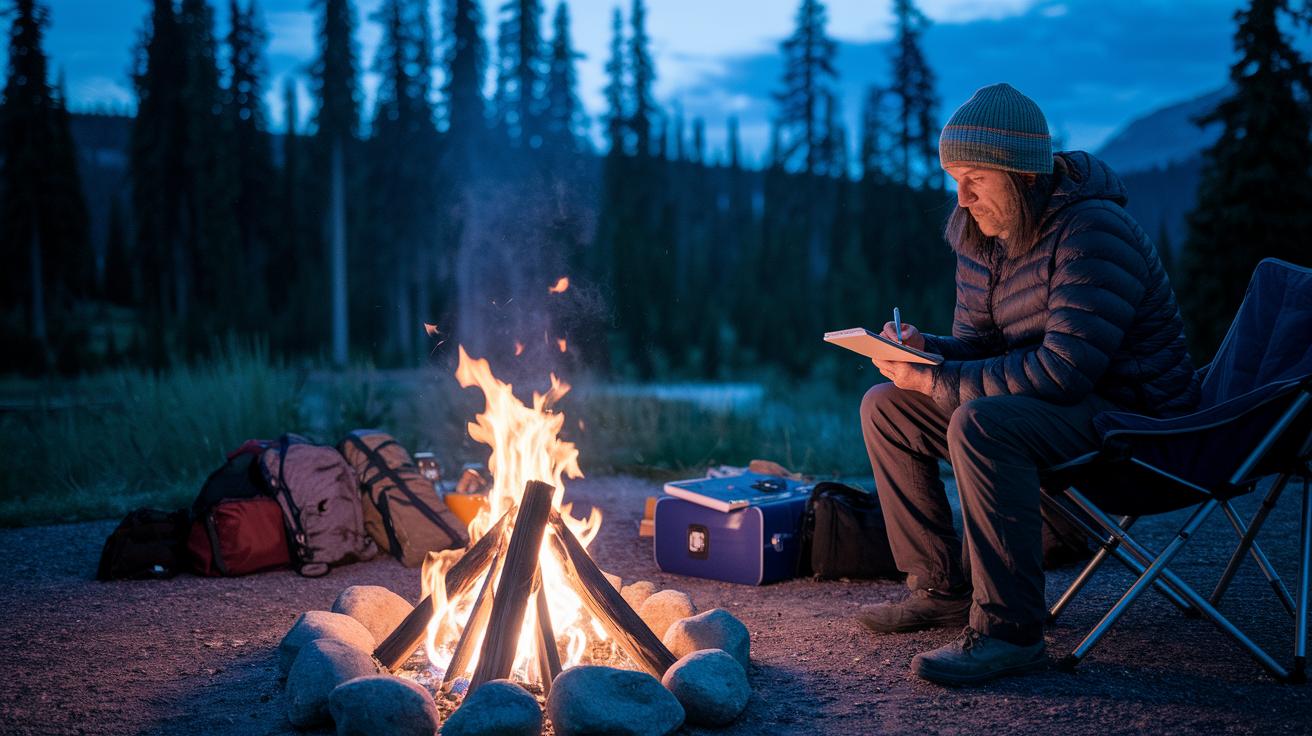
After a fun trip, it's time to sit by the campfire and review what truly happened. Take a quiet moment to compare your original plan with the twist and turns of the trail. Sometimes expenses sneak up on you, plans change on the fly, gear surprises you (in good and bad ways), and you encounter sudden safety hiccups. A few minutes of honest reflection can really pave the way for a smoother adventure next time.
- Look at what you spent versus what you expected to spend.
- Check how your schedule shifted and if timing was off.
- See which gear held up and which might need an upgrade.
- Note any safety issues and how you dealt with them.
- Keep a travel journal like a logbook to capture your lessons.
Using these takeaways, you can fine-tune your planning for the next great outing. Every detail you adjust, from your budget to the tools you pack, creates a little trail map for future adventures, making each journey safer and even more enjoyable.
Final Words
In the action, our guide took you through safe destination research, flexible itinerary creation, careful budgeting, gear selection, and practical safety steps. Each section broke down tips from planning daily outdoor escapades to ensuring eco-friendly choices. The adventure travel planning guide blended smart ideas with hands-on advice to help you plan trips that feel both secure and full of life.
Enjoy putting these steps into practice next time you hit the trails with confidence and a sense of wonder.
FAQ
What is an outdoor travel planning guide PDF?
The outdoor travel planning guide PDF offers a downloadable file with key tips on destination research, trip budgeting, gear checklists, and safety advice that helps you prepare for your trip.
Is there a free outdoor travel planning guide available?
The free guide gives you essential tips on planning trips without cost, covering how to select destinations, set budgets, create itineraries, and check gear and safety basics.
How does the outdoor planner app help with trip planning?
The planner app assists by organizing your ideas into customizable itineraries, tracking expenses, and offering gear and safety checklists, making trip planning smoother and more flexible.
How do I plan a trip?
Planning a trip starts with in-depth research on your chosen spot, then moves to setting a flexible schedule, budgeting your spending, packing proper gear, and reviewing local safety guidelines.
What is a gap year trip planner?
A gap year trip planner is a tool that organizes a long-term travel plan by mapping out stops, budgeting funds, and scheduling activities, which helps balance extended travel with personal goals.
How can I design my travel plan?
Designing a travel plan means picking destinations, scheduling daily activities with built-in rest days, setting a realistic budget, and using digital planning tools to adjust your plan when needed.
What is the outdoor planet concept?
The outdoor planet concept describes a community idea focused on sharing and planning trips, offering resources, tips, and inspiration for exploring nature responsibly and thoughtfully.
How do I prepare for overseas travel in Croatia?
Preparing for travel in Croatia involves researching local customs and conditions, arranging travel documents, mapping out routes, setting a budget for flights and stays, and following safety practices.