
Ever felt frustrated with a pack that just doesn’t cut it? It’s like trying to cram your whole house into a tiny bag.
When you hit the trail, having enough space for your gear is a game changer. Picture packing your car for a weekend road trip, everything finds its spot without getting squished.
In this guide, we'll break down different pack sizes so you can pick the perfect one for every adventure.
Choosing the Right What Size Backpacking Pack for Your Trip
When you're planning an outdoor adventure, picking the right pack is a big deal. You want your pack to fit all your gear and food for however many days you'll be out there. Picture this: lay out your tent, sleeping bag, stove, and extra clothes like you're setting up camp, then figure out how much space they need. It’s like packing up your car for a road trip, you need the right amount of room so nothing gets squished.
A fun fact to keep in mind: a day hiker can usually get by with a 20–25 liter pack. But if you're planning a longer journey, you might need something around 35 liters for those extra layers. For a quick day hike, a backpack between 10 and 35 liters will do just fine. If you’re off for 2 to 3 days, aim for something in the 35 to 50 liter range. For a 3 to 5-day trek, look for packs that hold 50 to 65 liters. And when you’re setting out for 5 days or more, a pack that runs from 65 to 80 liters gives you plenty of room for all your must-haves. In a few special cases, you might even need a pack with over 80 liters for very unique adventures.
Also, remember that one liter of water takes up one liter of space. So when you’re planning, write down every single thing you think you’ll bring and measure out its space. This simple trick helps you pack smart and keeps extra weight off your shoulders, so you can fully enjoy the crisp air and peaceful moments on your trail.
Measuring What Size Backpacking Pack: Liters, Volume & Dimensions
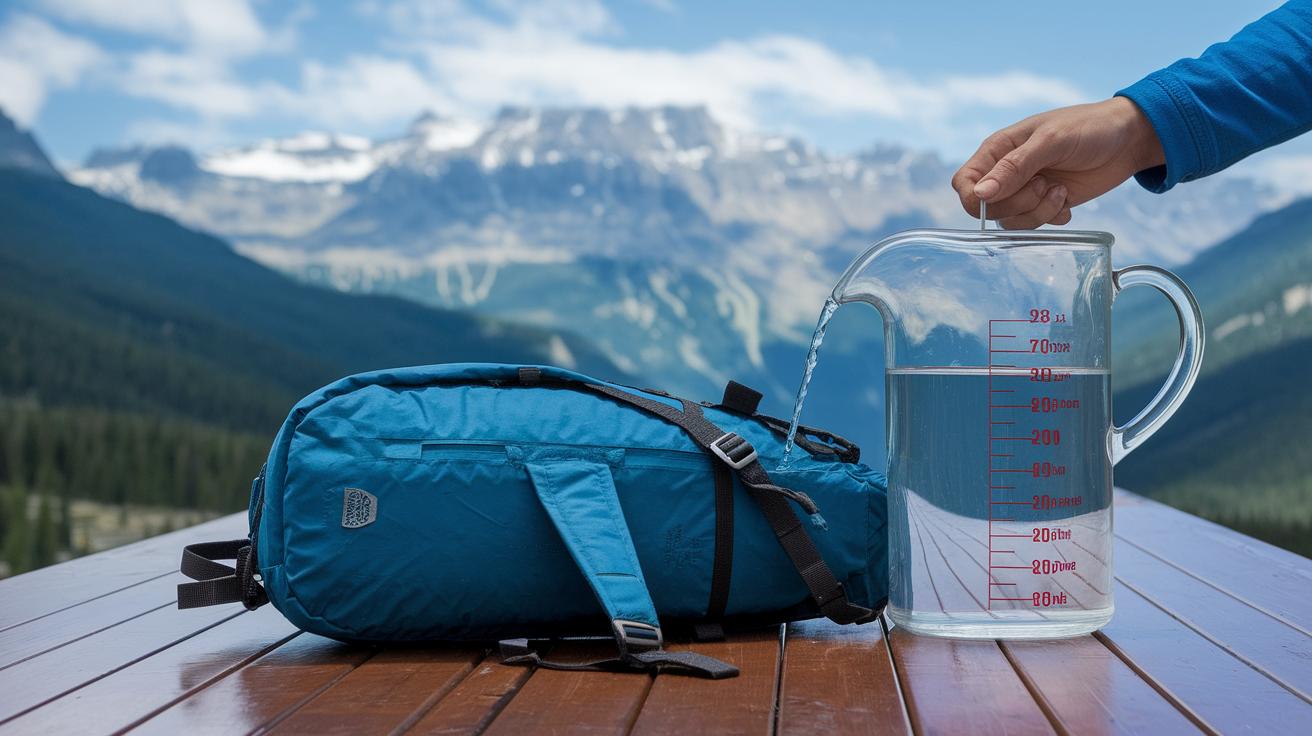
A pack’s capacity is given in liters, and one liter fills up 1,000 cubic centimeters. Sometimes, brands add in extra pockets when they give you this number, while others only count the inside where your gear fits. So, when you’re checking out different packs, take a minute to see if they mean the gear space alone or the pack as a whole.
One cool way to test a pack’s size is to fill it with water. Fill the main compartment until it’s full and see how much water it takes to get there. Ever try saying, “Let’s see if this 40-liter pack really holds 40 liters of water?” If that seems like too much fuss, just check the maker’s specs or measure the inside by multiplying the length, width, and depth, then dividing by 1,000. Pretty handy, right?
Some seasoned hikers like to get hands-on. They compare the area where all their gear goes with the total volume the pack claims. This way, you can tell if the pack’s design is really going to work for all your needs, from extra snacks to needed technical gear.
Recommended What Size Backpacking Packs by Trip Duration
Picking the right pack can make your trail time feel easy and fun. Here's a simple guide to match your pack size to how long you'll be out. Imagine setting out on a day hike with a 25L pack that just holds your snacks, water, and a light jacket – light enough to keep you moving without feeling weighed down.
| Trip Duration | Pack Size Range (L) | Typical Use |
|---|---|---|
| Day Hikes | 10–35 L | Light gear: snacks, water, and a light jacket |
| Overnight/1–2 Days | 30–45 L | Extra layers, small sleeping bag, compact stove |
| 2–3 Days | 35–50 L | Minimal bulk for short backpacking trips |
| 3–5 Days | 50–65 L | Space for bulkier items like bear canisters and more food |
| 5+ Days | 65–80 L | Extra capacity for cold weather gear or technical equipment |
Picture gearing up for an overnight trip: imagine packing a 40L pack for a night under twinkling stars, striking the perfect balance between essentials and a little extra warmth.
Factors That Affect Your What Size Backpacking Pack Decision
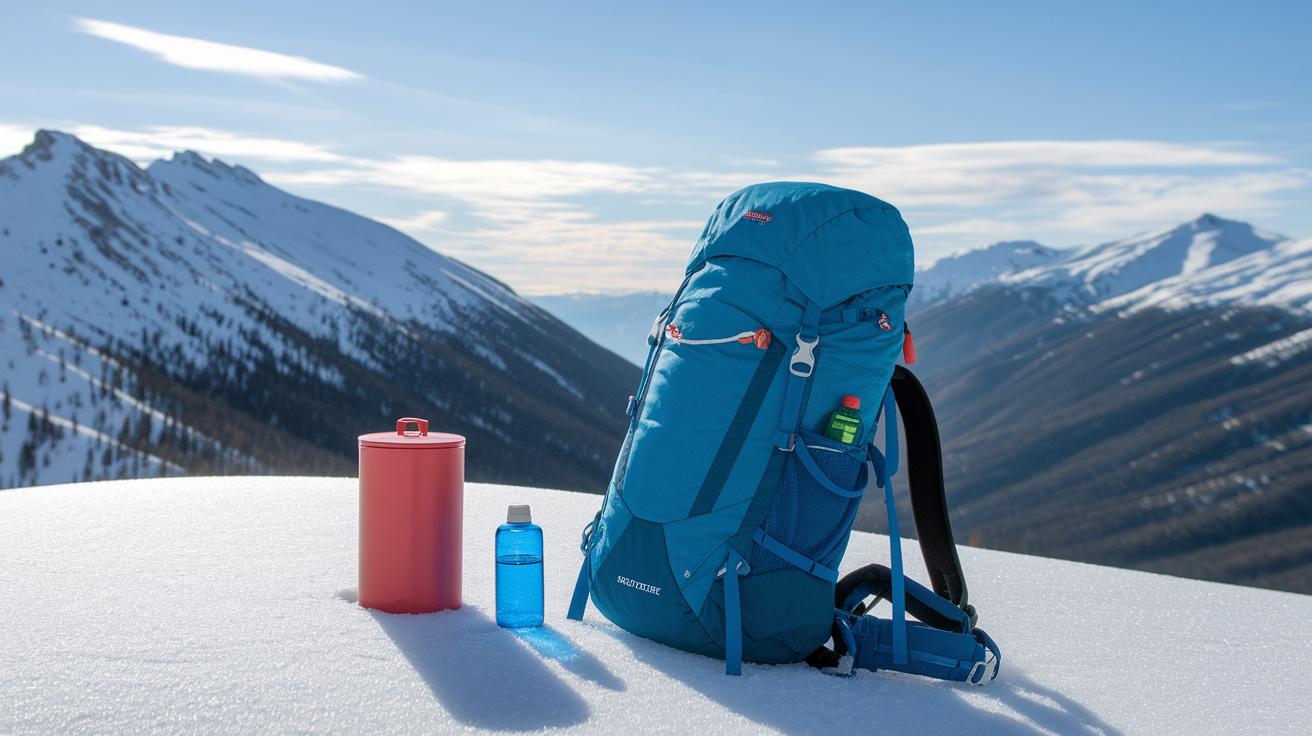
When you're packing for an adventure, what you bring is just as important as how long you'll be away. If you like to travel light, you might only bring the basics. But if you prefer a bit more comfort, your bag can fill up fast. Take a food container for example, a day's worth of meals can use up 1–2 liters of space. And even that extra water bottle adds up; every liter of water means a liter of room needed.
Each season has its own gear demands. In winter, you'll find yourself reaching for extra clothing layers, a thicker sleeping pad, and even tools to handle the snow. Plus, a bear canister (a hard box to keep your food safe from wildlife) takes up extra room too. When you add in all the seasonal extras, you might want to eye an extra 5–10 liters of capacity. Picture packing for a winter trip; that extra space can be a life-saver between a cramped load and a comfortable pack.
Then there's the way you arrange your gear. Packing smart, using compression sacks or folding your stuff neatly, can really trim down the space you need. And that’s where a trusty outdoor gear guide comes in handy. For more tips on keeping your gear balanced and organized, check out what’s available at https://blackandburlap.com?p=164. This way, you get all you need without overloading, so you can enjoy your journey with comfort all day long.
Fitting Your What Size Backpacking Pack for Comfort
When you're out on the trail, a well-fitted pack makes all the difference. Start by measuring your torso and adjust your hip belt so the pack naturally rests on your hip bones, like settling into a comfy campfire seat.
Next, snug up those shoulder straps. When your pack sits right against your back, it feels like an extra part of you, light and easy to carry. Keeping your heaviest gear near your spine (your backbone) helps balance everything, making long hikes feel much smoother.
It's a smart move to test your pack with real weight before you head off. This way, you can catch any awkward shifting or imbalance, ensuring every step is as comfortable as possible.
| Step | What to Do |
|---|---|
| 1 | Measure your torso and adjust the hip belt so the weight sits on your hip bones. |
| 2 | Tighten the shoulder straps to keep the pack close to your back. |
| 3 | Place heavy gear near your spine for better balance. |
| 4 | Try a test fit with weights to mimic a real load. |
For a great start on getting your pack perfectly fitted, check out beginner backpacking gear at https://blackandburlap.com?p=303. Enjoy the journey and happy hiking!
Ultralight vs Traditional What Size Backpacking Packs: Capacity Comparison
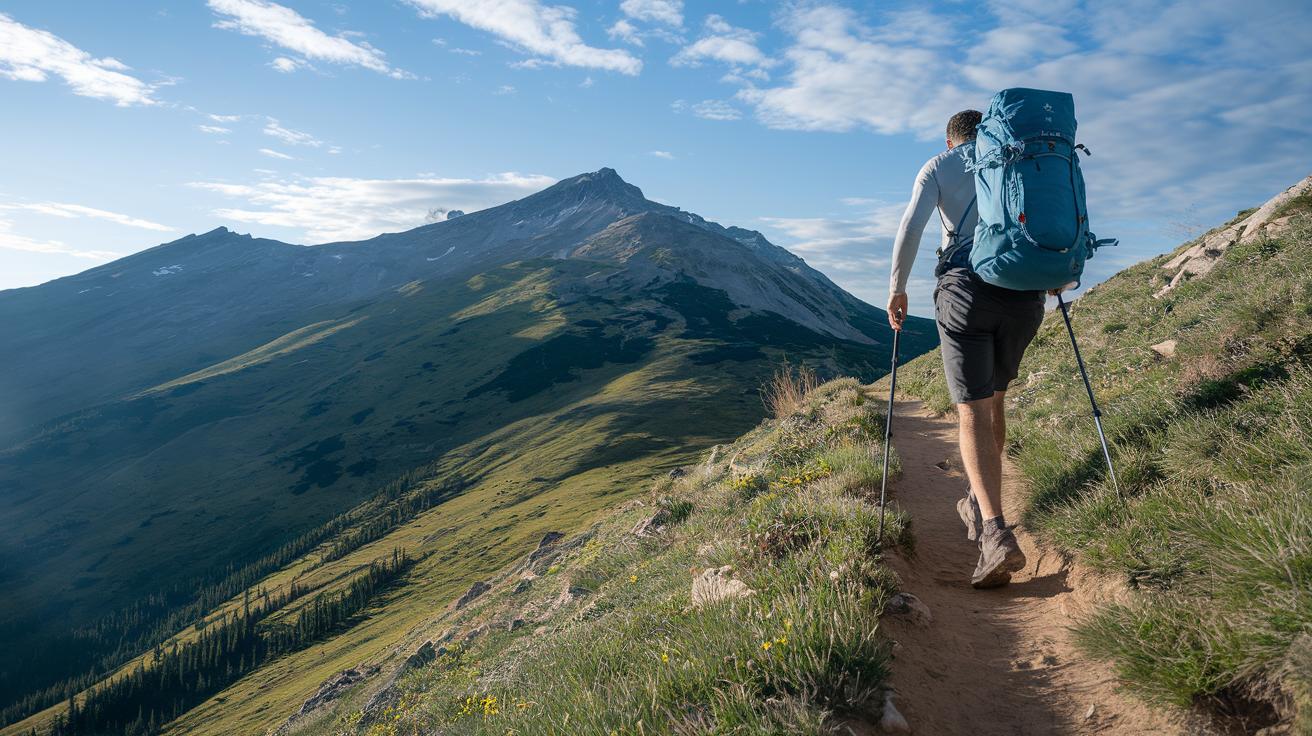
Ultralight packs give you a nimble feel on the trail. They keep the weight low so every step feels easier. I once grabbed a 38 L pack for a quick trail run and noticed how even a few extra ounces can change your pace. Picture a summer hike where your gear feels almost weightless, it makes all the difference.
Traditional packs, on the other hand, offer extra space to handle whatever Mother Nature throws at you. I remember packing a 68 L pack for a trip so I could bring along extra clothing during an unexpected cold snap. This extra capacity gives you the freedom you need when the weather shifts or the trail goes on longer than planned.
| Pack Type | Capacity Range | Focus | Example |
|---|---|---|---|
| Ultralight | 35–50 L | Speed & Efficiency | “A minimal 38 L pack for swift, focused trips.” |
| Traditional | 50–65 L or 65–80 L | Flexibility & Gear Variety | “A roomy 68 L pack perfect for extra layers and gear.” |
• Ultralight options help keep fatigue low on tight, fast trips.
• Traditional packs let you adapt if the weather turns or the hike grows longer.
In truth, both pack styles shine when you plan them around your trail conditions and needs.
Tips for Selecting the Best What Size Backpacking Pack
Before you set off, take a moment to lay all your gear out, a tent, sleeping bag, extra clothes, and even those little cooking utensils. It’s like mapping out your supplies on a flat trail, so you can clearly see how much space each group takes up. Try grouping similar items, clothes here, food there, and your emergency kit separately, to know just how much room you need.
Then, add a little extra, around 10% more space, for any last-minute extras or little souvenirs you might pick up on your journey. Look for packs with adjustable frames or removable lids. Such features give you extra flexibility if your plans change along the way. And remember, checking size charts and user reviews can really help you match real-world volumes to the stated numbers.
When you’re ready to pack, do it step by step. Roll your clothes tightly, stuff small items into your shoes, and use compression sacks (they help squeeze space out of bulky gear). This method makes it easy to decide how many liters work best for your weekend trips, letting you pack smart and travel lighter.
Final Words
In the action, this guide laid out practical tips on choosing the right what size backpacking pack for your trip and provided a clear way to measure pack volume. We talked about matching your gear needs, trip durations, and even fitting your pack for comfort. The breakdown of pack types and key steps for a proper fit gives you immediate guidelines. Every tip here helps you pack smarter and feel confident on the trail. Embrace these pointers and enjoy planning your next safe, memorable outdoor trip.
FAQ
Q: What size backpack should I use for 3 months traveling?
A: The backpack size for a long trip depends on your gear’s bulk and duration. Listing your essentials helps pinpoint a pack that fits both your everyday items and extras.
Q: What is the best backpack size for travel and airplane carry-on?
A: The best travel backpack typically falls between 40L and 50L. For airplane carry-on, many cabins allow close to 45L, so it’s wise to check specific airline guidelines.
Q: How do backpack size charts, calculators, and measurements work?
A: Backpack size charts show capacity in liters and sometimes centimeters. Calculators let you estimate needed volume by listing your gear, while charts like REI’s help compare models.
Q: What does the 20% rule for backpacking mean?
A: The 20% rule for backpacking means your pack weight shouldn’t exceed 20% of your body weight to keep your load manageable and comfortable on the trail.
Q: Is a 70L bag too big for backpacking?
A: A 70L pack can be perfect for longer trips with extra gear or colder conditions. For shorter trips, a smaller bag might offer a more streamlined load.
Q: Is a 50L backpack too big for a day hike?
A: A 50L pack is usually more than needed for a day hike. Most day hikes work best with packs in the 10–35L range, which carry only the essentials.
Q: Is a 45L backpack too big for carry-on?
A: A 45L backpack may be on the larger side for a carry-on. Always match your bag’s dimensions to your airline’s requirements to avoid any check-in issues.