

Have you ever stopped to think how your daily choices can brighten tomorrow? When we pick resources that naturally renew themselves, we're helping both today and the future. It's like keeping a cozy campfire burning on a cool night, warm and reliable. In this piece, I'll share some easy ways to care for our planet while still meeting our needs. Stick with us, and you'll see how simple, smart tips can lead to a greener way of living.
What Are Sustainable Resources: Smart and Simple
Sustainable resources are the materials and energy we rely on today without stealing from the future. It’s like making sure our campfire keeps burning without leaving our kids in the cold later on. The idea comes from the Brundtland Commission, basically, it reminds us to plan for the long haul rather than just quick fixes.
At its heart, using sustainable resources is about renewing nature’s gifts while caring for the environment. Imagine the steady warmth of the sun powering your day, that’s renewable energy for you. On the other hand, things like oil and coal can run out and even harm our surroundings.
When we choose systems that last, we set up a future where today’s good choices help tomorrow shine. It’s a smart blend of taking care of nature and keeping our needs covered, much like packing the perfect trail mix. In the end, our future truly depends on the careful steps we take today.
Characteristics of Sustainable Resources
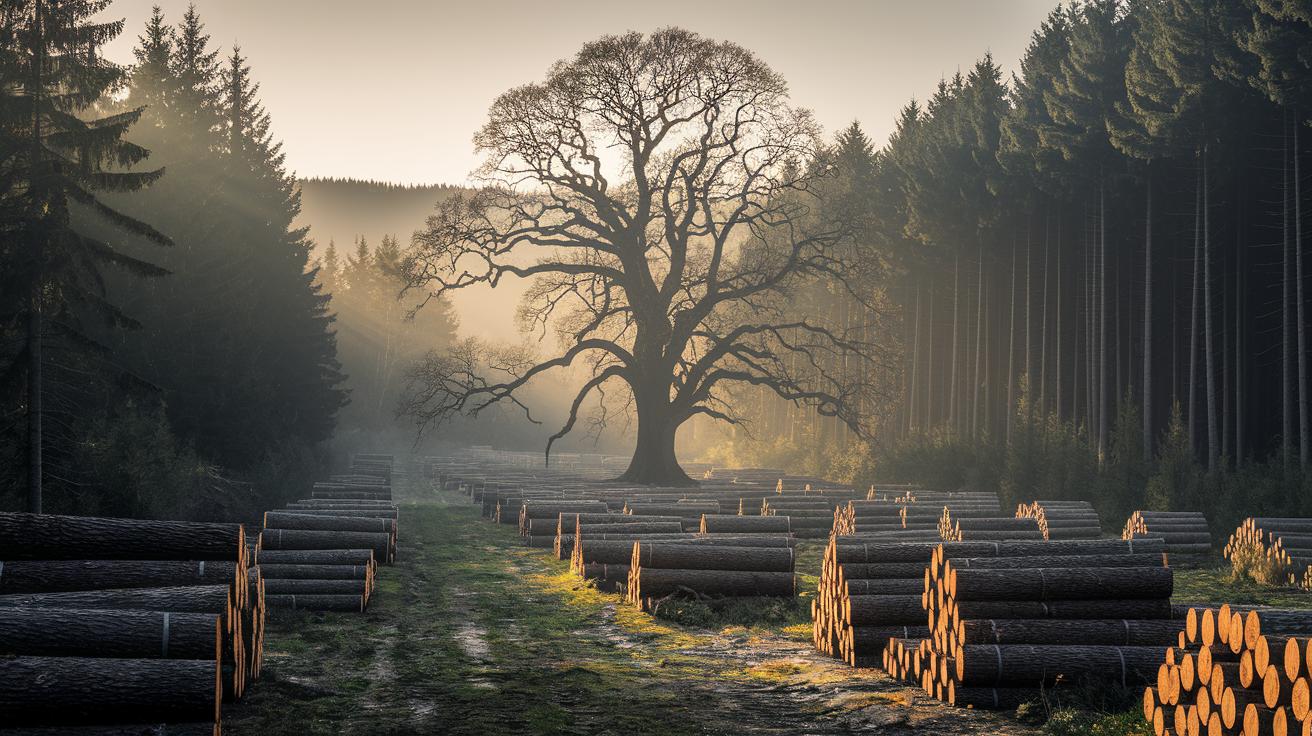
Sustainable resources are like a trusty mountain stream, renewable, gentle on nature, and good for our communities. They help our environment and our everyday lives. Managed forests and careful harvesting, that is, taking only what we need, show how nature and people can work side by side. Ever heard that a well-managed forest can keep on providing wood, much like a garden that keeps giving you fresh veggies?
These resources depend on nature’s own plan for renewal. Think of it as nature’s way of recycling: trees regrow, water cycles keep on rolling, and nothing gets wasted. Just like drip irrigation (a method that saves water by delivering it directly to plants) helps crops thrive, smart conservation keeps our natural treasures flowing.
Communities are also getting involved by building lasting systems with renewable benefits. For instance, wind and solar energy turn sunlight and breezes into power without the heavy cost to our land and air. This balance not only boosts our economies but also takes care of the great outdoors. By using resources this way, we keep our homes and habitats healthy, setting the scene for a future full of promise for everyone.
Examples of Sustainable Resources in Practice
When you think about clean, reliable power, nature offers some amazing treasures. Solar energy uses the sun’s bright rays to keep our camp lights on during the day, like nature’s very own battery. Wind energy catches the steady breeze, working just like a constant trail companion. And then there’s hydroelectric power, which turns the gentle flow of rivers into energy, one of the oldest tricks in the book.
I still remember setting up my first small solar panel at a remote campsite. I couldn’t help but smile as I thought, “This is like having nature’s own power pack right by my side!” It was a simple moment that showed me how natural energy sources can meet our modern needs.
Sustainable forests and wetlands work in a similar way. Managed forests not only give us wood but also fresh air and homes for wildlife, much like a cozy canopy sheltering us on a rainy day. Restored wetlands naturally clean water and offer a safe haven for countless creatures. And don’t forget geothermal energy, which taps into the Earth’s warm heat (think of it as a natural heater), or biomass, which converts everyday organic stuff into heat and power.
Every one of these resources reminds us that by working with nature, we can create a future full of clean and lasting energy while still cherishing our outdoor heritage.
Sustainable Resources vs Non-Renewable Alternatives
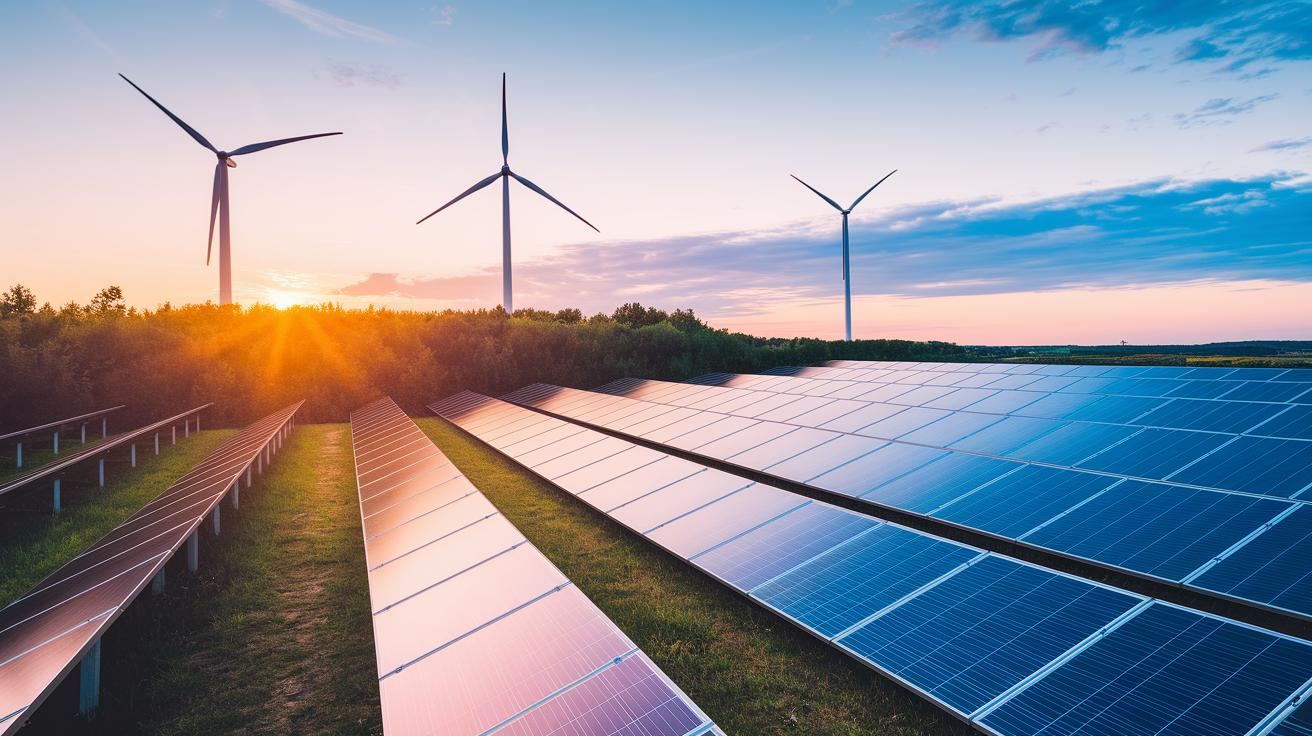
Sustainable resources work hand in hand with nature, always renewing themselves and keeping our world in balance. Think of solar, wind, or hydro power, they’re like nature’s steady helpers, offering energy without putting too much strain on our planet. These clean sources give us power with far less fuss compared to non-renewables.
On the flip side, fossil fuels like coal, oil, and natural gas are in limited supply. They’re not only at risk of running out, but they also pump out greenhouse gases that warm our air and hurt our Earth.
Switching from fossil fuels to renewable options is a smart move for a cleaner, brighter future. Imagine setting up solar panels on a warm, sunny afternoon, you're using nature’s own gift of endless energy. This shift is all about long-term stability: while sustainable sources keep giving, fossil fuels slowly vanish.
When we let go of old fuels, we cut down on resource depletion and lower harmful emissions, keeping our air fresh and our planet livable. Old fuels can lead to environmental strain and shaky economic times. So choosing naturally renewing resources is not just good for the Earth; it’s good for your wallet too.
Making this change is like replacing a fading campfire with a trusty lantern that burns bright all night. It leads to cost savings, stronger local economies, and cleaner air for everyone.
Challenges in Implementing Sustainable Resources
Technical obstacles can really slow down efforts to use sustainable resources. For instance, hooking up grid systems with renewable energy sources can be a real headache when the power levels change suddenly, kind of like trying to chase a quick-moving shadow on a forest path. And then there's the challenge of growing bio-resource projects from small tests to full-scale operations, which often needs a bunch of tricky adjustments.
Money matters step in, too. New renewable systems usually cost more at the start. Think of it like setting up a campsite: you buy all the gear first, but then you get to enjoy a cozy night under the stars. Sometimes, the financial rewards promised by the market just don’t cover the costs, leaving important projects stalled. Without the right funding in place, even community-led efforts can lose their spark before they really take off.
Social and political issues add another layer of challenge. Laws and rules might not be updated to match these new sustainability tools. And it’s hard to win everyone over when old habits are replaced by fresh ways of doing things, sort of like swapping a well-worn trail for a new, unexplored one. When local leaders and lawmakers don’t agree, progress can slow down even more.
| Challenge Type | Description |
|---|---|
| Technical | Issues with grid integration and scaling bio-resource projects |
| Economic | High start-up costs and gaps in market incentives |
| Social & Political | Outdated regulatory frameworks and shifting public opinions |
Each of these hurdles calls for thoughtful planning and teamwork to keep the journey toward sustainable resources moving along.
Strategies for Sustainable Resource Management
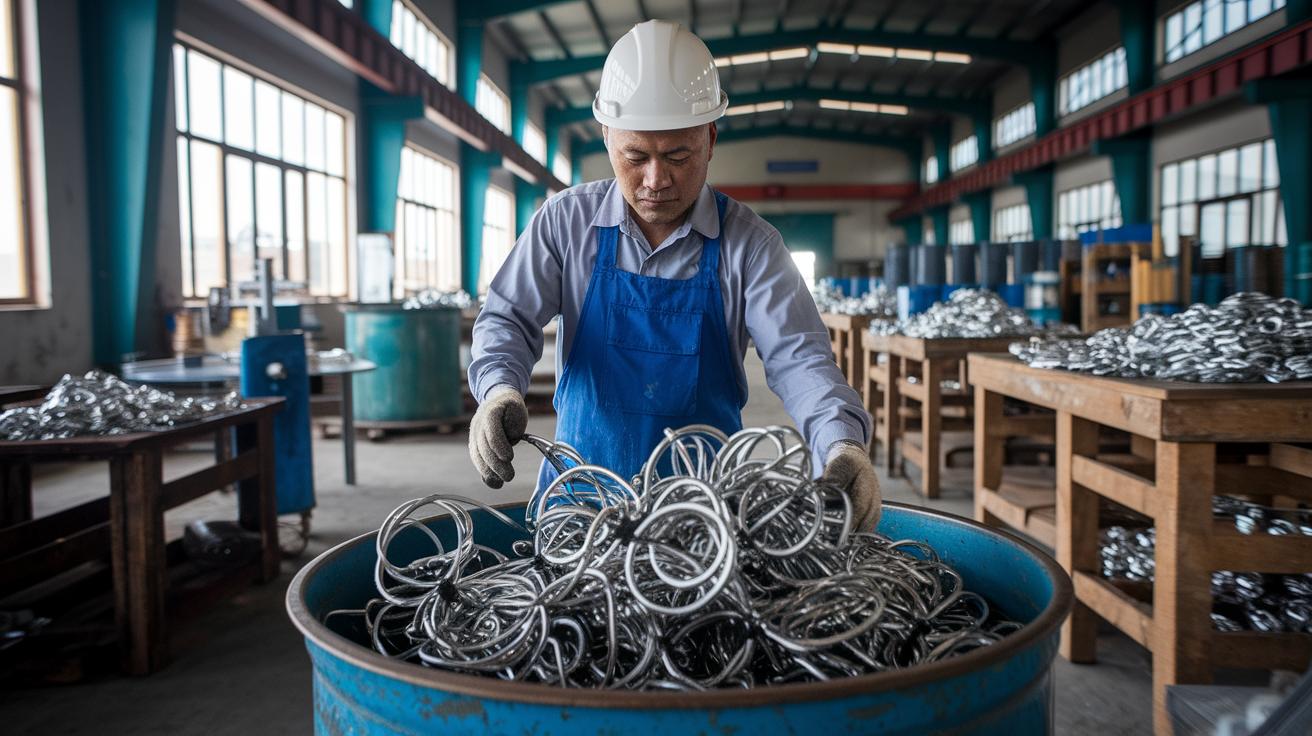
Reduce, reuse, recycle isn’t just a catchy phrase, it’s like a well-worn trail that leads to smarter production in the manufacturing and energy worlds. By designing products that need fewer raw materials, we trim down waste right at the start. And when we reuse parts or recycle scraps into something useful, it’s like giving nature another chance. Picture a small factory that gathers leftover metal and uses it again in its own work, cutting both waste and cost. Cool, right?
Circular economy ideas are like a loop of fresh air for our resources. Companies that keep materials moving in a cycle help extend product lives and nurture resource renewal that’s good for the environment and the economy. Imagine old equipment getting a new life, upgraded and ready for the next adventure. It’s a simple, smart way to keep useful stuff on the trail and lessen the hunt for new materials.
Smart management of land and water also makes a big difference. Think about drip irrigation, which sends water straight to the roots, or rainwater harvesting that captures nature’s own showers. These techniques, along with replanting trees to restore natural cover, feel a lot like caring for a garden where every water drop is cherished and every sapling starts off right. Each step builds resilience in our farmlands and wild spaces.
Good policies and governance round out the picture. When governments offer incentives for using renewables or set penalties for harming nature, it’s like they’re guiding us along a maintained trail. Public campaigns also help folks see the impact of their actions, sparking change throughout the community. For more detailed guidance on these management systems, check out the resources on sustainable resource management (https://blackandburlap.com?p=414). By weaving together careful production, smart consumption, and active conservation, we create a cycle that benefits everyone in the long run.
Final Words
In the action, we explored a clear definition based on the Brundtland Commission and walked through how these resources work hand in hand with nature. We broke down key characteristics, real-life examples, and how sustainable and non-renewable options stand apart.
Strategies and challenges were shared to help you plan with confidence. Keep in mind the guiding idea behind what are sustainable resources and move forward with a bright, eco-friendly mindset.
FAQ
Q: What are sustainable resource examples, and which are examples of sustainable use?
A: The sustainable resource examples include solar, wind, and hydroelectric power as well as responsibly managed forests. These methods meet our needs now without stopping future supplies.
Q: What is sustainable resource management and what does sustainable resource development involve?
A: The sustainable resource management concept covers using conservation techniques and smart policies to keep resources renewing naturally, which ties closely into sustainable resource development for long-term well-being.
Q: How can I access sustainable resource management PDFs, journals, or learn about its impact factor?
A: The sustainable resource management research comes in PDFs and journals that discuss studies and indicators like impact factors, highlighting how influential the work is in academic environmental circles.
Q: What sustainable resource management jobs are available?
A: The sustainable resource management jobs range from environmental consulting and policy development to conservation planning, all aimed at better using and protecting resources for the future.
Q: What are the four types of sustainability?
A: The sustainable four types include environmental protection, economic stability, social equity, and cultural vitality. Each type works together to support resources over the long term.
Q: What is a sustainable short answer?
A: The sustainable short answer explains that resources should be used in ways that balance present needs with the future, keeping them available through smart management and conservation practices.