

Ever had a moment on a canyon trail that made you stop and really feel nature’s magic? Zion Canyon’s hiking trails are calling your name. Some routes are perfect for a gentle stroll, while others invite you to push your limits with a tough climb. Each path comes with easy-to-read details like how far it goes, how steep it gets (that is, its elevation), and the pace you should take. This guide gives you everything you need to pick the right trail for your skills, and trust me, every step lets you taste pure outdoor wonder.
4. zion canyon hiking trails Radiate Pure Wonder
These special trails in Zion Canyon fill you with wonder and work for every type of explorer. The table below shows key info like distance, how much you climb, difficulty, the nearest shuttle stop, and permit details. It helps you pick the trail that suits your pace and skills.
Maybe you'll think, "Let's start with Angels Landing." This trail is a 5.4-mile round trip with 1,488 feet of gain and a series of 21 steep switchbacks that really push you.
| Trail | Distance | Elevation Gain | Difficulty | Shuttle Stop | Permit Required |
|---|---|---|---|---|---|
| Angels Landing | 5.4 mi | 1,488 ft | Strenuous | 6 | No |
| Observation Point | 8 mi | 2,000 ft | Strenuous | N/A | No |
| The Narrows | Variable | N/A | Moderate to Strenuous | 9 / Chamberlain Ranch | Yes (top-down) |
| Emerald Pools | Varies | Low | Moderate | N/A | No |
| Canyon Overlook | 1 mi | 100 ft | Easy | N/A | No |
| Pa’rus Trail | 3.5 mi | Minimal | Easy | Visitor Center | No |
| Watchman Overlook | 3 mi | 500 ft | Moderate | Visitor Center | No |
Every trail here has its own story. Angels Landing tests you with a narrow, chain-assisted ridge after those tough switchbacks. Observation Point offers a stunning bird’s-eye view, even though it's off limits right now. The Narrows takes you along a changing path in a slot canyon with towering walls. Emerald Pools charms you with three neat water spots, while Canyon Overlook is a quick escape to witness the sunrise. The family-friendly Pa’rus Trail follows a smooth, paved path along the Virgin River, and Watchman Overlook brings a moderate challenge with views of famous rock formations. This guide works like a handy map for anyone setting off on a Zion Canyon adventure.
Navigating Zion Canyon Trails Effectively
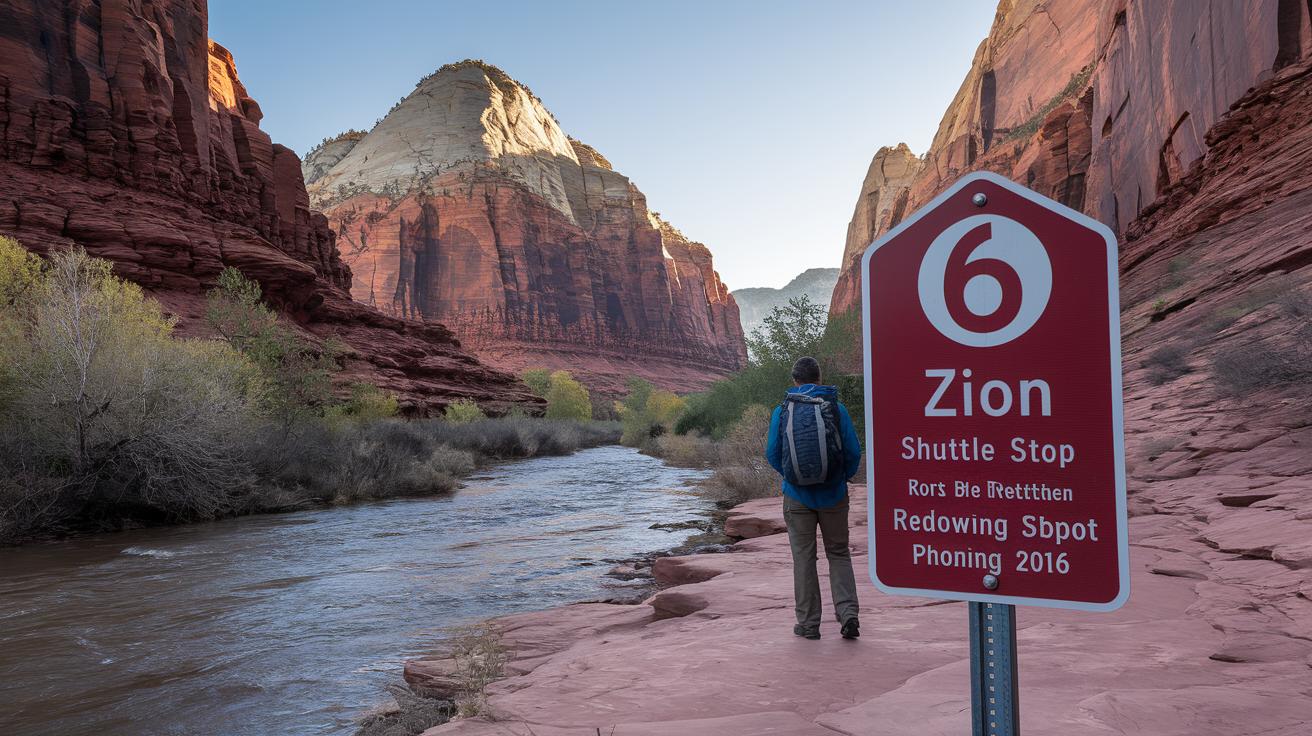
When you visit Zion from March to November, take advantage of the free shuttle that links all the key stops. It goes from the Visitor Center at Stop 1 all the way to Temple of Sinawava at Stop 9. You might start your day at Stop 6 if you’re heading for Angels Landing and Grotto, or choose Stop 9 to reach Riverside Walk and The Narrows. It’s designed so you can focus on the amazing scenery instead of hunting for parking. Imagine climbing aboard like catching a moving map, every stop connects directly to a cool trail waiting for you.
On the winding paths of Zion, you’ll notice bright numbered signs with arrows pointing the way. They work like nature’s own guide, similar to a sign that tells you to take the left turn for a breathtaking view. And if you ever decide to explore off the beaten path, make sure you have the GPS coordinates handy. You can get these from the official National Park Service maps or download them in a hiking app. They’re super helpful when the trail gets a bit unpredictable.
Ever been in the middle of nowhere with no cell signal? Mobile apps like Gaia GPS and the NPS “Zion” app let you download maps for offline use. This means even when your phone loses the signal, you won’t lose your way. Treat these tools like your trusty hiking boots, there to support you with real-time tracking and spot-on route-finding as you soak up the splendor of Zion Canyon.
Scenic Highlights on Zion Canyon Hikes
We pared this section down to keep things simple. Now, each trail’s write-up includes its own photography details, so you get a complete picture right where you need it.
Zion Canyon Hiking Safety and Seasonal Advice
Spring and fall, like April, October, and November, bring in pleasant weather and fewer hikers, so you can really enjoy the trails without the heat getting in the way. When summer rolls around and temperatures climb over 100°F, it’s best to start your hike before 8 AM and snag at least 3 liters of water. Keepin’ track of your limits, especially on steep trails, is a smart move.
- Always pack at least 3 L of water when it’s hot.
- Kick off your summer hikes before 8 AM to avoid the worst heat.
- Check for flash flood alerts in The Narrows after monsoon rains (July–September).
- In winter, use microspikes (small metal grips for icy paths) because icy switchbacks can be dangerous.
- Look up current trail updates since Observation Point is closed now and chains on Angels Landing might be off-limits.
- Remember, top-down hikes in The Narrows need permits, and some technical routes have group size limits.
If you’re ever unsure about trail conditions or if the weather takes a sudden turn, it’s a good idea to check with official sources before heading out. With the right gear and a solid plan, you’ll be prepared for whatever Zion throws your way. And for any emergencies, give Zion dispatch a call at 435-772-3322.
Essential Gear for Zion Canyon Hiking Trails
When hitting Zion’s wild trails, packing smart is the first step. Start with a solid pair of hiking boots that wrap your ankles snugly, perfect for twisty switchbacks and even a splash through a cool creek.
Dress in layers that keep you dry and warm. Pick moisture-wicking shirts, quick-dry pants, and add an extra mid-layer when the morning air is crisp; it turns a tough start into a smooth beginning.
Don’t forget your water. Aim for 2 to 3 liters, whether you’re using sturdy bottles or a hydration pack (that handy pouch with a bite valve) to get you through those long, open stretches.
Bring along trekking poles if you need that extra balance on rugged paths, and pack neoprene socks or water shoes for wet patches. A pair of grip gloves also comes in handy for any chain-assisted climbs.
Sun protection matters, too. Grab a bottle of SPF 30+ sunscreen, a wide-brim hat, and UV-blocking sunglasses to shield you from the harsh glare on open trails.
Before setting off, add a few extras: a headlamp for those pre-dawn hikes, a Zion map (printed or digital), and any necessary permits. And don’t forget energy-boosting snacks like high-energy bars or salted trail mix to keep you fueled along the way.
- Footwear
- Clothing
- Hydration
- Special gear
- Sun protection
- Extras
- Snacks
Sample Zion Canyon Hiking Itineraries
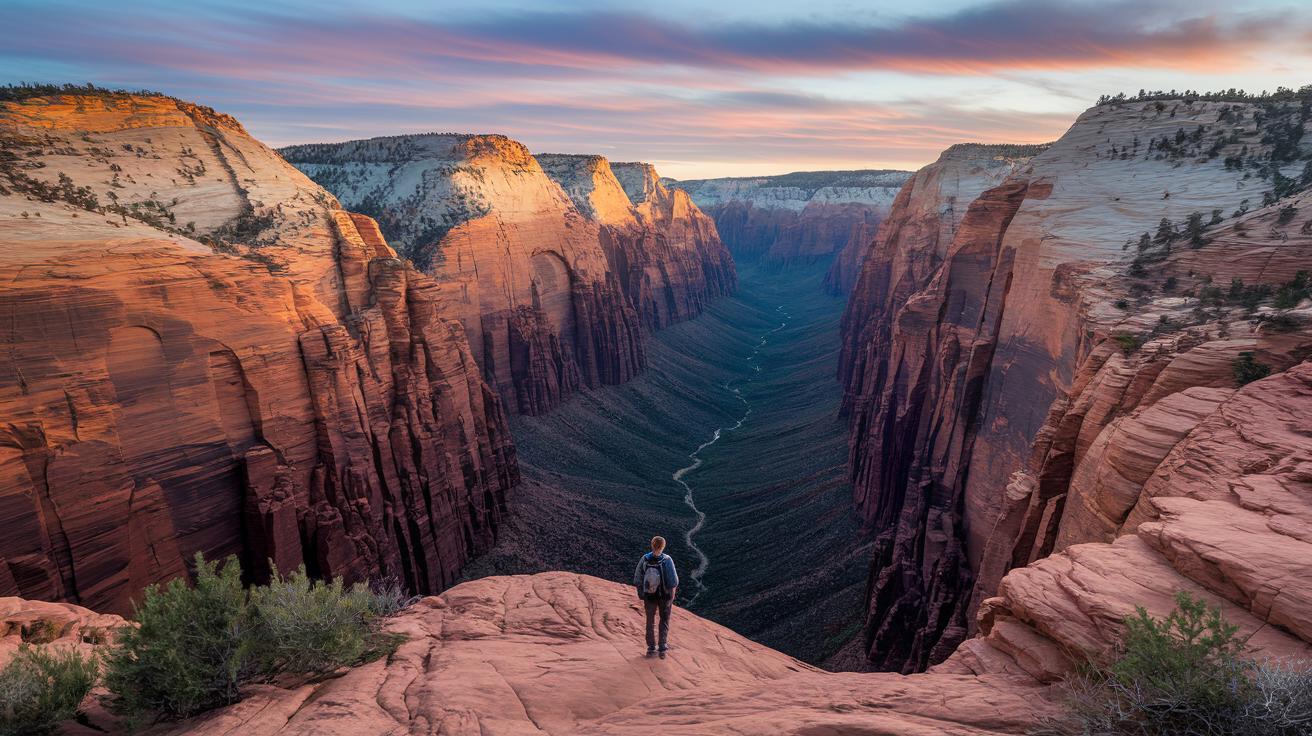
Early Morning Angel’s Landing and Grotto Loop
Start your day at Shuttle Stop 6 at 6:00 AM. Grab your headlamp and enjoy that cool, quiet air as you cover the first mile while it's still dim out there. Then, set out on a 5.4-mile loop at Angel’s Landing. This hike has some steep spots with chains (a helpful boost along a tricky climb) and takes about 4 to 5 hours. Imagine standing at the summit at sunrise, taking in a full 360° view of the canyon walls, it’s a moment you'll always remember. Next, join the 2-mile Grotto Trail along shady riverbanks. It takes around 2 hours, letting the morning sun warm the path as you continue your adventure.
Family-Friendly Riverside Walk and Pa’rus Trail
For a laid-back outing, start with the Riverside Walk. This gentle, 1-mile paved path runs along the Virgin River and lasts about 90 minutes. It’s perfect for families, strollers, or even a casual bike ride. After that, take on the 3.5-mile Pa’rus Trail, which is flat and paved. It’s ideal for a family adventure or a nice midday picnic near the campground. Picture stopping for a break, listening to the gentle sound of flowing water, and just soaking up the sunny day.
Full-Day Rim Challenge: West Rim to Observation Point
If you’re up for a tougher day, you’ve got two options. Option one is a full 16-mile through-hike along the West Rim that takes about 7 to 9 hours, so plan your shuttle stops carefully. Option two is an 8-mile mix that includes a hike to Observation Point and a loop around Kayenta, taking about 5 to 6 hours. Don’t forget to pack a lunch and refill your water at the Grotto for a refreshing break. Each route gifts you dramatic canyon views and a truly rewarding, heart-pounding adventure.
Final Words
In the action, this guide broke down key routes with clear details on distance, elevation, and route challenges. We shared tips on using shuttle stops and trail maps, along with gear advice and safety pointers. Small sample itineraries illustrated both gentle river walks and more challenging climbs. Each section aimed to help plan trips that are both safe and full of nature’s wonder. With hands-on hints and practical insights, you're ready to explore zion canyon hiking trails and make memories that last.
FAQ
What does a Zion Canyon hiking trails map show?
The Zion Canyon hiking trails map provides key details like distances, elevation gains, and shuttle stops to help you plan your hike within Zion National Park.
What are the best Zion Canyon hiking trails?
The best Zion Canyon hiking trails offer a range of options—from challenging climbs like Angels Landing to easier paths such as Pa’rus Trail—ensuring there’s a route for every skill level.
What makes the Zion Canyon Overlook Trail unique?
The Zion Canyon Overlook Trail stands out with its short 1-mile loop featuring sunrise views and secure handrails on narrow ledges, making it an inviting option for quick scenic stops.
What defines the Zion West Rim Trail?
The Zion West Rim Trail provides sweeping views along a rugged path that connects iconic overlooks, offering expansive scenes at the canyon’s edge for those ready to test their skills.
What Zion Canyon hiking trails suit beginners?
The beginner-friendly hikes in Zion, like Riverside Walk and Pa’rus Trail, offer clear, well-marked paths with gentle terrain that let new hikers enjoy nature safely.
What highlights define the Emerald Pools at Zion?
The Emerald Pools reveal a series of waterfalls set against sandstone cliffs with three different trails that vary in difficulty, rewarding hikers with scenic water features along the way.
How does Zion National Park compare with nearby parks like Bryce, Arches, Yosemite, and Grand Canyon?
The comparison shows that Zion National Park offers rugged, narrow canyons with diverse trails, while parks like Bryce, Arches, Yosemite, and Grand Canyon each feature their own striking rock formations and expansive natural vistas.