

Ever wonder if stepping out into nature might be a bit more challenging than you expect? This guide helps you plan your adventure with easy, smart steps. Imagine packing a light bag and trying out a short local hike before you head to more remote trails. You'll get tips on checking the weather, studying maps, and balancing your pack so you can feel safe and confident. Ready to turn the unknown into a clear, inviting path? Let's get started.
First Steps: Planning Your Wilderness Adventure for Beginners
Before you hit the trails, take a moment to map out your adventure with safety in mind. Getting familiar with the land, the weather, and the skills you'll need can really help you steer clear of trouble. Picture packing a light bag, keep it under 40 pounds, and tucking your heavier gear right in the middle for a steady feel, much like prepping for an easy day hike.
Picking the right spot is key, too. Places like national parks are great because they often have trails perfect for beginners. Try a few local hikes first; it's a great way to build up confidence before you head out to more remote areas. This careful approach makes your adventure both safe and enjoyable.
- Look up different spots and study their trail maps so you know what to expect.
- Keep an eye on the weather and local trail updates, Mother Nature can be full of surprises.
- Pack light by assembling a bag with essential gear that weighs under 40 pounds.
- Place your heavier items right in the center of your pack for better balance on the move.
- Don’t forget to check your first aid kit and set up a way to call for help if needed.
- Plan some local practice hikes to get comfortable with your navigation skills.
- Make sure your fitness and skill level match the challenge of the trail you've picked.
Following these steps means your first trek will be both safe and satisfying. When you plan carefully and try out your skills beforehand, you’re in a better spot to enjoy even the more secluded paths. So get ready for a memorable time in nature with a simple, step-by-step plan.
Wilderness Adventure Guide: Essential Gear and Packing Tips for Beginners
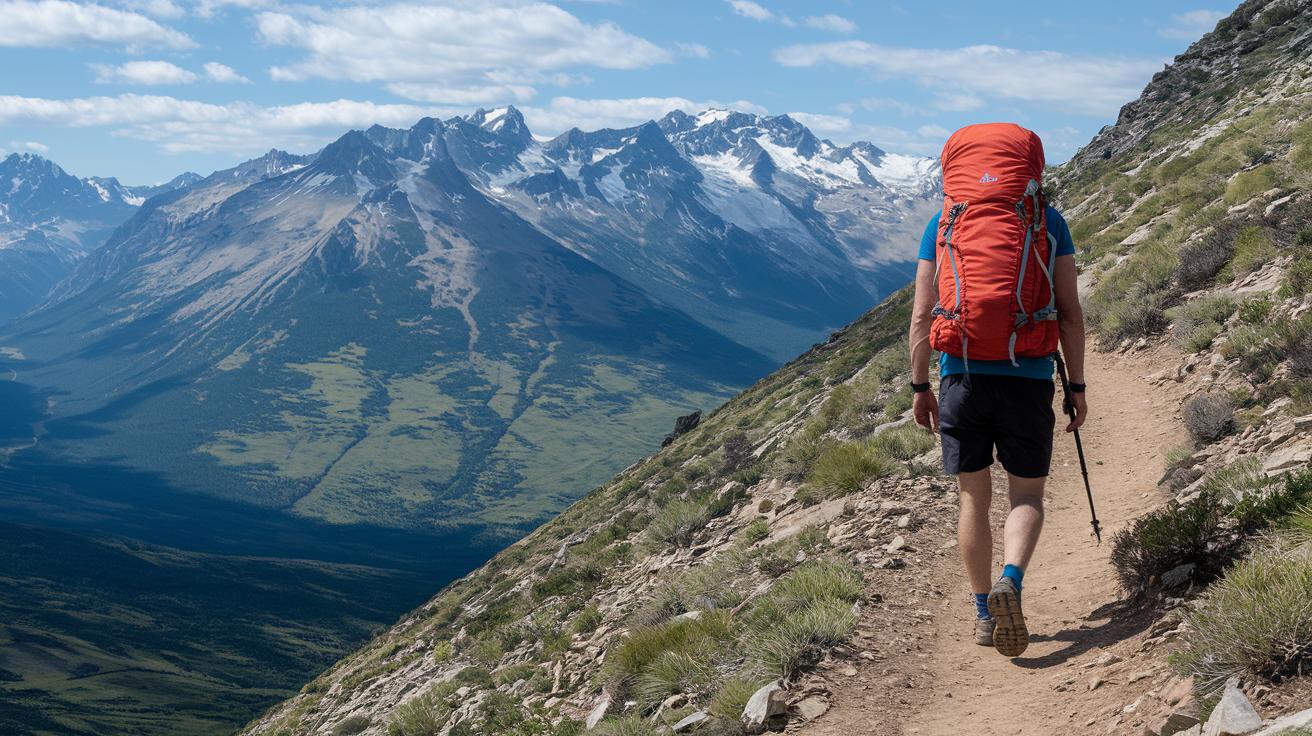
Heading out into the wild means having the right gear can truly change your journey. When you pack, aim to keep it light, about 40 pounds or less. Bring only what matters most. Choose supplies that are tough yet easy to carry. For example, titanium cookware is a smart choice; it's light and can handle super-high heat (up to 1668 °C). Keep your water, snacks, and maps within reach because you'll need them quickly on the move. And don’t forget, look for gear with a solid warranty. Many reliable pieces come with warranties of up to three years so you can count on them when the trail gets rough.
| Item | Purpose |
|---|---|
| Tent | Offers shelter and protection from the weather |
| Sleeping Bag | Keeps you warm and cozy at night |
| Titanium Cookware | Light and sturdy for cooking over campfires |
| Hydration System | Makes grabbing water a breeze while hiking |
| Map/Compass | Helps you navigate and stay on course |
Smart packing is all about a little organization. Place the heavier items in the center of your pack to balance the load and reduce back strain. Keep the things you need most, like water, food, and maps, in the outer pockets or on top so you can grab them quickly. A neat trick is to pack your gear into small pouches to avoid rummaging through everything. As you prepare for your trip, take a moment to check out our camping essentials checklist. This simple step can extend the life of your gear and help you be ready for whatever the wild might bring your way.
Wilderness Adventure Guide: Basic Navigation and Trail Skills for Beginners
Navigation is like having a trusty friend on a new trail. Try out your skills before leaving home to boost your confidence and keep you safe along the way.
Learning to read a map is a must. Grab a topographic map (one that shows hills and valleys) and practice spotting those changes in elevation. On a practice hike, notice how the lines bunch up where the land gets steep. And don’t forget to adjust for declination (that little difference between magnetic north and true north) so your route stays right on track.
A compass and GPS each have their golden moments. The compass is a reliable buddy when your batteries run low, and the GPS gives you your exact spot with modern precision. Using both is like teaming up with an old friend and a clever sidekick, they help guide you without missing a beat.
Keep an eye out for natural landmarks too. Look for special features like unique rock clusters or a bubbling stream as markers along your path. When you see a standout boulder or a winding watercourse, it’s nature’s way of confirming you’re near your turn. These little cues make the journey feel a whole lot friendlier, even on unfamiliar trails.
Wilderness Adventure Guide: Fundamental Survival and Safety Protocols
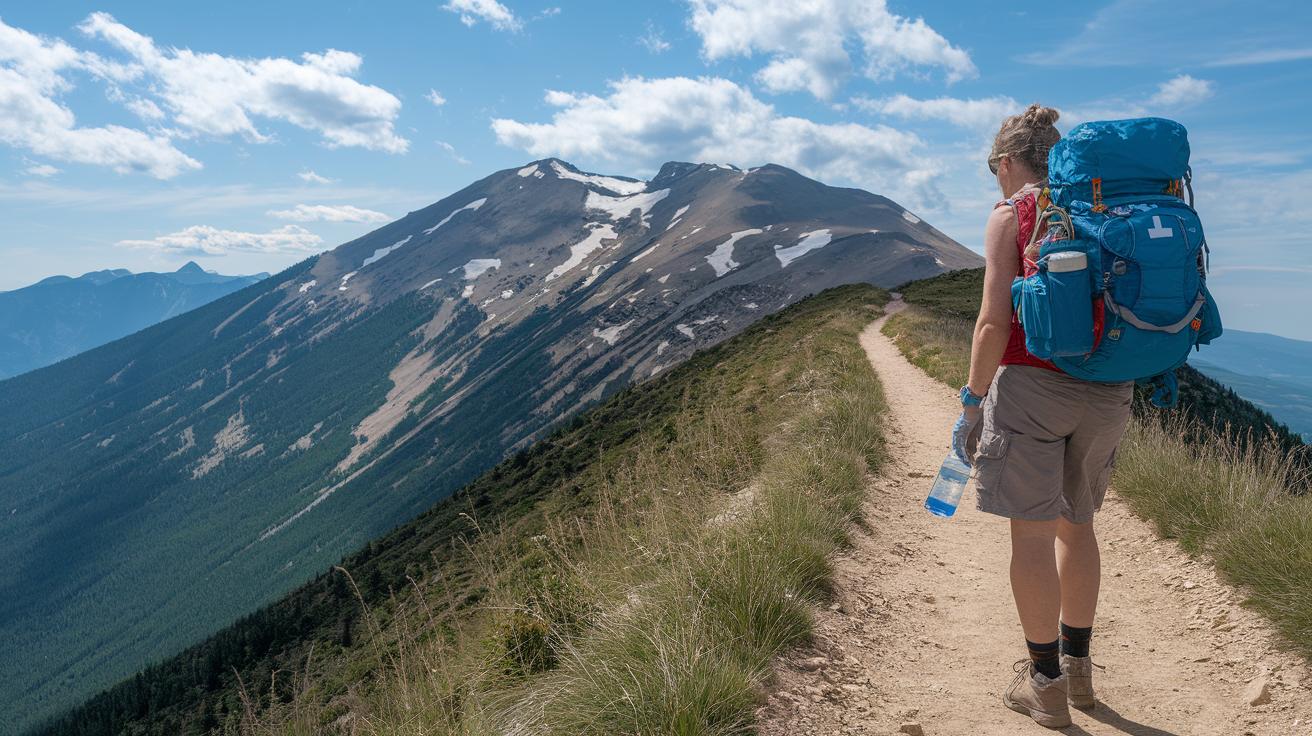
When you’re setting off into the wild, planning ahead makes all the difference. Imagine walking along a quiet trail with the crisp mountain air all around you, knowing that you’ve got a solid plan for unexpected twists. It’s not just about picking a route; it’s about being ready with a game plan for nature’s surprises. Have you ever packed a trusty first aid kit, a few basic shelter pieces, and some supplies to snag water in a pinch? Building your survival skills ahead of time can really boost your confidence out there.
Your first aid kit is like your best trail buddy. Packing bandages, antiseptics, and pain relievers means you can quickly handle small cuts or scrapes. Think of it as a mini toolbox for your body, always ready when a little mishap slows you down. Taking time to check your supplies and practicing how to clean a wound can make all the difference when you’re deep in nature.
Carrying a beacon or even a signaling mirror is a smart move in sticky situations. These handy tools help you send a clear SOS to rescuers when things go sideways. And by learning the basics of building a simple shelter or foraging for water, you’re adding extra layers of safety. It all helps you stay confident and ready for whatever the wild might throw your way.
Wilderness Adventure Guide: Camp Setup, Cooking, and Hydration Basics for New Explorers
When you're setting up camp, look for a safe, flat spot where you can pitch your tent with ease. Stay clear of low-lying areas because water can pool there after a rain. A simple, sturdy shelter, kind of like finding refuge under a big, welcoming tree, will keep you snug when the weather turns. Plus, having your sleeping area separate from your cooking and gear makes moving around much easier, almost like setting up your very own mini base camp.
Now, let’s chat about your cooking gear. A trusty titanium pot (that’s a light, strong pot that heats up quickly) works wonders for boiling water or simmering easy meals when you’re out on the trail. Keep some quick snacks handy, imagine nibbling on granola bars, trail mix, or a piece of beef jerky during a break. A simple cooking setup means you don’t have to lug around too many gadgets, leaving room for other essentials, and a test run at home can help you feel comfy when it’s time to cook out in the wild.
Staying hydrated is key. Use water purification tablets or a portable filter to treat water from natural sources, making sure every sip is safe. Having a dedicated hydration system allows you to grab water on the go, keeping you refreshed as you explore. Plan for regular water breaks and carry both fresh and treated water to match your needs on the trail. After all, being well-hydrated helps keep your energy up and your mind clear while you’re out enjoying the great outdoors.
Wilderness Adventure Guide: Beginner-Friendly Itineraries and Trip Planning

Imagine setting off at dawn in a national park. Picture easy trails winding between smooth hills and open bits of forest. Keep your pack light with just a few essentials, water, a reliable map, and a little first aid kit. For food, stick with simple snacks like granola bars, trail mix, and a bit of beef jerky. These treats will keep you going strong until you finish your loop before night falls. It’s a great way to test your skills and enjoy nature’s calm beauty without overdoing it.
Now, think about a three-day trek that takes you through different scenes, from shady forest paths to sunny meadows with mountain views in the distance. Pack a sturdy backpack with heavier items centered for balance, bring a dependable tent, and don’t skip the basics like cooking utensils. Choose light, dehydrated meals that are easy to whip up and full of protein. At each rest stop, take a quick snack break and check your map to make sure you’re on track. This itinerary brings together nature’s charm with small challenges, perfect for beginner explorers ready for their next adventure.
Wilderness Adventure Guide: Eco-Friendly Practices and Trail Etiquette
When you’re setting up camp, pick a spot that keeps nature happy. Look for a place where others have already camped or where the ground is sturdy enough to handle a few tents. This helps protect local plants and wild critters. Keep your impact low by taking all your trash with you and using biodegradable supplies when you can. If you need to go, use the designated spots or a portable solution. It's all about enjoying the outdoors while leaving nature just as you found it. For more ideas, check out sustainable practices.
Out on the trail, being respectful means tuning in to the sounds of nature and keeping your noise to a minimum. Stick to the marked paths, this helps stop soil from washing away and protects the fragile plants along the way. Always stash your food carefully to avoid attracting wildlife, and follow local rules about fires and cooking spots. These simple steps make sure that everyone can enjoy the outdoors, keeping its charm alive for all the adventurers to come.
Final Words
In the action, we stepped into planning your outdoor trip, learning how to pack light, read maps, and keep safe while setting up camp. We reviewed step-by-step strategies, from checking gear to practicing eco-friendly site selection. Each tip builds on another to empower you with solid advice and practical steps for a rewarding outing. Now, you have a solid base to embrace every trail with confidence. Happy trails on your wilderness adventure guide for beginners.
FAQ
Are there both book and free wilderness adventure guides for beginners?
The wilderness adventure guide for beginners offers both paid books and free resources, each providing clear steps and tips to help new explorers plan safe outings.
Where can I get a wilderness survival guide PDF?
The wilderness survival guide PDF is a handy file that shares key safety tips and essential techniques for managing unexpected outdoor challenges.
What is the salary range for an adventure guide?
The adventure guide salary reflects the skills and effort needed to lead groups safely outdoors and can vary with location and experience.
What survival tips are helpful when lost in the wilderness?
The survival tips when lost in the wilderness emphasize staying calm, using navigation tools like maps and compasses, and relying on visible landmarks to find your way.
What career opportunities exist in outdoor adventure guiding?
Outdoor adventure guide jobs include roles in planning safe expeditions, instructing new explorers, and managing group outings in natural settings.
What training do wilderness guides need and how do I become certified?
The wilderness guide training and outdoor guide certification cover essential skills such as navigation, safety protocols, and first aid, with accredited courses available for hands-on learning.