
Ever wonder what happens when we plan today while thinking about the future? It's a bit like packing your supplies carefully before a long hike so that you and others aren't left out in the cold later on.
We try to balance our growing towns and roads with the beauty of nature that gives us fresh air, clean water, and a place to call home. In simple terms, it shows us a bright path where our everyday life and nature work side by side, making sure we have what we need now and for tomorrow.
Understanding Sustainable Development: Definition and Scope
Sustainable development means meeting today's needs without stealing the future. It's like planning a long camping trip, you pack enough supplies for a fun day out and still save something for the next adventure. In simple terms, as we build homes, schools, and shops, we also take care not to use up all the natural wonders our kids and grandkids will need.
There are over 200 ways people describe sustainable development. That tells us the idea is pretty simple at heart, but the details can get tricky. It’s not just about nature; it's about keeping a good balance between a strong economy, healthy communities, and a cared-for environment. We make sure that today’s progress doesn’t leave tomorrow empty-handed, helping both people and nature flourish.
Core Principles and Pillars of Sustainable Development

Sustainable development stands on three important pillars, each working together just like a well-laid out campsite. First up, economic growth builds chances for everyone to find steady work and support their families. It’s like picking the best trail on your trip, you need a sturdy path to reach your destination.
Next, environmental protection means looking after our wild spaces while using nature's gifts wisely. It’s a bit like keeping your campfire neat so you leave no trace and nature stays fresh for the next campers. This part is all about keeping our forests, streams, and air clean by stopping pollution and protecting wildlife homes. For example, using renewable energy (clean power from natural sources) to run local projects helps cut waste and saves energy for tomorrow.
Finally, social inclusion ties it all together, making sure everyone gets a fair share of work opportunities, health care, and education. Imagine gathering around a campfire with everyone, from the youngest to the eldest, sharing stories and ideas. When everyone is welcome, the whole group feels stronger and more secure.
Here’s something to think about: well-planned development is like setting up camp, every careful step helps us enjoy the beauty now while keeping it safe for those who follow. Together, economic growth, caring for our environment, and including everyone pave a balanced path toward a bright future.
The UN Framework: Sustainable Development Goals and the 5 Ps
Back in 2015, the UN rolled out a big plan called the 2030 Agenda for Sustainable Development. Think of it like setting out on a long hike with a trusty map that marks every key landmark. This plan points to 17 clear goals, from fighting poverty to acting on our changing climate. It’s a simple guide to taking care of people and nature, while still growing our economies.
Let’s break down some hard facts. In 2020, around 724 million people lived in extreme poverty, like being lost on a rough trail. And if nothing changes, reaching full gender equality might take as long as 300 years. Plus, scientists warn the Earth could warm past 1.5°C sooner than we’d like if we don't change our steps. It’s a call for all of us to work together like a tight-knit hiking group.
The heart of the plan rests on five friendly ideas, known as the 5 Ps: People, Planet, Prosperity, Peace, and Partnership. These ideas help guide efforts to give everyone a fair chance, keep our wild places safe, boost local economies, create secure communities, and build strong global ties.
| Pillar | Focus Areas |
|---|---|
| People | end poverty and hunger, ensure health and education |
| Planet | protect ecosystems, combat climate change |
| Prosperity | foster economic growth, decent work |
| Peace | promote justice, strong institutions |
| Partnership | strengthen global cooperation |
What is Sustainable Development: Bright Future
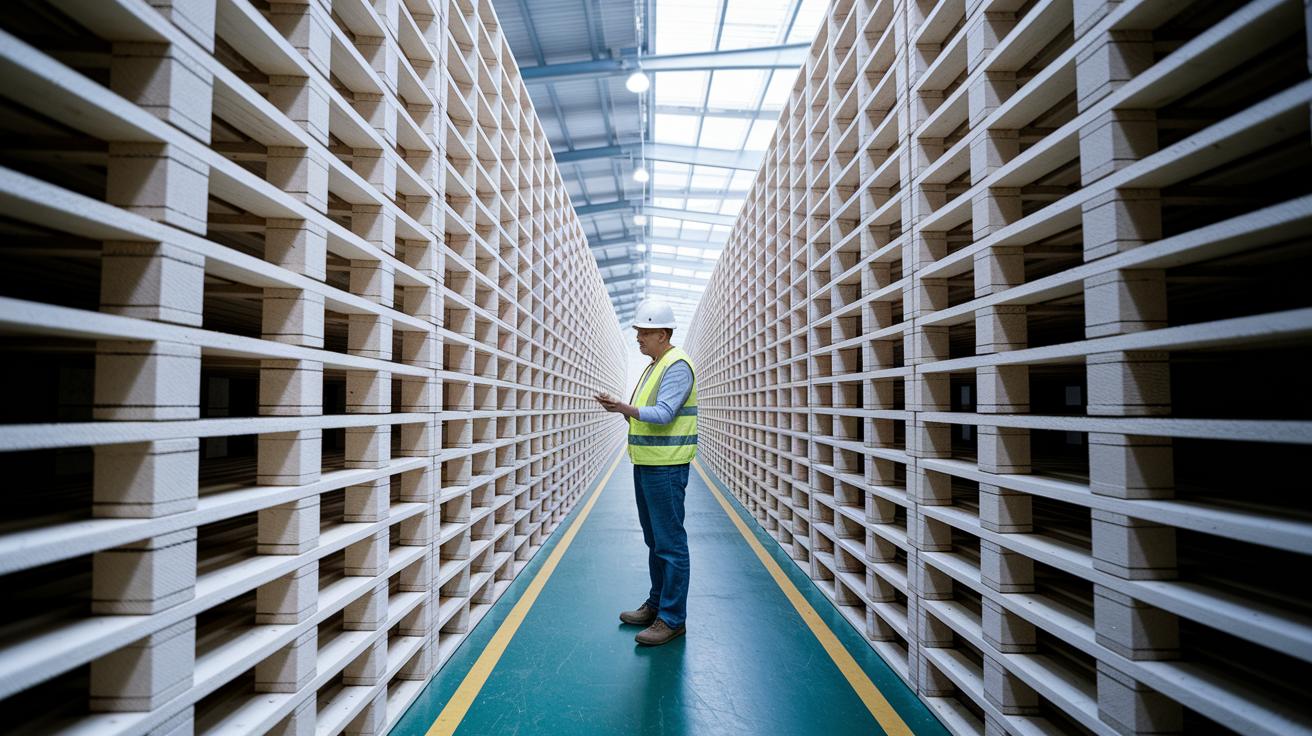
Companies are stepping up by choosing clean, green energy and responsible practices that help both their bottom line and our world. They light up offices and run factories on renewable energy, think solar panels and wind turbines, just like swapping an old camp stove for a modern, energy-saving one on a quiet trail.
Imagine a business that uses FSC-certified forestry products. That means the wood and paper come from forests cared for in a way that's kind to nature and local folks. One company even runs its production line on renewable electricity, cutting down on pollution while saving money. It’s like replacing a rickety old generator with a steady, eco-friendly model that never runs out of fuel.
Companies are also putting their money into smart tech. They check on their forest supplies using satellite data and digital tracking methods (like blockchain). These tools work like extra eyes on a lookout, making sure every bit of material meets high standards. And guess what? These green tech choices help local jobs grow and keep our ecosystems healthy.
In truth, investing in these innovations is a clear path to a sustainable future, one that takes care of both today and tomorrow.
Community and Consumer Influence on Sustainable Development
Every decision we make in our own backyard tells a story about what matters to us. It’s like picking a well-kept trail over one that’s worn out. When you buy FSC-labeled paper or ethically made coffee, you’re backing choices that care for our land and its people.
Local community projects really make a difference too. Think about setting up a community garden or starting a resource regeneration project, like mapping out a lovely picnic spot in a quiet clearing. These small, caring actions show that every little step counts in protecting our land.
Efforts to raise consumer awareness and citizen-led projects are much like trail markers on a hiking path. A neighborhood meet-up discussing recycling tips might lead to a bigger chat about reducing waste or making fair products. These gatherings not only bring folks together but also urge business leaders and local government to pay attention.
Simple choices made by community members and thoughtful buying habits help guide production toward being responsible. In this way, we clear a bright, steady path toward a future where nature and people thrive together.
Challenges, Metrics, and Future Directions for Sustainable Development
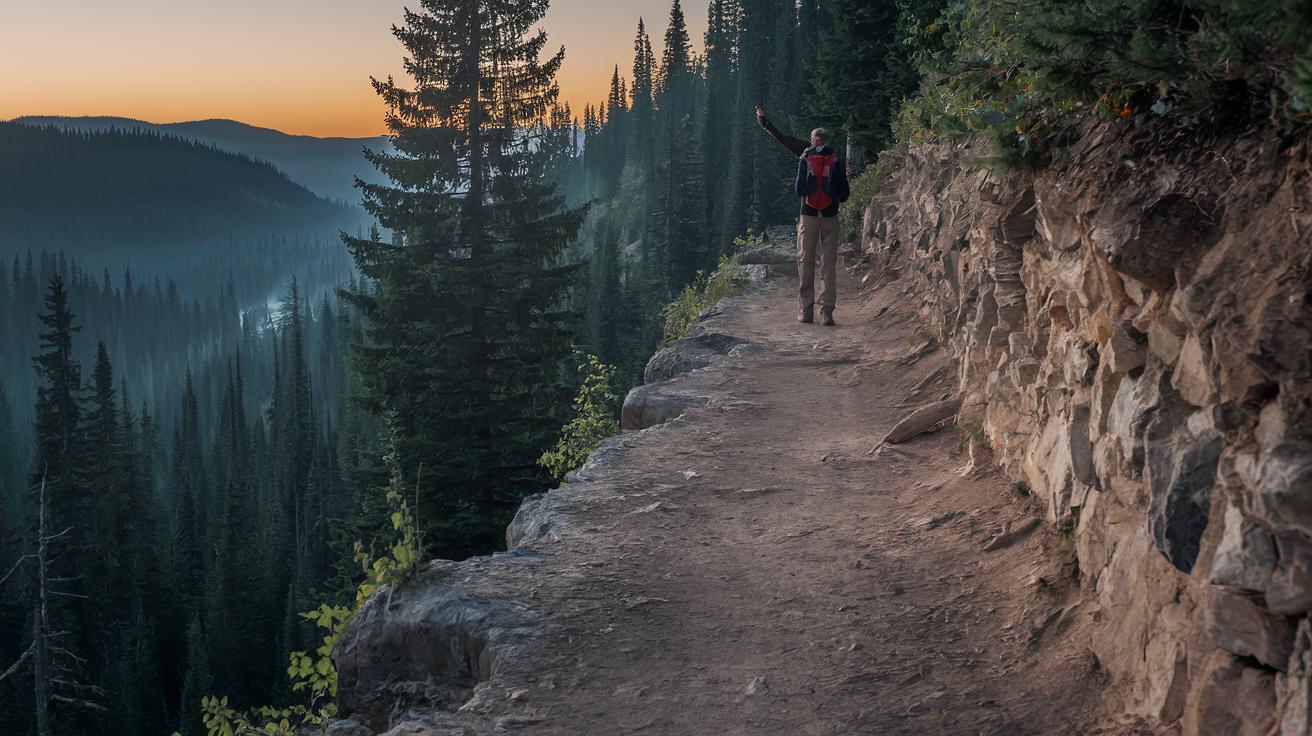
Nature can be unpredictable, like a trail that suddenly crumbles beneath your feet. Deforestation, unchecked industrial habits, and poor resource care can hurt the whole ecosystem, much like a campfire that suddenly blazes out.
We check our progress the way we count steps on a long hike. We look at numbers for poverty drop, fair treatment for everyone, and keeping our climate targets in check. Even small changes, like locals recycling a bit more, add up, just as every extra mile counts on a well-planned trek.
Governments are switching gears, adjusting plans like you’d lighten your backpack when the trail gets steep. They’re building stronger policies and teaming up experts from different areas to guide us toward a balanced future. It’s like mapping out a route that watches for sudden weather changes, keeping every hiker safe.
Every individual effort counts too. Local groups planting trees or cleaning a nearby creek make all the difference, just like checking your gear before a long journey. These little actions build up a strong, steady trail against nature’s setbacks.
As policymakers, businesses, and community groups join forces, they’re focused on making plans that work not just today but for the explorers of tomorrow. Small acts, clear goals, and smart planning together create a bright pathway for sustainable development.
Final Words
In the action, we explored what is sustainable development and how it balances today's needs with tomorrow's promise. The post broke down the key pillars, economic growth, environmental protection, and social inclusion, and explained how the UN’s framework guides global targets.
We also saw how smart business steps and community choices make a difference. Every step, from ethical consumer choices to better planning, supports responsible growth. Stay curious and keep nurturing the world around you.
FAQ
What is sustainable development?
The definition of sustainable development means meeting current needs without hindering the future. It teaches us how to grow business and communities by balancing economic progress with environmental care and social well-being, as seen in school lessons and Geography.
What are examples of sustainable development?
Examples include using renewable energy, reducing waste, and protecting green spaces. These practices show how communities can grow economically while preserving ecosystems and creating a fair environment that supports education.
What is Sustainable Development Goals?
The Sustainable Development Goals are 17 targets set by the United Nations to end poverty, protect nature, and improve health and education. They guide global policies by outlining key areas for responsible growth and community care.
What are the three pillars of sustainability?
The three pillars rest on economic progress, environmental protection, and social inclusion. Each pillar supports responsible growth by ensuring communities have fair work opportunities, a healthy natural environment, and access to education and quality services.
How can I learn more about sustainable development?
You can explore more by reading essays, accessing free PDFs, or checking out textbooks dedicated to this subject. These resources break down essential ideas like natural preservation, balanced growth, and community education in clear, simple terms.
What is sustainability?
Sustainability means using our resources wisely so that current living standards are maintained without harming future prospects. It focuses on protecting ecosystems, caring for the natural environment, and promoting clear, accessible education.