
Ever wonder if a nearly weightless shelter could keep you safe on a trail? An ultralight bivy is a snug, streamlined cover that wraps your sleeping gear in a simple protective layer.
It might sound too basic, but this little setup fights off wind, bugs, and even a few small critters. Picture ending a long day with a camp setup that cuts down on the extra load while still giving you the protection you need for a peaceful night under the stars.
Ultralight Bivy Essentials for Backpacking
Ultralight bivy sets are a real lifesaver for backpackers who want to keep their load light. They serve as a no-frills, personal hideaway where you can rest beneath open skies or under a simple tarp. Think of it like a snug cover for your sleeping bag, quilt, and pad all in one. Ever dreamed of having just what you need to sleep safe and sound in nature without carrying extra bulk?
These bivy sacks help protect your gear from wind, bugs, and even little critters like mice. Most feature built-in mosquito netting (a mesh that keeps bugs at bay), though sometimes a few pesky insects might find a way in when conditions aren’t perfect. You can choose between full-mesh models, which let in cool, fresh air on warm nights, and fabric-top versions that block the wind and a chill. Plus, a handy side zipper adds just a bit of extra access without weighing you down.
This simple shelter works best in dry, calm spots like the Mountain West or Desert Southwest, places where the air is clear and bugs are few. Because bivies aren’t fully waterproof on their own, most backpackers add a lightweight groundsheet for a little extra protection against moisture. That extra layer keeps your sleeping spot dry so you can relax under a starry sky while still keeping your pack light.
Ultralight Bivy Material & Performance Construction
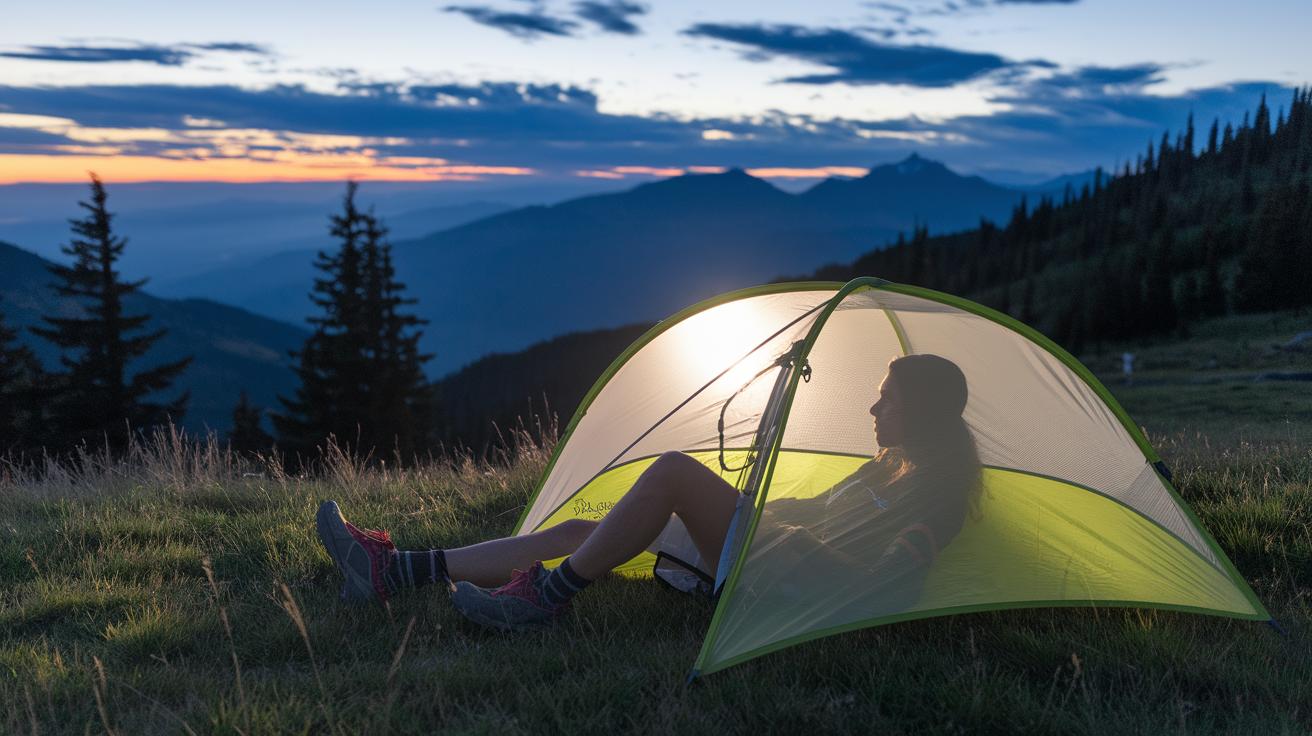
Mesh-top bivies like the Borah Bug Bivy and OR Bug Bivy are perfect for those warm nights when you want to feel the cool air. They use modern fabric that keeps you dry from sudden drizzles without weighing you down. The design is simple and light, even with a side zipper that adds just around 0.5 oz. Imagine settling in on a warm evening, the gentle breeze flowing through the mesh while bugs stay well away – it’s nature meeting smart design.
Fabric-top bivies such as the MLD Superlight and ZPacks Splash are built for when the weather gets a bit nippy. They work hard to lock in heat and control moisture so you stay cozy even in brisk winds. Sure, they carry a tad more weight because of the thicker, protective fabric, but that extra heft means they stand strong against cooler conditions. Often, you’ll find a waterproof floor included, though many still pack an extra groundsheet for that extra bit of safety.
| Feature | Mesh Top | Fabric Top |
|---|---|---|
| Protection | Good bug-blocking with light wind support | Strong wind and cool-weather defense |
| Ventilation & Weight Impact | Great airflow, almost no added weight | Slightly heavier due to thicker fabric and extra zipper |
| Ideal Conditions | Warm, bug-friendly settings | Windy, cooler nights |
Ultralight Bivy Setup & Integration with Tarp Systems
If you’re planning a night under the open sky, pairing a bivy with a tarp is a smart way to stay light yet protected. This simple setup gives you freedom and a sense of minimalism without compromising on shelter. It’s like having a field-tested solution that lets you pitch camp fast and sleep soundly whether you're out cowboy camping or just savoring the night outdoors.
Open-Sided Tarps
Open-sided tarps welcome a ton of fresh air, making your space feel open and inviting. But sometimes that same openness lets in a sneaky gust of wind or a sudden burst of rain. Picture yourself settling under the tarp on a breezy evening, only to pause and double-check every tie-down as the wind picks up. Those big views come with a little extra caution when dark clouds gather.
A-Frame Tarp Options
A-frame tarps are built around a pre-shaped ridgeline, so you can set them up in moments. This quick deployment means you get more time to kick back by the campfire. But remember, the open ends can let the wind or rain slip through when the weather turns wild. It’s like having a roof that’s fast to raise but asks you to keep an eye on your surroundings.
Groundsheet Importance
Tossing a groundsheet under your bivy or tarp is a wise move. It’s an extra layer that stops damp ground from seeping up, keeping your sleep space nice and dry. Think of it as a dependable barrier against sneaky moisture when the trail turns soggy, adding comfort without a lot of extra weight.
Regional Considerations
Your gear choice might shift with the landscape. Out in the rainy Pacific Northwest, where drizzling skies and curious critters are part of the scene, you might opt for a larger tarp like a 10′×12′ model or even a modular shelter. In warmer, less rainy Eastern areas, a compact A-frame setup paired with a groundsheet can do the trick without weighing you down.
Ultralight Bivy Performance in Diverse Climates
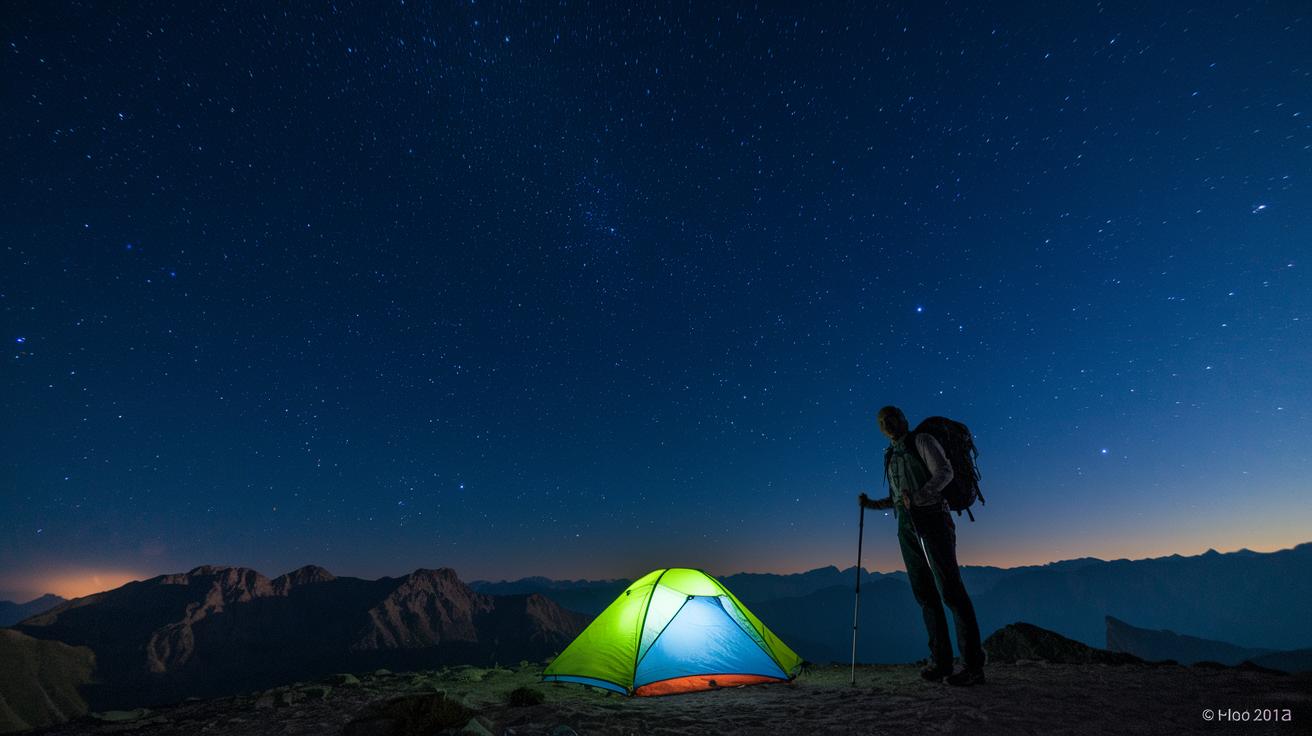
Out in the Mountain West, the air is dry, calm, and mostly bug-free. The ultralight bivy really comes into its own here. It acts like a snug shelter, keeping you at just the right temperature for a good night's sleep, without any extra hassle. Picture yourself under a starry sky, breathing in the crisp mountain air while your bivy stands guard.
In the Desert Southwest, things are similar. These regions have stable, dry conditions that already keep pesky insects at bay. The bivy becomes your simple, smart sleep spot, balancing the heat and cool of the desert. It lets you pack light, leaving plenty of room for you to just enjoy the vast, open sky.
Then, in the Eastern Woodlands, the scene changes a bit. With more bugs around and temperatures that can swing wildly, a basic bivy might feel a little too open. Many campers here choose to bundle up with a bug-proof nest or even pitch a full tent. That extra wrap helps keep the temperature steady and the critters away on lively nights.
In the Pacific Northwest, the challenges multiply with constant rain and active insects. Here, venturing out with just a basic bivy isn’t enough. Campers often turn to a full-sided modular shelter or a larger tarp for more protection. This setup creates a dependable shelter that stands strong against driving rain, ensuring your minimalist sleep spot still works like a true weather shield.
Ultralight Bivy Weight & Packability Metrics
Every little design choice in these sleep pods counts when you’re packing light. For example, adding a side zipper bumps up the weight by about 0.5 oz, just a small price for easier access. The waterproof floor is built to be super light, and if you go for a winter version with poles or rods to give you extra space, expect a bit more heft. Usually, these ultralight bivys hit around 8–12 oz in total. That way, you get a lean, weather-protecting shell without overloading your pack on those long treks.
Packing smart can really make your day on the trail smoother. Try rolling up your sleep pod into a neat bundle to save space for your other essentials, just like you’d roll up a burrito at a campfire cookout. Tuck it into a specific compartment or a side pocket in your backpack where it won’t bounce around. Using these simple tricks keeps your gear tidy and ensures your bivy is always ready to be your little shelter under the stars.
Comparison of Top Ultralight Bivy Models

Heading out for a light sleep solution in the backcountry? The perfect bivy can really change your night under the stars. These shelters mix a simple design with smart protection for your gear. Some come with full-mesh tops that work great when the skies are clear and warm – letting in fresh, cool air. Others sport a fabric top that turns your bivy into a snug little capsule during blustery, chilly nights. It all depends on what you need on your trek – whether you’re after an open, airy setup or a tight, warm guard against the cold.
| Model | Top Material | Best Use | Notable Feature |
|---|---|---|---|
| Borah Bug Bivy | Full-Mesh | Warm, bug-free nights | Excellent ventilation design |
| OR Bug Bivy | Full-Mesh | Summer conditions | Open airflow comfort |
| MLD Superlight | Fabric Top | Windy, cooler nights | Superior wind protection |
| ZPacks Splash | Fabric Top | Chilly conditions | Moisture control with light frame |
| OR Alpine Ascent | Fabric Top with Rods | Harsh winter settings | Collapsible rods for extra space |
| Rab Ridge Raider | Fabric Top with Rods | Extreme cold | Enhanced interior livability |
If you’re a backcountry sleeper who values a mix of ease and protection, try a full-mesh model like the Borah Bug Bivy or OR Bug Bivy on warm nights. But if you’re expecting a cool, bumpy breeze, fabric-top bivies like the MLD Superlight or ZPacks Splash are a trusty bet. And when the night gets extra chilly and you need a little more room to breathe, the OR Alpine Ascent and Rab Ridge Raider with their collapsible rods are top choices.
Expert Advice for Maximizing Ultralight Bivy Use
Managing moisture out on the trail is a real game-changer. A handy tip is to set up your bivy with the head end down so any dew or condensation drips away, keeping your shelter nice and dry. Sometimes, unzipping a bit of the mesh can boost the airflow, kind of like cracking a window when the air feels still.
Another idea is to fasten the netting with stakes or guylines. This small step lowers the spots where moisture could cling and helps fresh air move through. And don’t forget to pack a light groundsheet; it’s a great extra guard for your floor when things get damp.
Weather changes can also tweak your bivy’s performance. In warmer weather, a mesh top lets in plenty of breezy air, but when it gets cold, a fabric top helps keep your heat close by. Plus, that side-zipper isn’t just for style, it stops drafts and makes it quicker to get in and out. With these field-tested tips for airflow, moisture control, secure staking, seasonal adjustments, and easy entry, your ultralight bivy stays comfortable and dry on every adventure.
Final Words
In the action of exploring ultralight bivy essentials, we’ve unpacked how these compact shelters shield your sleep gear from nature’s whims. We covered the fabric choices, smart setups with tarps, and tips on staying cool and dry.
These insights help you cut weight and keep your pack light while still offering protection. With practical advice from trail experts and detailed gear comparisons, your next trip will feel like a peaceful break in nature. Enjoy your time under the stars with an ultralight bivy.