

Ever wonder what makes a camping trip truly unforgettable? It might be that trusty tent, a comfy sleeping pad, and a few clever tools that brighten those dark hours.
Packing smart turns a night under the stars into a little home away from home. In this post, we share a simple checklist of must-haves that keep you safe, cozy, and ready to embrace nature.
Have you ever felt the magic of a night outdoors? Stick around and learn how to pack right for a perfect adventure.
Essential Tent Camping Gear Checklist
Getting the right gear makes camping feel like a home away from home. It’s all about packing smart so you can enjoy every moment outdoors, from the crisp night air to a warm chat by the fire. Whether you’re new to tent camping or a seasoned camper, having the right stuff helps you kick back, relax, and really enjoy nature.
Before you set off, gather items that add comfort and keep you safe. Here’s your down-to-earth checklist:
- A tent that's a bit roomier than your group, add space for two extra folks
- A comfy sleeping pad that cushions you and keeps the chill away
- A cooler sized just right for your trip, one that holds ice longer and keeps critters out
- An inflatable solar lantern that brightens your nights for over 3.5 years
- A headlamp around $30 or an extra flashlight with fresh batteries
- A fire starter kit with matches, a lighter, flint & steel, plus extra tinder like dryer lint
- A trusty cast iron skillet perfect for one-pan cooking
- A camp stove paired with a cooking fly or tarp so weather won’t spoil your meals
- A waterproof first aid kit (around $17.95) stocked with antiseptic oils such as Tea Tree and Lavender
- Pre-planned meals and biodegradable camp soap that mixes 1:3 with water
This gear covers your shelter, comfort, cooking, and safety needs. Pack these essentials, and you’re all set for a smooth, enjoyable night under the stars.
Selecting and Setting Up Tent Shelter Essentials
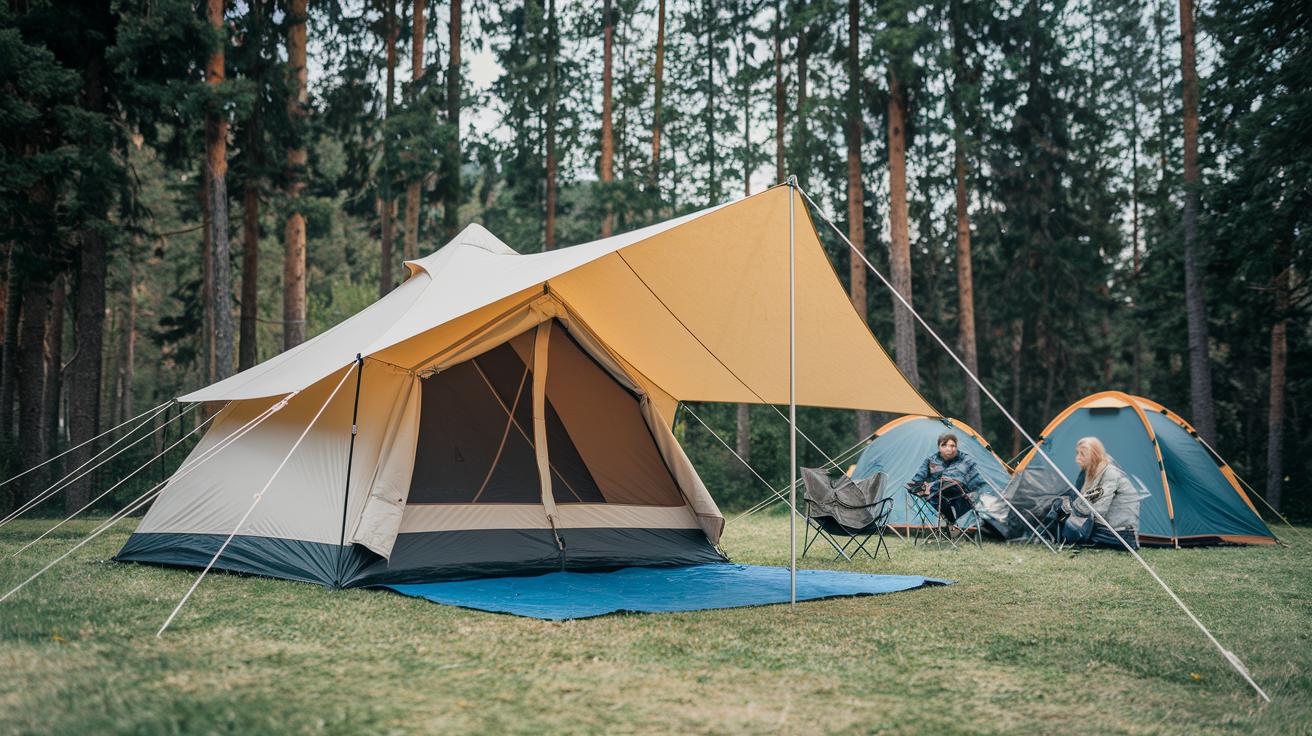
Your tent is like your trusty cabin in the wild. Make sure it’s big enough for not just you but also a bit of extra gear or that unexpected helper. Choosing a tent with room for two extra people means you're ready for those surprises while keeping dry and comfy, no matter what the weather throws at you.
Don’t forget to protect your tent from the rough ground. Lay down a groundsheet or footprint to guard against sharp rocks and dampness. If you add a full-coverage rainfly, it's like wrapping your tent in an extra layer against wind and rain. And, be sure to use stakes and guylines that suit your campsite’s soil and breezy days so your shelter stays steady when nature gets lively.
Before you pitch your tent, clear away any rocks, branches, or debris to find a smooth, solid spot. Stake it out in a neat grid and adjust the tension so it easily sheds water. This careful setup not only extends your tent’s life but also makes your outdoor sleep space way more comfortable.
Choosing the Right Tent
When choosing your tent, think about space, season ratings, and durability. A tent with extra room lets you store gear and offers more breathing space. Look for tough materials that can handle scrapes and wild weather; a strong, durable footprint will also help protect the inside. Together, these features give you a shelter you can really count on.
Proper Tent Setup Steps
Start by finding a clear, level spot and clearing away any debris. Secure your shelter by anchoring your stakes in a grid pattern, and tighten each guyline carefully so your tent stays firm. Finally, hang the rainfly to lock in superior protection against rain, leaving you ready for a relaxed night under the stars.
Sleeping System Essentials for Tent Camping
A good night’s sleep is a must when you’re out in the wild. Think of your sleep system like your personal camp bedding kit, it keeps you comfy and shields you from the cold, hard ground. Every piece, from the sleeping pad to your bag and extra layers, works together to give you a warm, cushioned spot, just like your own little cocoon under the stars.
Sleeping pads really make a difference. Whether you grab a trusty foam pad, a self-inflating mat, or even one of those compact air mattresses, each option not only softens the rough terrain but also helps trap your body heat. Imagine settling down after a long day of hiking, knowing your pad is there to keep the chill at bay. It’s like giving yourself a cozy hug from nature.
When it comes to your sleeping bag, pick one that matches the lowest temperatures you expect. This way, it keeps your body heat locked in all night long. And if you ever feel a bit chilly, throwing in an extra liner or a packed blanket can add that extra bit of warmth without weighing you down. Simple changes like these can make your cool, quiet night outdoors a whole lot cozier.
Cooking and Food Storage Essentials for Tent Camping Trips
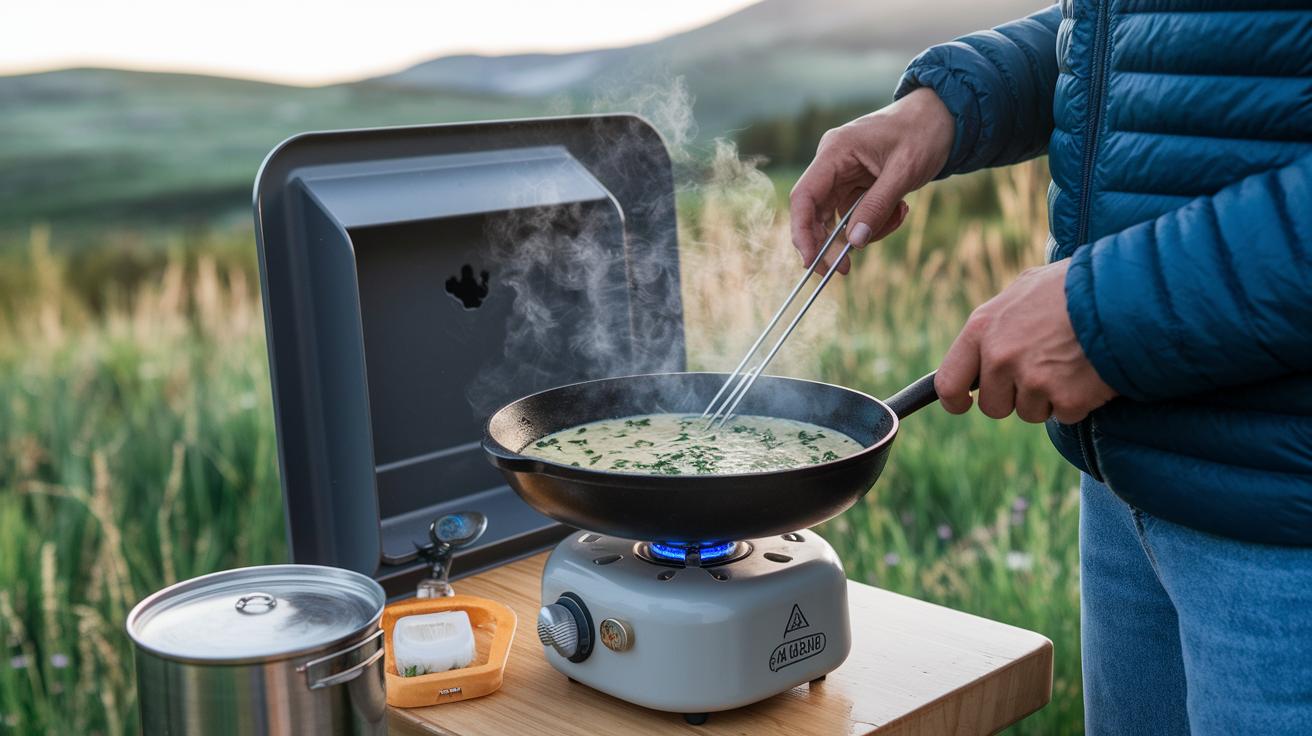
Step up your camp cooking with creative ideas that make meal times as exciting as a trail adventure. Instead of just mentioning a small stove or trusty cast iron skillet, think of them as your partners in a flavor-packed journey. Ever tried tossing a handful of fresh herbs and a pinch of spice into your bubbling stew on a camp stove, shielded from the wind? It’s a surefire way to brighten up your meal.
Picture your compact stove and skillet as your very own outdoor kitchen. With these tools, you can whip up a one-pan veggie hash or even camp-style fried rice that cooks just right, even under the open sky. I remember one trip when I used a cast iron skillet to sear some fish over an open flame, it gave the fish a perfectly crispy edge while staying tender inside.
Keep your cooking toolkit sharp with smart utensil choices that cut your prep and clean-up time. Stackable, rust-resistant utensils can double as organizers, neatly keeping ingredients separate until you’re ready to cook. A handy multi-tool can open cans, cut rope, or even adjust your gear when the weather turns, saving you a tricky moment on the trail. I once tightened a loose grilling rack with a quick twist from my favorite multi-tool.
When it comes to storing food and keeping your water safe, a good cooler does more than just keep stuff cold, it can be a real lifesaver. Look for coolers with separate sections to sort different foods, making it easy to grab your ingredients or save leftovers. One time, I packed perishables in small bins inside my cooler so everything stayed fresh and easy to find until dinnertime. And pairing that with a portable water filter means you’re set for long, satisfying days in the wild.
Lighting, Fire Starters, and Safety Gear for Tent Camping
When night falls, your gear should work as hard as you do. A solar-powered inflatable lantern brings a steady glow for years, as long as you give its panel a quick clean now and then. A handy headlamp, usually around $30, lets you keep both hands free to check your map or whip up a snack. And a spare flashlight with fresh batteries means you’re covered on those extra dark, cloudy evenings.
Lighting Solutions
Light up your camp with a solar lantern that’s as reliable as a clear night sky. Its long-lasting charge means you won’t be fumbling around in the dark. When you need a focused beam, say, while cooking or reading a map, a headlamp is your best friend. And keeping a backup flashlight with spare batteries ensures you’re never caught off guard.
Emergency and Fire Essentials
Pack a fire-starting kit that’s ready for any situation. With matches, a lighter, flint & steel (for sparking a flame quickly), and extra tinder like dryer lint, you’re set to start a fire even when it’s chilly. Give it a quick check from time to time to keep everything in tip-top shape. A waterproof first aid kit with antiseptic oils for scrapes and burns adds another layer of safety. Plus, a whistle, a lightweight signaling mirror, and a space blanket round out your emergency supplies, turning potential mishaps into just a small bump on your outdoor journey.
Organizing and Maintaining Tent Camping Gear
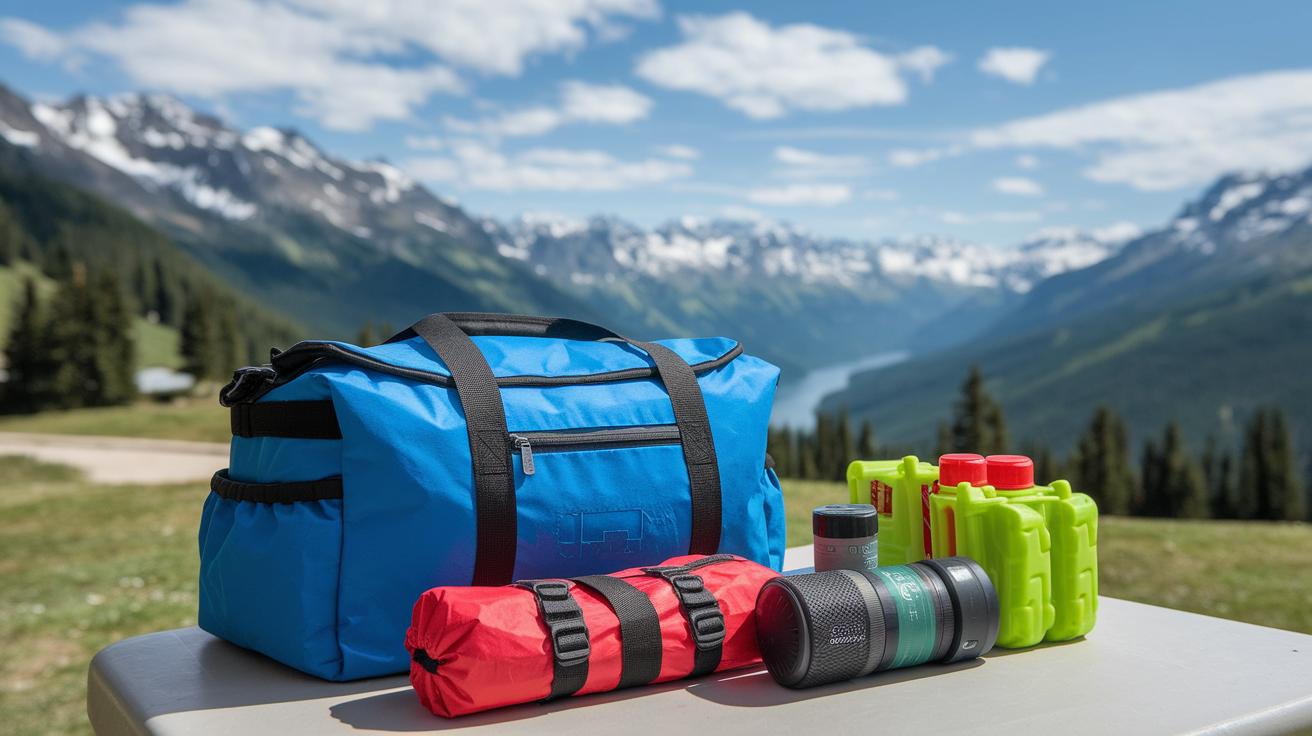
Keeping your camping gear tidy means less stress and more fun around the campfire. A simple trick is to use color-coded stuff sacks for each type of item. You might pack your sleeping gear in a blue bag, your cooking supplies in a red sack, and your safety equipment in a green bag. This way, you quickly find what you need, and you spend less time rummaging through your gear.
Before you head out for an adventure, take a minute to inspect everything. Look over seams, zippers, stakes, and poles for any wear or damage. Imagine noticing a loose zipper or a worn cord just before a sudden rain. Catching these little issues early can really save you a lot of trouble later.
Always bring along a backcountry repair kit with essentials like patches, glue, extra cord, and tape. This compact kit can work wonders when you need a quick fix on the trail. And don’t forget to store sensitive items in dry bags to keep moisture at bay. Having your repair kit ready can turn what might seem like a big setback into just a minor hiccup. Regular checks will help your gear perform at its best, so keep an eye on it along the way.
Seasonal and Weatherproof Gear Adjustments for Tent Camping
Nature can be a bit moody sometimes, so it’s smart to tweak your setup as the weather changes. Whether winter’s crisp chill or summer’s sizzling heat is taking over, your gear should have your back. A flexible kit lets you adapt fast, keeping you comfy and dry no matter what the forecast says.
When nighttime turns cool, lean into your winter gear. Try using an insulated footprint (a padded barrier placed under your tent floor to block out the chill) and pair it with a four-season sleeping bag designed for cold weather. And for early frosty mornings, add a stove windscreen to keep your cooking spot extra protected.
On sunnier days when the mercury climbs, swap in lighter gear. A reflective rainfly works well to bounce off extra heat while full-mesh panels (netted sections that boost air circulation) help you catch a breezy feel. And if you ever need that extra kick of cool air, a portable camp fan can be a real lifesaver when the natural breeze is low.
When rain pours down or strong winds blow, secure your shelter with a few smart moves. A seam sealer stops unwanted moisture from sneaking through your tent’s fabric, and a sturdy rainfly gives you reliable protection. Tighten everything up with reinforced guylines and heavy-duty stakes to keep your shelter firmly in place against gusty winds.
Final Words
in the action, we explored how to build a solid camp setup through a detailed gear checklist. We touched on selecting a spacious tent, setting up a reliable shelter, and ensuring a cozy sleeping system, plus the right cooking, lighting, and safety gear to enhance your outdoor experience.
Every section helps you choose wisely and pack confidently. With these tent camping essentials guiding your planning, the outdoors awaits with memorable moments and safe, enjoyable nights beneath the stars.