

Ever wonder how we can take care of our land so that nature thrives? Think of sustainable wildlife habitats like a trusty trail map that shows us how to protect life without causing harm. In many areas, folks practice careful tree cutting and smart fishing (fishing done with respect for nature) to help plants and animals grow strong. Even small changes in how we care for the land can lead to big wins for all living things. In this post, I share easy, earth-friendly steps to boost the mix of life and strengthen our natural spaces.
Key Foundations of Sustainable Wildlife Habitats
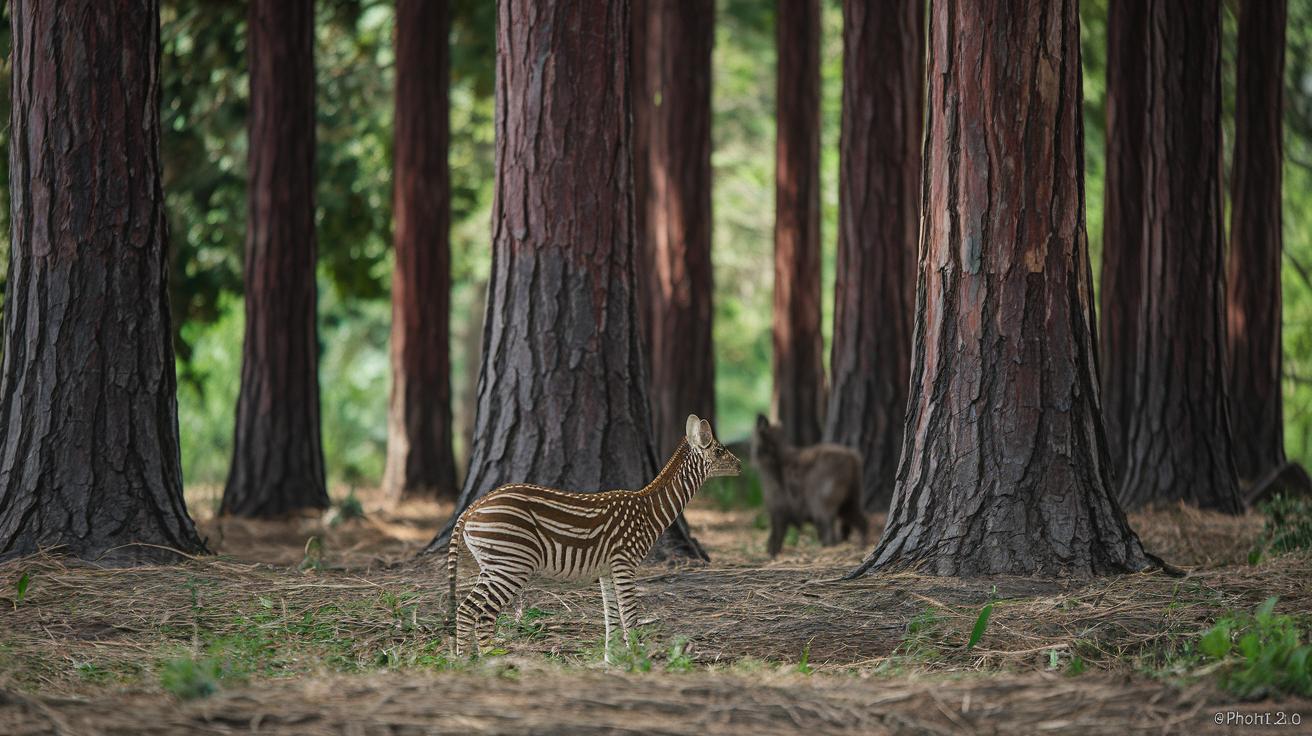
Imagine a wild space where plants and animals thrive without getting stepped on by human hands. That's what sustainable wildlife habitats are all about. They let diverse life flourish while keeping harmful activities like deforestation, overfishing, and mining in check. Here in the U.S., nearly 3 million trees are planted every day. Efforts like reforestation and careful, selective forest harvesting (cutting only a few trees to let nature bounce back) are at the heart of preserving these natural areas. Even private landowners see benefits when they take an eco-friendly approach with their land.
Our wildlife areas can be easily disturbed when we overuse them. That’s why responsible fishing and sustainable agriculture are so important, they’re like using the right gear on a challenging hike. New tools help us manage resources better and make sure our actions support a healthy environment.
- Embrace selective forest harvesting so nature can regrow and keep its variety.
- Support responsible fishing rules to ease pressure on our water friends.
- Choose sustainable farming that limits chemical runoff and nourishes the soil.
- Strengthen reforestation projects to bring back natural cover and boost water retention.
- Encourage private landowners to adopt sustainable practices that offer both ecological and economic rewards.
Every one of us has a role, whether it’s government bodies, local groups, or private landowners. When we all team up to plan for ecosystem health, it’s just like a group camping trip where everyone contributes a little something extra. Each part, from making policies to providing funds, creates a full-circle strategy that benefits both nature and our local communities.
Designing Sustainable Wildlife Habitat Plans

When planning wildlife habitats that help nature thrive, it's all about clear, nature-first planning. Think of it like using a trusty trail map to pick the best spots. Smart mapping tools help decide where to plant native species, restore areas, or keep a close eye on nature. And cloud-based GIS consulting shows details like hills, damp soil, and where plants already live, setting you up with real, data-backed insights.
High-tech tools push the planning even further. Forest operations management software smooths out tasks like rebuilding, planting, and watching a natural area grow, kind of like checking your gear before a long hike. It works with online services that keep track of supplies and work, making everything clear and simple. By mixing eco-friendly design with smart, practical ideas, planners build green spaces that benefit both nature and people. This blend of digital help and hands-on reviews makes sure everyone knows just where to tweak things for strong, thriving habitats.
Techniques for Integrating Native Species in Wildlife Habitats

Land stewards work hard to shape the forest naturally by giving local plants and animals plenty of room. They switch up their cutting methods to match how nature works on its own pace, so native species can settle in and thrive. Foresters make sure that local plants get a natural boost while inviting wildlife to come back. Ever seen a few native saplings grow into a vibrant, mixed forest? It’s like watching nature do its magic.
They use simpler ways like tree replanting and bringing back local animals to help reconnect the land. Foresters pick native tree types with care, planting them close to areas where local critters are expected to roam. And when they reintroduce animals that once lived in the area, those animals help carry native seeds further, keeping the forest strong. Picture a small section of the forest where native animals wander freely, this is how nature supports itself.
They also check on progress regularly to be sure the replanting and reintroducing work the way they planned. Experts measure tree growth and compare forest volumes, noting that U.S. forests now grow nearly twice the volume of trees that get cut every year. They use simple surveys and hands-on observations. Sometimes, an observer might say, "Local plants spread out naturally once the native animals came back." It’s clear that these methods help build a stronger, balanced ecosystem.
Biodiversity Conservation Tactics for Sustainable Wildlife Habitats

We can protect wild creatures on land and in water using gentle, thoughtful methods. These ideas build on familiar techniques, but they also add a fresh focus on renewable energy and local community work.
- Mix old-school methods like careful fishing, earth-friendly farming, mindful tree thinning, and planting new trees, all in one plan that keeps the habitat calm.
- Try using solar-powered vehicles during field outings to lower noise and pollution. For example, one team in sunny hills charges their solar van each morning before hitting the trail.
- Rely on renewable energy like portable solar panels to power remote monitoring stations. This cuts down on air pollution while collecting key data.
- Kick off community-led programs to bring back native species, with local volunteers lending a hand. For instance, a group in the northern forest brought native frogs back by organizing replanting and monitoring days.
- Use energy-efficient field gear to gather vital data while keeping nature undisturbed.
- Work together with local agencies and community groups to mix clean energy use with rewilding efforts, trying out new ideas on small pilot projects.
These simple steps create a balanced habitat where wildlife thrives, strengthening nature’s ties and making ecosystems more resilient.
Habitat Management and Restoration for Sustainable Wildlife Habitats
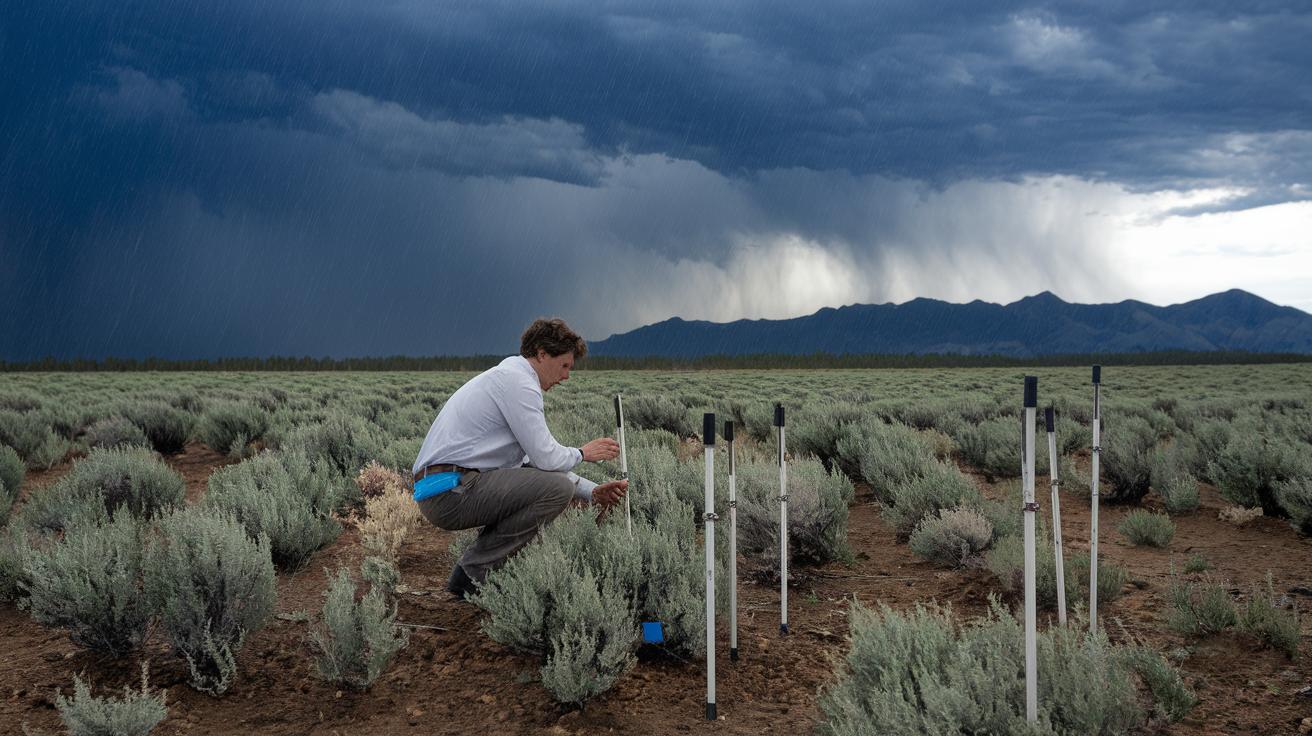
Out in California’s rangelands, one project saw a neat 25% jump in habitat mix over two years. They used seasonal weather clues to decide when to replant native shrubs, almost like shifting gears on a steep climb. For example, after tweaking their watering plan following a rainy spell, native grasses took off and grew twice as fast.
Teams out in the field kept a close eye on soil health and wildlife movements, and local sightings jumped by 30%. They used simple digital sensors to check soil moisture and nutrients, which helped them make quick fixes, just like adjusting your pace when the trail gets tricky. One team member noted that when the sensors warned of a moisture drop, a quick irrigation change made a big difference in days.
Another pilot project mixed remote sensor checks with on-the-ground looks, boosting water retention by 15% compared to older ways. This new method offered clear proof of success and set a solid benchmark for bigger plans. As one technician said, watching the data in real time changed their game, with every small tweak feeling like a smart step on a challenging trail.
Creating Connected Networks in Sustainable Wildlife Habitats

Planning a wildlife network feels a bit like preparing for an epic camping trip. You start by checking out the land and mapping every detail, much like you’d study a trail map before a hike. Experts use detailed site assessments and precise GIS mapping (think of it as a high-tech map) to decide how best to link different spots in nature.
They look closely at the landscape, its slopes, soil moisture, and natural barriers, to find the perfect path for connecting wildlife habitats. This hands-on approach is just like pinpointing the best camping spot on your favorite trail. One team even discovered that a well-planned route helped create smoother passageways for animals right through natural clearings.
Then, smart land-use planning comes into play. It’s like connecting hidden campsites to create one amazing adventure. Local agencies work side by side to link eco-reserves with urban green spaces, making sure these corridors serve as lively bridges between protected areas and city parks. By restoring riparian buffers (areas along water bodies), they not only improve water quality but also help wildlife move easily, turning nature into one thriving, interconnected community.
Policy, Community, and Case Studies for Sustainable Wildlife Habitats

Government policies and community projects work together to keep our wildlife spaces safe while boosting our local economy. When the government sets clear rules and teams up with groups that offer funding, it builds a solid plan to protect nature. Simple land-record systems and clear lease methods encourage neighborhood groups and private land stewards to get involved. Plus, local educational programs help train tomorrow's conservation experts, and community ecotourism brings in cash to support restoration efforts. This blend of legal backing, local action, and fresh ideas is the real driving force behind projects that safeguard our environment and support community growth.
Community Reforestation Program
In one town, local leaders and residents joined hands over five years to plant 100,000 native trees. By choosing species that naturally belong, they created a friendly setting for birds and small animals. Observers even noticed a 20% rise in the variety of birds. One volunteer said, "This is like breathing new life into our backyard." The project not only livened up local wildlife but also filled the community with pride and a deeper commitment to protecting nature.
NGO-Led Wetland Restoration
Over at a 500-acre wetland, a dedicated nonprofit team brought the area back to life. They used mapping tools (like GIS, which stands for Geographic Information Systems) to keep track of water quality and habitat improvements over time. Their data showed clearer water and the return of native aquatic species. This project shows how mixing technology with community work can really make a difference in monitoring and restoring natural habitats.
Urban Wildlife Park Conversion
In a bustling city, 50 acres of unused land were transformed into a cozy wildlife sanctuary. This effort created a safe spot for creatures like foxes and opossums, making room for nature even in urban settings. City officials and local residents worked together to add native plants and natural hideaways throughout the area. As one community organizer put it, "It's amazing to see urban spaces turn into living, breathing green havens."
Final Words
In the action, we explored the building blocks of sustainable wildlife habitats, from construction and smart design to native species integration and strategic biodiversity care. Every section showed how to stay green and keep nature thriving. We broke down techniques into clear steps and shared real-world examples that remind us to care for our natural spaces wisely.
Every tip shared here supports efforts for sustainable wildlife habitats. Keep moving forward with heart and purpose.
FAQ
What does the sustainable wildlife habitats map and photos show?
The sustainable wildlife habitats map displays conservation areas with marked terrain, and photos capture the beauty of these eco-managed sites. These visuals help planners and nature lovers spot key habitat features.
What are sustainable wildlife habitats in Cambridge, WI?
Sustainable wildlife habitats in Cambridge, WI refer to local areas managed to support native species and ecological balance. Community-led initiatives here focus on protecting plant and animal life.
What do sustainable wildlife habitats reviews share?
Sustainable wildlife habitats reviews share feedback about how well these areas support nature. They highlight successes in protecting local plants and wildlife, while suggesting ways to fine-tune management practices.
What does “sustainable wildlife habitats for sale” mean?
“Sustainable wildlife habitats for sale” points to properties or projects marketed with ecofriendly values. Buyers gain land that supports responsible management and long-term conservation of native ecosystems.
What is Wallace Woodstock Nursery?
Wallace Woodstock Nursery is a local provider of native plants and forestry supplies. It offers materials that help with planting native species and restoring local green spaces.
What is Yellow River Nursery?
Yellow River Nursery supplies native plants and landscape materials for eco-friendly projects. Its work supports planting initiatives that boost native flora and overall habitat health.
What does the Washburn County tree sale offer?
The Washburn County tree sale offers community members access to trees for replanting efforts. This event supports local reforestation and encourages sustainable environmental practices.
What is meant by a sustainable habitat?
A sustainable habitat means an area managed to support native plants and wildlife while reducing harmful human impacts. It focuses on balance and renewal to keep nature healthy over time.
How can one conserve wildlife habitats?
Conserve wildlife habitats by protecting native species through ecofriendly practices like selective forestry, responsible fishing, and sustainable agriculture. Community involvement and smart planning also play key roles.