

Ever wonder if your everyday actions might be taking a toll on nature? Simple shifts in how you use energy, handle waste, or save water can really turn things around. Not only can these changes lower your bills, but they also help build communities where the natural world can flourish. In this post, we'll share easy, step-by-step ways to lighten your impact and be a positive force for change. Every little effort, like picking up a stray leaf on a hiking trail, counts in paving the way toward a greener future for all of us.
Understanding Sustainable Practices: Definition and Scope
Sustainable practices are all about making smart choices every day that save our energy, water, and precious resources. They’re important for families, small businesses, and entire communities working hand-in-hand for a cleaner world. Think about it: saving electricity, cutting down on plastic, and picking travel options that don’t burn fossil fuels are simple steps on a bigger, eco-friendly journey. To learn more, check out this guide on sustainable development: What is Sustainable Development.
- Energy use optimization
- Water conservation ideas
- Waste management techniques
- Greener travel options
- Eco-friendly eating
Every little effort matters. Ever imagine that a head of lettuce might take up to 25 years to break down in a landfill while releasing methane, a gas almost 80 times stronger than carbon dioxide? By tweaking how we use energy, handle waste, and conserve water, we can really shrink our environmental footprint. These everyday choices start a ripple effect, making nature and our communities a bit cleaner and a lot brighter.
Implementing Sustainable Practices at Home and Community Levels

Ever thought about how small changes in your day-to-day routine can spark big improvements in your neighborhood? It all starts at home. When you swap out disposable items for reusable ones or plan your meals carefully, you're not just saving a few bucks, you’re also giving back to your community and nature.
Try mixing in these simple habits:
- Skip disposable coffee cups and utensils
- Choose items with less plastic packaging
- Plan your meals to cut down on food waste
- Enjoy plant-based meals about half the time
- Whip up your own cleaning products
- Start a garden at home or join one in your community
- Use water wisely and opt for fewer car trips
Each little step matters. For example, ditching disposable cups helps cut down on the plastic that ends up in landfills. Meal planning not only saves you time and money but also reduces waste. Choosing plant-based options lightens your grocery bill while lowering harmful emissions. Homemade cleaning solutions mean fewer harsh chemicals in your space, and growing your own food brings fresh produce to your table with a mini footprint. When you save water and drive less, you’re trimming energy use and building a stronger, cleaner local community.
Sustainable Practice Implementation in Daily Business Operations
Businesses are making everyday tweaks that add up to a big boost for our planet. They’re cutting waste, using less energy, and planning for a future with lower carbon emissions. It’s like when you find a hidden trail that leads to a better view, small turns that make all the difference.
Supply Chain Audits for Sustainability
One simple step is to check the whole supply chain, from where materials start to where the finished product goes. Companies look at every link to ensure it meets green standards. For example, choosing FSC-certified lumber (wood from responsibly managed forests) shows a clear care for nature. They set up clear rules and do regular check-ups to keep things honest and reduce waste, much like making sure you pack only what’s needed for a day hike.
Energy Efficiency Upgrades in Corporate Facilities
Improving energy efficiency in office spaces is another smart move. Switching to LED bulbs, fine-tuning HVAC systems, and following guidelines from the US Green Building Council can cut energy use a lot. Many companies even use U.S. Clean Energy tax incentives to fund these changes. It’s like upgrading your camping gear, better equipment means less hassle and more savings, all while shrinking the energy footprint.
By checking supply chains and upgrading energy systems, businesses can save money while cutting emissions. It’s a win-win that makes operations leaner and greener, paving the way for a smarter, more sustainable business adventure.
Circular Economy Applications for Sustainable Resource Cycle Optimization

Think of waste not as garbage, but as a hidden treasure waiting to be used again. This idea turns the whole process of making and using things on its head, every piece is meant to be used more than once. Companies are starting to see trash in a new light, aiming to use fewer raw materials and keep less stuff in landfills. It’s a bit like bringing back your favorite camp stove on a long hike instead of buying a new one every time, keeping things efficient and costs low.
Many businesses are putting these ideas into action. Some are using refillable packaging, so you can bring back bottles and containers to be washed and used again. Others run take-back programs where products are returned and remade into something new. And then there’s upcycling, where waste gets a fresh twist and becomes a completely new, useful item. By looping resources back into the system, these practices help lower costs, cut down on carbon emissions, and build a system that’s as tough and clever as your favorite trail guide.
Sustainable Climate Resilience Practices and Biodiversity Conservation Strategies
Communities all around are switching to nature-friendly methods that help them face unpredictable weather while protecting local wildlife. In Costa Rica, for example, everyday volunteers spend a few hours a day caring for sea turtles. Over in Brazil, organic farming is giving nature a helping hand. Even simple steps like shorter showers, fixing leaky taps, and using efficient appliances save water and build a buffer against drought. It’s amazing how small changes can create big ripples in keeping our environment healthy.
Community-Led Water Conservation Projects
Right in our neighborhoods, folks are making a difference with rainwater harvesting systems and upgraded appliances. Little acts, like turning off the tap while brushing your teeth, show that simple habits can add up. These changes help manage water use better and get communities ready for swings in rainfall.
Urban Green Infrastructure Initiatives
Cities are joining in too by adding green roofs, rain gardens, and tree planting programs. These projects cool urban areas, keep the water flowing where it should, and create safe havens for local wildlife. Merging water-saving efforts with green city projects not only protects nature but also boosts community well-being. These ideas are paving the way for a future where nature and neighborhoods grow stronger together.
Measuring the Impact of Sustainable Practices and Setting Strategic Eco Goals
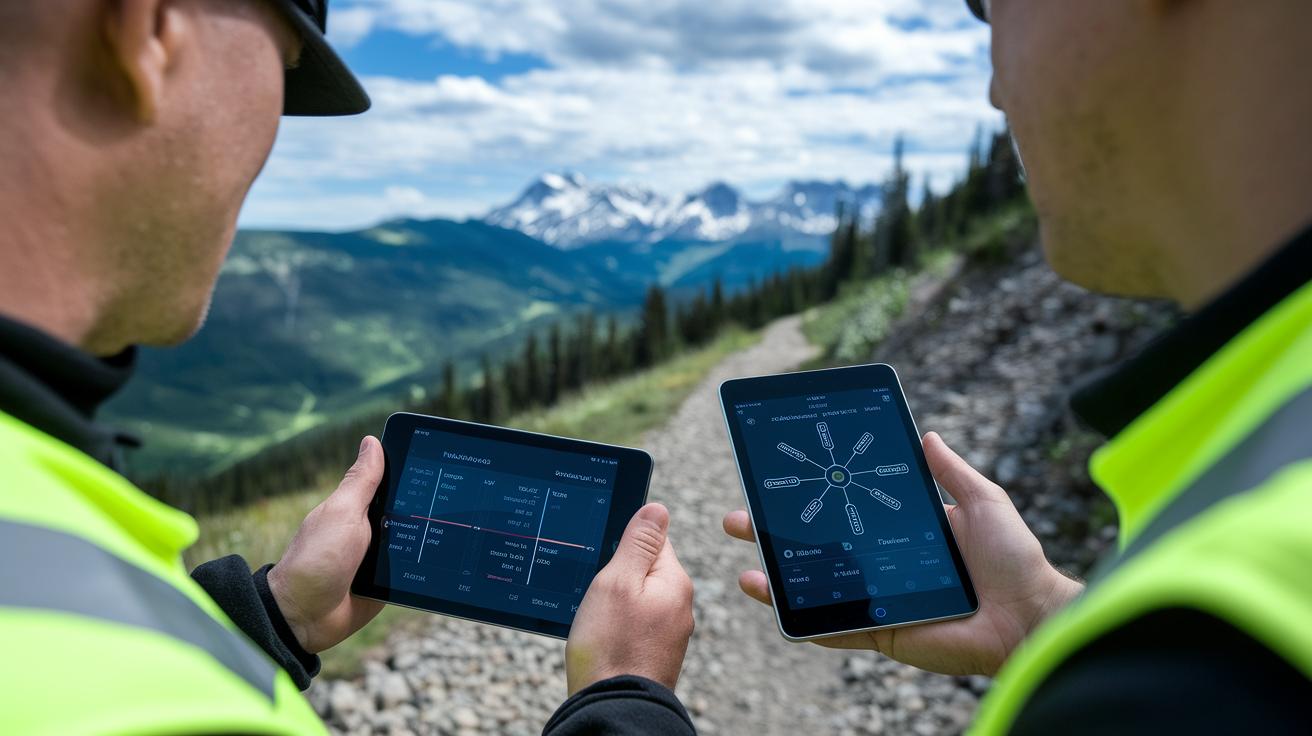
Tracking how well we're doing is important. Every little step matters, and keeping an eye on sustainability is like checking your trail markers on a long hike. It helps us see what’s working and plan our next moves.
We use simple tools like life cycle assessments (basically a full check-up on a product’s impact) to get the whole picture. Tools such as key performance indicators (KPIs) and energy audits act like the trail signs that show us we’re headed in the right direction. These methods, combined with clear reports, are our way of comparing our efforts to industry benchmarks, just like glancing at your map and compass to stay on course.
Setting SMART eco-goals means we create targets that are specific, measurable, achievable, relevant, and timely. It’s kind of like marking waypoints on a path. By comparing our efforts to set goals and planning for the long term, we can tweak our strategy as we go. Reviewing real case studies and using constant checks is our way to keep hustling for a greener, healthier future.
Final Words
In the action, we examined real-life steps to cut down our environmental footprint using sustainable practices.
We broke down key ideas like smarter energy use, water conservation, waste care, and eco-friendly food habits.
Practical tips for both home and business were shared to lower emissions and costs, offering clear ways to live in tune with nature.
Small changes, like reducing disposable items and reusing materials, make a big difference.
Keep these ideas close, and you’ll feel empowered to create a greener, healthier tomorrow.
FAQ
What are sustainable practices?
The sustainable practices refer to everyday choices that reduce harmful emissions and waste. They include optimizing energy use, conserving water, managing waste, and choosing eco-friendly transportation to lessen our environmental footprint.
What is an example of a sustainable practice?
An example of a sustainable practice is switching to energy-saving LED lighting and efficient appliances, which cut energy waste and lower overall carbon emissions at home or in the workplace.
What are 10 ways to be more sustainable?
The ten ways to be more sustainable include reducing disposable items, choosing plant-based meals, planning to minimize food waste, conserving water, lowering energy use, avoiding plastic packaging, recycling properly, opting for renewable sources, using energy-efficient products, and supporting eco-friendly businesses.
How do sustainable practices apply in business settings?
The sustainable practices in business involve auditing supply chains for eco-friendly materials, using energy-efficient systems like LED lighting and optimized HVAC, and reducing waste through circular models, all of which lower operating costs and environmental impact.
What sustainable practices can be applied at home and in the community?
The sustainable practices for home and community use include avoiding disposable items, reducing plastic use, planning meals to drop food waste, using water-wise habits, growing local gardens, and minimizing vehicle use, which together lower costs and emissions.
What are sustainable use practices?
The sustainable use practices involve managing resources like energy, water, and raw materials carefully to meet current needs without harming future supplies, promoting a balanced, long-term approach to environmental care.