

Have you ever thought about how a close community might change the way we live? Imagine neighbors getting together just like old friends sitting around a campfire. In eco villages, people work side by side, using natural energy (like solar power or wind) and growing food in simple, earth-friendly ways. They show us that small, everyday choices can lead to a greener, more connected life. In this article, we explore how these communities mix teamwork, clean energy, and natural living to inspire change for every one of us.
Essential Principles of an Eco Village
An eco village is a community built on living close to nature in every part of life, social, cultural, ecological, and even economic. According to the Global Ecovillage Network, these groups work hard to lower their impact on both the environment and society while showing others how to live more sustainably. Picture neighbors coming together like a family on a camping trip, where everyone pitches in to make the adventure a success.
Since the first eco village began in Denmark back in the 1970s, over 1,000 of these communities have sprung up around the world, each with its own unique style. But no matter how they differ, they all share a commitment to cleaner, renewable energy, living with purpose, and taking care of nature. They often use hands-on tools, like solar panels and wind turbines (devices that turn sun and wind into energy), to power their homes while preserving the wild beauty around them.
At its heart, an eco village is all about building a strong community and living gently on the land. By teaming up on projects from eco-friendly building to growing local food, these communities forge deep bonds and craft a future that respects both people and the planet.
Sustainable Living Practices in Eco Villages
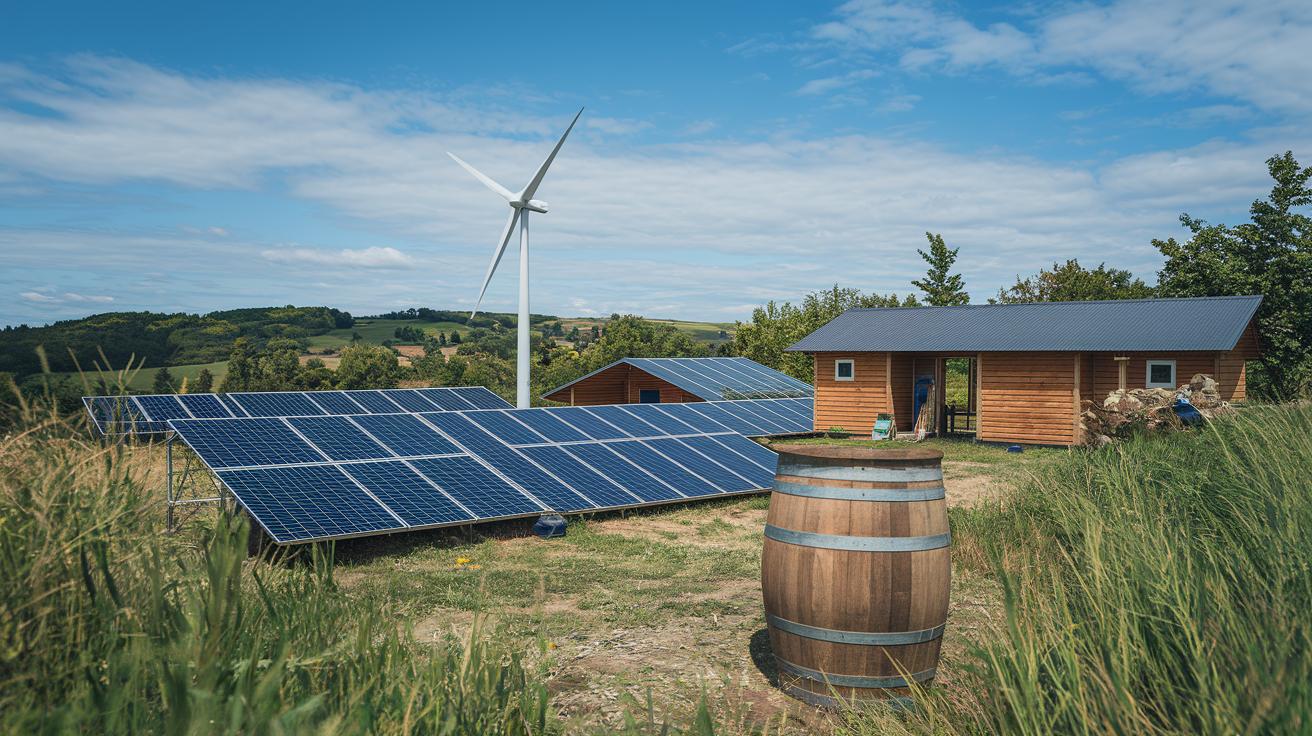
Eco villages live by everyday green habits that keep both the community vibrant and nature safe. It’s like gathering around a campfire and sharing simple, down-to-earth advice. These methods help people lower their footprint and enjoy a way of life that’s close to nature.
Check out some of these smart practices:
- Using small wind turbines and solar panels to make clean, endless energy.
- Growing food with permaculture techniques (natural gardening that copies nature’s way) to boost local crops and keep the soil happy.
- Saving water by collecting rainwater and recycling greywater (the water from sinks and showers) so every drop matters.
- Managing waste with composting toilets and community recycling efforts.
- Pushing for zero-waste by reusing materials and cutting down on trash.
- Choosing to buy less and more thoughtfully to lower overall resource use.
These approaches create a place where everyday actions and caring for the environment go hand in hand. Imagine greeting a crisp morning while checking on your solar panels or learning new tips during a neighborhood recycling drive. When every small task is wrapped in sustainable practice, it not only meets personal needs but also eases the load on our planet. It’s a shared way of living that keeps our community tight while setting the stage for a healthier future for everyone.
Infrastructure and Green Building Design in Eco Villages
Eco villages mix nature-friendly building with clever, low-energy tricks. Homes here often use earth-formed walls or straw-bale construction, meaning they use local straw and earthen plaster (a natural sealant) to create spaces that feel part of the land. Imagine a house that warms up with the gentle morning sun and cools off naturally as the day goes on. It’s a simple idea that saves energy and makes every structure feel like a snug cabin in the woods.
These communities also rely on off-grid solutions. Folks use solar panels and small wind turbines to grab clean energy right from nature instead of busy city power grids. They turn kitchen scraps into biogas with bio-digesters, which then heats stoves or water, and they collect rainwater in clever catchment setups. Think of it like planning a camp setup where every part of the gear helps keep the fire burning.
Land use in eco villages follows permaculture principles, a way to work with nature by zoning land wisely. Open spots are set aside for food gardens, wild patches, and shared community areas. This thoughtful planning makes sure nothing goes to waste and everyone shares resources, just like friends pooling together supplies for a long hike.
| Infrastructure Type | Benefit | Key Features |
|---|---|---|
| Solar PV Arrays | Clean energy, low emissions | Panels, inverters, batteries |
| Straw-Bale Construction | Insulation, low embodied energy | Local straw, earthen plaster |
| Rainwater Harvesting | Water security | Gutters, storage tanks, filters |
| Bio-digester Systems | Waste-to-energy | Anaerobic tank, biogas storage |
Community Governance and Cooperative Living in Eco Villages
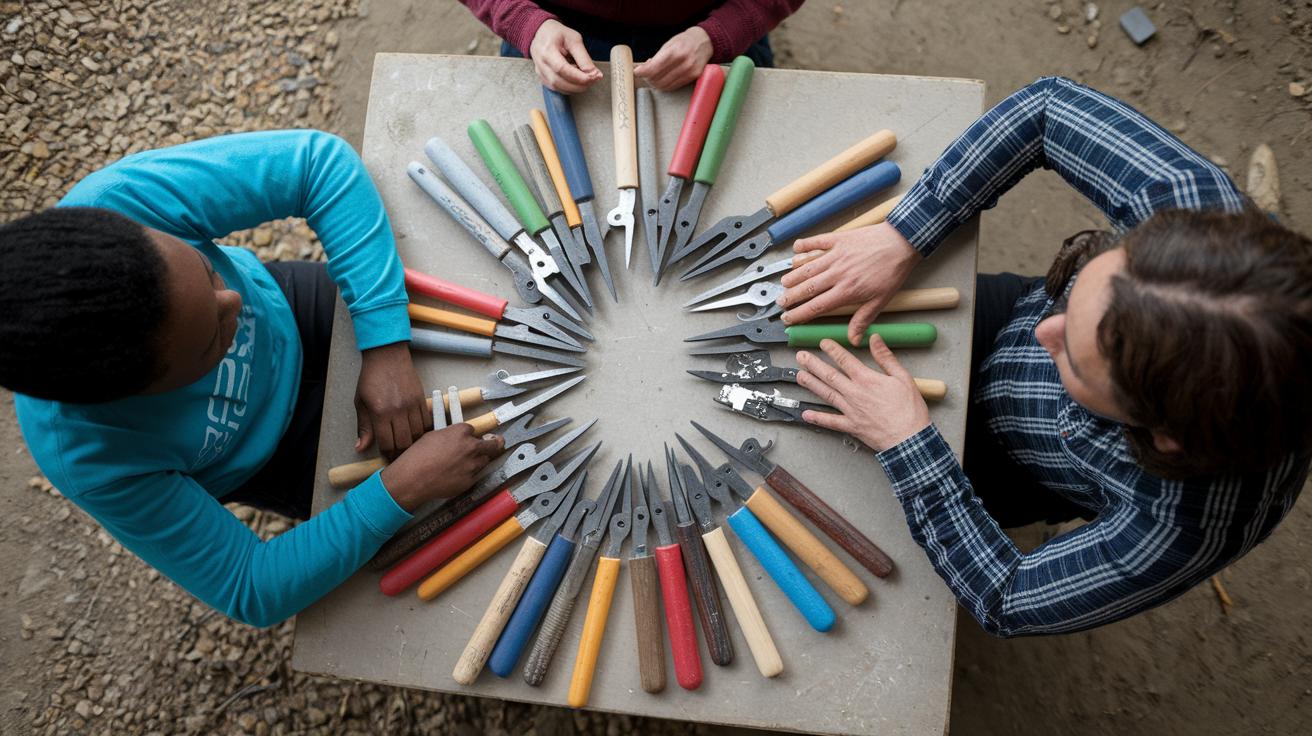
In eco villages, everyone gets a say through friendly, hands-on group talks. It’s kind of like planning a neighborhood picnic where every voice matters. Folks chat openly, sharing ideas just like swapping favorite campfire recipes. These heart-to-heart discussions help build strong bonds and make sharing chores feel natural.
Sharing goes beyond just decisions. Members chip in by pooling tools, ideas, and even money for projects, think of it as gathering supplies for a weekend hike. By using what they have together, they create a local economy that’s as sustainable as a well-tended garden. This teamwork builds resilience and gives every person the chance to contribute to daily life.
- Consensus
- Sociocracy
- Cooperative Board
- Flat Structure
Global Eco Village Case Studies
Across the world, eco villages offer inspiring examples of living in tune with nature. These friendly communities mix local culture and natural beauty with shared values to show us a gentler way to live. Imagine neighbors gathering around a warm fire, working together to protect the land and make tight bonds along the way. In Scotland, early eco village trailblazers created a peaceful place where community guides every step. Out in Peru, folks have built a coastal home where a tasty vegetarian and yogic life is the norm. And over in the United States, places like The Farm and EcoVillage at Ithaca prove that sharing and teamwork can build strong, lively neighborhoods.
| Village Name | Location | Year Founded | Population | Focus Area |
|---|---|---|---|---|
| Findhorn Ecovillage | Scotland (Moray) | 1985 | Varies | Community-led spirituality |
| Eco Truly Park | Peru (Pacific Coast) | N/A | 18 conical houses | Vegetarian yogic lifestyle |
| The Farm | Tennessee, USA | 1971 | ~200 members | Sustainable spiritual living |
| Crystal Waters Eco Village | Australia | 1987 | 250 residents | Permaculture and land sharing |
| EcoVillage at Ithaca | New York, USA | 1991 | 210 (170 adults, 40 children) | Cohousing community |
These snapshots remind us that living sustainably is not just a passing fad, it’s a heartfelt way to care for our planet. Whether you’re sharing a meal under the stars, working on a community garden, or just enjoying quiet moments surrounded by nature, each eco village lights the way toward a kinder, more connected life.
How to Create or Join an Eco Village
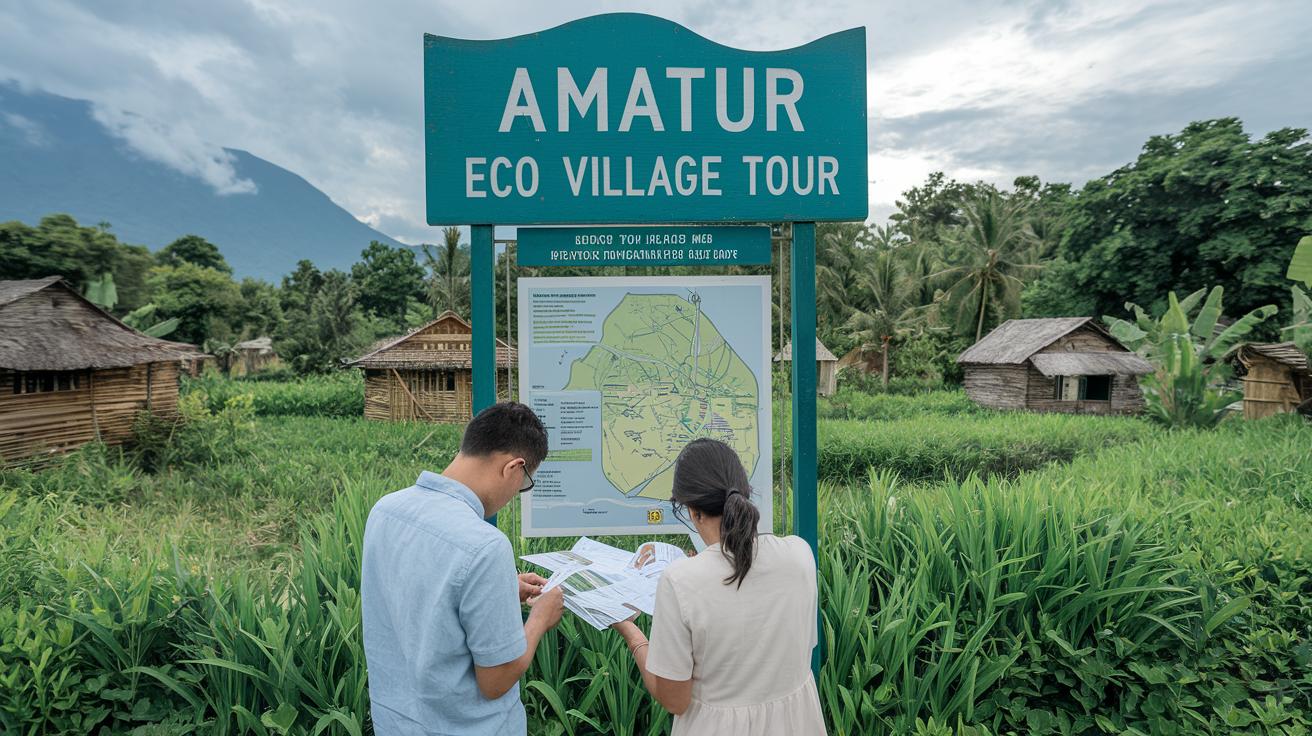
Begin your search by checking out different eco village options, like you’re scouting for the perfect campsite. Visit GEN-affiliated communities, join info sessions, and explore guided tours. This first step lets you feel out each village’s vibe, from its location and size to the values everyone shares.
Next, take a close look at the legal and money matters. Think of it like planning a group camping trip, you need to know who brings what. Look into how land is bought and what membership costs cover. Sorting out these details helps you see how much you’ll invest and what you can expect from living together. It’s all about setting a clear, honest plan before you take the next step.
Finally, focus on how you’ll join in with the community. Once you’ve done your homework and worked out your budget, be ready to pick a move-in time, this could be anywhere from six to 18 months out. Chat with folks at local meet-ups and ask current residents about daily life. Imagine sitting around a friendly campfire where everyone shares stories and tips on living well together.
Benefits and Challenges of Eco Village Living
Eco villages show a clear way to shrink our impact on nature. In these communities, neighbors share renewable energy systems and smart waste management that keep the air fresh and help local plants and animals thrive. Imagine waking up to the soft hum of a sustainable life where your every step feels kinder to the earth. Plus, by working together on daily tasks, people form bonds that feel as warm as a campfire, making the group strong enough to face weather changes and nature’s surprises.
But, living in an eco village isn’t all smooth trails. Getting started can be tough due to high initial costs and the tricky hunt for the right piece of land that suits both nature and community needs. And while sharing decisions brings everyone together, it can also stir up debates as folks work to balance individual wishes with common goals. These hurdles are met by pooling resources, holding regular get-togethers, and keeping conversations honest and open, just like a trusty guide on a long, winding trail.
Final Words
In the action of uncovering diverse facets of eco village life, we've seen how core principles and simple sustainable practices work hand in hand. We examined ways these communities build homes responsibly, share resources, and live in tune with nature. Each part of the guide shows how collective efforts transform basic ideas into clear steps for real change. It all adds up to a positive and hopeful view of living lightly on our land. Keep these insights close as you explore simple, green ways to enhance your outdoor experiences.
FAQ
Q: What is Eco village Palghar?
A: Eco village Palghar is a local community focused on sustainable living and low-impact practices. It offers residents a chance to share resources while caring for their natural surroundings.
Q: What does an eco village near me mean?
A: An eco village near me means looking for a community nearby that practices low-impact living, green building, and shared resource management in a close-knit setting.
Q: What is an eco village project?
A: An eco village project represents the organized efforts to build a community that values sustainable construction, renewable energy, and shared governance while maintaining minimal environmental impact.
Q: What is Eco village California?
A: Eco village California refers to sustainable communities in California that use renewable power, green construction, and a shared approach to everyday living in order to reduce their environmental footprint.
Q: What is Eco Village Ithaca?
A: Eco Village Ithaca is an intentional community in New York focused on sustainable practices and shared living. Members work together in community decision-making while maintaining a low-impact lifestyle.
Q: What does it mean when an eco village is looking for members?
A: When an eco village is looking for members, it invites individuals interested in low-impact living and shared responsibilities to join a community that practices cooperative governance and resource sharing.
Q: What is the Eco Village movie?
A: The Eco Village movie is a film that portrays life in a sustainable community. It highlights shared responsibilities, green building techniques, and the commitment to a nature-friendly lifestyle.
Q: What is an Eco Village model?
A: The Eco Village model describes a blueprint for creating a community that follows green practices, renewable energy use, and participatory decision-making while aiming for a low environmental impact.
Q: What is the eco village concept?
A: The eco village concept focuses on forming small communities that practice low-impact living, shared resource use, and cooperative decision-making to create a balanced and nature-friendly environment.
Q: How much does it cost to live in an ecovillage?
A: The cost to live in an ecovillage varies by location and community choices. Expenses often include membership fees, shared living costs, and contributions to maintaining common spaces and resources.
Q: Do eco villages have specific spiritual beliefs?
A: Eco villages mainly focus on sustainable practices and cooperative living rather than specific spiritual doctrines, though some may incorporate ideas that reflect their members’ personal values and customs.
Q: What is it like to live in an eco village?
A: Living in an eco village means taking part in shared responsibilities and daily tasks while practicing sustainability. You enjoy close relationships with neighbors and a deep connection with nature.