

Ever thought about lighting up your camp with the power of the sun? With solar gear, you can keep your mini fridge, LED lights, and even your phone charged while you’re far from any plug.
Imagine setting up your own little panel station that quietly works away in any weather, just like nature’s own battery. Our guide walks you through the must-have gear, from panels and batteries to controllers (which help regulate energy flow) and inverters (that change the energy into a usable form).
It’s like having a handy roadmap to keep you powered up and self-sufficient out in the wild.
Core Camping Solar Power Essentials for Off-Grid Use
When you're camping off-grid, you need a reliable solar power setup that runs all your modern gear quietly and cleanly. Portable solar panels give you silent, green energy while you wander through nature. Whether it’s just a quick one-night stay or a long adventure, using good solar gear lets you power everything from a mini fridge to LED lights and phone chargers. Even modern RV kits come with a built-in battery and inverter, making things super easy. A 100–200W panel array usually does the trick, keeping your essentials up and running without a hitch. For extra details, check out a camping gear checklist.
- Solar panels
- Battery
- Controller
- Inverter
- Cables
- Mounting kit
- Connector accessories
- Power station
When picking your gear, think about how it will handle rough trails and changing weather. Monocrystalline panels are great for high efficiency, and foldable panels are light and set up in under a minute with a sturdy kickstand. Look for features like IP65 waterproof ratings (they resist strong water jets), vibration resistance, half-cut cell technology (splitting the panel into parts for better sun capture), and bypass diodes. These features help keep your panels strong even in a little shade or snowy spots. By mixing compact solar panels with solid energy storage, you can easily power a bunch of devices while living off-grid. Just be sure your gear matches how much power you actually need, so your system stays smooth and reliable out in nature.
Selecting High-Efficiency Camping Solar Panels
| Model | Type | Power | Efficiency | Weight |
|---|---|---|---|---|
| 200W Mono Panel | Monocrystalline | 200W | 20-22% | Approx 10kg |
| 400W Suitcase | Folding Panel | 400W | Up to 25% | Approx 7kg |
| 4X4 Explorer Kit | All-in-One Panel | 350W | Up to 23% | Approx 12kg |
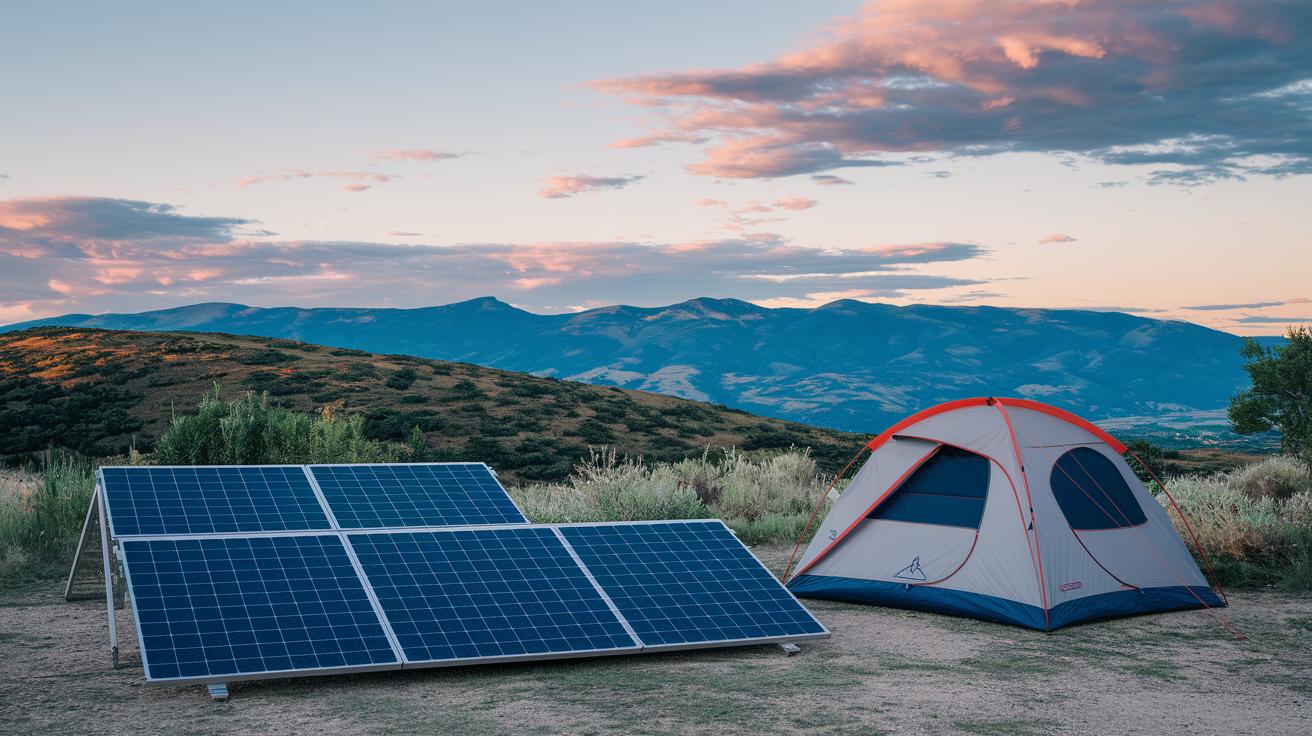
Take a look at these three great camping solar panels, each one built for outdoor adventures. If you're after a light, no-fuss setup, the 200W Mono Panel is a solid choice. Its classic monocrystalline build works best on flat surfaces, giving you reliable power when you need it.
Now, if you love quick setups and want extra efficiency even when the sun isn’t peeking out fully, check out the 400W Suitcase. It has advanced N-type cell technology (a special type of solar cell) that pushes efficiency right up to 25% in partial shade. Plus, it folds neatly into a compact, lighter design.
For those headed into rougher terrain, the 4X4 Explorer Kit is made to handle the wild. Its all-in-one design includes handy remote monitoring, plus tough features like IP65 waterproof ratings and vibration resistance for more challenging spots.
When you’re choosing a panel, think beyond just power. Weight and mounting options count, too. That way, your gear will be just right for your adventure into electrical independence out in the great outdoors.
Integrating Battery Storage and Management Systems
When you're setting up a camping solar power system, choosing the right battery is a must. Start by figuring out how much energy you use every day and then pick a battery with at least 1.5 times that capacity. So, if your gadgets need about 100 watt-hours daily, go for a battery with a minimum of 150 watt-hours. This little trick helps keep your power steady even when the sky is cloudy or nights stretch longer than expected.
One of the camper favorites is the smallest 12.8V 100Ah LiFePO4 battery. It pushes out a peak surge power of 300A, making it perfect for high starting currents in devices like inverters or mini-fridges. Plus, its built-in 200A battery management system (BMS) keeps everything in check by guarding against overcharging and deep discharges while balancing the cells to keep the battery in top shape. LiFePO4 batteries are known for lasting many cycles, being light, and giving a smooth, steady voltage, which is just what you need when off-grid camping.
And here’s the best part: many systems let you add more modules. That means you can boost your battery capacity up to 61.44kWh. Think of it like expanding your storage space as your power needs grow, so you’re always ready when adventure calls.
Practical Solar Power System Setup Tips for Camping
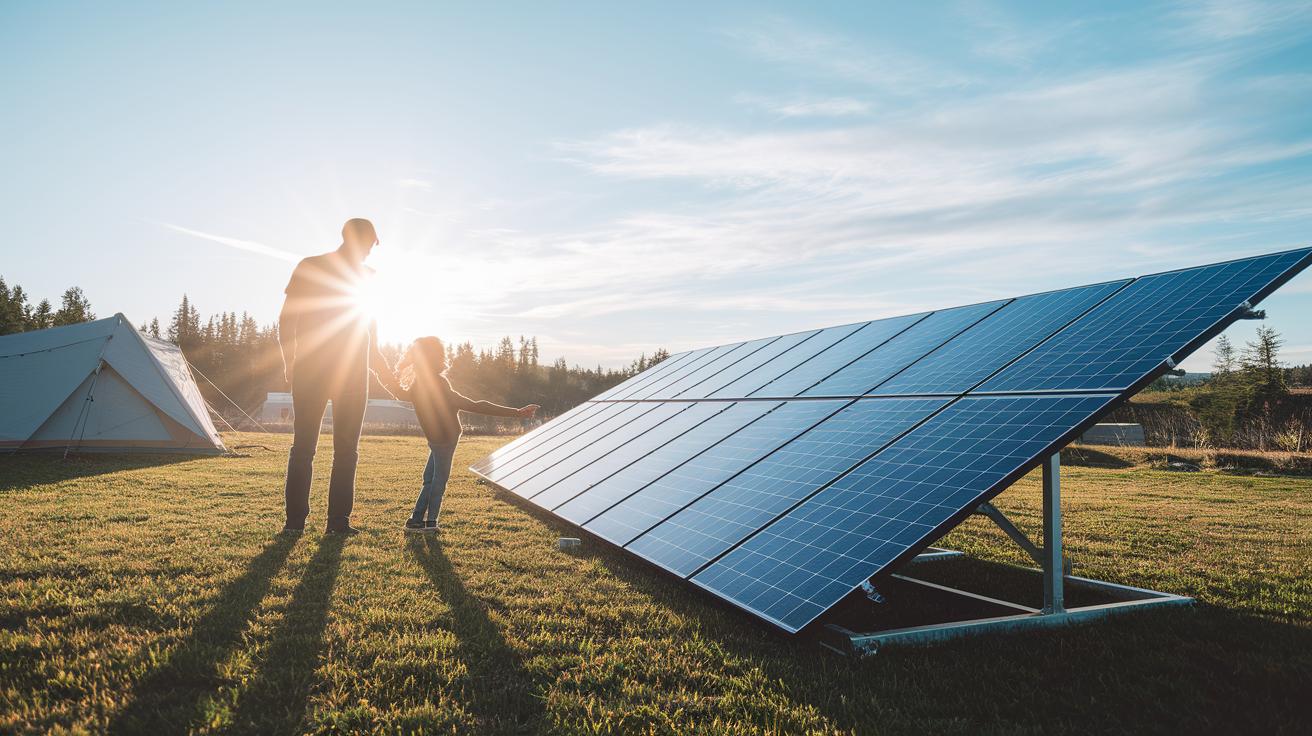
When you're out in the wild, setting up your solar power system starts with a smart plan that makes full use of the sun's energy while keeping your gear safe. Think of it as setting up your campsite, each step matters so you can enjoy a smooth, off-grid adventure.
-
Site assessment – Pick a clear, open spot where nothing blocks the sunlight. Whether you're laying your panels on the ground or on your vehicle roof, make sure the area gets plenty of direct sun. If you're car camping, you might want to check out some tips on how to mount your panels securely.
-
Panel positioning – Adjust your panels by tilting and turning them until they catch the most sun. Even a little off-angle can mean less power, so take an extra moment to get it right.
-
Secure mounting – Fasten your panels with sturdy mounting kits. Foldable kickstands or adjustable braces work great, especially when you're dealing with uneven ground or a tent roof. It’s like finding the perfect flat spot for your sleeping bag, it makes a big difference.
-
Cable routing – Use connectors like MC4 and waterproof cables to hook your panels up. Keeping the wires neatly managed helps cut down on power loss, much like tidying up your campsite makes everything work better.
-
Inverter integration – Choose a reliable, portable inverter that suits your system's power needs. Look for ones with built-in fuses and surge protection to keep your setup running safe and steady.
-
Initial power-up test – Once everything’s connected, do a quick test by powering a small load. This gives you a chance to check for any loose connections or shading issues. Make sure the cable joints are secure and the panel angles are spot-on because even small misalignments can lower your energy output.
Enjoy the process, it's all part of the adventure, like setting up around a campfire and ensuring everything is just right for a night under the stars.
Calculating Your Camping Solar Power Requirements
Designing your off-grid setup is a bit like planning a hiking trip. First, list the watt ratings on your gear (these numbers tell you how much power each device uses). Then, think about how many hours you'll have each gadget running during the day and multiply that by its watt rating to get its daily energy use in watt-hours.
Once you have the watt-hours for everything, add them up and give that total a 150% boost. This extra capacity is like packing a little extra trail mix, it covers unexpected power dips and cloudy days.
Now, pick a solar panel array that can refill what you use. For most trips, a 100- to 200-watt panel works just fine for powering must-have items like a camping fridge and LED lights. For example, say you have a 50Wh fridge, a 20Wh LED light, and a 10Wh phone charger. That’s about 80Wh each day. Multiply this by 1.5, and you’d want a battery with roughly 120Wh of energy storage. With good sunlight, a 100W panel should generally cover that 80Wh usage.
This clear, step-by-step plan is like mapping a trail, it helps you tailor your solar setup exactly to your energy needs so you can keep your devices powered even off the grid.
Recommended Camping Solar Kits and Product Reviews

The EcoFlow RIVER 2 Max packs a heavy-duty 512Wh LiFePO4 battery (a long-lasting battery type) with a 300W solar input, all in a sleek 6kg design. It’s a solid choice for powering small gear like mini fridges, LED lights, or fans so you can keep your essentials running smooth even off the grid.
Perfect for a quick weekend car camp or a long RV trip, the EcoFlow RIVER 2 Max stands out with its light build and flexible power options. Its LiFePO4 battery means you get lasting stability and energy for your adventures, while its compact size makes it easy to carry without cluttering up your space.
Next up, the Renogy 400W Lightweight Portable Solar Suitcase feels tailor-made for outdoor explorers. Its weather-ready IP65 waterproof panels pop open in under a minute, so no matter how moody the weather, you’re set. Quick to set up, this kit lets you juice up your must-have devices on the fly.
This solar suitcase really shines in off-grid cabins or during long stays where a set-and-forget setup is key. Budget-friendly and easy to deploy, it mixes durability with great portability. If you’re after a reliable, hassle-free power solution that doesn’t cut corners, the Renogy is a winner.
Then there’s the 4X4 Explorer Kit, a true all-in-one package. It blends a built-in inverter (that changes DC power to AC) and a sturdy battery into a rugged design built for rough terrain. With features like remote monitoring and waterproof construction, it’s ready to handle tougher outdoor conditions.
If you’re looking for a system that grows with your adventure, the 4X4 Explorer Kit lets you power multiple devices over long trips. Its smart, flexible design makes it a top pick for anyone chasing true off-grid freedom with dependable, long-lasting power.
Maintenance and Safety Practices for Camping Solar Gear
After a long day out in nature, it’s a smart move to give your solar panels and gear a little TLC. Use a soft brush and some water to gently sweep away dust, leaves, or snow, kind of like you’d clear the area around your campfire. While you're at it, check the MC4 connectors for any signs of rust or damage, because even a tiny bit can lower the system's overall performance. Keeping things clean lets your panels soak up the sun properly.
Safety should always be on your mind when handling solar equipment. Look for built-in safety features like bypass diodes, DC circuit breakers, and low-temperature cut-offs; these act like trusty trail markers when the weather turns on you. Before you head out each time, do a quick look-over to make sure all wiring and connectors are secure. And every season, take a moment to check on your batteries, it's like scanning your pack for any gear issues before the next adventure.
If you start noticing your system isn’t giving off the usual power, try some basic troubleshooting. First, see if any nearby trees or shrubs might be casting unwanted shade. Next, tighten any loose connections and double-check that your panels are angled to catch full sunlight. These simple steps can help your gear keep working reliably, just like a well-planned trail leading to a great view.
Final Words
In the action, this post has taken you through a clear look at off-grid setup using camping solar power essentials. We covered must-have items like solar panels, batteries, smart mounting setups, and proper cable and connector use. Practical tips for calculating energy needs came next, along with gear reviews and ways to keep your system running safe through regular care. Every step was explained in everyday language, making your next outdoor romp both safe and exciting. Enjoy breathing in that fresh air with reliable, clean power.
FAQ
What do camping solar power essentials include?
Camping solar power essentials include solar panels, a battery, controller, inverter, cables, a mounting kit, connector accessories, and a power station. This gear brings off-grid power to your camp.
What is included in a camping solar panel and battery kit?
A camping solar panel and battery kit features a solar panel and battery with accessories like a charge controller and cables, offering a ready-to-use solution for off-grid power needs.
What features should I look for in the best solar-powered survival gear?
The best solar-powered survival gear provides reliable, clean energy with durable, portable panels and integrated battery packs. This gear is built to perform in harsh outdoor conditions and subtle power surges.
What benefits do portable solar panels offer for camping, and what sizes are available?
Portable solar panels provide quiet, clean energy when camping. Available sizes range from 400W to 1000W, offering lightweight, compact solutions that easily power small devices and lights.
How does a solar generator serve as a backup for home power?
A solar generator for home backup combines battery storage with solar charging, supplying power during outages. It offers a reliable alternative for keeping essential devices running.
What is a solar power bank and how does it work outdoors?
A solar power bank uses sunlight to charge small devices like phones and gadgets. Its compact size and portability make it a handy tool for outdoor trips when traditional outlets aren’t available.
Are there portable solar panels designed for RV use?
Portable solar panels for RVs are built for easy mounting and rugged outdoor conditions. They offer weather-resistant, efficient power solutions that support off-grid needs during extended trips.