

Ever wondered why some camping trips feel more like wild adventures than peaceful nights by the campfire? With the right safety tools, you can turn any outing into a relaxed, fun escape. Think of your gear as a trusty buddy, whether it's a snug first-aid kit or a steady headlamp (a light you wear on your head to keep your hands free). Each piece has your back when surprises come up. In this post, I'll share easy, straightforward tips and tools to help you stay ready for any hiccup, so you can enjoy every moment out in nature.
Core Camping Safety Essentials: Gear and Equipment
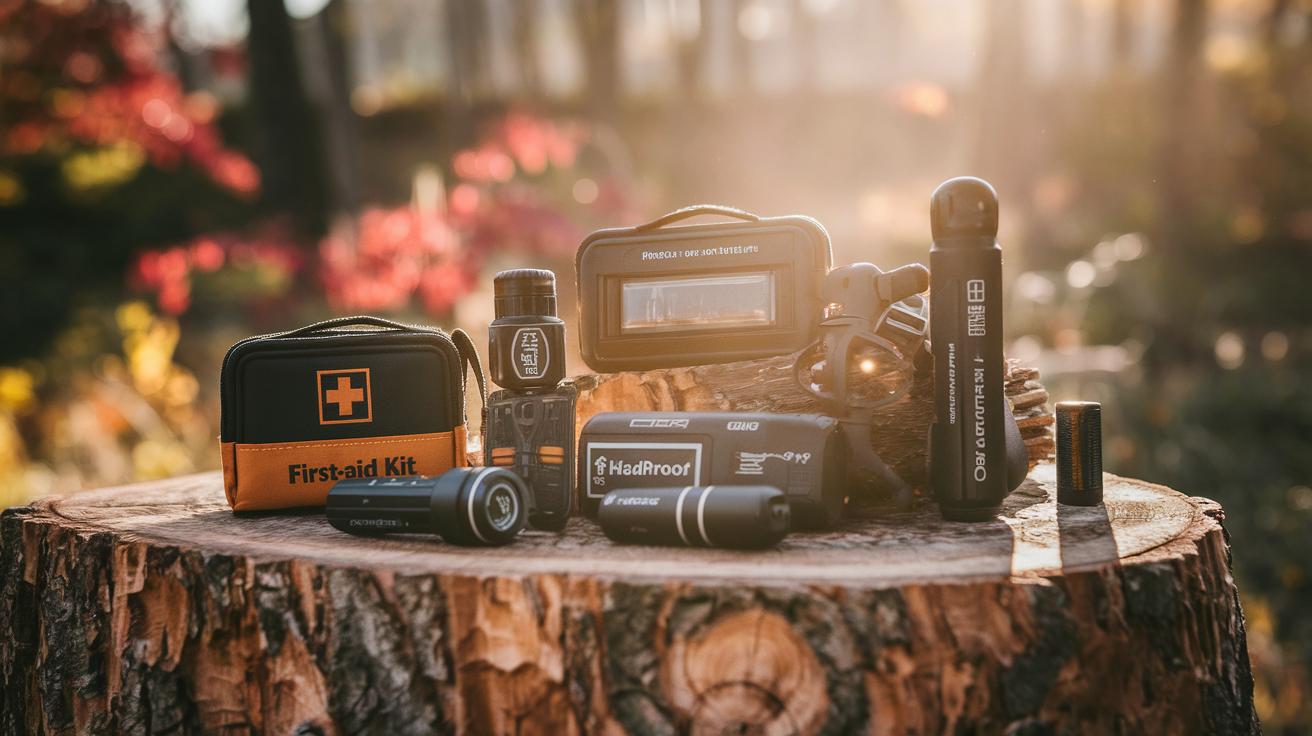
Make sure you pack a solid first-aid kit in a sealable container. Fill it with bandages, antiseptic wipes, medical tape, and scissors, like a mini toolbox for those unexpected trail scrapes. Ever patched up a cut by a crackling campfire?
Grab a reliable headlamp or flashlight along with spare batteries. When the sun sets, you’ll be glad to have that clear glow lighting your way.
Remember to pack a sturdy multi-tool or Swiss Army knife made of stainless steel. Its rust-resistant design and comfy grip come in handy for mending gear or slicing through thick brush.
Don’t skip your waterproof fire-starting tools. A box of waterproof matches or a lighter with compact fire starters gets you ready even when the rain shows up. It’s almost like snapping a twig, flick a match and watch your campfire come alive.
Keep a loud, durable emergency whistle close by. In remote areas, its sharp sound can alert someone right away if you need help.
Also include a portable water purification system. Choose one with filters (they remove bacteria and protozoa) and stash some backup purification tablets so your water stays safe to drink.
Pack an emergency shelter, whether it’s a lightweight tent or a space blanket, so you're prepared if sudden weather changes hit.
Finally, bring detailed maps, a compass, and a GPS device with extra batteries. With these navigation tools, you can confidently stick to your path.
For more detailed guidance, refer to our camping essentials checklist at camping essentials checklist.
Preventing Outdoor Hazards: Fire, Terrain and Water Safety
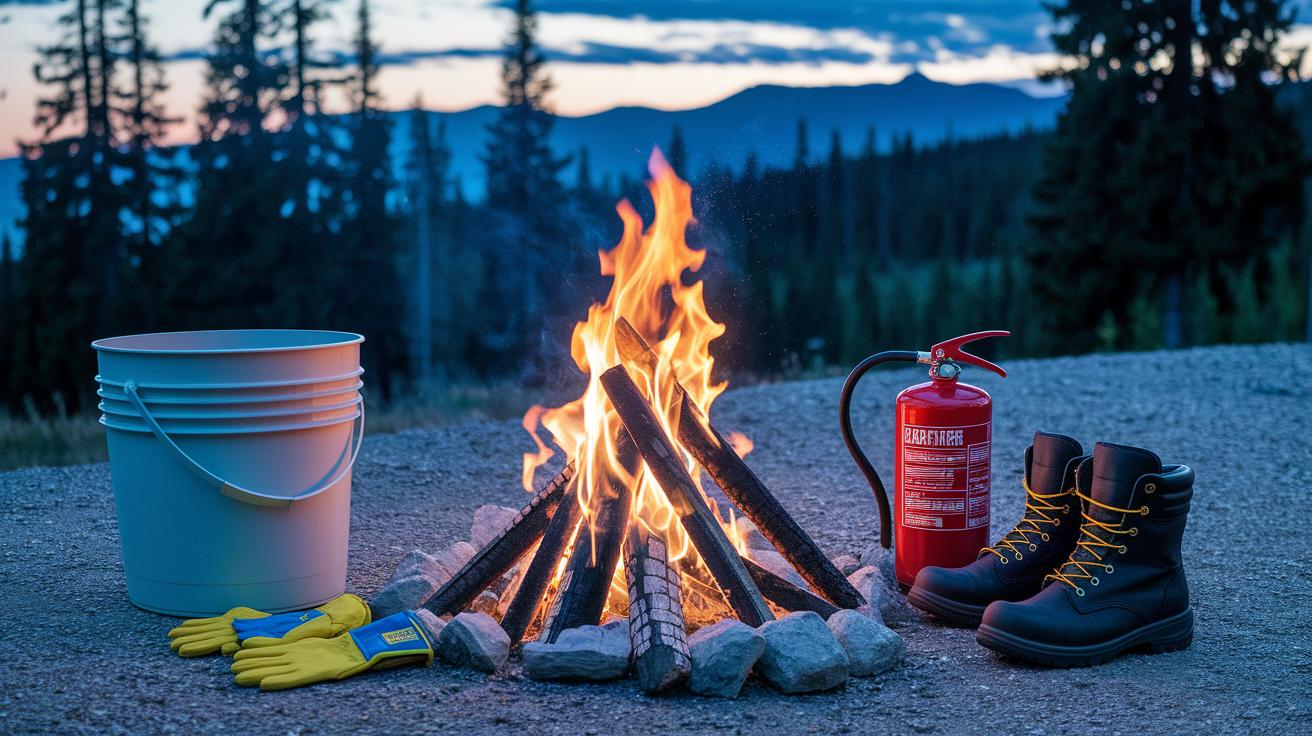
When you're gathered around a campfire, safety is key. Keep a small portable fire extinguisher, a pair of fireproof gloves, and even a bucket of water nearby. Once you're done with your fire, pour water over it until every flame is out. Give the coals a good stir and gently feel the ashes (carefully) to make sure there’s no hidden heat. Think of it like double-checking your camp stove after dinner, safety always comes first.
Your shoes really matter out there. Choose sturdy hiking boots with strong soles, comfy midsoles, and tough toe caps so you can handle rough trails without worry. When the terrain gets slippery or rocky, wearing non-slip shoes helps prevent falls. Imagine gripping firm rocks on a rainy day; each step feels more secure when you’ve got the right gear.
Staying safe with water is just as important. Carry a portable water filter so you can enjoy clean drinking water, even when you’re far from home. This handy tool removes harmful bacteria and protozoa, letting you savor every moment of your adventure without a care.
Stay mindful with every step, and let these tips help guide you through your outdoor adventures.
Emergency Preparedness Outdoors: First Aid and Communication Plans

Start your day off right by packing a simple, well-stocked first-aid kit. Think of it as your little field hospital, complete with bandages in different sizes, trauma dressings, antiseptics, and a CPR face shield. Imagine cleaning a scraped knee by a gentle, babbling brook with everything you need right at hand.
Next, toss in an emergency survival kit. Grab a space blanket (a thin, heat-retaining cover), a signal mirror, a distress whistle, and an emergency rain poncho. These items team up like trusty hiking buddies, each playing its part when unexpected weather or mishaps hit.
Don’t forget your portable battery and solar chargers. Keep them safe in waterproof cases and make sure they’re fully charged before you set out. Picture yourself deep in the wild, needing to send a quick SOS, having a charged device can be your lifeline.
Also, put together an emergency contact list with phone numbers for local rescue services and ranger stations. Keep these details in a waterproof pouch or saved on a fully charged device, so help is always just a call away.
This essential kit isn’t just about camping, it’s about knowing you’re prepared for whatever twists and turns nature brings your way.
Wildlife Encounter Precautions and Risk Management

When you're out enjoying nature, you want to be ready so that wildlife encounters stay cool and stress-free. If you're in bear country, always pack bear spray, it’s a tried-and-true, non-lethal way to keep things safe. And don’t forget a bear spray holster; it keeps that lifesaver right at hand.
Store your food smartly by using bear-proof containers or hanging it at least 10 feet off the ground and 4 feet from any tree. This simple trick helps keep curious critters at bay while you relax. A whistle or a couple of friendly calls can also let animals know you’re nearby and help avoid surprises.
It’s wise to invest in dependable wildlife safety gear, like animal-resistant storage bags and a personal locator beacon for emergencies. Out there in the great outdoors, these steps work together to keep risks low and allow everyone to share the wild in peace.
Imagine sitting by your campfire, feeling confident because you’ve planned ahead. Each safety step adds a bit more ease to your adventure, letting you truly unwind knowing you’re well prepared.
Weather Emergency Strategies: Heat, Cold and Storm Preparedness
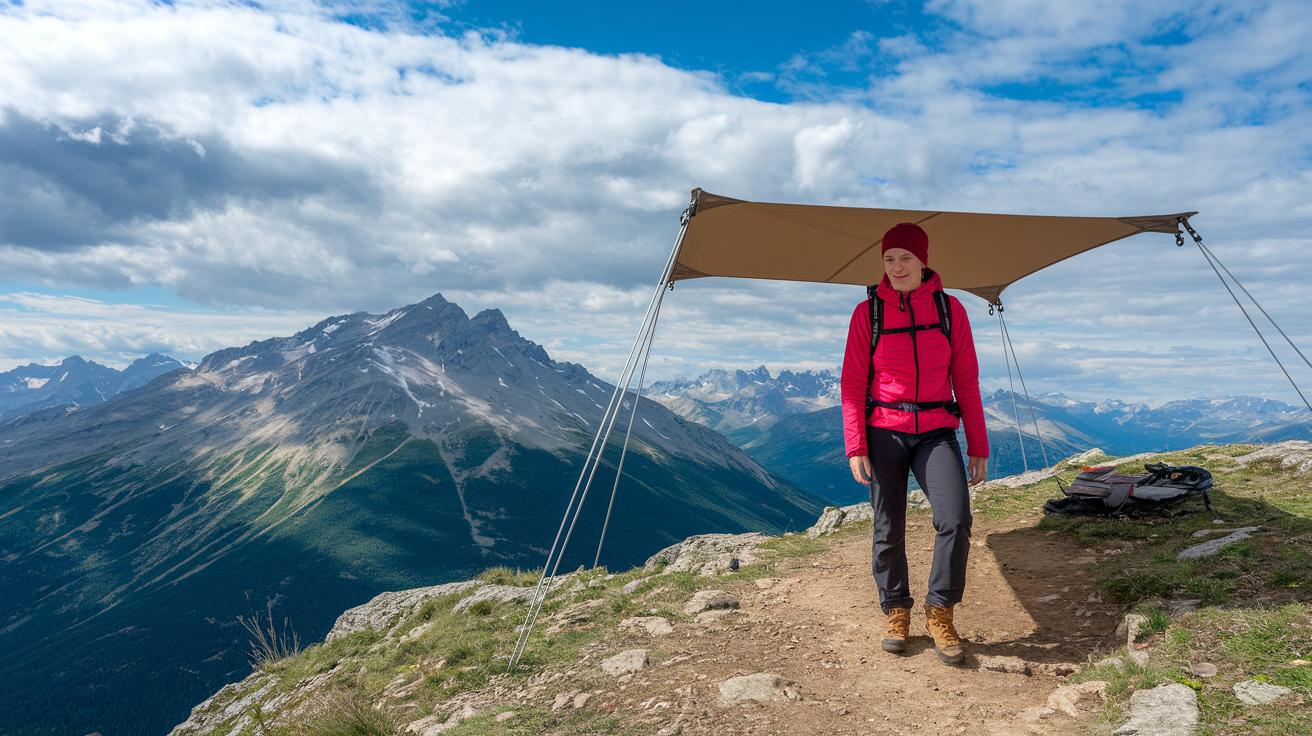
When you're out exploring, it's key to dress in layers. Start with a base layer that pulls sweat away from your skin, add a cozy mid-layer to hold in warmth, and top it off with a waterproof, windproof shell that stands up to blustery winds. It’s like stacking a hearty sandwich, each layer plays its part in keeping you safe.
When the sun is blazing overhead, set up a portable sun shade canopy and don’t forget to slather on sunscreen with SPF 30 or higher. Imagine laying out a canopy at your picnic spot, feeling the cool shade while sunlight dances around, and knowing you’ve taken the right steps to avoid a painful burn.
Keep a rain tarp nearby for those sudden showers. It’s your quick shelter solution when the weather turns on a dime, much like grabbing an umbrella when a gentle drizzle turns into a downpour.
On hot days, hydration is your best friend. Figure out how much water you need and pack a little extra, just in case. If you start feeling dizzy or nauseous, pause for a moment to sip water and cool down. It’s a small step that makes a big difference, ensuring you keep enjoying your adventure safely.
Safe Campsite Selection, Setup, and Security Measures
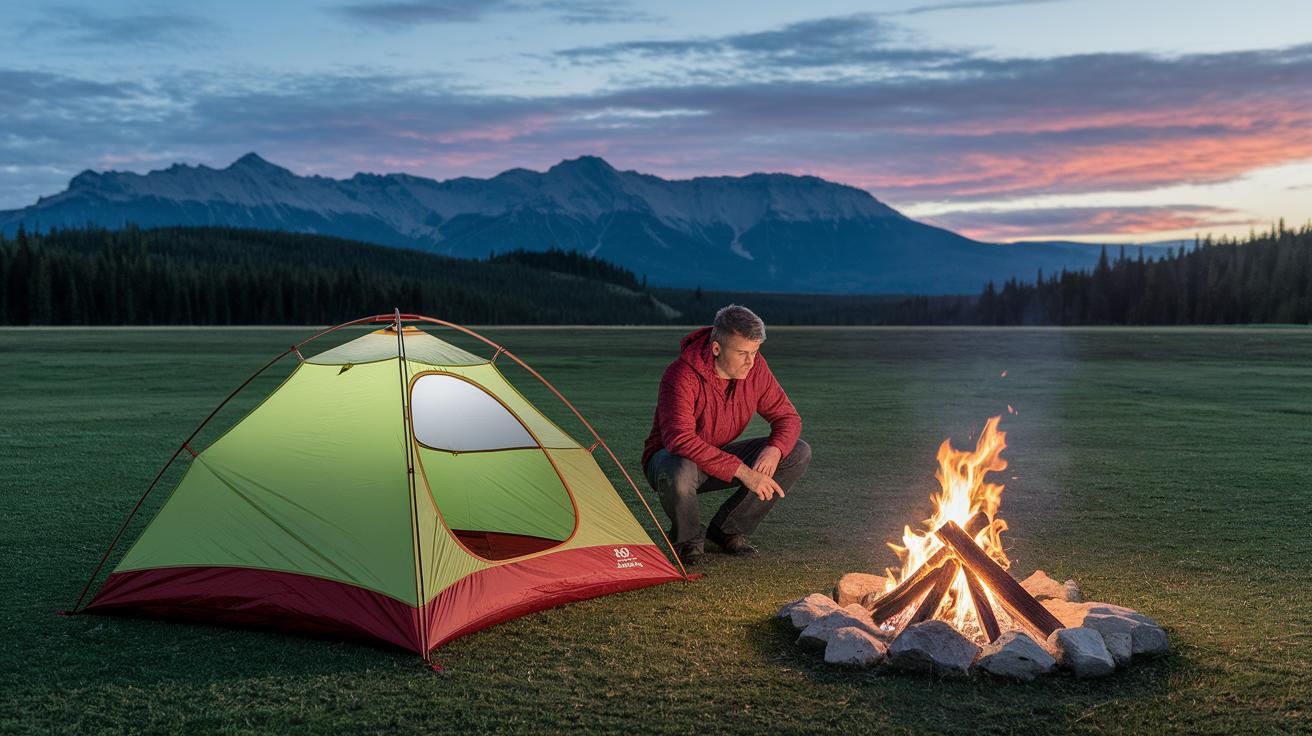
Find a flat, open area that feels as inviting as your favorite picnic spot, free from dead trees, steep hills, and signs of rockfall or flooding. It’s all about keeping things safe so you can relax and enjoy the outdoors.
Keep your tent at least 15 feet away from the campfire. This little buffer zone helps stop heat or stray sparks from reaching where you sleep.
Before you settle in for the night, give your tent a good once-over. Check for any rips or weak seams, kind of like you’d inspect your bike before a ride. Then stake your lines at a 45° angle to keep the tent nice and secure against unexpected gusts.
Don’t forget about keeping the area tidy. Pack out all your trash, use biodegradable soap only when you’re away from the site, and store food safely to keep curious critters at bay. Think of it like cleaning up your workspace after a creative day, it’s the little details that count.
Follow local rules on firewood and campfire restrictions too. These guidelines help ensure your campsite stays safe and well-planned, just like a mapped-out trail.
| Tip | Description |
|---|---|
| Choose a Safe Spot | Pick a flat, hazard-free area, much like selecting the perfect picnic area. |
| Maintain Distance | Keep your tent at least 15 feet from the campfire to avoid heat and sparks. |
| Inspect & Secure | Check your tent for rips and stake it properly at 45° angles against winds. |
Each tip works together to create a secure and worry-free campsite, letting you focus on that peaceful night under the stars.
Wilderness Navigation and Route Planning Practices

When you're setting off into nature, planning becomes as trusty as your favorite hiking stick. Grab a detailed topographic map and hone your compass skills, it's like mapping out the perfect spot for a hidden picnic. Each detail helps you pick the safest, clearest route and dodge any bumps along the way.
A GPS is a real lifesaver on these trips. Make sure it's packed with extra batteries, and if you're heading out alone or deep into backcountry trails, think about a personal locator beacon (a small device that sends out a distress signal). It feels good to know you've got an extra layer of safety keeping you connected.
Before you go, always sketch out your escape routes. Write down your plan and share it with a friend or family member off the trail. Just like leaving a trail of breadcrumbs for someone to follow, this simple step ensures help is on hand if weather or unexpected obstacles force you to change direction.
Lastly, it's wise to practice using a signal mirror and know that three short whistle blasts can help alert rescuers in a pinch.
By taking these steps, you're setting yourself up for a more confident, breezy adventure on every trail.
Final Words
In the action around our camp, we've covered gear checks, hazard prevention, planning for emergencies, wildlife safety tips, weather strategies, secure campsite setups, and even map skills. All these steps help form a well-rounded list of camping safety essentials for any outdoor trip.
It’s a practical path laid out like a trail map, giving you clear guidance to stay safe while you soak up nature’s charm. Enjoy every moment under the sky and keep this advice handy for your next trip.