

Ever thought your camping trip might lose its magic without a solid water plan? Clean water is more than a drink; it’s your lifeline when you’re enjoying the night sky. Think of it like a trusty trail map that guides you and keeps you safe while you explore. In this post, we cover the water gear you need and share easy tips to beat thirst on those warm, busy days. Sometimes, a few simple items can be the spark that makes your outdoor adventure unforgettable.
Core Camping Hydration Essentials for Every Outdoor Trip
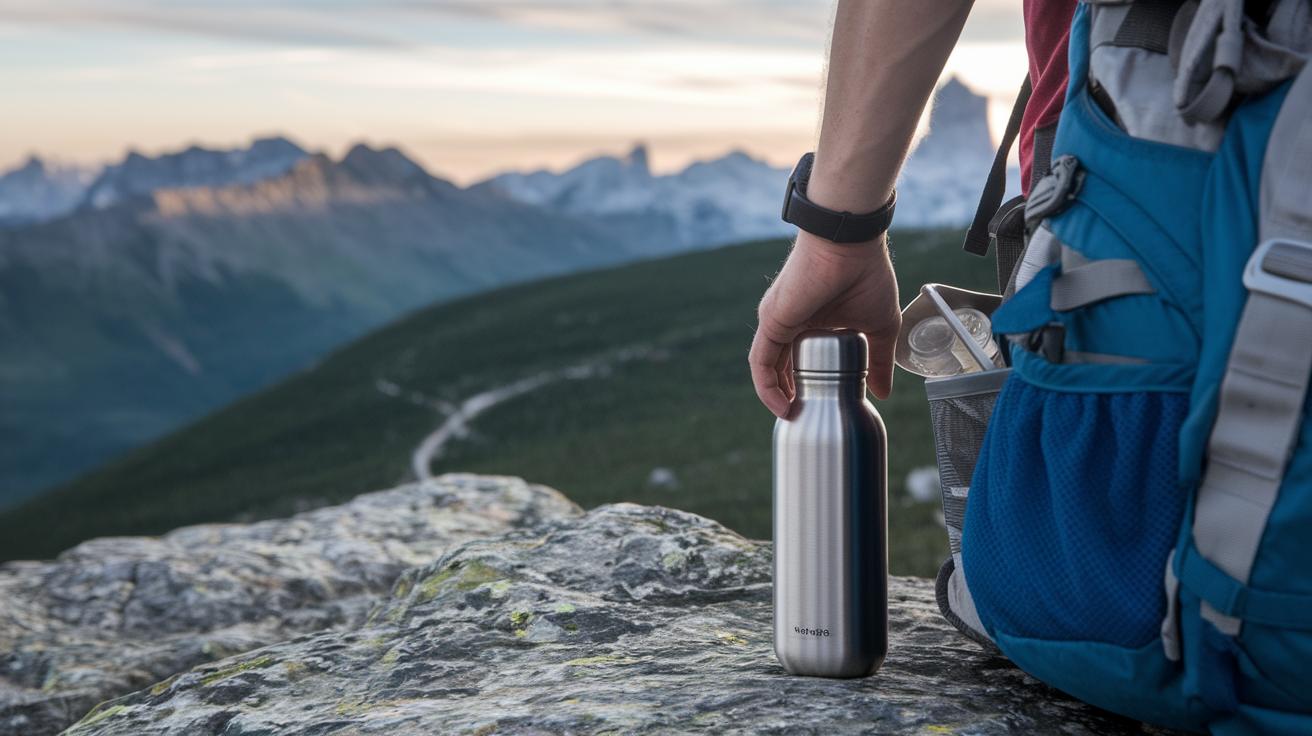
Having a steady water supply is what keeps your trip safe and fun, whether you’re camping under the stars or hitting a multi-day trail. Water isn’t just something to drink, it’s your lifeline. Since our bodies can only go a few days without it, having a solid system for carrying and cleaning water is a must. Think of it as another essential piece on your trusty camping checklist.
On a day of moderate activity, aim to drink between 2 and 4 liters. Your gear should be ready for that challenge. Picking the right bottles and water treatment tools makes sure you always have clean water by your side. Here are the key items:
- Stainless steel or BPA-free water bottle (1–3 liters)
- Hydration bladder or pack with a 1–3 liter capacity
- Portable filter (like a gravity filter or pump)
- Chemical treatment or UV purifier
- Lightweight collapsible container or backup bottle
Remember, if the weather’s hotter or your hike gets tougher, you’ll need to adjust your intake. When you’re sweating more, sip small amounts often to fend off dehydration. And be careful, drinking too much water without replacing lost minerals can lead to hyponatremia, which may leave you dizzy, tired, or confused. Keep your water plan simple and smart, just like your favorite trail routine.
Water Storage Solutions: Durable and Insulated Drink Containers
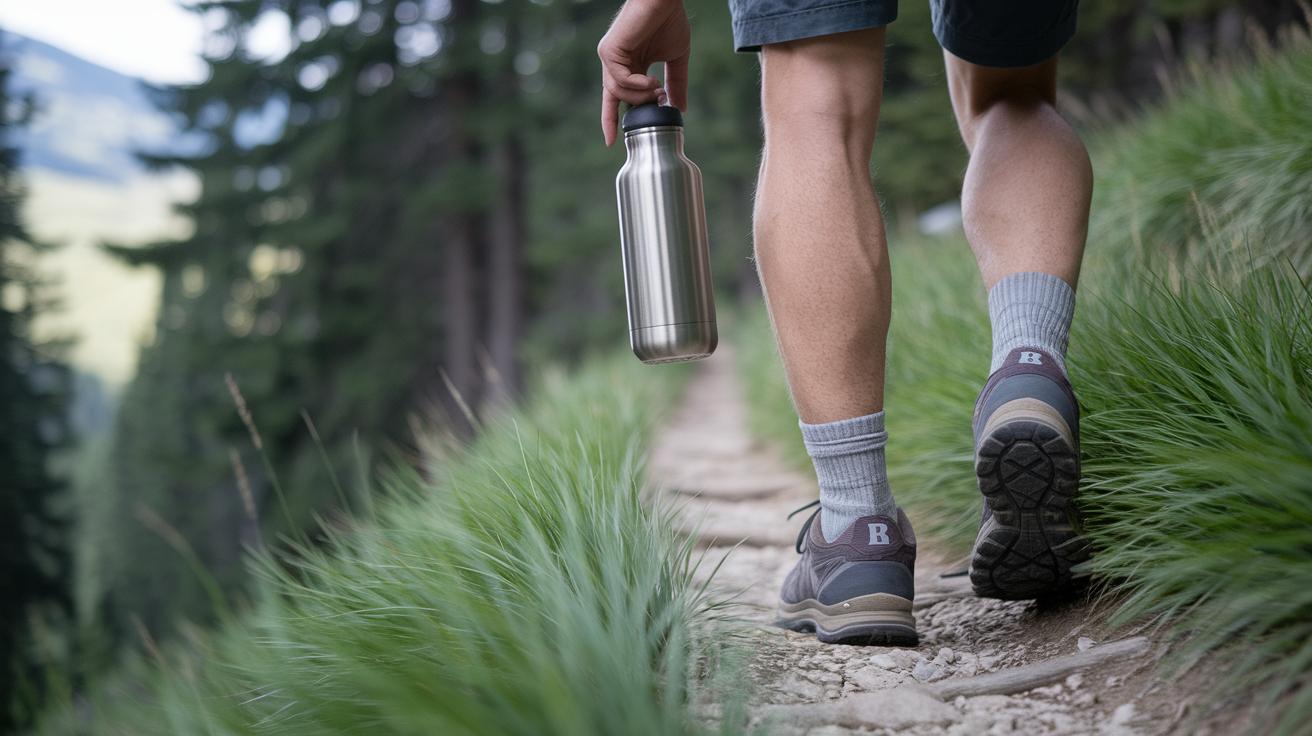
When you're out on a trail, picking the right water container can really change the game. It not only helps keep your drink cool but also makes a difference in how much room you’ve got in your pack. Stainless steel bottles, for example, can keep your water fresh and cool for hours, even during long adventures. And sure, lighter bottles made of hard plastic save weight, but they might not hold the temperature as well as you’d like.
The kind of material you choose really affects how comfortable and practical your pack feels. Think about it: silicone collapsible pouches flatten out when you’re not using them, and expandable bladders add extra space for water without weighing you down. These choices let you pick what fits best for your style of adventure.
| Container Type | Material | Capacity | Insulation | Weight |
|---|---|---|---|---|
| Stainless Steel Insulated Bottle | Stainless Steel | 0.75–1 L | Yes | 12–16 oz |
| Collapsible Silicone Pouch | Silicone | 1–2 L | No | 2–4 oz |
| Hard Plastic Bottle | Tritan/HDPE | 1–1.5 L | No | 6–8 oz |
| Expandable Bladder | TPU/PVC | 1–3 L | No | 5–7 oz |
It’s also smart to pick a water container that’s easy to clean and kind to the planet. Reusable options help cut down on plastic waste, and they make cleanup after a long day on the trail much simpler. Stainless steel bottles, for instance, are super durable and wash up nicely, while silicone pouches rinse off in a flash. In truth, these little details can really make your outdoor adventure feel more relaxed and worry-free.
Portable Water Filters and Advanced Purification Methods
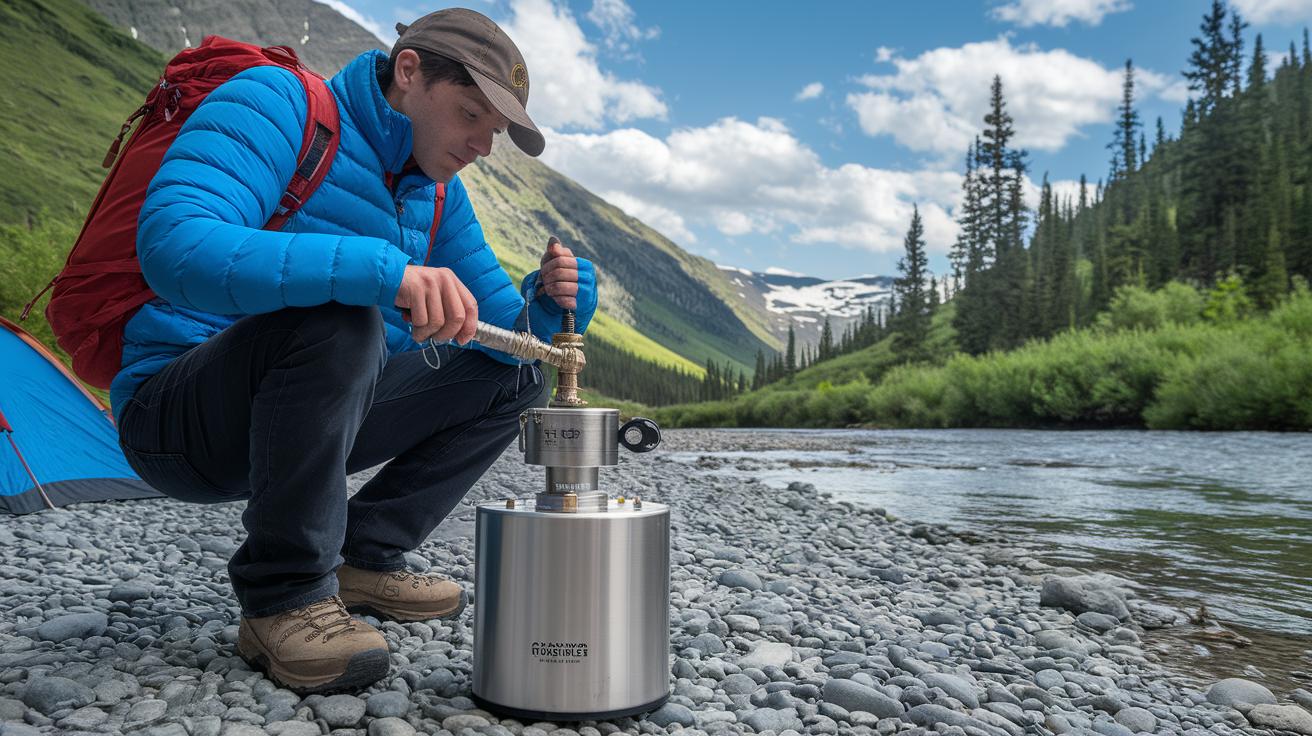
When you’re out camping, turning natural water into safe drinking water is a real game changer. Simple filters work hard to tackle dirt, sediment, and bacteria. But if you’re up against viruses, you’ll need full purification to make sure every sip is safe.
Pump filters get water to you quickly, but they might ask for a bit more cleaning and can wear out faster. On the other hand, gravity filters take their time and don’t need as much upkeep. It’s kind of like choosing between a quick snack and a slow-cooked meal by the campfire.
Chemical treatments use tablets filled with chlorine, iodine, or chlorine dioxide. These little helpers zap away viruses, leaving you good to go. Boiling water for a minute or more is another trusted method, though you might notice a slight change in taste afterward. It’s a small price to pay for your safety.
UV-C purifiers use a small light that deactivates germs. They work on batteries or an internal power source and need just a few minutes to run a full cycle. Their neat, compact design makes them a perfect travel buddy.
Sometimes, when you’re heading to places where viruses are a worry, it might be smart to mix methods. Start with a portable filter and then use a chemical treatment or a UV purifier for extra peace of mind. And it never hurts to pack a few extra treatment tablets for those unexpected moments.
Hydration Packs and Bladders: Capacity, Cleaning, and Upkeep
Hydration packs let you take sips of water without missing a step on the trail. Many hikers love these systems because they free up your hands for climbing, reaching, or simply soaking in the view. Most hydration bladders hold between 1 and 3 liters, fitting neatly into your pack so you can grab a drink quickly and keep moving.
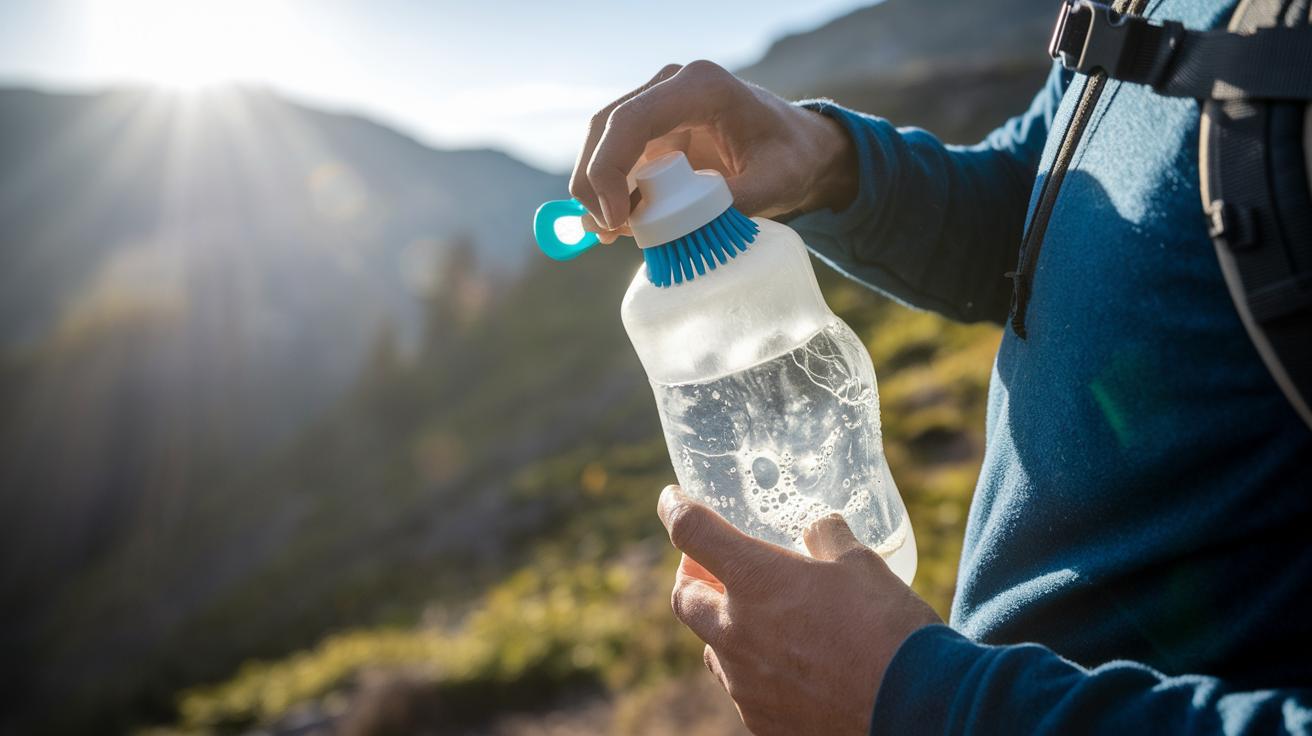
Keeping your hydration pack clean is as important as keeping your gear in good shape. Right after you use it, give the bladder a quick rinse with water. Then, use a small bit of soap with a special brush (designed for cleaning these packs) to scrub the inside well. Rinse it again to wash away all the soap, and hang it up to air-dry completely. This simple routine helps your pack stay fresh and stops mold from forming.
When choosing a hydration pack, think about your trip and how fast you move. For short hikes or when every ounce matters, an ultralight pack is just right. But if you’re planning a long or tough outing, a more rugged design might work better, handling extra bumps and scrapes along the way.
Strategic Hydration Planning and Outdoor Hydration Tips
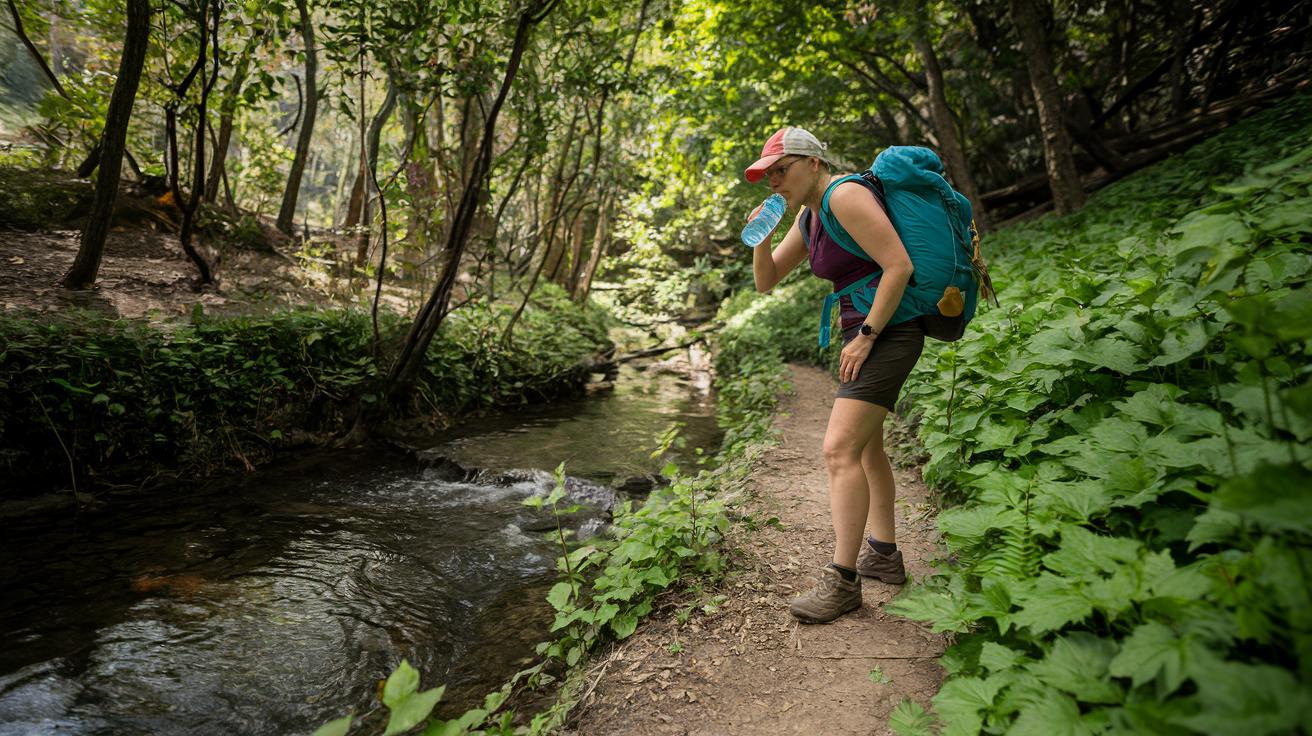
When you're out exploring the great outdoors, map your route around water sources like streams or springs, just like planning stops on a familiar trail. Set a comfortable pace that lets you take small sips regularly instead of chugging your water all at once. This way, you can catch that early sign of thirst before it grows into a real issue. Imagine starting your morning hike by taking a few quick sips every 15 minutes – little actions that add up to keeping you well-hydrated all day.
Try using sugar-free electrolyte drops to replace the important minerals (sodium, potassium, and magnesium) that you lose when you sweat. Pack snacks with loads of water, like watermelon, oranges, or grapes, to give you a natural hydration boost along the way. And always keep an extra day's worth of water in reserve for those unexpected moments. For peace of mind on your adventure, check out the camping essentials checklist to ensure all your hydration bases are covered.
Final Words
in the action, we covered the must-haves for keeping hydrated on any outing. We highlighted reliable water gear, from BPA-free bottles and hydration packs to portable filters and purification methods. We also touched on picking the right water storage solutions so you can sip safely throughout your adventure.
Using proper camping hydration essentials keeps you refreshed and ready to take on new trails. Every tip and tool shared here is meant to help you stay safe while you make the most of those precious outdoor moments.
FAQ
Q: What are the essential hydration items recommended for camping?
A: The essential hydration items recommended include a BPA-free water bottle, a hydration pack with a 1–3 L bladder, a portable water filter, chemical treatment, and a collapsible backup container, combining Reddit advice with classic gear.
Q: How do hydration backpacks for hiking help with water management?
A: Hydration backpacks for hiking help by providing hands-free sipping with a 1–3 L bladder, keeping water cool and accessible throughout your trek, and fitting comfortably in your pack.
Q: How can I get safe drinking water while camping?
A: Safe drinking water is reached by using a portable filter to remove sediment and bacteria and treating water with chemicals or UV methods. Boiling water for one minute is another trusted method.
Q: Are hydration packs worth it for campers?
A: Hydration packs are worth it because they offer hands-free drinking, a lightweight design, and easy access to water on the move, making them a smart, practical option on camp trips.
Q: What 10 essentials should I pack when camping?
A: The 10 essentials include water gear like BPA-free bottles, hydration packs, portable filters, chemical treatments, and backup containers, plus shelter, food, clothing, first aid, and basic navigation tools.