

Ever wondered if your camping gear might be the secret to a perfect night beneath clear skies? Imagine your backpack as the spark that lights up your adventure. In this guide, we share our list of must-have supplies. From strong tents to trusty cookware (simple pots for cooking), each piece works together like parts of a well-planned campfire setup. Every item helps keep your outdoor time cozy and safe, just like a good campfire brightens a chilly evening. Read on to see how picking the right gear can turn an ordinary night into a memorable one under the stars.
Camping Essentials Guide: Complete Gear & Checklist
When packing for your camping trip, imagine your backpack as a well-organized campfire setup. Start with the heavy gear at the bottom, just like laying a solid foundation for a story. Set your tent on smooth, level ground, secure each corner with stakes, and tuck bulky cookware into your pack first. Then, layer lighter items like your bedding and snacks on top so your sleeping bag is easy to grab when night falls.
This guide breaks your gear into seven easy categories. First up, tents. They come in many styles, from the trusty classic designs to modern versions that even work with vehicles. Next, your camp kitchen. Pack a stove (like a two-burner for extra heat), durable cookware, and utensils that can stand up to rough trails. When it comes to keeping your food fresh, choose a cooler, either a hard cooler made to last several days or a soft, portable one, to keep perishables chilled.
Now think about your bedding. Look for sleeping bags with clear temperature ratings, lightweight pillows, and sleeping pads that are either inflatable or foam, so they roll up small. Don’t forget the little extras: pack repair patches, extra guy lines, and stuff sacks to keep everything weatherproof and tidy. A safety kit packed with basic first-aid supplies like bandages and antiseptic wipes is a must, and having a few lighting options, such as headlamps and lanterns, will keep you safe when dusk comes early.
And remember, many campgrounds have on-site stores for essentials. So take a moment to check the rules on items like fireworks and firewood before you pack. This way, you focus only on the gear you truly need, making your outdoor time as easy and enjoyable as a sunny hike.
Shelter and Sleeping Essentials for Camping
Tent Setup Essentials
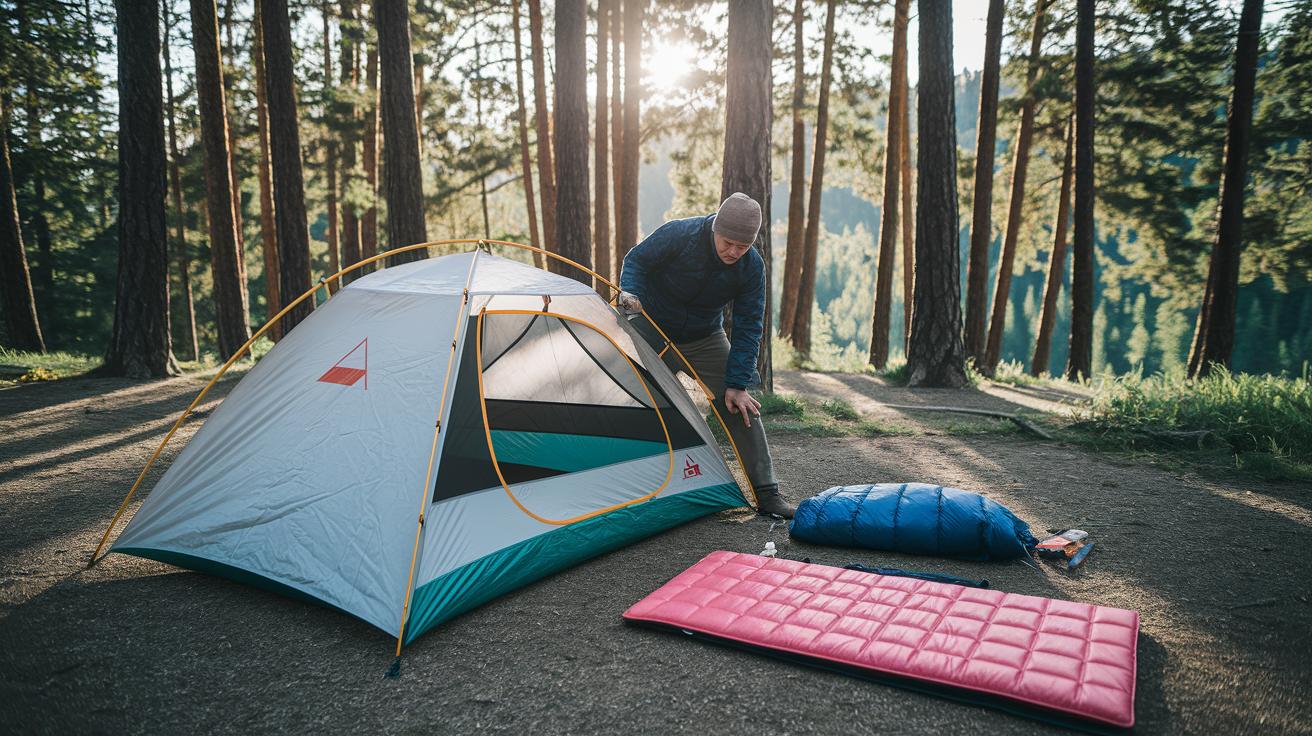
When you’re setting up your tent, start by finding a firm, level spot free from rocks and sticks. Stake all the corners well so your shelter holds up against rough winds and stops puddles from forming underneath, kind of like lacing up sturdy boots before a hike. I remember one night when a sudden downpour caught me off guard; those securely driven stakes made all the difference. And don’t forget to attach your rainfly to keep the moisture away, while also letting your tent breathe to cut down on condensation.
Sleeping Bag & Pad Choices
Next up, choose a sleeping bag that fits the night’s chill. Look at its temperature rating and the type of fill, down keeps you warm and light, while synthetic insulation handles moisture better. Match it with a sleeping pad that suits your style: closed-cell foam for long-lasting toughness or an inflatable mattress that packs down small. A lightweight, compressible pillow can add that little extra comfort. Think of it like wrapping yourself in a cozy cocoon before settling in under the stars.
Shelter Alternatives
For those who need to pack as light as a feather, consider options like tarps, bivy sacks, or hammocks. Tarps can double as a rain shelter with their flexible cover, and a bivy sack offers minimal weight protection whenever you want to keep things simple. If you’re into the idea of a breezy sleep, try a hammock with tree-friendly straps (designed not to harm the trees). These alternatives work great when a traditional tent feels too heavy for your pack.
Cooking and Hydration Essentials in Camping
When you head outdoors, having solid cooking and hydration gear is key. Your trusty camping stove, whether it’s a double-burner for bigger meals or a compact single-burner for quick fixes, acts like the heart of your camp kitchen. It heats up stews after a long hike and warms your drink on a cool evening.
Good cookware also makes a big difference. Durable, stackable sets, usually made from stainless steel or hard-anodized aluminum (a tough, long-lasting metal), keep meal prep smooth. Even a small spatula or a collapsible bowl can really brighten up your camp meals.
Staying hydrated is just as important. A reliable water filter, whether you choose a pump style or one that uses gravity, makes sure your water is safe to drink. Pair it with a hydration reservoir or a leakproof bottle, and you’re all set for a day on the trail.
Here’s a quick rundown of the top gear:
- Double-burner gas stove
- Compact single-burner unit
- Durable, stackable cookware set
- Reusable spatula and knife
- Collapsible bowls
- Pump or gravity-fed water filter
- Hydration reservoir
- Leakproof water bottle
Safety Essentials: First Aid, Lighting, and Tool Kits for Camping

Heading out into the wild means you need to be ready for anything. A trusty first aid kit is a must, pack bandages, antiseptic wipes, and even a splint in a small, sealable pouch that slides right into your backpack. Imagine patching up a scraped knee quickly before it becomes a bigger issue.
Lighting is key when the sun goes down. A reliable headlamp or lantern can make all the difference on that cool, shadowy trail. Look for lights that stand up to cold and wet weather, and think about whether a rechargeable model or a disposable one fits your adventure best. Picture setting up camp at dusk with a light that stays bright all night.
Then there are multi-use tools. A pocket multi-tool with pliers, saw blades, and a knife can handle those unexpected fixes. And if you’re in a spot where wildlife roams, a solid camp axe or hatchet gives you a little extra muscle. Plus, bear-safe food containers and some insect repellent help keep your supplies and you safe from nature’s little surprises.
- Camp first aid kit: bandages, antiseptic wipes, and a splint in a compact pouch
- Lighting: headlamps and lanterns built for chilly, damp conditions
- Multi-use tools: a handy pocket multi-tool and a sturdy camp axe or hatchet
- Wildlife safety: bear-safe containers and reliable insect repellent
Camping Essentials for Different Trip Styles
Backpacking Gear Checklist
When you're heading out on a light backcountry trip, pack only what you really need. Think of it like gathering just enough firewood, only the pieces that will keep you warm. Use compact, ultralight shelters and a small stove that fits right at the bottom of your pack, and then neatly place heavier cookware and shelter gear inside. Keep lighter items like your first aid kit and snacks on top so your load stays balanced, just like stacking logs for a steady campfire.
Car Camping Basics
Car camping means you can bring those comfy, bulkier items without a hitch. You can load up on big coolers for storing extra food, full-size chairs for relaxing by the campfire, and even extra tarps to create shade or cover during a rainy day. Organize everything into separate compartments in your vehicle, much like sorting your gear for an easy setup. Your car turns into a handy, mobile storage space, making setting up camp feel just as smooth as unfolding a well-used map.
Family Camping Kit
When you’re camping with family, you need gear that keeps everyone happy and safe. Opt for group tents with plenty of room for adults and kids, and don’t forget kid-sized sleeping bags for an extra cozy night under the stars. Pack games to keep the little ones busy and extra lights to brighten up your camp at night. With the right mix of comfort and practicality, like a tent that opens wide enough for a family meal, everyone can kick back and enjoy the great outdoors together.
Comfort and Organization: Accessories to Enhance Your Camping Essentials
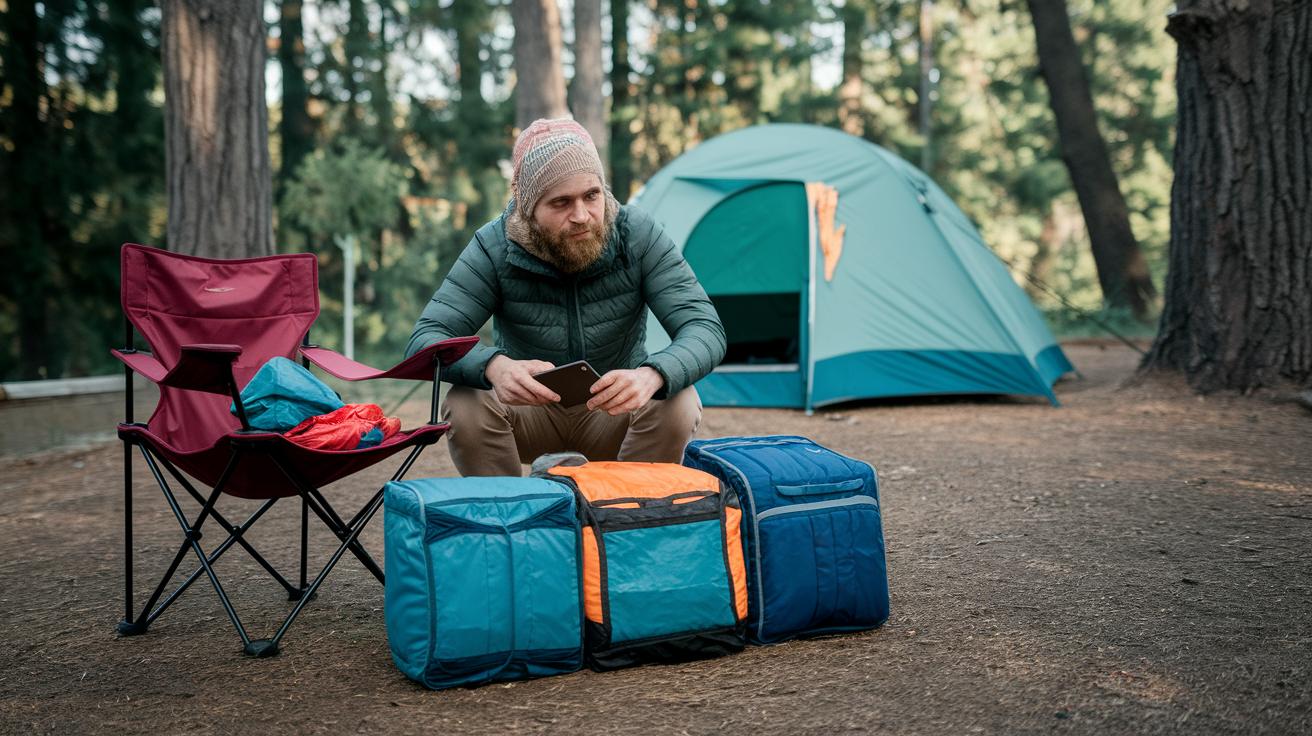
Keep your camp neat and comfy without any fuss. Try using stuff sacks, dry bags, and packing cubes to sort your clothes, cooking tools, and gadgets. Label your packs and group similar items so you can grab what you need quickly. And when a rainy day rolls in, tough tarps, spare guy lines, repair patches, and paracord can come to the rescue, patching gear or even setting up an impromptu shelter.
When it's time to relax, opt for a camp chair that feels just right. A chair with an adjustable recline, firm back support, and built-in cup holders can make sitting by the campfire feel extra special. And for those lazy, warm afternoons, a portable hammock made of ripstop nylon (a tough, tear-resistant fabric) with tree-friendly straps creates a light, cozy nook that fits right into nature.
- Stuff sacks, dry bags, and packing cubes to keep your items safe from the weather
- Tarps, extra guy lines, repair patches, and paracord for speedy fixes
- Camp chairs and portable hammocks to boost your comfort and relaxation
Final Words
in the action, we broke down gear choices for shelter, sleep, cooking, and safety.
We shared clear tips on tent setups, effective packing, and smart gear organization.
Each section gave practical advice, from setting up your stove to sorting out your safety kit.
Take these insights to pack smarter and make your outdoor time safe and fun.
Here’s to your next great camping trip and enjoying all the camping essentials!