

Ever think about whether cooking outside is really safe? Many of us love grilling under the stars, but one little mistake can spoil the fun. Using the right gear can help you dodge burns, spills, and fuel mishaps. We'll share how heat-safe utensils, tough cookware, and a steady setup can keep your camp stove working just fine. Ready to mix safety with your love for outdoor cooking? Let’s explore how to whip up meals under clear, open skies.
Key Camping Cooking Safety Essentials Overview
Using the right gear makes cooking outdoors both safe and a breeze. Good equipment stops burns, spills, and fuel mishaps by ensuring every tool, from your camp stove to your food storage, does its job when you need it. For instance, a heavy-duty pot built for high heat (one that resists warping) helps you avoid unexpected spills while you whip up a meal under the clear sky.
Sturdy gear like stainless steel or cast iron pans and heat-safe utensils gives you peace of mind around the fire. When everything works together just right, your camp kitchen stays neat and reduces the risks that come with a cluttered, makeshift setup. Imagine having a steady table that keeps your gear in place while you grill veggies or flip a burger. This organized approach keeps fire hazards low and makes sure every ingredient is handled safely.
- Camp stove
- Heat-proof gloves
- Heavy-duty cookware
- Reliable utensils
- Stable table
- Campfire extinguisher
- Cooking first-aid kit
For more info on using your stove safely and managing open flames, check out our sections on stove safety and fire management.
Safe Camp Stove and Portable Cooking Appliance Use
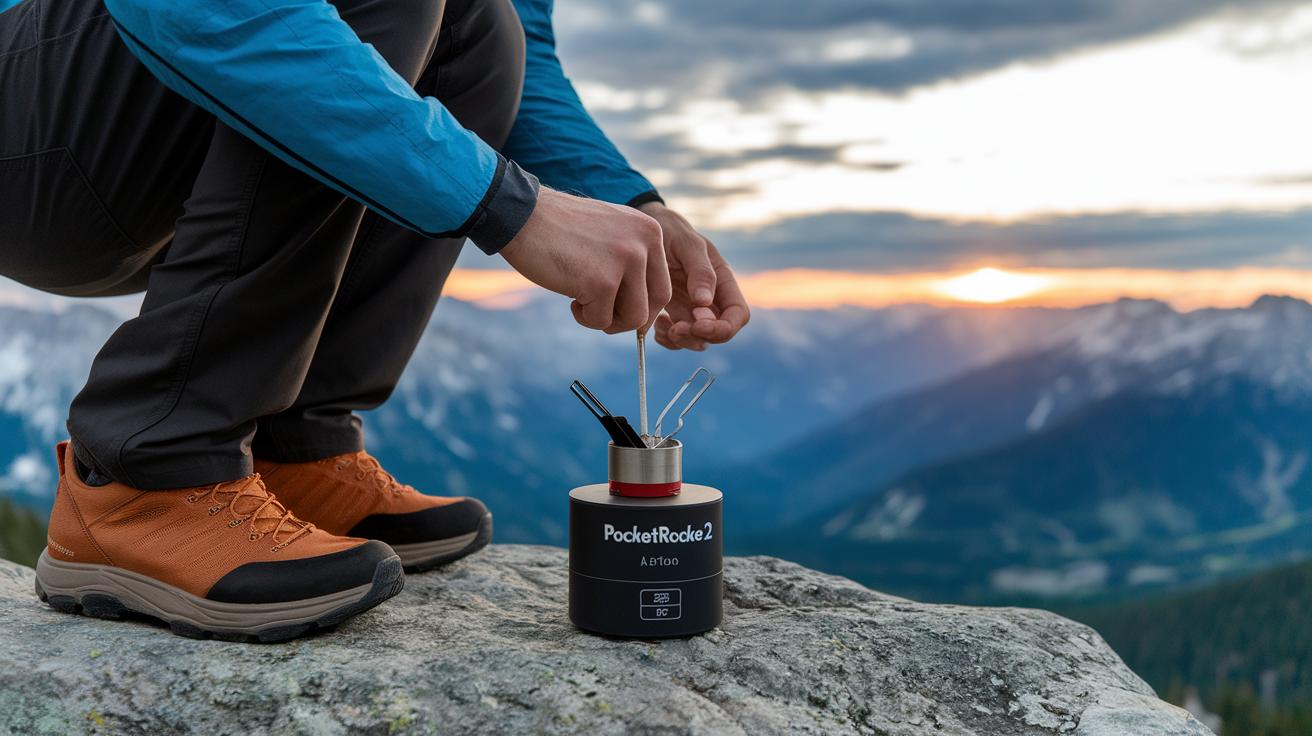
When you're out in the wild, keeping your stove safe is key. Pick one that matches your camping vibe and give it a quick look-over before each use. Check the connectors and fuel lines so you avoid leaks, tip-overs, or fuel mishaps during your outdoor cooking.
Single-Burner Backpacking Stoves
Lightweight stoves like the MSR PocketRocket 2 are built for quick, efficient use on the trail. They can boil water in as little as 3.5 minutes, perfect when hunger strikes and you need a hot meal fast. Their compact design means they pack up easily, and you can check their stability on a flat rock or log to help avoid accidental tipping.
Multi-Burner Car-Camping Stoves
For family trips or group camping, multi-burner stoves such as the MSR WindBurner offer plenty of space to cook. These stoves spread heat evenly with well-placed burners and come with wind shields to guard against gusty conditions. Make sure there's plenty of clearance around each burner so your gear stays safe. Plus, features like pressure regulation help keep the flame steady for perfectly cooked meals.
Always store fuel safely, keep tanks upright, hold spares in well-ventilated bags, and follow local storage rules to keep your adventure worry-free.
Camping Cooking Safety Essentials: Enjoy Outdoor Flavors
Start by finding a firm, level spot that's free of dry leaves or twigs, those little bits can catch fire quick. It’s like setting your folding grate on a neat rock; you know your cooking area is stable and safe from stray sparks. Keep at least 3 feet between where you’re cooking and any flammable shelter, like your tent or gear. And a low-profile wind shield can help by keeping unexpected breezes from turning up the heat more than you want.
While you’re cooking, don’t take your eyes off the flames. You might need to adjust your fuel or stir the embers every now and then. If the fire flares up too high or the coals start lumping together, switch to using fire starters when natural wood isn’t an option. Always have a container of water or sand at the ready so you can quickly douse any spikes in the flame. To properly put it out, gently pour your coolant over the fire, give those coals a good stir, and repeat until everything feels cool to the touch. This way, your campsite stays safe while you enjoy all the delicious outdoor flavors.
Wilderness Food Hygiene and Sanitation Practices

Keeping your hands clean and having separate spots for meal prep and cleaning up is one of the easiest ways to beat off unwanted food germs. Imagine finishing a tasty meal and then moving your fork and knife to a special cleaning area. This way, you stop germs from jumping around and keep your cooking gear safe for your next adventure. Using hand sanitizer before and after touching your food cuts down the risk even more.
Here are five simple steps for keeping your gear spotless:
| Step | What to Do |
|---|---|
| 1 | Scrape off food bits into waste bags |
| 2 | Wash using biodegradable soap |
| 3 | Rinse well with drinkable water |
| 4 | Sanitize surfaces or tools |
| 5 | Let utensils air-dry on a clean rack |
Each of these steps is a solid move toward keeping everything germ-free and making sure you don't get sick when cooking outdoors. Setting up clear boundaries between the clean and dirty zones makes it easy to know that your pot, pan, and cutting board are all ready for the next meal.
After you’re done cleaning, remember to pack out any greywater and trash. Always dump wastewater at least 200 feet away from natural water sources and carry out all waste from your site. These habits help keep the wild places pristine and ensure your campsite stays safe and healthy for everyone.
Secure Outdoor Food Storage and Wildlife Protection
Ever been out in the wild and worried about curious bears, mischievous raccoons, or pesky insects stealing your food? Using food canisters or hanging your supplies properly is a tried-and-true method to keep your goodies safe. Just hang your food 10–15 feet above the ground using strong cords tied to a sturdy tree, or opt for a bear canister that locks tight. Picture it: a mesh bag of snacks tucked high between two tall pines, far from prying paws and beaks.
Another smart move is to stash perishables in a sealed cooler and use odor-proof bags to hide any strong smells. A good cooler with a solid latch keeps your food at safe temperatures all day long, and odor-proof pouches help prevent trails that attract wildlife. Here’s a handy tip: every day, pack out any trash or leftover scraps in a secure bag. This routine not only keeps your campsite clean but also helps keep unwanted visitors at bay, letting you enjoy your outdoor adventure with peace of mind.
Emergency Preparedness and First Aid for Cooking Mishaps
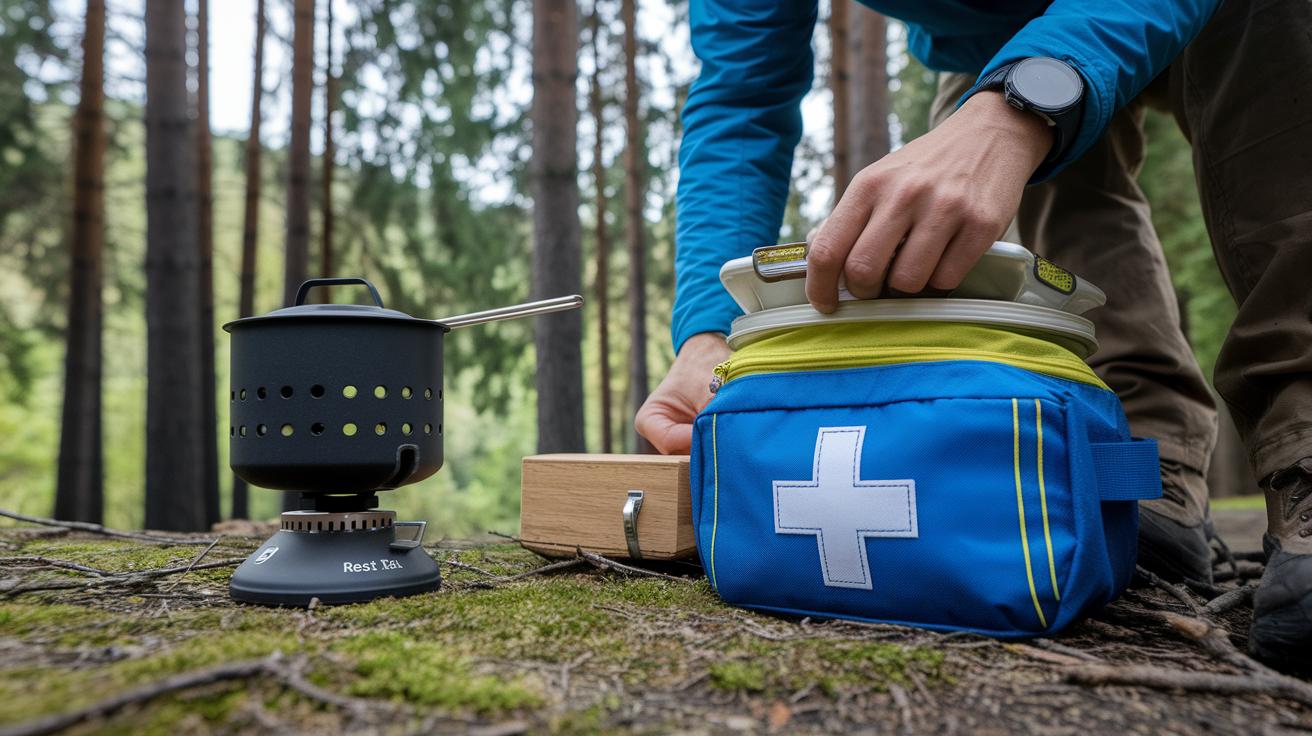
When you’re out in nature, a cooking-first aid kit is a must. Pack it with burn cream, clean bandages, gloves, and a small fire extinguisher. These little helpers let you act fast if a cooking accident turns serious. Knowing how to shut off fuel valves is just as important, and don’t forget a few extra snacks or cold meal options in case your stove stops working.
Here are some steps to keep in mind:
| Step | What to Do |
|---|---|
| 1 | Cool burns right away and cover them with a bandage |
| 2 | Find and close the fuel valves |
| 3 | Use your mini fire extinguisher when needed |
| 4 | Switch to ready-to-eat emergency meal packs |
Before you hit the trail, take a few moments to run through these steps. A quick practice now can boost your confidence when an accident happens, keeping your outdoor cooking safe and enjoyable.
Final Words
In the action, our guide touched on every step, from selecting gear and organizing your cooking area to managing fire and keeping food and tools clean. We highlighted key elements like sturdy pots, safe fuel storage, and proper emergency measures for mishaps.
Following camping cooking safety essentials keeps you prepared for spills, burns, and missteps. Taking simple steps now can make meal prep outdoors much smoother.
Stay alert, enjoy the crisp air, and let each meal spark a smile.
FAQ
What are the essential cooking gear and kitchen items for camping?
The essential cooking gear includes a reliable camp stove, durable cookware like stainless steel or cast iron, heat-resistant utensils, and safety items that help prevent burns, spills, and fuel mishaps.
What are the most important items to bring on a camping trip?
The most important items include a camp stove, heat-proof gloves, heavy-duty cookware, stable cooking surfaces, and a cooking first-aid kit, all designed to keep your outdoor setup safe and efficient.
Where can I find a camping checklist suitable for beginners?
A free camping checklist and PDF are available online. These guides list key items and gear, offering a simple reference to help beginners remember everything needed for a safe and smooth outdoor meal.
What is the 200 rule for camping?
The 200 rule means disposing of wastewater at least 200 feet away from natural water sources to protect the environment and help keep water clean for everyone.
What are some camping food safety tips?
Camping food safety tips include washing hands and utensils with biodegradable soap, setting up separate cooking and eating zones, and keeping cleaned tools away from raw food, which minimizes foodborne illness risks.