

Ever been deep in the woods, settled in for a night of stars and stories, only to find your phone giving up on you? It might sound dramatic, but none of us want to feel cut off from help when we need it most. Relying on your phone alone in rugged spots can be a real risk. That’s why having backup gear, like sturdy two-way radios and satellite messengers (devices that send messages when you're off the grid), can really save the day.
In this guide, we’re sharing the top camping tools to keep you connected even when you're far from the beaten path. Ever felt that surge of relief when your backup gear comes through? Let’s take a closer look at how these essential devices can boost your outdoor safety.
Securing Reliable Camping Communication Essentials
Ever been deep in the wild only to see your cell signal vanish? Relying on your smartphone alone can leave you feeling totally cut off. Your regular phone may simply fail off-grid when you need it most, so having sturdy backup gear is a real lifesaver.
Devices like the Garmin inReach and SPOT X work on the Iridium network to send messages and even trigger SOS alerts (a crucial safety feature). And even high-tech phones like the iPhone 14 come with Globalstar for emergency alerts, so there’s always a plan B if the usual networks drop out.
Rocky Talkie two-way radios are another great tool. They let you chat clearly with friends over several miles, even if you’re spread out across a campsite. Sure, heavy tree cover or rugged terrain might slow them down a bit, but they usually work well enough when you really need them.
In snowy conditions, avalanche beacons are essential. They send locator signals straight to rescuers if something goes wrong, which can be a lifesaver in winter settings. For more details on building the perfect camping kit, check out the camping essentials checklist on BlackandBurlap.com.
Using both satellite tools and two-way radios gives you a broad safety net in the wilderness. Each item works in its own way but together, they help make sure you stay connected and safe when you need it most.
Two-Way Transceivers and Rugged Walkie Talkies for Campsite Communication
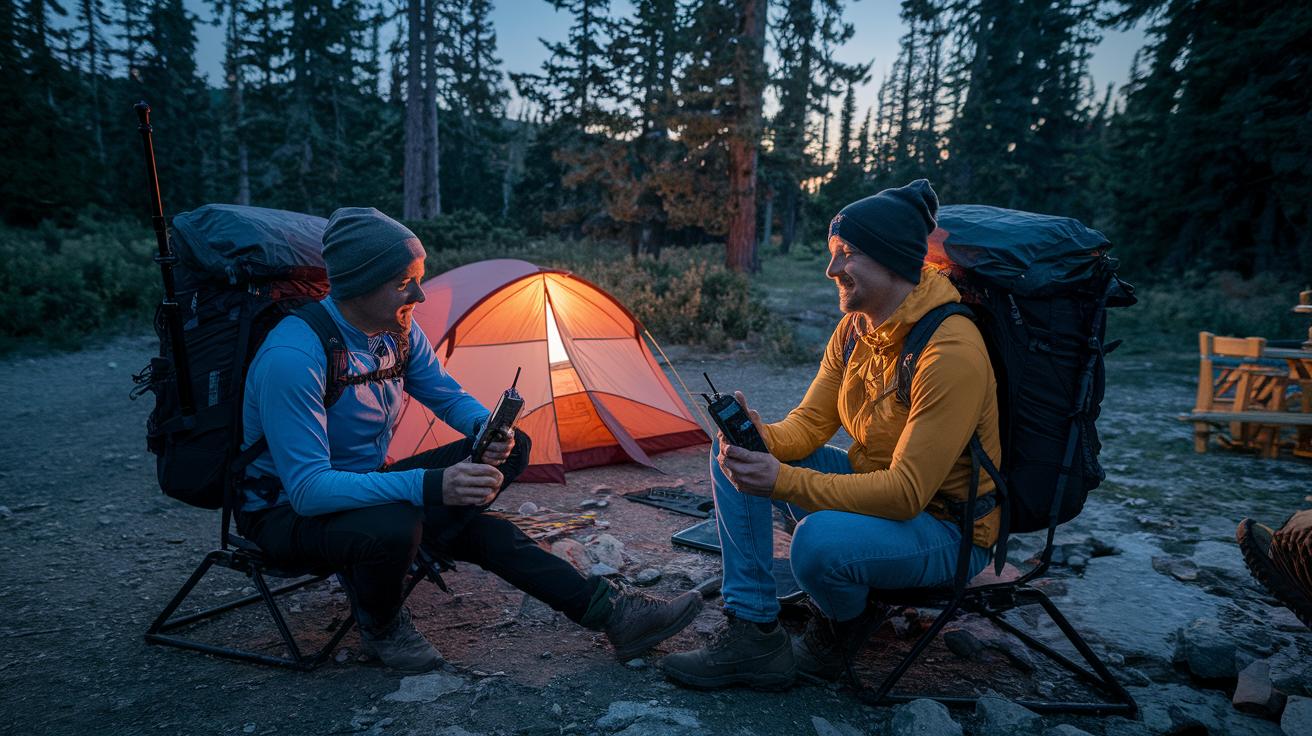
These handy gadgets keep your crew connected, even when you're all spread out over rocky trails or thick forests. High-power GMRS/FRS units can send clear signals up to 20 miles across open land, but hills and dense woods might shrink that range a bit. Either way, these backcountry radios help you chat over several miles, keeping everyone in tune during your campsite adventures.
Battery life is a big deal. You want a model that lasts so you don’t have to worry about it shutting down mid-trail. Many of these devices are built tough and can handle rain or snow, just like that one time a friend used his walkie talkie during a sudden downpour, and it kept their camp running smoothly.
Look for radios with simple controls that work right when you need them. Adjustable volume buttons and rugged casings help if you accidentally drop them on a rocky path. It’s a smart idea to test your radios before you head out. Checking battery levels and signal strength now can save you a lot of hassle later on the trail.
Satellite Messaging Tools and Portable Satellite Phones
If you're heading into places where cell service disappears, you’ll want a reliable satellite messaging tool or portable satellite phone with you. Devices like Garmin inReach and SPOT X use Iridium satellites (satellites that circle the Earth) so you can send texts and even trigger an SOS if things go sideways.
Subscription plans for these gadgets can be as varied as the trails you explore. Some plans let you send a few preset messages, while others offer unlimited texting so you can keep in touch as long as you need. I always check my plan details before stepping out, kind of like reviewing my gear list, to make sure I’m not caught off guard on the trail.
Modern smartphones, like the iPhone 14 series, have even teamed up with Globalstar SOS. This cool feature lets you send a distress signal right from your phone. A bunch of real-life rescues have shown it works as a dependable backup when your usual device isn’t around.
Keep your satellite link as sturdy as your favorite hiking boots by testing it regularly and updating the firmware. Before each adventure, I make it a habit to check the battery life and signal strength, it’s a quick test that saves a lot of worry later. Whether you're sending a simple message or an urgent SOS, a little preparation goes a long way in the great outdoors.
Emergency Signaling Methods: Beacons and All-Weather Signal Equipment
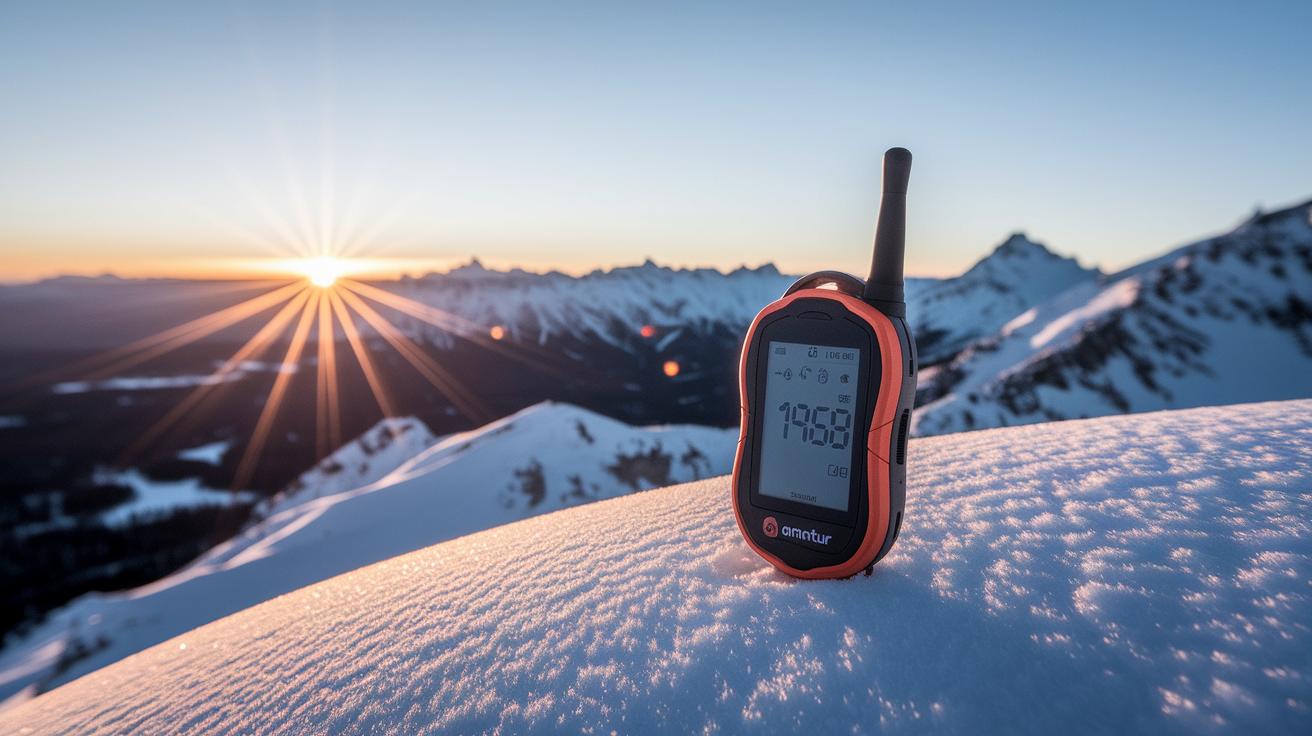
When you’re out in the wild and far from help, having a trusty emergency signal is a must. Avalanche beacons, for example, send out a steady pulse (just like a heartbeat calling out in the silent snow) to quickly locate someone buried under the weight of fresh powder. And then there are personal locator beacons, or PLBs, which work at 406 MHz to alert satellites the moment you need a rescue. It’s like firing up a bright flare in a dark sky, suddenly, you’re no longer alone.
Gear built to brave the weather is key. Many of these devices come with tough, IP67-rated housings that shield all their inner parts from heavy rain, swirling dust, or bitter cold. Before you set off on your adventure, do a quick check of your unit and its battery. Get familiar with how to launch it properly, like holding down the switch until you see the light flash steadily. That flash is a friendly nod saying, “I’m sending your SOS!”
Taking care of your beacon should be part of your routine. After a wild day, especially if your gear has taken a hit from saltwater or dusty trails, give it a good rinse and a once-over for any signs of damage. A little care now means it’ll be ready when you need it most. Remember, when every second counts on the trail, a working signal can be the difference between a fast rescue and a long, worrying wait.
Off-Grid Communication Planning and Pre-Trip Protocols
When the cell signal disappears, your backup plan becomes a true lifesaver. Before you set out, take a moment to sketch a plan that mixes satellite tools, radios, and beacon devices. I always check my radio battery levels beforehand, just like making sure the camp stove has enough fuel on a chilly night. This simple habit sets you up for solid, safe communication out in the wild.
Start by making a pre-trip checklist that spells out which devices you'll use and who does what:
| Step | What to Do |
|---|---|
| 1 | Write down your device details and emergency numbers |
| 2 | Test each tool in a safe setting to make sure it works |
| 3 | Decide who sends the first alert and who keeps track of the devices |
Regular checks of your devices and links help catch any problems before you're too far from help. Clear, short instructions in your guide make sure everyone knows what to do, so no one is left guessing when it matters most. With this layered approach, your outdoor trips feel both safe and fun.
Final Words
In the action, you’ve seen how a solid setup of camping communication essentials makes all the difference. The blog walks through everything from rugged radios and satellite messaging tools to emergency signal devices and pre-trip checklists for off-grid planning. Each tip offers a hands-on approach to keep you safe and connected when nature takes over. Take these pointers, pack your gear with confidence, and step into the wild knowing your safety network is ready for anything.
FAQ
What are camping communication essentials for off-grid trips?
Camping communication essentials include devices like satellite communicators, two-way radios, and emergency signal beacons that help you stay connected in remote areas. Check out our camping essentials checklist for more gear ideas.
What is a satellite communicator?
A satellite communicator is a device that uses satellites to send messages and SOS alerts when cell networks are out, keeping you connected during your outdoor trips.
What satellite communicator options should I consider?
Satellite options include the ZOLEO Satellite Communicator, Garmin inReach models, ACR Bivy Stick, SPOT Gen4, and Ocean Signal PLB1. Each option offers various features and subscription needs to match your off-grid style.
What do satellite messenger plans include?
Satellite messenger plans offer different texting allowances and emergency SOS functions. They let you pick a subscription that fits your communication needs when you’re far from cell service.
What is the best device for camping communication?
The best communication device depends on your needs. Consider rugged two-way radios for short-range and satellite communicators for global texting and emergency alerts during off-grid trips.
What are the Garmin inReach alternatives with no subscription?
Some campers opt for alternatives like the ZOLEO Satellite Communicator, which offers flexible subscription options or even stands alone without a required plan if you want no monthly fees.
What are the six essentials of effective communication for outdoor trips?
Effective communication outdoors means using clear signals, concise messages, reliable devices, planning backup options, testing gear before departure, and assigning clear roles for your team during emergencies.
How does long distance off-grid communication work?
Long distance off-grid communication uses satellite networks or high-power radios to send messages over remote areas. These systems work well even when traditional cell service is unavailable.