

Ever get bogged down by having too much gear on your outdoor trips? Packing smart can make all the difference. Imagine grabbing a trusty bag filled only with what you really need, a snug shelter, a cozy sleep setup, and a cooking kit that gets the job done. Suddenly, your night under the stars feels easier and way more fun.
In this guide, we share some solid picks to help you pack light and keep your load balanced. That way, you can focus more on enjoying the fresh, crisp air and following clear, inviting trails. Ever notice how a lighter pack makes the whole adventure feel smoother? Let's dive in and get you set up for a great outing.
Core Camping Backpack Essentials Checklist
When you're setting out on a camping trip, a simple gear list makes life a whole lot easier. Keeping your pack light means you can focus on enjoying that fresh air and scenic views, without getting bogged down by extra stuff. It’s all about packing only what you need for comfort and safety out there in the wild.
Plan your pack based on how long you'll be out. Whether it’s just one night or a week-long adventure, knowing what you need makes all the difference. For a one- to eight-night trip, many campers find that the 55 L Hyperlite Mountain Gear Southwest pack strikes a great balance between space and weight. And hey, it’s smart to weigh and measure your gear ahead of time so you’re not caught off-guard on the trail.
Don’t forget to protect your valuable gear. A lightweight pack liner or an ultralight raincover, even one that weighs only 1.2 oz, can shield your sleeping bag, jacket, and other essentials from unexpected weather changes.
- Shelter
- Sleep system
- Backpack
- Cooking gear
- Water treatment
- First aid kit
- Navigation tools
- Clothing layers
- Repair kit
- Electronics
Setting targets for weight and managing volume is key for a safe journey. Try packing the heaviest gear close to your back so your load stays balanced. Top-notch compression straps and handy external pockets help keep everything in place while you trek along. This way, the recommended 55 L pack not only fits your shelter, sleep system, and cooking gear perfectly but also keeps you nimble whether you're exploring solo or with friends. Enjoy every step out in nature with ease and comfort.
Choosing the Right Camping Backpack for Your Essentials
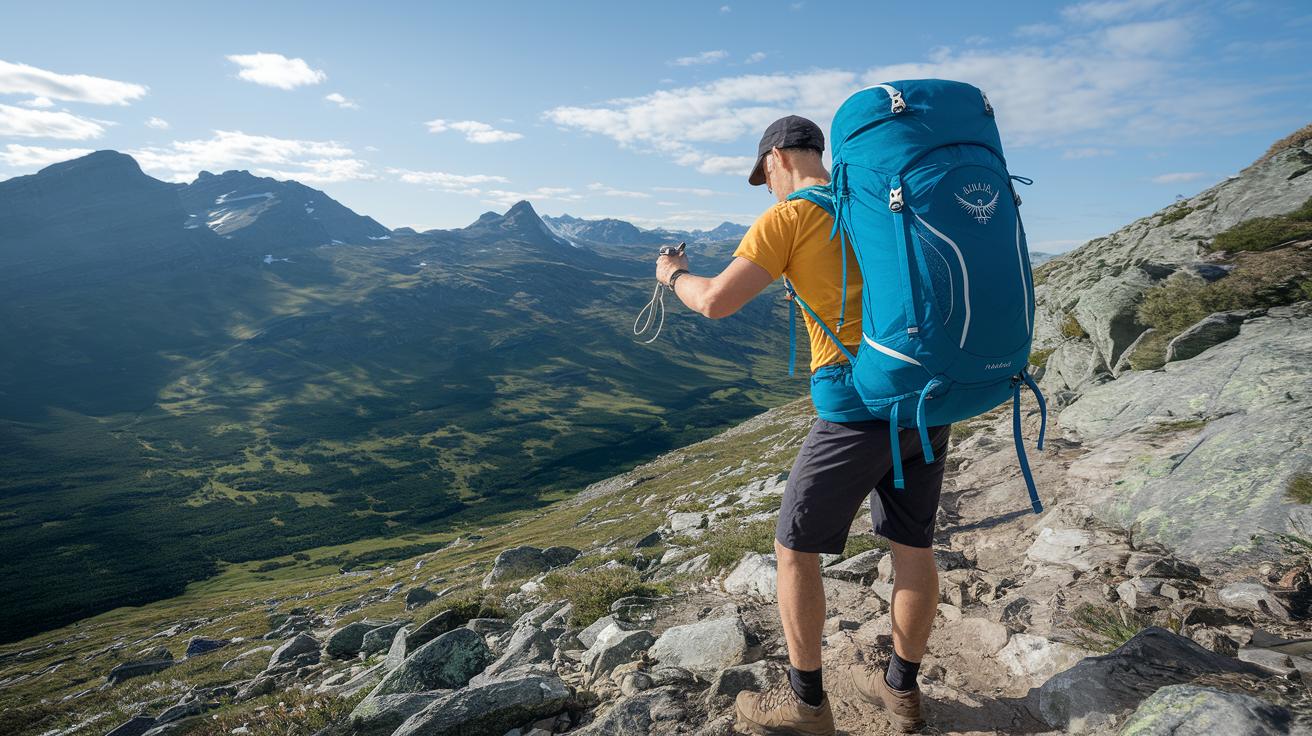
Matching your backpack's size to your trip is where it all starts. For a long adventure, a 55 L pack gives you room for a tent, sleep system, and even food prep. For shorter trips, a 50 L pack keeps your load light and easy to carry.
Next, think about weight and comfort. Take the Osprey Aura LT 65, it weighs just 3 lbs 6 oz without its lid. That shows you can have gear that's light yet tough. Look for a pack with an adjustable torso and a padded hipbelt; these features help spread the weight evenly and make long days on the trail less grueling. And hey, load-lifting straps are a game changer by keeping heavy gear snug at your back.
Then, don’t forget about weatherproofing and smart organization. A 1.2 oz liner or an ultralight raincover can protect your stuff when unexpected showers roll in. Also, packs with extra attachment points and compression straps work hard to secure your gear and keep everything balanced so you can truly savor every moment out in the wild.
Camping Backpack Shelter and Sleep System Essentials
When packing up for your adventure, it’s key to pair a sturdy shelter with a lightweight sleep setup. Your shelter choice, whether it’s a tent, tarp, or a trekking-pole tent, settles the kind of stakes and groundsheet you'll want, while your sleep system should mix a down quilt with a comfy pad and a cozy pillow.
| Item | Weight | Notes |
|---|---|---|
| Stakes | 0.28 oz (Vargo Ti) | Super light, perfect for minimalist shelters |
| Groundsheet Alternative | 1.76 oz | Window shrink film insulator; light, but handle with care |
| Sleep Pad | 12–17 oz | Therm-a-Rest NeoAir XLite (R-value 4.5) adds needed warmth |
| Down Quilt | N/A | Less bulky than a full sleeping bag |
| Pillow Option A | 2 oz | Sea to Summit Aeros Ultralight offers compact comfort |
| Pillow Option B | 3 oz | NEMO Fillo Elite gives extra cushioning when you need it |
Mixing these ultralight parts helps you keep both your comfort and pack weight in balance. A down quilt, for instance, trims down bulk, while your sleep pad makes sure you stay warm on cool mornings. When picking your stakes, choose between the lighter Vargo Ti Shepherds Hooks or steely MSR Groundhog Stakes, especially if you like a freestanding shelter. In truth, gear that clicks together just right gives you a snug vibe at night and lets you move freely by day, perfect for chasing those sunsets and starlit moments on the trail.
Camping Backpack Hydration, Nutrition, and Cooking Gear
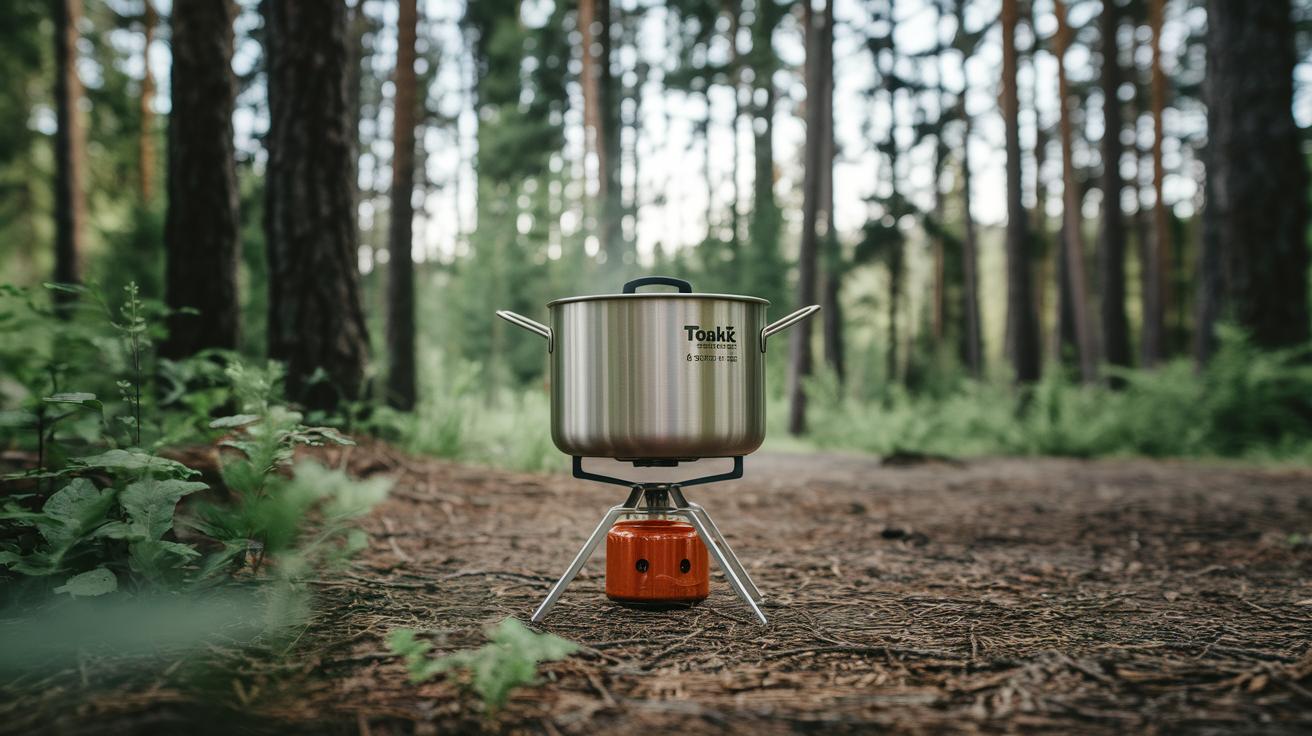
When you're out in nature, a good stove and pot make all the difference. The MSR PocketRocket 2 is a real lightweight star, weighing just 2.6 oz so you’re not lugging extra weight. Paired with the TOAKS Titanium 550 mL pot, also only 2.6 oz, you’ve got a neat, compact setup that heats water and cooks meals fast. A small fuel canister, around 100 g, usually gives you enough firepower to boil 1–2 cups of water a day for up to two weeks. It’s efficient and ready for wherever the trail takes you.
Staying hydrated is just as vital. For a light gear load, the Sawyer Micro Squeeze filter is perfect for clean water on the go. If you need faster water flow, the Sawyer Squeeze is a handy upgrade. Then, pack 2–4 Smart Water 1 L bottles to ensure you have enough water, and maybe a 2 L CNOC Vecto for those longer trips. It’s all about keeping things simple, grab, filter, and store water wherever your adventure leads.
When it comes to your meals, freeze-dried options from brands like Peak Refuel and Pinnacle Foods are a lifesaver, offering tasty and nutritious food with little prep. Keep a small scrubber and some biodegradable soap handy for quick cleanup, and use an 8 oz Ursack Major XL Bear Bag to store food safely away from wildlife. This way, you’re well-prepared to cook, eat, and enjoy your outdoor adventure without any fuss.
Camping Backpack Navigation, Safety, and First Aid Essentials
When you're heading into the wild, you need gear that you can trust. I pack my phone loaded with offline maps on AllTrails or FarOut to help track my route, but I always bring a paper map and compass too. It’s like having a loyal buddy by your side when the path gets twisty.
Don’t forget the lights and ways to stay in touch. My Petzl Actik Core headlamp brightens up the trail at night, and if I ever need help, the small Garmin inReach Mini lets me shout out a quick SOS. A portable USB charger is a smart addition, it keeps everything powered up when nature throws you a surprise.
When out in the field, a well-stocked first aid kit is your best friend. I rely on kits like the Adventure Medical Kits Ultralight/.5 or HART Outdoor Day Hike for everyday scrapes, and I always pack blister treatments like Leukotape or KT Tape. I also toss in a bit of duct tape, repair patches, a small sewing kit, and even a mini super glue for quick fixes. And if you’re adventuring in winter, consider packing traction tools like Kahtoola MICROspikes, crampons, or even an ice axe to keep safe on icy trails.
Camping Backpack Clothing and Footwear Essentials
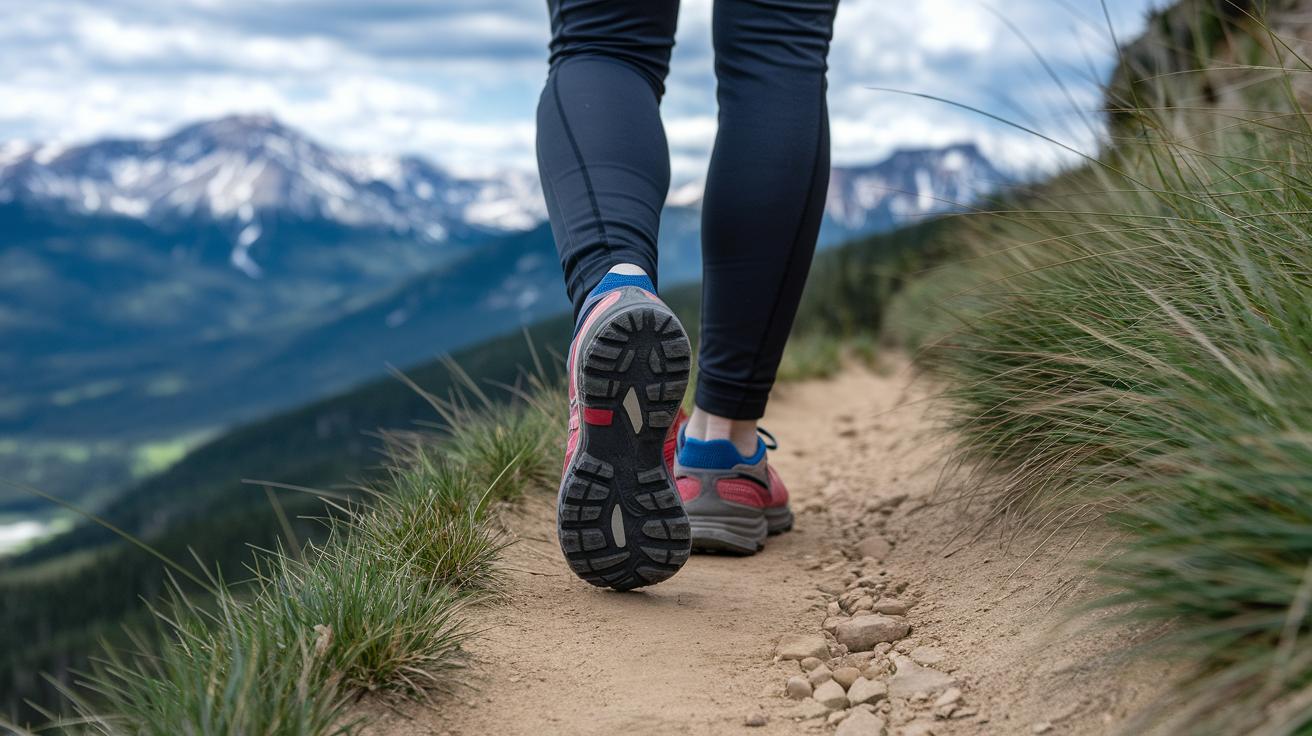
When you're gearing up for a trail day, your shoes set the stage. Topo Athletic and Altra trail running shoes feel light and comfy, making each step count on rocky or uneven ground. They give your feet the support they need, whether you're climbing steep hills or dashing downhill. Wanna check out more gear options? Take a peek at some backpacking equipment where shoes and base layers work in perfect harmony.
Your base layers also play a big role. Imagine a moisture-wicking shirt made from synthetic fibers or merino wool that pulls sweat away, keeping you dry and at ease. Pair that with reliable socks from brands like Injinji Ultra Run or Darn Tough to fend off those pesky blisters. These choices help keep your body at just the right temperature and work together with your shoes to build a strong start to your adventure.
Then come the outer layers that shield you when nature throws a curveball. Think of convertible pants or shorts, a sports bra, and quick-dry underwear that move as you do. Top your outfit off with an Outdoor Research Sunbiolet hat and a pair of Goodr polarized sunglasses to keep the sun in check. And if the weather turns chilly or wet, gear up with insulation and rain gear like an Arc’teryx Cerium Down Hoodie or a Torrid Jacket from Enlightened Equipment. A lightweight fleece, Frogg Toggs Ultra-Lite2 or OR Helium jacket, plus wind/rain pants, a beanie, gloves, and a neck gaiter can help you stay comfortable through any surprise shower.
Camping Backpack Organization and Weight Management Tips
When setting up your pack for a great day on the trail, take a moment to organize it like you’re planning a cozy campsite. Instead of just loading heavy stuff close to your back, check each pocket and section for balance. If you notice your cooking gear tends to wander, tuck it in next to steadier items like your warm, insulated clothing. Try rolling big items separately and use those built-in dividers to keep your everyday gear separate from the bulkier stuff. If your pack feels a bit off, give it a little shake. Feel it swing more to one side? That’s your cue to shift larger items for a more balanced feel. Imagine leaning your pack against a tree and giving it a light tap, if it wiggles too much, a few small tweaks can make all the difference.
Sometimes, unexpected issues pop up that can throw off your balance. Look at every pocket and strap for any items that might be loose. Use extra pouches or little compartments to secure things like utensils or liners so they don’t bounce around while you move. Here’s a handy guide to keep your load steady:
| Step | Tip |
|---|---|
| Assess Compartments | Check each section to see if everything feels secure |
| Test for Movement | Give your pack a gentle shake and notice any uneven shifts |
| Optimize Bulk Items | Move heavy gear into the middle sections for better balance |
| Secure Loose Gear | Add extra pouches or adjust dividers to reduce any movement |
By taking these simple steps, you’ll feel the difference on your next hike, enjoying a pack that’s as steady as a trusted trail guide.
Final Words
In the action, we mapped out core items, from shelter to repair tools, designed to keep your pack light and smart. We broke down everything from camping backpack essentials to navigation devices and meal prep gear. Each section showed you how detailed planning makes it easier to pack safely and enjoy a smooth trip. Stay mindful of weight and balance while having a blast outdoors. Let these tips guide you on your next trip, turning practical advice into lasting memories under the open sky.
FAQ
Where can I find a backpacking checklist PDF?
The backpacking checklist PDF provides a ready-to-use list covering shelter, sleep system, cooking gear, clothing, and more, making it easier to plan multi-day trips and balance weight effectively.
What are the best camping backpack essentials and what do I need for backpack camping?
The best camping backpack essentials include shelter, a sleep system, cooking gear, water treatment, first aid items, navigation tools, clothing layers, and repair kits, all chosen to keep your pack safe and light.
What should I pack for backpacking trips in Europe, Asia, or around the world?
Backpacking essentials for trips in Europe, Asia, or anywhere globally usually feature lightweight shelter, sleep systems, cooking gear, navigation aids, and layered clothing to adapt to local weather and terrain.
What does a backpacking gear list on Reddit usually include?
The backpacking gear list on Reddit often highlights user-tested items that balance load, durability, and cost, featuring the basics like the pack, shelter, cooking gear, and essential safety equipment.
What is the 20% rule for backpacking?
The 20% rule for backpacking suggests that the total weight of your gear should be no more than 20% of your body weight, helping you maintain a pace that is comfortable and safe on the trail.
What are the 10 essentials when camping?
The 10 essentials for camping include a shelter, sleep system, backpack, cooking gear, water treatment, first aid kit, navigation tools, clothing layers, a repair kit, and essential electronics for safe outdoor travel.
What are the big 4 in backpacking?
The big 4 in backpacking refer to the four core items: a shelter, sleep system, cooking gear, and water treatment, which together provide the foundation for a comfortable and secure outdoor trip.