

Have you ever stood in a spot where the view looks like it was painted just for you? Some trails offer gentle walks that bring you close to the early morning light and curious rock shapes that spark your imagination. Imagine a path that treats you to amazing scenes with every step. These hidden spots turn a simple hike into a moment filled with wonder and beauty.
Top-Rated Best Hiking Trails for Outdoor Excursions
We picked these trails by keeping things simple, how tough the path is, the beauty of the views around, and how much other hikers enjoy them. We love spots where nature offers both charm and challenge. One trail might surprise you with cool rock shapes, while another will treat you to epic sunrise views that light up the sky. From short loops to long treks through wild alpine meadows, there's a route here for every adventurer.
| Trail Name | Location | Distance | Difficulty |
|---|---|---|---|
| Navajo Loop Trail | Bryce Canyon NP | 1.5 miles | Moderate |
| The Narrows | Zion NP | Up to 15 miles | Strenuous |
| Mesa Arch Trail | Canyonlands NP | 0.7 mile | Easy |
| Angels Landing | Zion NP | 5.4 miles | Tough |
| Cascade Pass/Sahale Arm | North Cascades NP | 12.1 miles | Challenging |
Keep in mind that the season can really change your hiking experience. For instance, the Navajo Loop Trail might get icy from October to April, so take care. And if you're a sunrise lover, waking up early for the Mesa Arch Trail is a treat. At busy spots like Angels Landing and The Narrows, you'll need permits, and starting early helps you dodge the crowd. Plus, weather changes and water levels can affect the trail, so check forecasts and park updates before you head out. Happy hiking!
Local Insights for Hiking in US National Parks

When you're hitting these trails, a little local advice can go a long way to keeping you safe and happy. Knowing the permit rules and seasonal quirks, plus packing the right gear, makes it easier to focus on the breathtaking views waiting for you.
The Narrows
In Zion National Park, The Narrows is a popular trek, but you need a permit to hike from top to bottom. October is a sweet spot because the crowds thin out and the water stays around waist height, giving you a cool challenge. Pack water shoes, a waterproof bag, and start your hike early to dodge the daytime heat. Plan ahead, and you’re set for a refreshing adventure.
Angels Landing
Also in Zion, Angels Landing is a thrilling climb that works on its own lottery permit. It helps to start before 7 AM so you beat the midday crowds and heat. As you navigate the chain-assisted sections (where chains help you climb steep parts), make sure you have extra water and sun protection. It’s a tough route, but reaching the top for that panoramic view is totally worth it. Stay sharp and enjoy each step.
Navajo Loop Trail
At Bryce Canyon National Park, the Navajo Loop Trail can get icy from October through April. For a quieter, gorgeous experience, try visiting at sunset when the hoodoos light up beautifully. Wear layered clothes and bring some traction devices (like crampons) to keep your footing on the ice. Arriving early not only gives you the soft light you need but also means fewer hikers on the trail.
Mesa Arch Trail
Head over to Canyonlands and check out the Mesa Arch Trail, best seen at sunrise. Arriving about 30 minutes before sunrise lets you catch that perfect glow on the rocky arches. A headlamp can be handy if it’s still a bit dark, and early parking is a must since spots fill up fast by 5 AM on busy mornings. Get there early, and you’re in for a magical start to the day.
Cascade Pass/Sahale Arm
In North Cascades National Park, if you’re planning to camp around Cascade Pass and along Sahale Arm, you must have a backcountry permit. July brings dazzling wildflowers, but early-season snow might still be around. Be sure to pack hiking poles and dress in layers as you face the rugged alpine paths. It pays to be extra prepared when nature throws its curveballs your way.
Keep in mind that seasonal access and permit rules can change fast. Always check the latest park updates before you head out, and adjust your plans as needed for the weather and trail conditions. Being informed makes every hike safer and even more enjoyable.
Exploring New York’s Hudson Valley & Catskills: Regional Highlights and Family-Friendly Tips
If you're looking for longer trails that reward you with stunning views, check out paths like Giant Stairs Palisades, Anthony’s Nose, and Breakneck Ridge. Giant Stairs Palisades is a 4.5-mile trek with gentle rock ledges and easy parking off Route 9W. It’s especially beautiful from April to June when wildflowers brighten the path. It works best for kids 12 and older, though you won’t find any restrooms along the way.
Anthony’s Nose offers a brisk 2-mile round-trip with a 400-foot climb. This trail, starting at the Bear Mountain Bridge parking lot, is a friendly challenge and a perfect spot if you’re in the mood for a quick, energizing hike. At the top, the picnic area is a great place to enjoy a snack while taking in the breeze. Breakneck Ridge is another adventure with a 1-mile scramble that uses steel cables to help you along. It’s best suited for families with children 10 and up, especially in May when the trail bursts into vibrant colors. Plus, having restrooms at the trailhead makes it a bit easier on everyone.
For families needing a gentler pace or easier access, there are shorter loops too. Bull Hill Loop is a 5-mile path that treats you to amazing views of Storm King. It’s easy to walk, has portable toilets handy, and breaks work well for kids 8 and older. Little Stony Point is a quick, under 1-mile lakeside loop that even includes a wheelchair-accessible spur, picnic tables, and restrooms – ideal for a relaxed stroll. Then there’s Boulder Rock Trail, a smooth 2-mile route with three beautiful overlooks perfect for snapping family photos, even if there isn’t much shade on hot, sunny days.
International Best Hiking Trails: Top Global Routes
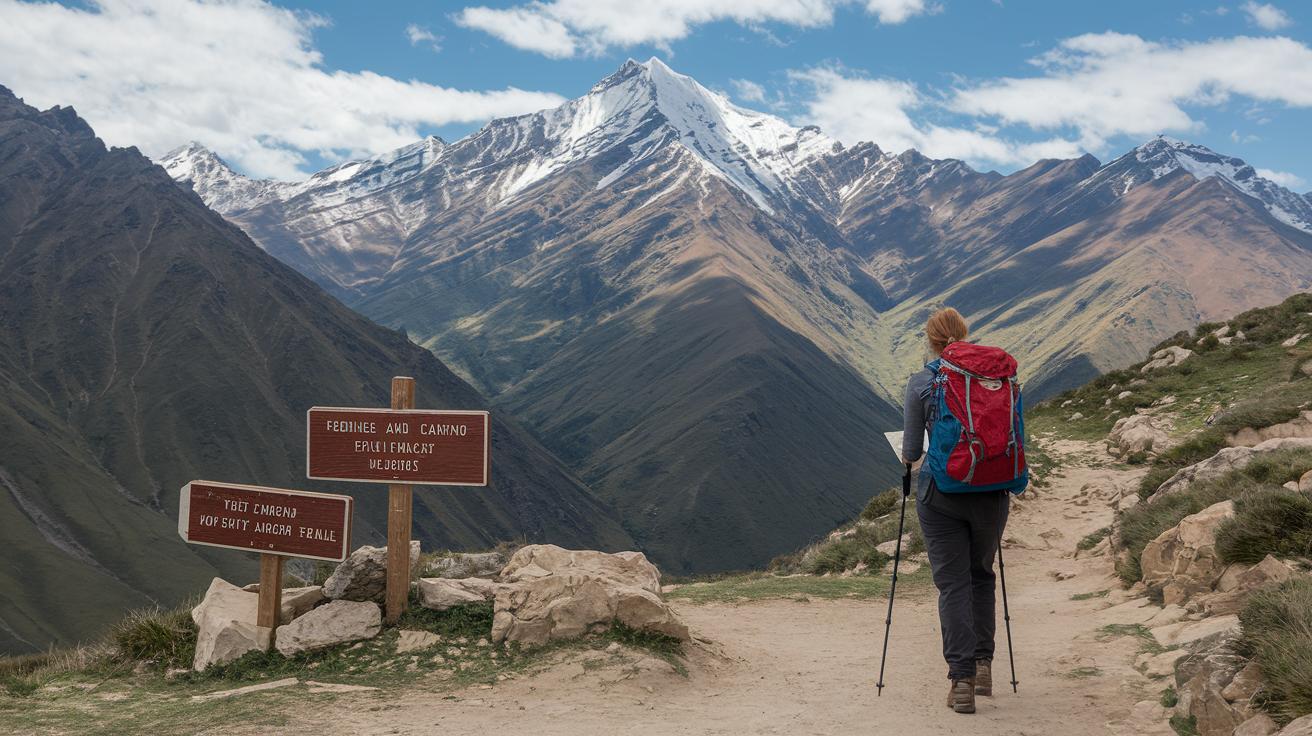
When planning a hike on these famous trails, it's best to pay attention to the details. Whether you're joining a guided tour or blazing your own path, be ready to secure permits and book ahead. Some routes, like the Inca Trail, cap the number of walkers each day, while others let you come and go more freely. Planning ahead for permits and spots to stay makes your adventure go smoother.
Have you ever tried the Camino de Santiago in Spain? It stretches about 500 miles, with markers every 5–10 kilometers guiding your way along quiet rural roads and old paths. There are simple lodgings called albergues available along the path, perfect for a night under the stars. Spring and fall are the best times to explore, keeping you clear of the crowded summer rush.
Over in Peru, the Inca Trail is a 26-mile route that spans 4 days. Because only 500 hikers are allowed each day, booking early is key. This trail brings you to a stunning sunrise over Machu Picchu, a truly unforgettable moment, especially during the dry season when the trail is firm and the sky is crystal clear.
Then there's Chile’s Torres del Paine W Trek, a 50-mile journey that takes about 5 days. You’ll be treated to amazing views of glaciers along the way. Just remember to book your refugio spots well in advance. This trek is at its best during the Southern Hemisphere summer when the weather is a bit milder.
For those looking to explore New Zealand, the Milford Track stretches for 33.5 miles and typically takes 4 days. Many hikers opt for a guided option, especially along its waterfall-lined paths, to keep things safe and enjoyable. Summer is the top season to hike here, with longer days and warmer weather.
Scotland's West Highland Way winds through 96 miles in about 6-8 days. You'll find bothies, simple shelters, along the way and soak in views of the scenic Loch Lomond. While English is spoken easily here and in New Zealand, learning a few local phrases can be a fun tip in Spain, Peru, or Chile. And whatever your destination, make sure to pack versatile gear ready to handle changeable weather.
Best Hiking Trails: Safety Tips and Gear Guide
Safety Tips
Before you hit the trail, it’s a good idea to follow a few simple safety habits that help keep both you and nature happy. Stick to the Leave No Trace ideas by taking your trash with you, walking only on the marked paths, and keeping your campfire small so you don’t disturb the wild. It’s wise to check the weather first, too; mountain trails can surprise you with sudden shifts or even flash floods. This little preparation not only protects Mother Nature but also sets you up for a safer, more enjoyable day outside.
- Pack out all your trash and waste
- Stay on marked trails to protect plants and wildlife
- Keep your campfire small and low-impact
- Check weather forecasts, especially for flash flood risks
- Wear layers to handle quick changes in temperature
Gear Guide
Having the right gear can really make your adventure smoother on those scenic trails. A lightweight daypack is key when you’re trekking through all kinds of terrain. It’s smart to carry a topo map, compass, or even a GPS device (with your routes saved offline) so you’ll always know your way. Don’t forget to keep at least 2 liters of water handy per person and pack some high-energy snacks to keep your energy up. And, as a backup, a small first-aid kit can help with any minor scrapes or bumps along the way.
- Pick a comfortable daypack built for changing trails
- Use good hydration and water purification systems
- Bring a topo map, compass, or GPS device for navigation
- Keep portable, high-energy snacks close by
- Pack a basic first-aid kit for minor injuries
Being well-prepared with these safety tips and gear choices lets you enjoy the crisp air and breathtaking views without worry.
Final Words
In the action, we explored a variety of incredible routes, from striking US hikes to global trail highlights, along with handy local insights and essential gear tips. Each segment offered practical details, whether you’re facing challenging switchbacks or planning a gentle lakeside loop. We looked at permit rules, seasonal advice, and smart safety practices to enhance your outdoor experiences. Remember to pack your sense of adventure and enjoy every step along the best hiking trails. Embrace the thrill and take home amazing memories on your next trail outing.
FAQ
What are the best hiking trails near California, Texas, and close to me?
The best hiking trails near you may vary by region. In California, you’ll find coastal paths, while Texas offers wide-open, sunlit routes. Local park websites and guidebooks provide the best details for your area.
What are the best hiking trails in the USA for beginners?
The best hikes for beginners in the USA feature gentle terrain and clear markers. Many national parks offer easy loops with friendly paths, making them a great start for new hikers.
What are some top hiking vacations and bucket list hikes in the USA?
Top USA hiking vacations mix peaceful trails with a touch of challenge. Iconic routes in national parks offer dramatic scenery and memorable experiences that can easily earn a spot on your bucket list.
What is the most beautiful hiking trail in the world?
The most beautiful trail is a matter of taste, but many praise routes with alpine lakes and rugged terrain. Vibrant natural scenes and clear mountain air often make these trails unforgettable.
What state is ranked number one for hiking?
Rankings may differ, yet many guides celebrate states like Colorado for its mix of high peaks, lush forests, and diverse trails that cater to a wide range of outdoor interests.
What are the big three backpacking trails?
The big three trails are often considered the Appalachian National Scenic Trail, the Pacific Crest Trail, and the Continental Divide Trail. They offer long, continuous routes through varied landscapes across the country.
Can you lose belly fat by hiking?
Hiking helps improve overall fitness, which can include reducing belly fat. Regular hikes burn calories, boost metabolism, and promote strength, especially when paired with a balanced diet and consistent exercise.
What are the highlights of famous trails like Teton Crest Trail, Appalachian National Scenic Trail, John Muir Trail, Greenstone Ridge Trail, The Enchantments, and Buckskin Gulch?
These renowned trails showcase diverse features—from the rugged views of the Teton Crest Trail and John Muir Trail to the deep canyons of Buckskin Gulch. Each route has its own charm and natural details that inspire awe.