

Ever wondered which pack can truly ease your trail burden? There are backpacks that range from sturdy, roomy carriers to ultra-light models that barely add weight at all. In this post, we share our top picks that keep your gear safe while you stay light on your feet.
Imagine arriving at camp and feeling that your pack fits just right and holds everything you need. Curious which one will keep up with your next outdoor escape? Read on and join in the adventure.
3 best backpacking backpacks: Stellar, Reliable Picks
If you're gearing up for your next trail adventure, check out this handy table. It shows 10 top packs for 2025, letting you quickly compare weight, space, and price. Picture yourself by the campfire, choosing the best pack to carry your gear without weighing you down too much.
| Name | Weight | Volume | Price |
|---|---|---|---|
| Gregory Paragon 60/Maven 58 | 3 lbs 12 oz | 60 L / 58 L | N/A |
| Rab Exion 55 | 4 lbs 8 oz | 55 L | N/A |
| REI Co-op Traverse 60 | 4 lbs 6 oz | 60 L | N/A |
| Pingora Outro 55 | 4 lbs | 55 L | N/A |
| Deuter Aircontact Pro 75+10 | 6 lbs 6 oz | 75+10 L | N/A |
| Mystery Ranch Radix 57 | 3 lbs 14.5 oz | 57 L | N/A |
| Osprey Rook/Renn 65 L | 4 lbs 9 oz | 65 L | N/A |
| Gossamer Gear Gorilla | 30.5 oz | 40 L | $195 + $45 hipbelt |
| ULA Ohm 2.0 | 30 oz | 63 L | $225 incl. hipbelt |
| Hyperlite Mountain Gear Windrider 3400 | 31.82–34.82 oz | 55 L | N/A |
Imagine you're on a rugged trail and you notice how the Gregory Paragon 60 can handle nearly 4 pounds of gear while offering a generous 60-liter space. It’s a solid option if you need plenty of room without extra bulk. On the other hand, ultralight choices like the Gossamer Gear Gorilla and ULA Ohm 2.0 come in at just around 30 ounces. They’re perfect when you want to keep your load light, and you'll appreciate the clear pricing info.
Every pack here has seen real trail tests, with their weights checked and rechecked. Whether you're drawn to a pack with tons of storage, like the Deuter Aircontact Pro 75+10, or you prefer the quick and nimble Mystery Ranch Radix 57, this chart lays out the highlights. It’s all about picking the right fit for your hiking style and needs, so you can hit the path with confidence.
Essential Features of High-Performance Backpacking Backpacks
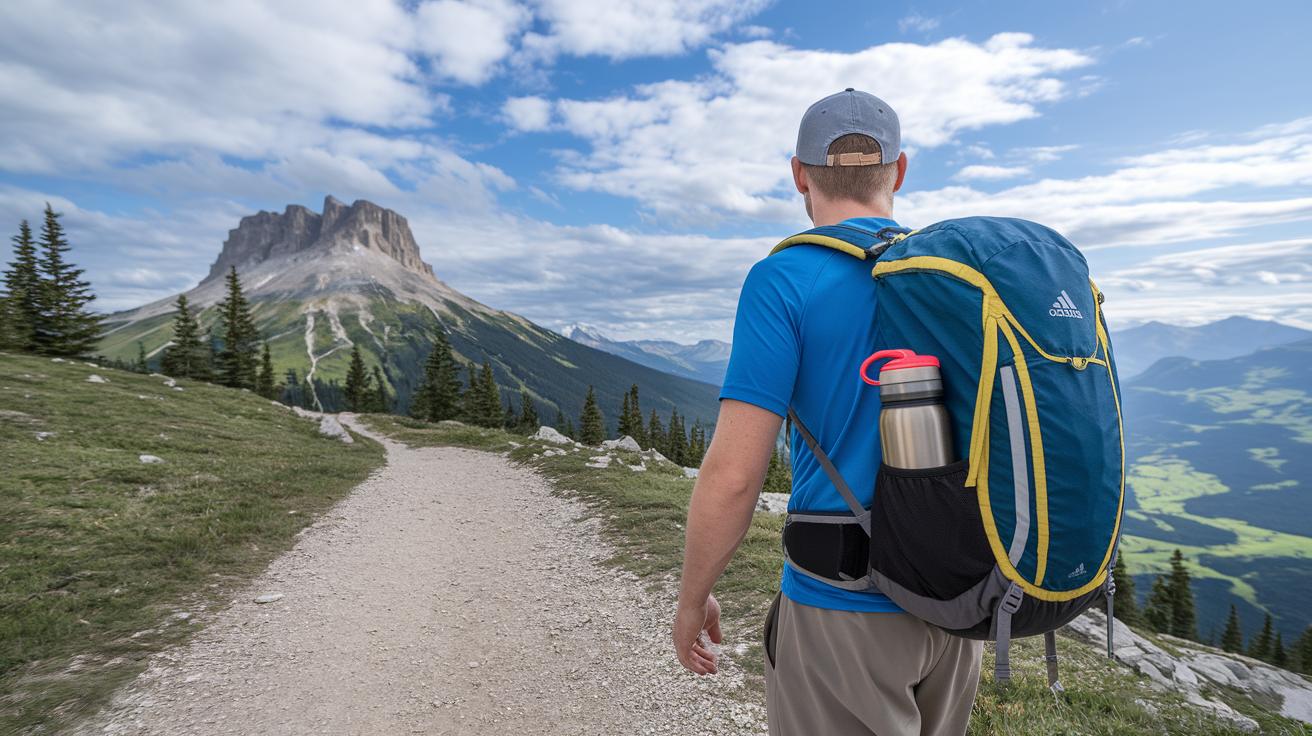
When you're out on the trail, the design of your backpack can make all the difference. The best packs come with dual side water bottle pockets that hold two Smart Water bottles securely. Imagine having your water right at your fingertips, cool and ready to sip whenever you need a break.
These backpacks let you adjust the hipbelt to fit just right. You can choose a sturdy belt for extra support or a frameless design for a lighter feel. Plus, there's an integrated hydration sleeve (which keeps your water reservoir from bouncing around) and handy compression straps that trim down the load for better balance. It’s like customizing your pack to feel perfectly in tune with your adventure.
Another neat trick is how these packs keep everything organized. With designs featuring both lid and lidless compartments, stowage loops, and dedicated gear points, every accessory has its own special spot. Picture your trekking poles secured and a headlamp hanging securely on an extra loop, everything in its right place, making your long, rugged hikes a breeze.
These smart features really set a great backpack apart. They keep your essentials safe while making sure your gear is balanced and easy to reach, no matter how tough the trail gets.
Selecting the Right Capacity and Size in Best Backpacking Backpacks
When you’re picking a backpack, think about the kind of trips you want to take. For short outings or weekend getaways, a 40 L backpack usually does the trick. It’s like quickly packing up for a fun day out, with just enough room for a light jacket and a few snacks.
If you’re planning a 3- to 5-day trek, try a 55 L pack. This size gives you a bit more breathing room, enough space for around 4 liters of water along with food, clothes, and a few extra items. Picture packing for a multi-day hike while keeping things neat and not overwhelming your back.
For week-long adventures or trips where you might carry heavy loads (up to 60 lbs), look at backpacks between 60 and 70 L. These packs are spacious, letting you bring extra gear, meals, and more water when needed. It’s like having a well-organized kit that feels balanced even when it’s loaded up.
Don’t forget to measure your torso too. A torso length of 16 to 21 inches helps you find a backpack that fits snugly on your back. Also, check your hipbelt size because it makes sure the pack’s weight shifts correctly to your hips. For instance, if you have a broader hip area, an adjustable hipbelt can help keep things comfortable on those long trails.
Weight Considerations and Ultralight Backpacking Backpacks
When you hit the trail for a long trek, every gram matters. Each bit you carry can slow you down on those long days under the open sky. Lots of mainstream packs boast about being “lightweight” but often end up heavier than they should be. On the flip side, ultralight backpacks typically weigh less than 35 oz, saving you real energy over many miles.
Take a look at packs like the Gossamer Gear Gorilla, coming in at only 30.5 oz, or the ULA Ohm 2.0 at 30 oz. Even the Hyperlite Windrider 3400 stays between about 31.82 and 34.82 oz. These trim trail bags cut out the extra weight while still being tough, thanks to smart materials, even if they use thinner fabrics. Sure, thicker materials might seem sturdier, but every extra ounce can slow you down.
For those who love the freedom of hiking light, choosing an ultralight expedition bag is more than just trimming weight, it’s about moving easier and lasting longer on the trail. Imagine shedding bits of weight mile after mile. When your pack feels light, you’re free to explore farther and tackle tougher trails with confidence.
Material Durability and Waterproofing in Backpacking Backpacks
Choosing a backpack means trusting its fabric to go the distance. Some packs, like the Zpacks Arc Haul Ultra with its Dyneema® fabric (a super tough material), stay light while resisting tears and wear, even after many miles. Then there are bags like the Deuter Aircontact Pro made from heavier Cordura® (a rugged, durable fabric). Sure, they add a bit more weight, but they handle rough trails and unexpected scrapes like champs.
Design plays a huge role too. Many packs come with water-resistant coatings that shrug off a light drizzle, a perfect match for day hikes. But if you’re headed out where heavy rain is likely, a fully waterproof roll-top design locks in your gear, leaving you free to enjoy the adventure without worry. Plus, knowing that some of these backpacks have been tested over 5,000 trail miles makes you feel confident about packing your essentials and hitting the trail.
Fit, Comfort and Ergonomic Design in Backpacking Backpacks
Imagine you're setting out on a long trail and your pack spreads 80% of the weight on your hips and only 20% on your shoulders. That smart design means your sturdy frame does the heavy lifting while your shoulders stay free to take in the view.
A good travel backpack lets you adjust the torso size so it fits perfectly, like it was made just for you. The breathable mesh back and vented panels work together like a cool breeze on a hot day, easing sweat as you climb steep slopes. Ever feel that relief when a draft cools your back on a tough uphill?
Consider the Mystery Ranch Radix 57. Its cushioned straps and well-placed hipbelt pockets are built with your comfort in mind. Backpacks like the Osprey Aether Plus 70 and Gregory Deva 70 also feature clever suspension systems that move the weight smoothly, making each step feel lighter.
With these thoughtful ergonomic touches, you’re not just hauling a padded bag. You’re wearing gear that molds to your body, keeping you comfortable from dawn until dusk on your outdoor adventures.
Best Backpacking Backpacks for Women, Men and Unisex Use
When you hit the trail, finding a backpack that fits just right makes all the difference. For women, the Osprey Eja Pro 55 is a real gem with its 55 L capacity, built to fit curvier frames and shorter torsos. And if you love a challenge, check out the Gregory Jade 63, it was even put to the test in Patagonia, proving it can handle those long, rugged days. For more details on packs made with women in mind, take a look here: https://blackandburlap.com?p=best_womens_backpacking_pack.
For guys who need to carry a heavier load, the Osprey Aether Plus 70 and Gregory Deva 70 are solid choices. They come with tough hipbelts and adjustable torso settings, keeping your gear secure no matter how bumpy the path gets. These backpacks are designed to offer plenty of room and extra support for those extra bits of gear that make your adventure complete.
If you’re after something unisex, the ultralight Zpacks Arc Haul Ultra 60 L and Osprey Levity 60 are hard to beat. They still pack plenty of room while staying light enough to keep you agile. Every pack adjusts to fit different torso shapes, thanks to their versatile hipbelts. Picture a pack that feels like it was crafted just for you, perfect when every ounce counts on a long day under the open sky.
Budget-Friendly vs. Premium Best Backpacking Backpacks Compared
Thinking about price versus performance? Let's break it down into three simple levels. First up is the Osprey Rook 65. This 65-liter pack costs around $165. Even though it's an entry-level option, it still gives you solid support and a sturdy suspension system for long days on the trail. Imagine loading up your gear and trusting that every buckle and strap will hold up, all without breaking the bank.
Next, consider the REI Co-op Traverse 60. Weighing in at just 4 lbs 6 oz (tested in a lab, so you know it's accurate), this pack strikes a great balance between durability and lightness. It feels almost weightless yet manages to fit everything you'll need for a few days out in the wild.
Then, for those who are willing to invest a bit more, there are premium options. Take the ULA Ohm 2.0 at $225, the Hyperlite Windrider 3400 (around $300+), and the Zpacks Arc Haul (starting at $350+). These packs bring in advanced materials and a smart design that trims off every extra ounce while boosting comfort and space. In simple terms, you're paying a little extra for gear that makes every step feel lighter and every journey smoother.
Final Words
In the action, our guide broke down key aspects like performance, capacity, and comfort to help plan safe and fun trips outdoors. We explored options on pack weight, volume, and design features while comparing budget picks to premium models. Small details, such as adjustable fit and durable materials, were explained step by step. This clear overview makes it easier to choose gear that suits your needs. Head out with renewed confidence and enjoy your outdoor adventures with the best backpacking backpacks.
FAQ
What are the best backpacking backpacks for men?
The best backpacking backpacks for men include models like the Osprey Aether Plus 70 and Gregory Deva 70. They offer robust load support and adjustable systems designed for heavy loads and long trails.
What are the best backpacking backpacks for travel and long-distance hiking?
The best backpacking backpacks for travel and long-distance hiking blend light weight with generous capacity. Models such as the Osprey Rook 65 and REI Co-op Traverse 60 offer solid performance and reliable comfort on the trail.
What are the best backpacking backpacks for women?
The best backpacking backpacks for women feature women-specific design elements like tailored fit and adjustable straps. Models like the Osprey Eja Pro 55 and Gregory Jade 63 deliver excellent storage and ease of carry.
What are the best backpacking backpacks for Europe?
The best backpacking backpacks for Europe have compact, versatile designs suited to varied climates. They provide efficient packing and comfortable carry, making multi-stop trip planning across countries more manageable.
What does “best backpacking backpacks Reddit” refer to?
The term refers to popular picks on Reddit where outdoor enthusiasts share trusted models. Selections from brands like Osprey and REI Co-op often emerge as crowd favorites for their tested reliability.
What is the 20% rule for backpacking?
The 20% rule for backpacking means your pack’s weight should be around 20% of your body weight. This rule helps maintain balance and reduce strain during extended hikes.
Who makes the best backpacking backpacks?
Trusted brands like Osprey, Gregory, and REI lead the market by producing backpacking backpacks with tested design features, ergonomic support, and dependable build quality that cater to a range of hiking needs.
Why are Osprey backpacks so popular?
Osprey backpacks are popular due to their thoughtfully engineered fit, efficient load-balancing systems, and durable construction using modern materials, which provide both comfort and reliability on long hikes.
Is 40L too big for a day hike?
A 40L pack can be excessive for a day hike if you only need minimal supplies. For short trips, a smaller pack helps keep your load light and your movement agile.
What are the key features of models like Granite Gear Blaze 60L, AG65, Osprey Farpoint 40, Osprey Exos 58, Batoh Osprey KESTREL 38 atlas blue L/XL, and Osprey Rook 65?
Models like Granite Gear Blaze 60L, AG65, Osprey Farpoint 40, Osprey Exos 58, Batoh Osprey KESTREL 38, and Osprey Rook 65 feature diverse capacities, minimal weight, and streamlined designs suited for various trip lengths and loads.