

Ever worried about your food going missing on a backpacking trip? A bear bag can be a real lifesaver. It lifts your food high off the ground and keeps it safe from curious critters. The fabric is tough and rip-resistant, so you can trust it to hold your supplies securely. It’s light and smart, making it easy to pack along for long days on the trail. Today, let’s chat about why using a bear bag is a wise, secure choice when you’re out enjoying the great outdoors.
How Bear Bags Protect Backpacking Food from Wildlife
Bear bags are your trusty trail companion, keeping your food safe from curious critters when you’re out in the wild. They’re built tough with rip-resistant fabric that stands up to a bear’s curiosity. Take the Ursack Major, for example. It’s crafted from Spectra rip-stop fabric (a super durable material) and weighs just 7.6 oz (215 g). It proves that being light doesn’t mean you can’t be strong, perfect for those long days on the trail.
When you’re setting up camp, hanging your food high is a must for keeping both your supplies and the local wildlife safe. The rule of thumb is simple: suspend your food at least 12 ft off the ground and 4 ft out from the tree trunk. This little trick, paired with a secure hanging system, keeps unwanted guests at bay. And extra tip: try to keep your food storage 200 ft away from your camp’s rest area so bears don’t catch a whiff.
Before heading out, plan your load by allotting around 2 L of bag space per person each day. This way, you have just enough room for your meals without overloading your pack. Using bear bags properly not only stops bears from getting too used to human food but also adds a layer of safety for everyone exploring the great outdoors. And don’t forget to check local rules, some spots might insist on hard-sided canisters instead.
Bear Bags vs Bear Canisters for Backpacking Trips
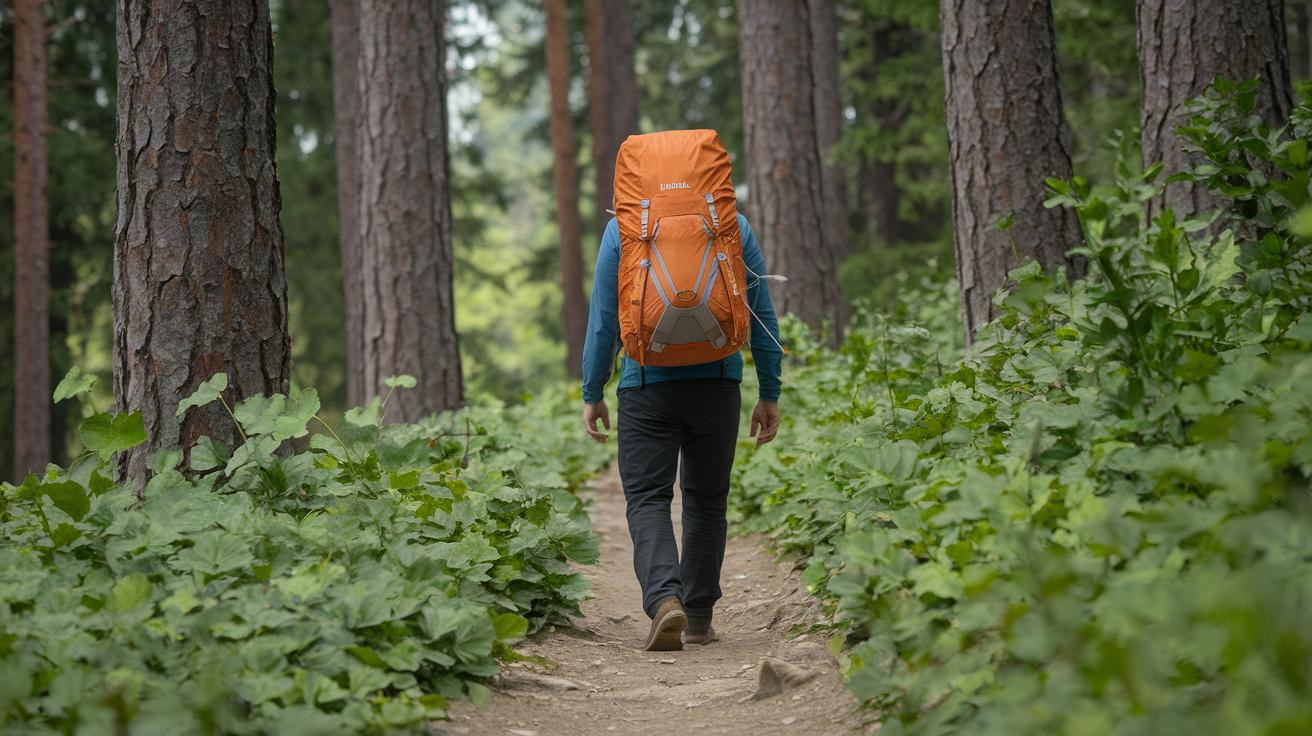
Hard-sided canisters are like a sturdy shield against wild critters. They’re built from firm materials, which means they stand up well even when animals get persistent. But here’s the thing, a canister can tip the scales heavier than a soft, flexible option. For example, while an Ursack Major weighs just 7.6 oz, a similar canister can easily clock in at about 9.5 oz or more. On long trail days where every ounce matters, that extra weight can really add up.
Soft-sided bear bags, certified by IGBC, are a hit with many backpackers. They easily slip into your pack, keeping your load balanced and comfortable. Their light weight means you can save energy for adventure. But remember, these bags work best with extra odor-resistant liners to help fend off any nosy animals.
Some parks and forests actually require hard-sided containers because bear bags haven’t yet proven their mettle with all the local wildlife. For more ideas on gear options, you might want to check out the backpacking equipment guide at https://blackandburlap.com?p=352.
| Factor | Considerations |
|---|---|
| Weight comparison | Hard canisters are heavier than soft bags |
| Pack integration | Soft bags blend better into your pack |
| Regulatory requirements | Some areas demand hard-sided containers |
| Material reliability | Rigid canisters offer proven defense |
Each choice has its ups and downs, so think about what matters most before you set off into bear country.
Top-Rated Bear Bags for Backpacking in 2025
When you’re out exploring, every ounce really counts. The Ursack Major is a top pick, built with tough Spectra rip-stop fabric (a super durable material) that can handle rough use while weighing just 7.6 oz. You can choose sizes between 10.65 L and 30 L, making it a trusted pick for hanging food high in the trees. One experienced hiker said it’s like having a mini fortress for your snacks that barely adds any extra weight!
If you’d rather keep food smells locked away from passing critters, the Loksak Opsak is a great option. Weighing just 0.8 oz, its thick plastic design helps seal in odors. It’s perfect when you want to stick to trail etiquette, though it isn’t meant to completely keep bears away.
Ultralight gear is winning more fans these days, and the Zpacks Big Food Bag is a standout. Weighing 3.4 oz and made from durable Dyneema Composite fabric (a lightweight, extra-strong material), this bag is ideal for hanging from a tree with a stacking kit. Its light weight means you can pack more of what really matters without overloading your pack.
For even more efficiency, check out the Zpacks Nylopro Bags. At an impressive 0.67 oz, these bags are both waterproof and odor-proof. They work best when used inside another bag, giving you extra peace of mind in damp conditions.
If you’re keeping an eye on your budget, the Sea to Summit Ultra-SIL Dry Sack is a reliable pick. Weighing 3.2 oz and available in sizes from 3 L to 35 L, it combines dependability with great value when paired with an odor liner.
Each option offers its own mix of low weight, handy capacity, and rugged strength, perfect for any outdoor adventure.
| Product | Weight | Capacity | Material | IGBC Certified? |
|---|---|---|---|---|
| Ursack Major | 7.6 oz | 10.65-30 L | Spectra rip-stop | Yes |
| Loksak Opsak | 0.8 oz | N/A | Thick plastic | No |
| Zpacks Big Food Bag | 3.4 oz | N/A | Dyneema Composite | No |
| Zpacks Nylopro Bags | 0.67 oz | N/A | Light fabric | No |
| Sea to Summit Ultra-SIL Dry Sack | 3.2 oz | 3–35 L | Nylon | No |
Material Durability and Weight in Bear Bags
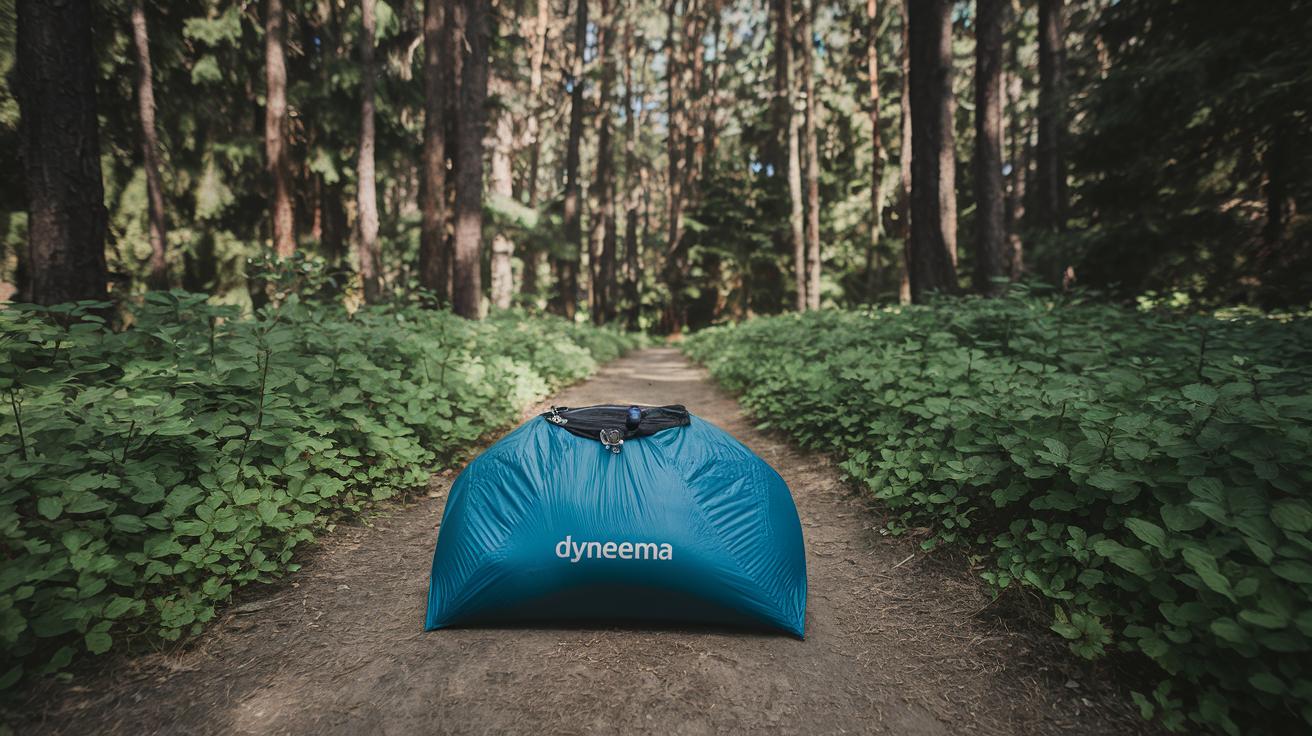
Modern bear bags use smart fabrics that mix strength with light weight, perfect for trail adventures. For instance, Dyneema Composite fabric, often found on models from Zpacks, is as light as a feather but strong enough to keep unwanted animal attention away. Picture carrying a near-invisible shield that barely adds weight but stands strong against nature's surprises.
Brands like Ursack and LOCTOTE use materials such as Kevlar and ultra-high molecular weight plastic (UHMW plastic, which means a very tough plastic) to pass bear-resistance tests. Kevlar is like a sturdy, lightweight bodyguard for your food, built to handle high-stress situations. And while UHMW plastic makes canisters extra rigid, it does add a bit more weight, like a little extra protection when you need it most.
Then there are rip-stop nylon liners. These help prevent tears and punctures, so if your bag gets snagged or faces wild weather, it holds up well. In truth, while UHMW plastic is great at keeping animals away, its extra heft can be a drawback. In the end, mixing these materials lets backpackers keep their food safe without overloading their packs.
Step-by-Step Bear Bag Hanging Methods
Standard Hanging Method
When you’re out in nature, keeping your food safe is a must. Find a strong branch that can hold your bag up high. Toss your rope over the branch so it doesn’t snag the trunk. Then hoist your bear bag until it’s at least 12 feet above the ground. Next, swing the bag about 4 feet away from the trunk. This way, critters can’t reach your food, and it stays off the branch. Also, pick a spot that’s 200 feet away from your camp so that no one follows the tasty smell back to you.
Start with a quick check: “Pick a branch that seems stable and free from broken or weak spots.” It’s like scouting out the perfect campsite, simple and safe.
PCT Hanging Method
The PCT method gives you a bit more control over your setup. Begin by anchoring a sturdy rope at waist height using a reliable knot. Clip your bag’s hook to the rope, then toss the line over a branch. Once the bag is at the right height, tie off the rope tight to keep everything secure.
Field tip: Think of it like setting up a mini pulley system in the trees, a quick pull and your bag is high and safe, just like a little construction project under the open sky.
Regulations and Safety Tips for Bear Bag Backpacking
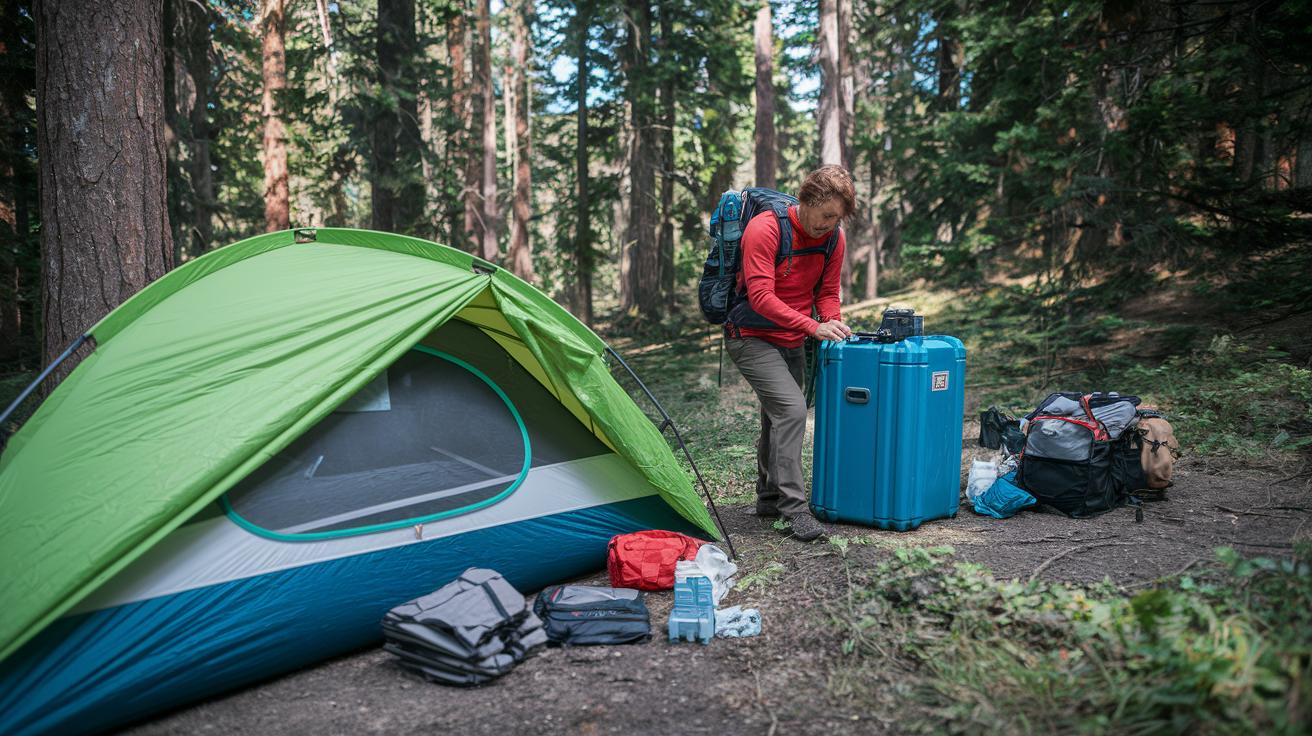
If you're heading into bear country, make sure your gear meets park rules. Sometimes that means using only IGBC‑certified or hard‑sided canisters. Before you go, give your bag a once-over, check the seams and liners like you're doing a quick gear check before a hike. It's all about making sure every stitch holds up.
Keep your food at least 200 ft away from your camp and water. That little extra space helps keep curious wildlife at bay and follows safe trail storage practices.
When you're setting up camp, remember to tuck your food away from your sleeping area. It's a simple step that goes a long way to protect both you and the animals. For a quick look at the main points, check out the table below:
| Requirement | Instruction |
|---|---|
| Equipment | Use IGBC‑certified or hard‑sided canisters where required |
| Food Storage | Hang or store food at a minimum of 200 ft from camp and water |
| Gear Check | Inspect bag seams and liners before you head out |
Ultralight and DIY Bear Bag Solutions for Backpackers
Ultralight gear really makes a difference when every ounce counts on the trail. Take the Zpacks Big Food Bag, for example, it weighs just 96 grams and works perfectly with an ultralight tree-hang kit. Imagine lugging a food bag that’s tough enough to handle wild conditions yet so feather-light it barely adds any weight to your pack, a true little secret against curious critters.
For those who love doing things your own way, a DIY bear bag setup is a great choice. You can put together a simple kit with braided cord, a tiny carabiner, and a light dry sack. Picture it like this: you pull out your gear, tie a secure but easy knot (think of a bowline knot, which makes a strong loop that won’t slip), and there you have it, a minimalist food solution you built yourself.
If you’re watching your budget, you might consider the Sea to Summit Ultra-SIL Dry Sack, which weighs about 3.2 ounces. Paired with a Loksak Opsak liner, it helps keep odors at bay without costing a fortune. The trick is using good quality cord and secure knots like the trucker’s hitch to keep your bag steady even when branches sway in the wind.
This type of ultralight, DIY setup is ideal for anyone who wants to trim down their pack weight while keeping their food safe and sound.
Alternative Wildlife-Safe Storage Options
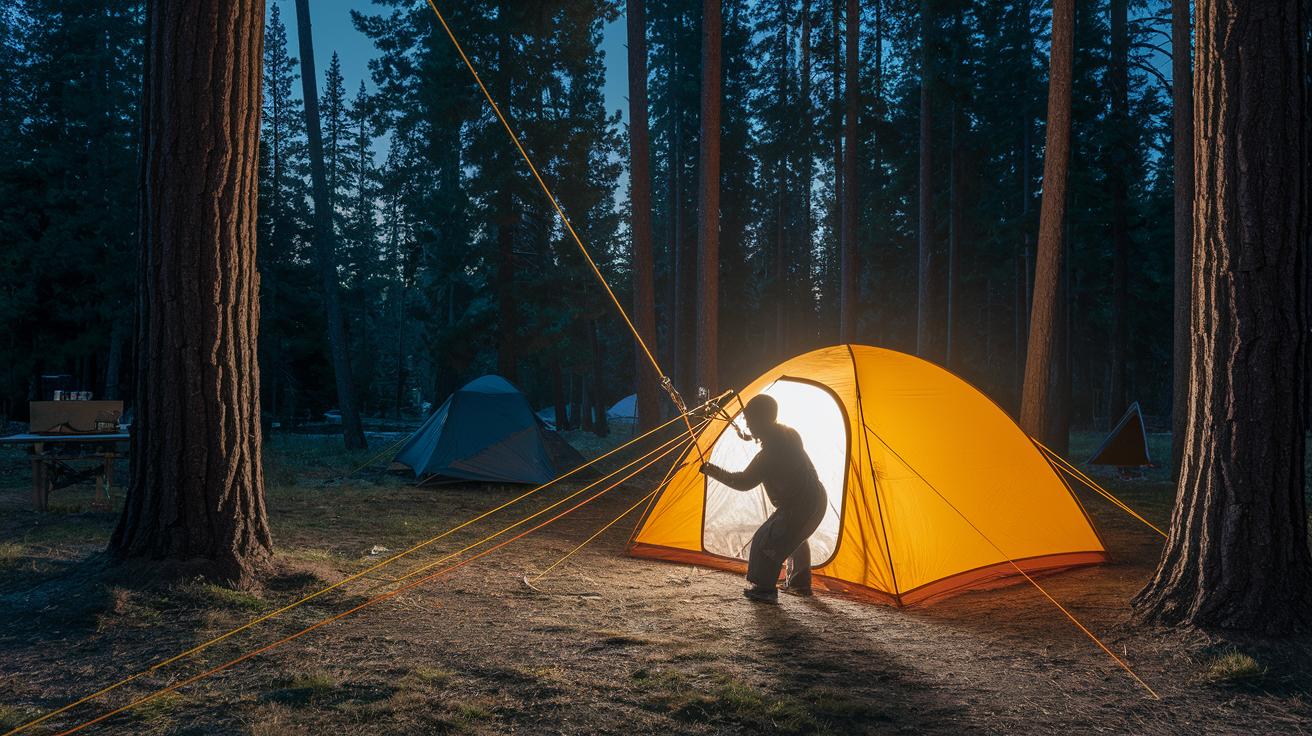
When you’re out backpacking in bear country, you’ve got more choices than just the old hanging method. One way to keep your food safe is by using bear cables. These use a strong steel cable and a hook, you need to unclip and re-hook it up high. It takes a few extra seconds to set up, kind of like double-checking your boot laces before a steep climb.
Another option is bear poles. Fixed in campgrounds, these stations come with built-in pulleys that let you lift your bag with less hassle. Imagine a pulley system that quickly protects your food, almost as easy as flipping a switch when you’re taking a quick pit stop.
There are also bear lockers. These sturdy metal boxes are set up at certain campsites to keep food safe from unwanted visitors. But bear lockers aren’t available everywhere, so on remote trails you might have to rely on other methods.
And let’s not forget dry sacks and odor liners. When hung or locked away in approved lockers, they’re great for keeping your food dry and away from curious critters, if you set them up just right.
• Bear cables: Need a careful re-hook
• Bear poles: Simple lift with pulleys
• Bear lockers: Super secure but not always around
• Dry sacks: Depend on proper setup
Pick the method that fits your route best, and get back to enjoying the crisp mountain air without a worry.
Final Words
In the action of securing your trail meals, we explored how bear bags protect food from wildlife, compared them to canisters, and outlined proper hanging methods. We talked through material durability, weight, and even DIY setups to keep critters at bay, all while following key safety tips and local rules. Using a bear bag for backpacking adds peace of mind on the trail. Keep these tips in mind, pack smart, and get ready for safe, memorable moments in the wild.