

Ever wonder if one simple bag could wrap you in warmth when you're sleeping under a starry sky? Imagine a sturdy backpacking sleeping bag that turns a chilly, restless night into a cozy retreat, almost like a loving hug from nature. It's light enough to carry on a long hike and tough enough to keep the cold at bay. In short, the right sleeping bag means more peaceful, relaxed nights outdoors and less time worrying about the cold. Stick with us to see how a well-made bag can give you comfort wherever your trail leads.
Key Features of a Backpacking Sleeping Bag

Ever been out in the fresh air and noticed how a good sleeping bag can change your whole night? A solid backpacking sleeping bag turns a cold, restless night into a snug little retreat, recharging you for tomorrow’s adventure.
When you’re miles away from comfort, every detail matters. The right travel sleep bag doesn’t just lighten your load, it keeps you warm and dry. It’s built tough to face rough weather and still pack down small enough for your backpack.
Here’s what makes it great:
- Ultralight design so you can carry it without a second thought.
- Top-notch insulation (about 800 to 900 fill power for down or reliable synthetic options) to trap in warmth.
- A rugged ripstop nylon shell with a weather-resistant coating to fend off the rain.
- Clever design features like draft tubes and an insulated hood to keep chilly air out.
- Different shapes such as mummy and quilt styles to suit your sleeping style.
- A compact design that compresses to under 1 liter, perfectly matching your essential backpacking gear.
All these features come together to give you a durable, high-performance sleeping bag. When every ounce counts, bags like the Sea to Summit Spark 15 or Zpacks Classic 30 blend warmth, moisture resistance, and light weight into one unbeatable package. That means less time fiddling with your gear and more time enjoying the crisp, open trail.
Temperature Ratings and Season Suitability for Backpacking Sleeping Bags
When you're picking a sleeping bag, it helps a lot to know the difference between comfort and lower-limit ratings. The comfort rating shows the temperature at which you'll feel warm and cozy, while the lower-limit tells you when things might start to feel chilly. This way, you can choose the right bag whether you're planning for cool summer nights or tackling colder trails.
| Temperature Rating | Season | Example Model |
|---|---|---|
| 30°F+ | Summer | Zpacks Classic 30 (14 oz, DownTek 900) |
| 20°F | Three-season | Sea to Summit Spark 15 / REI Magma 15 (28 oz) |
| 0–10°F | Cold-weather treks | Mountain Hardwear Phantom 0°F (32 oz) |
| –20°F | Deep winter/excursion | Dual bag system |
Matching the bag’s temperature rating with the season you plan to camp in is a smart move. With EN/ISO tests done using a pad (kind of like a sleeping mat) rated at R-value 4, you can trust that the sleeping bag will keep you warm. This means you can brave everything from calm summer evenings to rough, freezing mountain nights without lugging around extra weight.
Comparing Down and Synthetic Insulation in Backpacking Sleeping Bags

Down insulation is like the lightweight champion of the outdoors. Quality down, like that 800-fill type, gets squished down to the size of your fist, making it great for pack light hiking. Ever seen the Sea to Summit Spark 15? It weighs only about 14 oz, so you don't feel like you’re lugging extra weight along the trail.
But here’s the deal with moisture. Down, even hydrophobic down (which repels water a bit), can lose its fluffy loft, the little air pockets that keep you warm, if it gets soaked. Synthetic insulation, on the other hand, stands up to wet conditions pretty well. Think of something like the Marmot Trestles Elite Eco 20, which might weigh around 36 oz, but keeps you cozy even when damp. Synthetic bags usually dry out fast, making them a trusty friend on humid days.
And there’s more to consider than just performance. Many top-notch down sleepers follow strict ethical guidelines like the Responsible Down Standard, giving you peace of mind about how your gear is sourced. Meanwhile, synthetic fill options are generally easier on your wallet, letting you enjoy the trail without breaking the bank, especially when keeping warm in wet weather is a top priority.
Top Backpacking Sleeping Bags for 2024: Reviews and Quick Picks
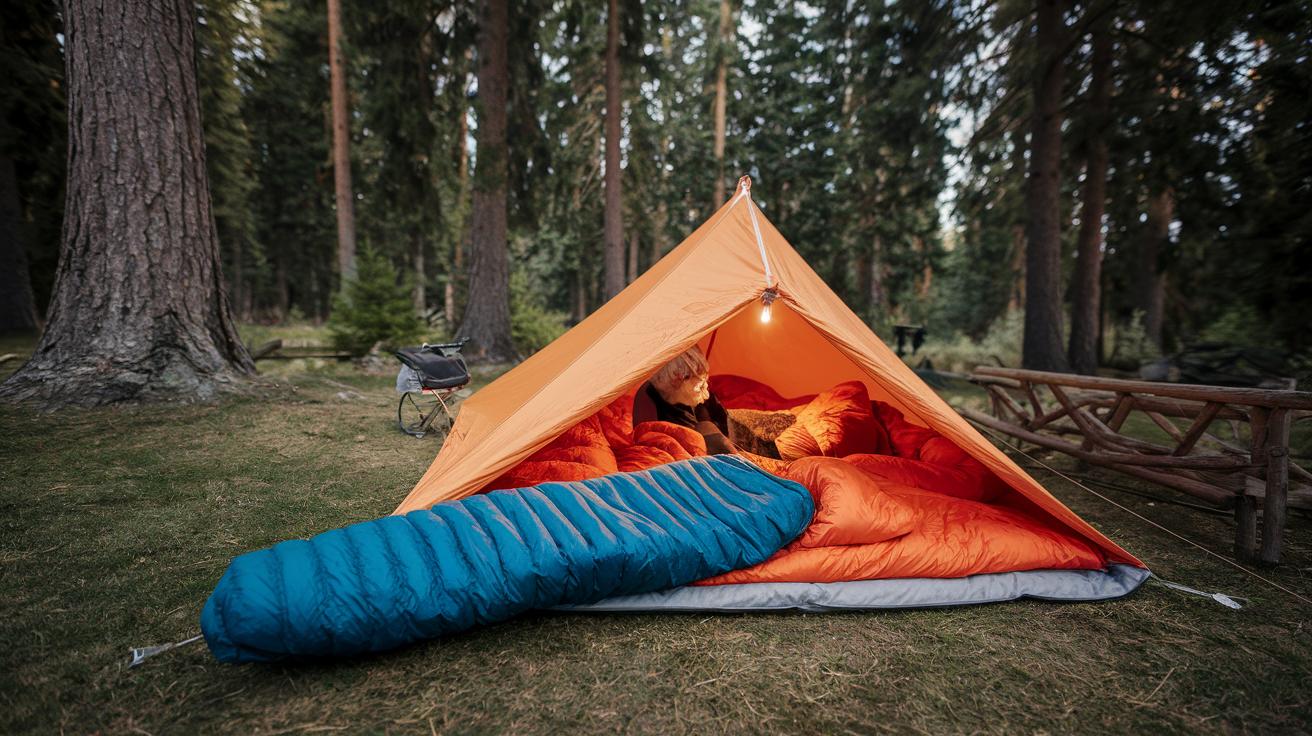
Picking the right backpacking sleeping bag is a bit like choosing the perfect campsite. We checked out temperature ratings, weight, pack size, and a few cool features to see what makes each bag special. Think of it as finding that perfect balance between staying warm and keeping your load light on the trail.
REI Co-op Magma 15 Unisex Sleeping Bag
This bag promises warmth down to 15°F, weighs about 28 oz, and comes in at $199. It strikes a great balance between cozy warmth and easy packing, and its design fits many body types. Ever felt the comfort of one? It’s like wrapping up in a soft campfire glow.
Sea to Summit Spark 15
Rated for 20°F and weighing just 16 oz, this sleeping bag is super light. It’s your go-to if you need to trim your load without losing the warmth you need for those crisp nights.
Enlightened Equipment Revelation Quilt
This is a quilt-style bag also rated for 20°F and weighing 16 oz. Its smart design is perfect for active sleepers who want to keep things light and still stay comfortable as the night falls.
Marmot Trestles Elite Eco 20
If you’re watching your budget, this synthetic insulated bag is a winner. Rated at 20°F, it weighs about 36 oz and costs $159. It handles damp weather really well, making it a friendly choice when the trail turns a bit tricky.
Mountain Hardwear Phantom 0°F
Built for the coldest nights, this bag is rated at 0°F, weighs 32 oz, and runs around $449. It’s a solid pick when you need extra heat retention during those bone-chilling evenings in the mountains.
Kelty Cosmic Ultra 20
With a 20°F rating and weighing 31 oz, this bag uses 800-fill down to give you a lightweight yet snug feel. It comes in at roughly $200, blending comfort with a smart design that saves you weight.
Feathered Friends Swallow YF 20
Another top contender, this bag is rated at 20°F and weighs 32 oz. It features premium 900-fill down insulation and is priced at about $450, winning praise for its excellent warmth and quality materials.
Zpacks Classic 30
For warm-weather backpackers, this summer-weight option is a dream. Rated at 30°F, it tips the scales at just 14 oz and costs $440. Its small pack size and fine insulation make it perfect when the nights are mild.
Each bag finds its own balance between price and performance. Whether you’re leaning towards a reliable pick like the REI Co-op Magma 15 or ready to invest in extra comfort and tech features, there’s a bag here that will keep you snug and light on your next adventure.
How to Choose the Right Backpacking Sleeping Bag for Your Trip

When you’re gearing up for a backpacking trip, the first step is to match your sleeping bag’s features to what your adventure demands. Think about the chill you might face at night and find the balance between weight and warmth, you might come across bags ranging from 16 oz to 32 oz. Whether you choose a snug mummy style or a looser quilt design, make sure the length and width fit you comfortably.
Next, check out the design details that can make a big difference on the trail. Look for zippers that glide smoothly and draft tubes (insulated channels to block cold air) that help keep the chill out. Also, see if the hood fits well to keep warmth in. It’s smart to ensure the bag works with your pad, something with an R-value 4 standard is ideal, and extra liners can add a lot of versatility.
Every choice comes down to weighing the warmth you need against what you’re willing to carry. If you’re tight on pack space, a minimalist design might be the best option, even if it’s not the coziest. And don’t forget to check reviews about the fit and durability of the shell; real-world experiences can be just as telling as the specs. In the end, balancing these features helps you choose a sleeping bag that fits your budget, usually between $159 and $450, and suits your outdoor lifestyle perfectly.
Caring for Your Backpacking Sleeping Bag

Taking care of your sleeping bag keeps your nights under the stars warm and comfortable. When you treat it well, it stays puffy and ready for any adventure, just like that trusty friend who never lets you down.
Wash your bag only when you really need to. Use gentle cleaners such as Nikwax Down Wash or Woolite, and be sure to rinse it well so no soap lingers. Once it’s clean, pop it in the dryer on low heat with a couple of tennis or dryer balls. This trick helps bring back its fluff, but remember, direct heat is a no-go since it can harm the materials.
After cleaning, store your sleeping bag uncompressed. Try keeping it in a big cotton sack or hang it in a cool, dry place during the off-season. If you notice any tears in the fabric, patch them up right away with a repair kit. And don’t forget to reapply a DWR (durable water repellent) treatment as needed, just follow the manufacturer’s instructions. For more tips on storing your gear sustainably, check out the sustainable practices link.
Final Words
In the action on the trail, we explored the key features of the backpacking sleeping bag, from lightweight, smart insulation, and compact packability to weather resistance. We also shared tips on choosing one that fits your trip and keeping it in prime condition.
Every detail matters. A well-chosen backpacking sleeping bag not only offers warmth and comfort but also stands by you through every memorable night outdoors. Stay safe and happy trails.
FAQ
What kind of sleeping bag is best for backpacking?
The best backpacking sleeping bag balances warmth, weight, and packability to keep you comfortable on clear trails. It usually features a mummy shape with draft tubes and an insulated hood for added coziness.
What do temperature ratings like 0° and 20°F indicate in backpacking sleeping bags?
The temperature rating shows the coldest conditions where you’ll stay warm. A 0°F bag offers extra insulation for very cold nights, while a 20°F bag is lighter for milder, clear nights outdoors.
How do I choose the best or budget backpacking sleeping bag?
The right bag matches your expected temperatures, desired pack weight, and budget. Look for solid insulation, durable materials, and a design that keeps you warm and comfortable on the trail.
How does backpacking sleeping bag weight impact travel?
Lighter sleeping bags reduce your pack load, making long hikes easier. Weight-conscious designs still keep you warm and cozy on the trail while offering improved mobility and less strain.
What role does a sleeping pad play in backpacking?
A sleeping pad cushions you from rough, cold ground and adds insulation. It works with your sleeping bag to help maintain warmth and comfort during restful nights outdoors.
What are Reddit users saying about backpacking sleeping bags?
Many Reddit contributors praise sleeping bags that blend low weight with reliable warmth. They value designs that offer proven comfort and durability, sharing real-world tips for trail-tested picks.
What are the three essential items for backpacking?
The big three items include a trusted backpack, a sturdy tent, and a quality sleeping bag. This trio forms the core gear for a safe, comfortable outdoor stay on the trail.
How big should a sleeping bag be for backpacking?
A sleeping bag should fit your build well, allowing enough movement without losing heat. A snug mummy design often works best as it traps warmth while giving you space to rest comfortably.
What is a four-season sleeping bag for backpacking?
A four-season sleeping bag is built for harsh, cold conditions with extra insulation and a rugged design. It’s engineered to keep you warm on the coldest nights during winter trails.