

Ever wonder if a little first aid kit could really save your day on a long, remote hike? Imagine you're out there, miles from help, and a few simple supplies turn a nasty scrape into just a tiny pause on your adventure. When you’re deep in the wild, the right supplies let you fix up small issues right away so you can get back to enjoying that crisp, open air. In this guide, we'll share the essentials you need and some smart tips on packing your kit so you stay safe and keep on exploring.
Building Your backpacking first aid kit: Essential Supplies and Organization
A good first aid kit stops small problems from turning into big issues on the trail. When you have the right gear handy, you can quickly treat cuts, scrapes, burns, or blisters and get back to enjoying nature. Whether you’re out for a short hike or a long backcountry trip, being prepared makes all the difference when help is far away.
Here’s what to pack:
- Assorted adhesive bandages (small, medium, and large) to cover minor cuts
- Steri-Strips for closing wounds by helping the skin stick together (think of it like a quick patch)
- Skin-Tac Adhesive Barrier Wipes to hold the Steri-Strips in place and protect the wound
- Ibuprofen tablets (200 mg) for easing pain and reducing swelling
- Tylenol (500 mg) as another option for pain relief
- Anti-nausea pills (use the dosage on the package) to settle upset stomachs
- Antiseptic wipes to clean wounds and clear off dirt
- A small pair of stainless steel tweezers to pull out stray debris
- Medical tape (about 1-inch wide) for keeping dressings secure
- Alcohol wipes for sterilizing cuts and scrubbed areas
- Gauze pads in various sizes to cover bigger wounds
- A 1L first aid dry bag made from squishable 70D fabric to keep everything organized and safe
Labeling each item and grouping similar supplies in resealable pouches can really save you time. When everything is clearly marked, you won’t have to search for the right bandage or pain reliever when you need it most. This simple system not only keeps your kit neat but also gives you a bit of extra peace of mind as you head out for your next adventure.
Comparing Pre-assembled vs DIY backpacking first aid kits
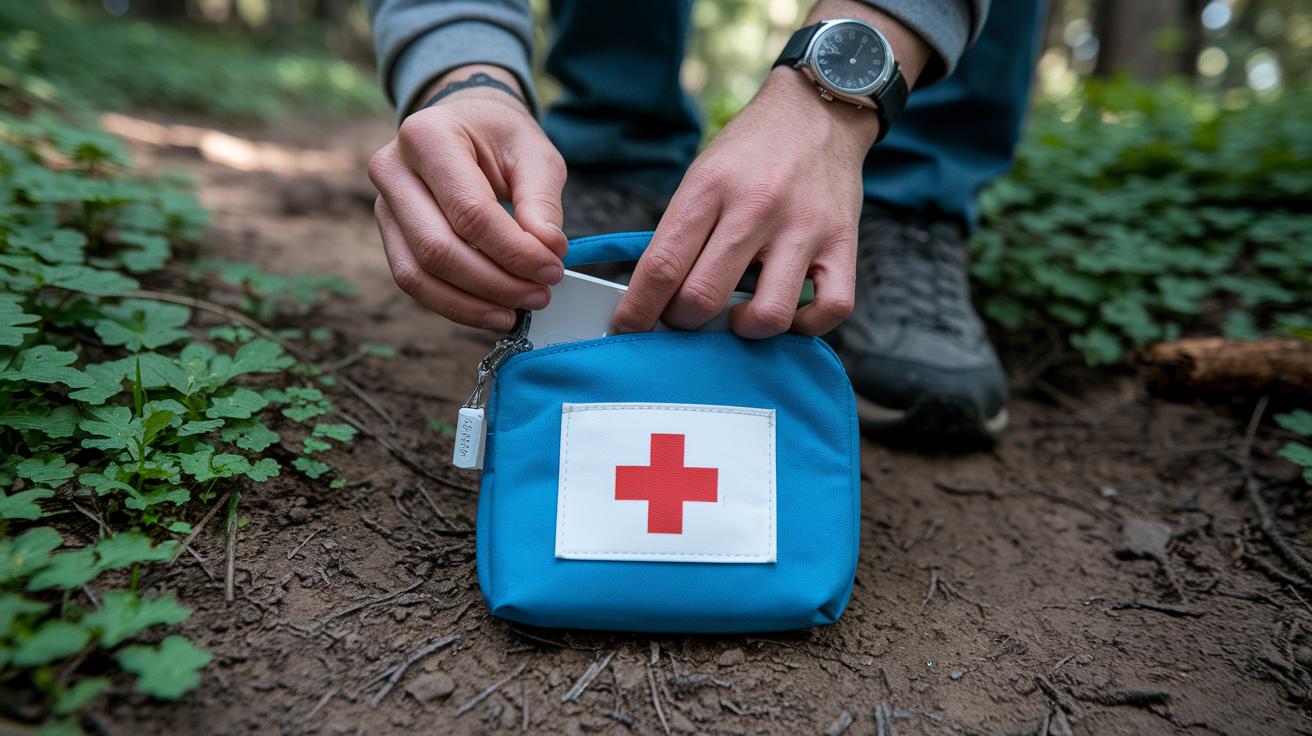
Pre-assembled kits are really handy when you need quick care on the trail. They arrive neatly packed with standard supplies (think bandages, antiseptics, and burn relief), and many even come with a warranty. It’s like picking up a ready-to-eat meal when you're short on time, everything's been tested so you can focus on the adventure and not worry about missing a must-have item.
Making your own kit lets you personalize every detail to fit your own needs. Maybe you have allergies, are off on a long trek, or are watching your pack weight. Building your kit is a bit like cooking your own trail meal: you get to choose every ingredient, packing just what you truly need for a smooth journey.
Cost and upkeep also play a big role. A DIY kit can save you a few bucks and lighten your load, but it does need regular checks and replacements. Meanwhile, a pre-made kit is compact and ready to use, though some supplies might end up expiring unused. In the end, guessing which kit suits your outdoor style comes down to balancing price with the hassle of keeping it updated.
Weight and Durability Considerations for your backpacking first aid kit
When you’re packing your first aid kit, keep it light yet built to last. Choose rugged materials that can handle a bit of water and a few bumps along the way. For example, try a 1 L dry bag made from squishy 70D fabric. It keeps your supplies dry even when the weather turns rough, just like a trusty raincoat.
Take a close look at your tweezers too. Aluminum ones are lighter, while stainless-steel tweezers might stand up to hard knocks a bit better. And if you’re storing small items, go for resealable plastic pouches that can brave both cold and hot conditions. That way, no surprise weather can catch your gear off-guard.
When your gear can handle the elements, you get to focus on enjoying the adventure.
Shrinking your kit doesn’t mean you miss out on vital treatments. Start by cutting out duplicate items and opting for more compact versions. For instance, swap bulky gauze and bandages for smaller packs, or choose a tool that serves more than one purpose instead of carrying many single-use items. This way, you keep your load light without losing the care you might need.
Finally, arranging your items in lightweight, clearly labeled pouches not only saves space but also makes sure everything important is right at your fingertips when you need it most.
Customizing Your backpacking first aid kit for Different Environments

When you're out in hot, sticky weather, you gotta pack your first aid kit with a few extra items. In tropical places, pack antimalarial pills to help keep annoying bugs away and add powdered antiseptics for cleaning up small cuts when things are damp. Also, keep your DEET repellent separate so it doesn’t mess with the special fabrics of your gear.
In colder places, you'll need a kit that fights off the chill. A heat-reflective emergency foil blanket is a smart pick, it can keep you warm during a sudden cold snap or even help if you start to feel the early signs of hypothermia. This mix makes sure your wilderness medical kit is ready for wild temperature swings without leaving out the basics.
When you’re hiking above 9,000 feet, extra care is a must. Packing acetazolamide can ease altitude sickness, and having extra anti-nausea and ibuprofen can really help when the thin mountain air starts to give you headaches. And if you’re trekking through dry, rough areas where water is hard to come by, a lightweight high-altitude medical survival set keeps your pack light while covering emergencies.
Every little item in your kit plays a role. Whether you're bracing for sudden altitude effects or patching up a scrape in a dry, rocky spot, you can feel confident knowing your kit is tuned to the unique challenges of every environment you explore.
Expert Training and Usage Tips for backpacking first aid kits
Ever been out on a trail and wondered what you'd do if you got hurt? Check out courses like Wilderness First Aid and Red Cross, they offer real hands-on training for the outdoors. In these classes, you'll learn to clean wounds, put on Steri-Strips (that’s the sticky bandage stuff), and secure bandages like a pro. Try running through these drills at home too; practice dressing a scrape until it feels as natural as setting up camp. It’s all about building confidence and relying on your own skills, not just a field responder bag.
Regular practice is like sharpening your trail skills. Every few months, do a quick kit drill to make sure your supplies are fresh and your actions are on point. And always keep an eye on expiration dates, repack right after you use something. That way, your survival medic kit stays as ready as a trusty hiking buddy when you need it most.
Organizing and Maintaining Your backpacking first aid kit

Pack your first aid gear in clearly marked, resealable pouches, then nestle them into a 1 L dry bag to keep them dry. Think of it like marking trails with simple signs: one pouch might say "Antiseptic wipes," so when you're in a pinch, you know exactly where to look.
After you head home from an adventure, take a few moments to check every item. Use a printed or digital checklist to make sure nothing's expired or used up. I recall after one long hike, I went through my list step-by-step, ensuring my kit was as ready as a trusty pair of boots. This routine care helps your kit stay reliable, just like the gear you depend on out on the trail.
Top backpacking first aid kits and User Reviews
If you value staying safe on the trail without lugging around extra weight, here are three top-rated kits that real hikers swear by. Each kit strikes its own balance between being super light and having all the supplies you might need. Some adventurers praise the light-as-a-feather design of one model, while others prefer a kit that’s packed with more than just the basics.
| Kit Name | Weight | Price Range | Highlights |
|---|---|---|---|
| Adventure Medical Kits Ultralight/Watertight | 5.1 oz | Mid-range | Lightweight design, basic coverage |
| MyFAK MyMedic | 24 oz | High | Comprehensive supplies for many emergencies |
| Johnson & Johnson All-Purpose | 24 oz | Low | Economical choice, covers essential needs |
Choosing the right kit really comes down to what matters most to you. If keeping every ounce to a minimum is your top priority, the ultralight option gives you just the basics you need. On the other hand, if having full coverage makes you feel more secure, a kit like the MyMedic is a smart choice. And if you’re keeping an eye on your budget without wanting to cut corners on essentials, the Johnson & Johnson kit is a solid pick.
Final Words
In the action, we've explored how to build a comprehensive backpacking first aid kit that covers small scrapes to unexpected mishaps. We broke down assembling your gear, whether a DIY or store-bought option fits best, and how to keep things lightweight yet durable. Customizing your kit for various climates and practicing your skills make a real difference on the trail. With the right supplies and regular checks, your kit becomes an invaluable tool. Keep safe, stay prepared, and enjoy each step out in nature.
FAQ
Frequently Asked Questions
- What should a backpacking first aid kit include?
- The backpacking first aid kit should include bandages, Steri-Strips for wound closure, pain relievers (ibuprofen/Tylenol), anti-nausea pills, and a tourniquet if needed to cover cuts, scrapes, burns, and blisters.
<dt>What benefits come from a DIY backpacking first aid kit?</dt>
<dd>A DIY kit lets you pick items to match your needs, custom-fit supplies for allergies and trip length, and even save weight by choosing only what you use most on the trail.</dd>

<dt>How can I build an ultralight backpacking first aid kit?</dt>
<dd>An ultralight kit focuses on compact, multi-use items, reducing redundant tools while still covering essential wound care and pain relief, making it perfect for day hikes and minimal setups.</dd>

<dt>What do Reddit and user reviews say about the best backpacking first aid kits?</dt>
<dd>Users praise kits that balance low weight with thorough supplies, noting that well-organized options like those with tourniquets and clear labeling keep stress low during outdoor mishaps.</dd>

<dt>How do I tailor my first aid kit for different backpacking conditions?</dt>
<dd>Customizing means adding items for local climates, like heat-reflective blankets for cold weather or extra medications for high altitudes, ensuring your kit meets the needs of every specific outdoor setting.</dd>