

Have you ever noticed how a lighter pack changes your trail experience? It might sound a bit odd, but the right gear really makes a difference. Picture a sturdy backpack, a reliable shelter, and a small cooking kit that keeps your load light. Each piece helps you move easier, almost like having a little friend by your side on the trail.
In this post, we chat about a few must-have items that make your hikes smooth and stress-free. Ready to see which gear can make your adventure feel even better?
Comprehensive Backpacking Equipment Checklist
When you’re out on a trail, having the right gear can make all the difference. Start with a list covering the basics: backpacks, shelter, sleep systems, cooking gear, hydration, clothing, and personal items. A smaller pack, like the Osprey Sirrus 24L with its comfy hip belt, padded shoulder straps, and adjustable chest strap, helps keep extra weight off your shoulders.
Packing smart keeps your load light and balanced. Every category has its must-haves for both day hikes and longer trips. It’s like packing just the right snacks for a picnic, simple, efficient, and perfect for each twist and turn on the trail.
- Backpacks
- Shelter
- Sleep Systems
- Cooking Gear
- Hydration Devices
- Clothing
- Personal Items
| Category | Flagship Product | Weight Range |
|---|---|---|
| Backpacks | Osprey Sirrus 24L | 3–4 lbs |
| Shelter | Slingfin 2Lite | 2 lbs 10 oz – 3 lbs |
| Sleep Systems | Therm-a-Rest NeoAir XLite | 14–18 oz |
| Cooking Gear | MSR PocketRocket 2 | 4–6 oz |
| Hydration Devices | Gravity Filter Kit | 5 oz |
| Clothing | Smartwool Merino 150 | 6–8 oz |
| Personal Items | Compact First Aid Kit | 6–8 oz |
Choosing gear that fits your style makes packing feel like preparing for an adventure. A smart, smaller pack helps you move fast and feel light on your feet, especially when each item can serve more than one purpose. Pack what you truly need, and you’ll be ready to enjoy every step of your journey.
Choosing the Right Backpacking Backpack
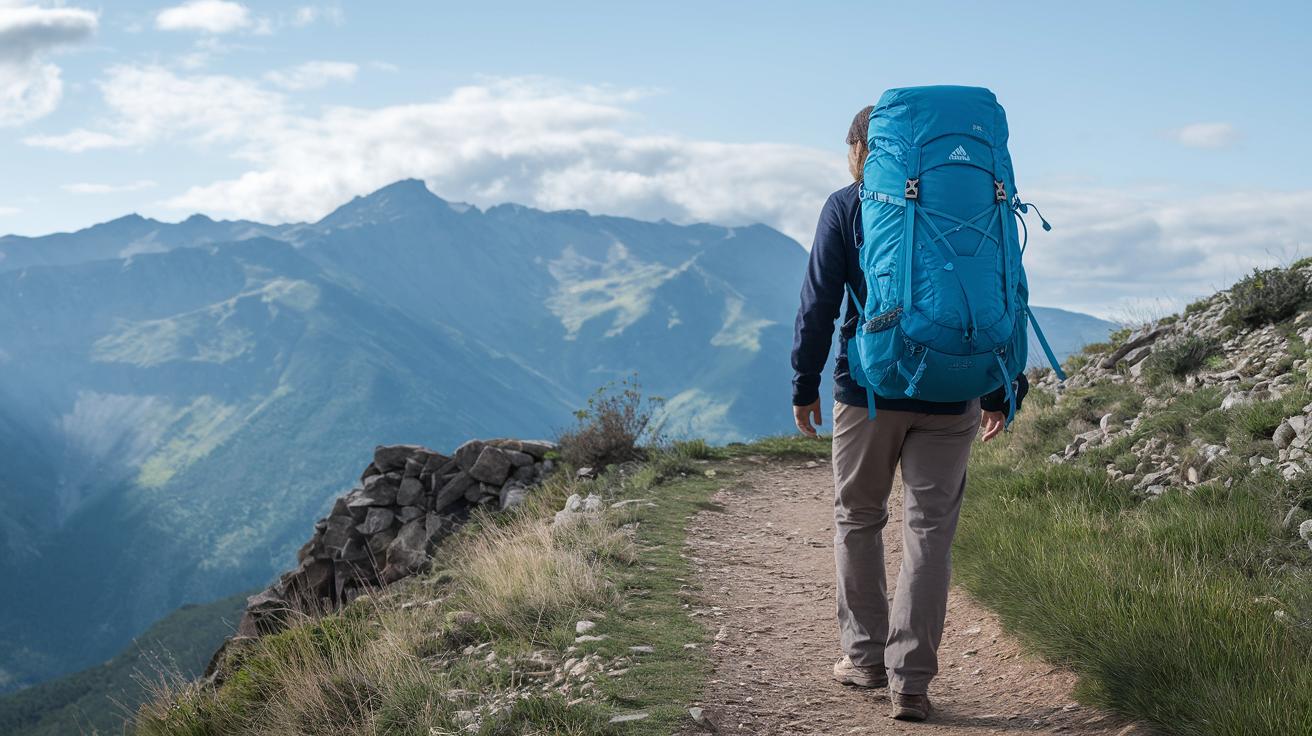
When you're choosing a backpack, think about its capacity, the way it fits, and how its suspension works. A pack that spreads the weight evenly makes long days on the trail a lot more enjoyable. Ever been on a hike where your pack felt like a bag of rocks? Models like the Osprey Atmos AG 65 and Aura AG 65 come loaded with cool features. They let you tweak the torso length and adjust load lifters to keep things balanced. Their "anti-gravity" design (which means less pressure on your shoulders) means you can spend more time taking in the view instead of fiddling with your straps.
| Model | Capacity | Weight | Price |
|---|---|---|---|
| Osprey Atmos AG 65 | 65 L | 4 lbs 11 oz | $340 |
| Osprey Aura AG 65 | 65 L | 4 lbs 11 oz | $340 |
| Hyperlite Mountain Gear 3400 Windrider | 45 L | Under 2 lbs | $– |
Finding the right adjustments can really boost your comfort on any trail. Try out features like removable insulation panels or a mesh-vented back (which helps keep you cool on warm days). Adjust your hip belt and chest strap until the pack hugs you just right. And if you’re debating between an internal frame for a sleeker look or an external one for more gear, test both to see what feels best. Little tweaks, like fine-tuning the load lifters or setting the torso length just right, will help keep your journey balanced and full of adventure.
Sleep Systems and Shelter: Essential Backpacking Equipment
When you hit the trail, your tent is like a little home for the night. Think about a few favorites like the Slingfin 2Lite, weighing 2 lbs 10 oz, or the Big Agnes Copper Spur HV UL2, which offers a great mix of room and lightness. If you’re on a budget but still want an ultralight shelter, check out options such as Gossamer Gear The One (1 lb 6 oz) or the Durston X-Dome 1+ (2 lbs 6 oz). When you set up your tent, make sure to use strong stakes and a footprint (a protective groundsheet) to keep the base safe from damp soil and to add extra stability.
For a good night’s sleep, picking the right sleeping bag and pad is key. The Zenbivy Light Bed, rated for 25°F and weighing 1 lb 10 oz, is a solid choice for staying warm under chilly skies. Pair it with the Sea to Summit Ether Light XR pad, which only weighs 17 oz, and you’ve got a snug little setup that keeps the cold at bay. Many adventurers also swear by the Therm-a-Rest NeoAir XLite for its easy packing and steady air support, even if it can be a bit noisy when you inflate it.
Take your time when you’re inflating your pads and checking for leaks, especially with the NeoAir XLite. A slow, careful setup goes a long way toward keeping everything working together nicely on a cold night. With a bit of care, your shelter and sleep system can make your outdoor sleep as comfortable and weatherproof as possible.
Cooking, Hydration, and Nutrition Gear for Backpacking Equipment
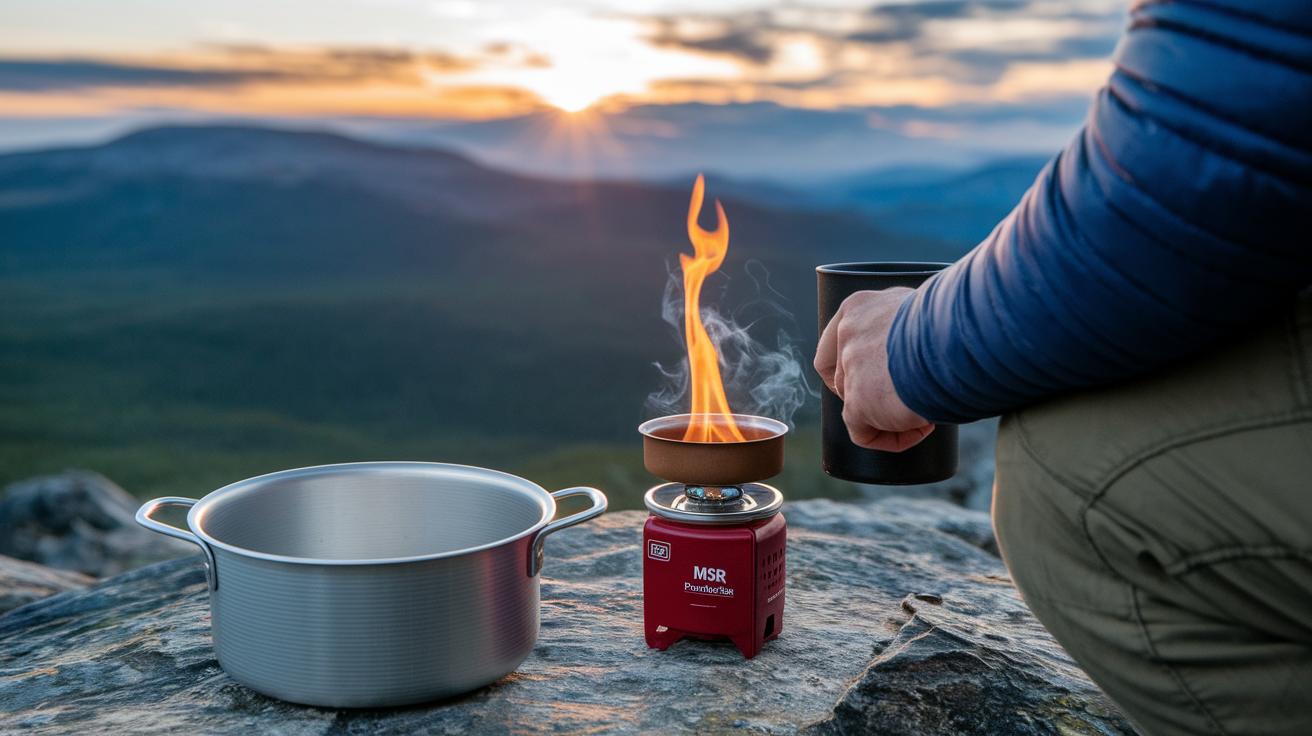
When you're deep in the wild, having a trusty cooking setup can change the whole game. The MSR PocketRocket 2 stove is light but mighty, perfect for boiling water or simmering a warm meal under the open sky. Paired with Toaks 550 nested mugs and a larger aluminum pot, it makes cooking on the trail feel almost as simple as setting up camp. And, if you’re after a no-fuss meal, freeze-dried options from Peak Refuel or Pinnacle Foods can boost your energy without weighing you down.
Staying quenched is a big deal when you're on long hikes. Lightweight bottles make it easy to carry your water, while a neat five-ounce gravity filter works wonders by treating up to 2 liters per fill. It’s a smart, space-saving trick that keeps your drink safe, even when you’re miles from help.
When it comes to food storage, keeping your snacks safe from wildlife is key. The Ursack Major XL bear bag, which weighs just 8 ounces, offers odor-proof protection that stops curious critters in their tracks. And Nalgene bottles are more than just water carriers; they double as handy camp tools, making mealtime management as effortless as a walk in the woods.
Clothing and Footwear Fundamentals for Backpacking Equipment
Before you head out, make sure you have sturdy baselayers that adjust with changing temperatures. The Smartwool Merino 150 baselayer keeps you warm and fights off odors, fitting close to your body to wick away sweat. Picture that soft fabric sticking with you through hours on the trail.
Next up is your outerwear. Choose jackets that stand up to wind and rain without holding you back. Jackets like the Rab Microlight and Kinetic 2.0 let your skin breathe while keeping you dry, giving you the confidence to handle any sudden weather change.
Then, think about your shoes. Whether you opt for hiking boots that fit just right or trail runners from Topo Athletic and Altra with extra room for your toes, the right footwear means fewer blisters and more enjoyment with every step.
Lastly, layering smartly at camp is a great idea. Swap into a lightweight sleeping layer that keeps you warm without adding extra weight. This trick balances speed and insulation, so you’re ready to move and stay cozy when the night comes in.
Ultralight and Minimalist Backpacking Equipment Essentials

When you’re setting out with less than 10 lbs on your back, every little bit matters. You need gear that works great without feeling bulky. Pick the lightest, most useful items so you can save energy for soaking up the crisp mountain air and enjoying your adventure.
Here’s a quick look at some favorite ultralight gear:
| Gear | Weight |
|---|---|
| Gossamer Gear The One tent | 1 lb 6 oz |
| Therm-a-Rest NeoAir XLite pad | 17 oz |
| Peak Refuel freeze-dried meals pack | 8 oz |
| Nalgene bottle | 5 oz |
| Single aluminum pot | 4.4 oz |
| Minimalist first aid kit | 7 oz |
Keeping your pack light is really about balance. Every item should have a solid purpose, but it’s smart to leave a little extra weight for safety. A compact kit that features multi-use gear means you’ll be ready for any surprises on the trail. In the end, you’ll have a comfortable, practical setup that lets you enjoy your time outdoors without the hassle of extra bulk.
Budget-Friendly and Rental Backpacking Equipment Options
If you’re planning to hit the trails without emptying your wallet, you’ve got plenty of smart gear choices. Take the Gossamer Gear The One tent for example, it only weighs 1 lb 6 oz and gives you that ultralight feel without a high price. Then there’s the Mountain Hardwear Bishop Pass 30°F bag. It costs around $245–265, weighs 1 lb 12 oz, and keeps you warm when the air turns chilly. And don’t forget the MSR PocketRocket 2 stove, which is compact and perfect for cooking on the go.
Renting or borrowing gear can be a really clever way to enjoy top-notch equipment without a big upfront cost. Local outdoor shops and gear exchanges often offer rental packs, so if you’re not out on the trail all the time, this might be the best option for you. It lets you try different setups without feeling tied down to one system, and it keeps your spending in check, all while letting you enjoy quality gear.
Before you decide to buy secondhand gear, take a good look at everything. Check the seams, zippers, and any signs of wear to make sure the gear is ready for your next adventure. Compare its price to new models and test the important features. This little bit of extra effort can save you from future hassles and costs, making used backpacking gear a smart, sustainable, and wallet-friendly choice.
Field Testing and Gear Maintenance Tips for Backpacking Equipment
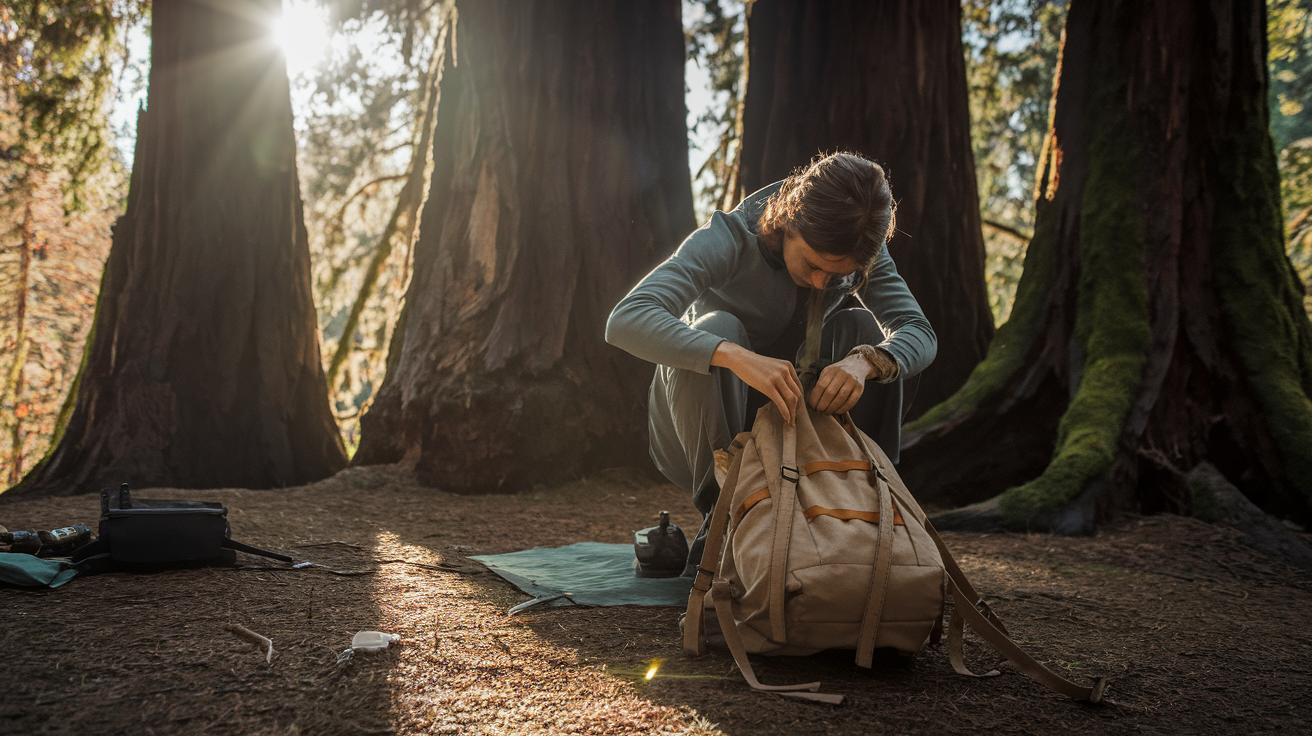
Before you set out on your adventure, give your gear a good once-over. Check the straps, zippers, and fasteners on your backpack to catch any early wear that could turn into a hassle out on the trail. A little check now can save you from big surprises later.
When it comes to taking care of your sleeping pad and tent, stick to simple routines. Inflate your Therm-a-Rest NeoAir XLite pad and listen closely for any hissing sounds that might mean a leak. Then, take a peek at your tent’s footprint and stakes to make sure everything’s secure. Doing these little checks can extend the life of the gear you rely on. For instance, routine air checks help keep your pad firm even after many trips under the stars.
Don’t forget to give your stove and filter a quick test before heading out. A short simmering session and water run-through can show if there’s any wear or clogs that might mess with your camp cooking when you're miles away from home.
Once you're back from your trip, take some time to clean your gear. Wipe down your Nalgene bottles and pack systems, let them dry completely, and store them in a cool, dry spot. This simple routine can really help your gear stick around for many more adventures.
Final Words
In the action, we rolled through a gear checklist that touched on selecting a smart pack, setting up a snug shelter, assembling reliable cooking systems, and choosing comfy clothing. We split our focus between smart packing tips for ultralight setups, budget finds, and careful gear care routines. Every part of your backpacking equipment plays a role in making each trip not only efficient but memorable. Keep exploring, stay safe, and let your outdoor experience keep sparking bright moments.
FAQ
What are some essential backpacking items I need for every trip?
The essential backpacking items include a tent, sleep system (bag or pad), cooking gear, hydration tools, clothing, and a reliable backpack. This checklist helps both beginners and seasoned travelers pack wisely.
What should I look for in a backpacking backpack?
A quality backpacking backpack features a supportive hip belt, padded shoulder straps, and adjustable components. It should balance capacity with weight while offering comfort for multi-day trips on rugged trails.
What does the 20% rule for backpacking mean?
The 20% rule means keeping your pack weight around 20% of your body weight. This guideline helps reduce strain and makes long hikes more manageable on uneven, natural terrain.
What are the big three items to bring on a backpacking trip?
The big three items include your shelter (tent), sleep system (bag or pad), and a dependable backpack. These core pieces ensure protection, comfort, and efficient load carrying across any outdoor trip.